
Parrotlet Diet: Complete Nutritional Guide
Complete guide to parrotlet nutrition: pellets, fresh foods, and healthy feeding practices.
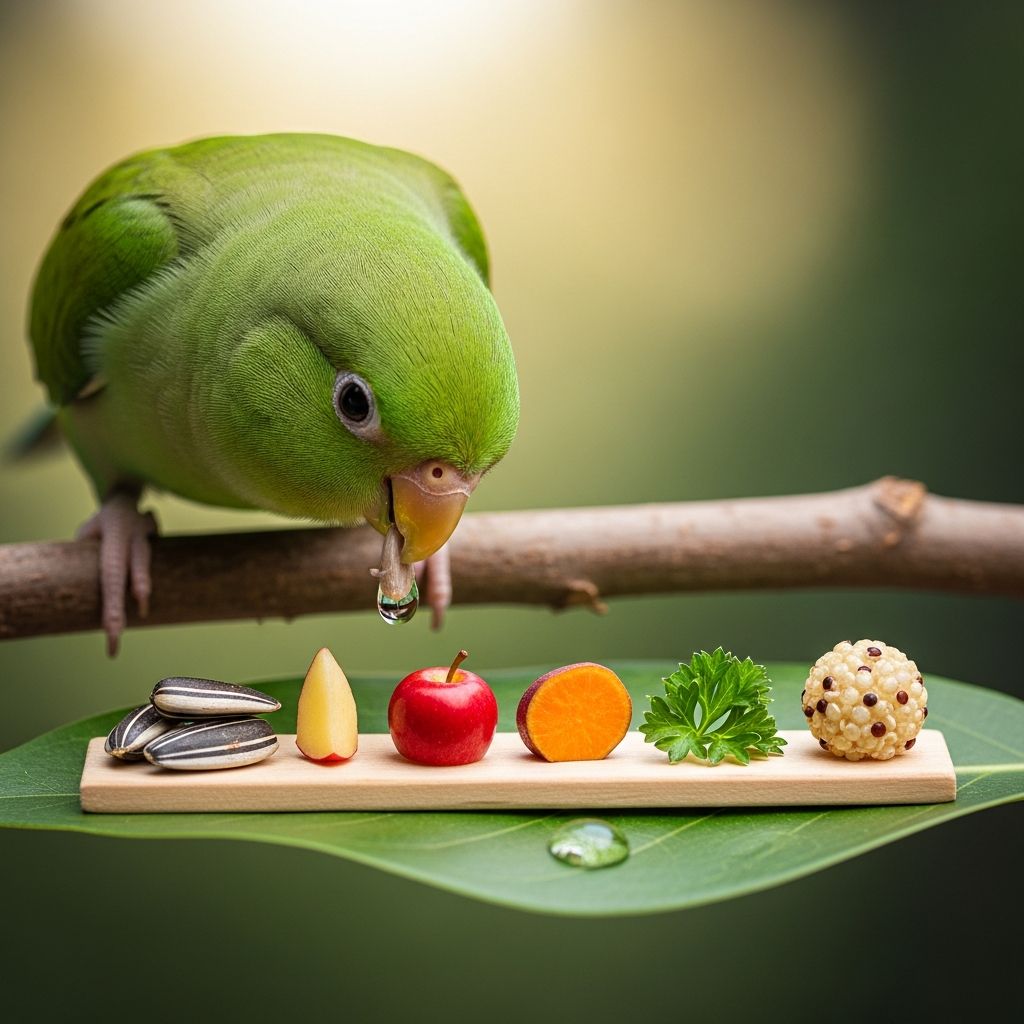
Understanding Parrotlet Nutrition and Dietary Needs
Parrotlets are small, intelligent companion birds that require a carefully balanced diet to thrive in captivity. Unlike the common misconception that birds can survive on seeds alone, parrotlets need a diverse nutritional intake to maintain optimal health, vibrant plumage, and longevity. A proper parrotlet diet mirrors what these birds would consume in their natural habitat, combining various food sources to provide all necessary nutrients, vitamins, and minerals. Understanding the specific dietary requirements of parrotlets is essential for any bird owner who wants to ensure their feathered companion lives a healthy and happy life.
The Foundation: High-Quality Pellets
The cornerstone of a healthy parrotlet diet should be high-quality formulated pellets, which should comprise 60-80% of their daily food intake. Pellets are specifically designed to provide complete nutrition with balanced amounts of proteins, fats, vitamins, and minerals. When selecting pellets for your parrotlet, it is crucial to choose brands that do not contain unnecessary additives such as artificial dyes, colors, or refined sugars, as these can accumulate in the bird’s body over time and potentially cause long-term health issues.
Quality pellets contain a carefully formulated blend of grains, legumes, vegetables, and essential amino acids that work together to support your parrotlet’s overall health. The manufacturing process ensures consistent nutritional content across each pellet, making it easier to monitor your bird’s intake of vital nutrients. When introducing pellets to a parrotlet that may have been eating primarily seeds, make the transition gradually over several weeks to allow the bird’s digestive system to adapt to the new food source.
Fresh Vegetables: The Vitamin and Mineral Powerhouse
Fresh vegetables should comprise 15-20% of your parrotlet’s daily diet and serve as an excellent source of vitamins, minerals, and fiber. Different vegetables provide different nutritional benefits, so offering a variety ensures comprehensive nutritional coverage. Dark leafy greens are particularly valuable for parrotlets, as they provide high levels of vitamin A, calcium, and other essential nutrients that these birds often lack in seed-based diets.
Best Vegetable Choices for Parrotlets
Incorporate the following vegetables into your parrotlet’s diet regularly:
Dark Leafy Greens: Collard greens, mustard greens, turnip greens, kale, chicory, romaine lettuce, and dandelion greens are all excellent choices. Spinach should be offered in moderation due to its oxalic acid content. These greens are rich in calcium, vitamins, and minerals essential for bone health and immune function.
Cruciferous Vegetables: Broccoli and cauliflower provide vitamin C, fiber, and various phytonutrients that support immune system function and overall health. These vegetables can be served raw or lightly cooked, depending on your parrotlet’s preference.
Root Vegetables: Carrots, sweet potatoes, and winter squash are rich in beta-carotene, a precursor to vitamin A, which is critical for maintaining healthy skin, feathers, and eyesight. These can be served raw or cooked, though cooking should be minimal to preserve nutrient content.
Other Nutritious Options: Peas, corn on the cob, zucchini, and beans provide additional nutritional variety. Rotate these vegetables throughout the week to expose your parrotlet to a wide spectrum of nutrients.
Vitamin A: The Critical Nutrient
Vitamin A deficiency is the most common nutritional problem in captive parrotlets and can lead to serious health issues including respiratory infections, poor feather quality, and vision problems. To prevent vitamin A insufficiency, your parrotlet’s diet should be increased by approximately 30% in foods rich in beta-carotene, the natural precursor to vitamin A.
The best sources of beta-carotene include broccoli, sprout leaves, dandelion leaves, spinach, turnip greens, and collard greens. Sweet potatoes and carrots also provide significant amounts of this vital nutrient. By consistently offering these foods, you can ensure your parrotlet receives adequate vitamin A to maintain healthy skin, mucous membranes, and immune function.
Fresh Fruits: Benefits and Precautions
Fruits should comprise approximately 10-15% of your parrotlet’s diet and should be offered in appropriate portions. While fruits provide valuable vitamins and natural sugars, they are typically lower in nutrients compared to vegetables and should never dominate the diet. Many people mistakenly believe that wild parrots eat primarily fruits and nuts, but research shows that most parrot species have much more diverse diets in their natural habitats.
Safe fruits for parrotlets include apples (without seeds), berries, oranges, grapes, and tropical fruits such as mango and papaya. Apples are particularly beneficial, as they help combat high cholesterol and provide beneficial fiber. Many parrotlets will happily eat small apple pieces daily, which aligns with the old saying that an apple a day keeps the doctor away. However, always remove apple seeds before offering the fruit, as they contain compounds that can be harmful to birds.
Seeds and Nuts: Treats, Not Staples
Seeds and nuts should comprise no more than 10-20% of a healthy parrotlet diet and should be viewed as treats rather than dietary staples. While these foods are high in fat and energy, they are often deficient in essential vitamins and minerals when provided in large quantities. Many seeds, particularly sunflower seeds and safflower seeds, are extremely high in fat and can contribute to obesity, cardiovascular disease, and nutritional deficiencies.
Beneficial Nuts for Parrotlets
When offering nuts, select raw, unsalted varieties that have not been treated with dyes or mold. Excellent choices include almonds (which are the highest in calcium), Brazil nuts, hazelnuts, peanuts, and pistachios. Nuts should always be inspected for mold, as peanuts contaminated with Aspergillus yeast can cause serious respiratory diseases.
Sprouted Seeds and Legumes
Sprouted seeds offer an excellent way to enhance the nutritional value of your parrotlet’s diet while maintaining the bird’s interest in food variety. Sprouted seeds contain increased levels of vitamins and minerals compared to dry seeds and are easier to digest. Most parrotlets enjoy the tender texture and fresh taste of sprouted seeds, making them an ideal supplement to the regular diet.
Cooked legumes, including beans, peas, lentils, and tofu, provide excellent sources of protein and fiber. Brown rice mixed with beans creates a particularly nutritious combination. These foods support digestive health and provide sustained energy without excessive fat content.
Grains and Whole Grain Products
Whole grains represent an important component of a balanced parrotlet diet. Toasted whole grain bread, cooked oatmeal without added sugar, cooked brown rice, whole grain pasta, and breakfast cereals without sugar all provide excellent nutrition. Brown rice is particularly beneficial for parrotlets, as it aids digestive function and contains compounds that may help prevent certain health conditions.
Whole grain products should be prepared without salt, sugar, or artificial additives. Cooked legumes, mashed potatoes without gravy, and whole grain pasta can all be offered in small quantities as nutritious snacks that support overall health.
Protein Sources Beyond Seeds
While seeds provide some protein, additional protein sources ensure your parrotlet receives adequate amino acids for muscle development and immune function. Hard-boiled eggs, finely chopped and mixed with other foods, provide high-quality protein and essential nutrients. Commercially produced mealworms or insect larvae offer excellent protein sources that mimic what wild parrotlets might consume.
Cooked chicken, when finely chopped and incorporated into food mixes, provides lean protein. Cheese and plain non-fat yogurt can be offered in small quantities to supplement calcium and protein intake. Always ensure that any protein sources are thoroughly cooked and free of salt, seasonings, or preservatives.
Creating a Balanced Daily Diet Plan
An effective feeding strategy for parrotlets involves alternating vitamin A-rich vegetable days with high-protein mash days. This rotation ensures comprehensive nutritional coverage while maintaining dietary interest and preventing food boredom. A sample day might include a vitamin A-focused meal with dark leafy greens and orange vegetables, followed by an evening meal featuring pellets and seeds.
Sample Parrotlet Food Mix Recipe
Ingredients:
– 3 pieces of whole-grain crumbled toast
– 2-4 tablespoons of non-fat plain yogurt
– Optional: 1/8 cup high-quality hand-rearing formula or spirulina supplement
– Finely chopped vegetables including greens and orange vegetables
– Small amount of hard-boiled egg
Preparation: Combine ingredients until thoroughly mixed, creating a moist but not soggy consistency. Offer in appropriate portions, removing uneaten food within a few hours to prevent spoilage.
Hydration and Water Management
Fresh, clean water must be available to your parrotlet at all times throughout the day. Water should be changed daily to prevent bacterial growth and contamination. Some parrotlets enjoy bathing in shallow water dishes, which supports feather health and natural behaviors. Ensure that water containers are positioned away from food dishes to prevent cross-contamination.
Foods to Avoid
Certain foods can be harmful or toxic to parrotlets and should never be offered. Avocado contains persin, a toxic compound that can cause serious health issues. Chocolate contains theobromine, which is toxic to birds. Salt, sugar, and foods with artificial additives should be avoided. Caffeine-containing products, including coffee, tea, and cola, can cause heart palpitations and should never be given to parrotlets. Additionally, foods treated with pesticides or herbicides should be avoided whenever possible.
Feeding Frequency and Portion Control
Parrotlets have fast metabolisms and should be fed fresh food daily. Food containers should be checked and refilled as needed, with uneaten fresh food removed after a few hours to prevent spoilage and bacterial growth. Portion sizes should be appropriate for your bird’s size and activity level, typically offering small amounts throughout the day rather than large meals at once.
Seasonal Variation and Diet Enrichment
Throughout the year, vary the specific vegetables and fruits offered to provide diverse nutritional profiles and maintain your parrotlet’s interest in food. During different seasons, take advantage of fresh, locally-available produce to provide variety and cost-effective nutrition. This variation also exposes your parrotlet to different nutrient combinations, supporting comprehensive health.
Frequently Asked Questions About Parrotlet Diets
Q: Can parrotlets survive on seeds alone?
A: While parrotlets can technically survive on seeds, they will not thrive and will develop serious nutritional deficiencies. Seeds lack essential vitamins, minerals, and appropriate micronutrient balance for optimal health. A seed-only diet increases the risk of obesity, cardiovascular disease, and various vitamin deficiencies.
Q: How much pellet-to-fresh-food ratio should I maintain?
A: A healthy parrotlet diet should consist of 60-80% high-quality pellets, with the remaining 20-40% divided among fresh vegetables (15-20%), fruits (10-15%), and seeds/nuts (10-20% maximum).
Q: Are all pellets appropriate for parrotlets?
A: No, not all pellets are created equal. Choose pellets specifically formulated for small parrots without artificial colors, dyes, or refined sugars. Avoid pellets with excessive additives that can accumulate in your bird’s body over time.
Q: How do I introduce new foods to my parrotlet?
A: Introduce new foods gradually, offering small amounts alongside established favorites. Some parrotlets may be hesitant about new foods initially, so patience and repetition are important. Never force a bird to eat unfamiliar foods.
Q: Is organic produce necessary for parrotlets?
A: While not absolutely necessary, organic produce reduces pesticide exposure. If organic produce is unavailable or expensive, thoroughly wash conventional produce under running water to remove surface residues.
Q: Can parrotlets eat avocado or chocolate?
A: No, both avocado and chocolate are toxic to parrotlets. Avocado contains persin, which can cause serious health problems, and chocolate contains theobromine, which affects the bird’s heart and nervous system.
Q: How often should I change my parrotlet’s water?
A: Fresh water should be provided and changed daily to prevent bacterial growth and contamination. Water dishes should be cleaned regularly with hot water.
Q: What signs indicate nutritional deficiency in parrotlets?
A: Signs of nutritional deficiency include poor feather quality, respiratory infections, lethargy, eye problems, and behavioral changes. If you notice these symptoms, consult with an avian veterinarian immediately.
Q: Are dietary supplements necessary for parrotlets on a balanced diet?
A: If your parrotlet is receiving a proper diet with 60-80% quality pellets and regular fresh foods, additional supplements are typically not necessary. However, a veterinarian may recommend specific supplements based on individual health needs.
References
- Parrot Nutrition — NC State Veterinary Hospital College of Veterinary Medicine. 2024. https://hospital.cvm.ncsu.edu/services/small-animals/nutrition/parrot-nutrition/
- The Best Parrot Diet and Toxic Foods to Avoid — Best Friends Animal Society. 2024. https://bestfriends.org/pet-care-resources/best-parrot-diet-and-toxic-foods-avoid
- Nutrition in Psittacines — Merck Veterinary Manual. 2024. https://www.merckvetmanual.com/management-and-nutrition/nutrition-exotic-and-zoo-animals/nutrition-in-psittacines
- Parrotlet Care Guide — Animal Humane Society. 2024. https://www.animalhumanesociety.org/resource/parrotlet-care
- Parrot Diet Article — That Pet Place. 2024. https://www.thatpetplace.com/articles/Parrot-diet-article
Similar Articles








Read full bio of medha deb


