Parrotlet Color Genetics and Breeding Mutations
Understand the genetic science behind parrotlet color variations and breeding techniques.
Introduction to Parrotlet Color Variation
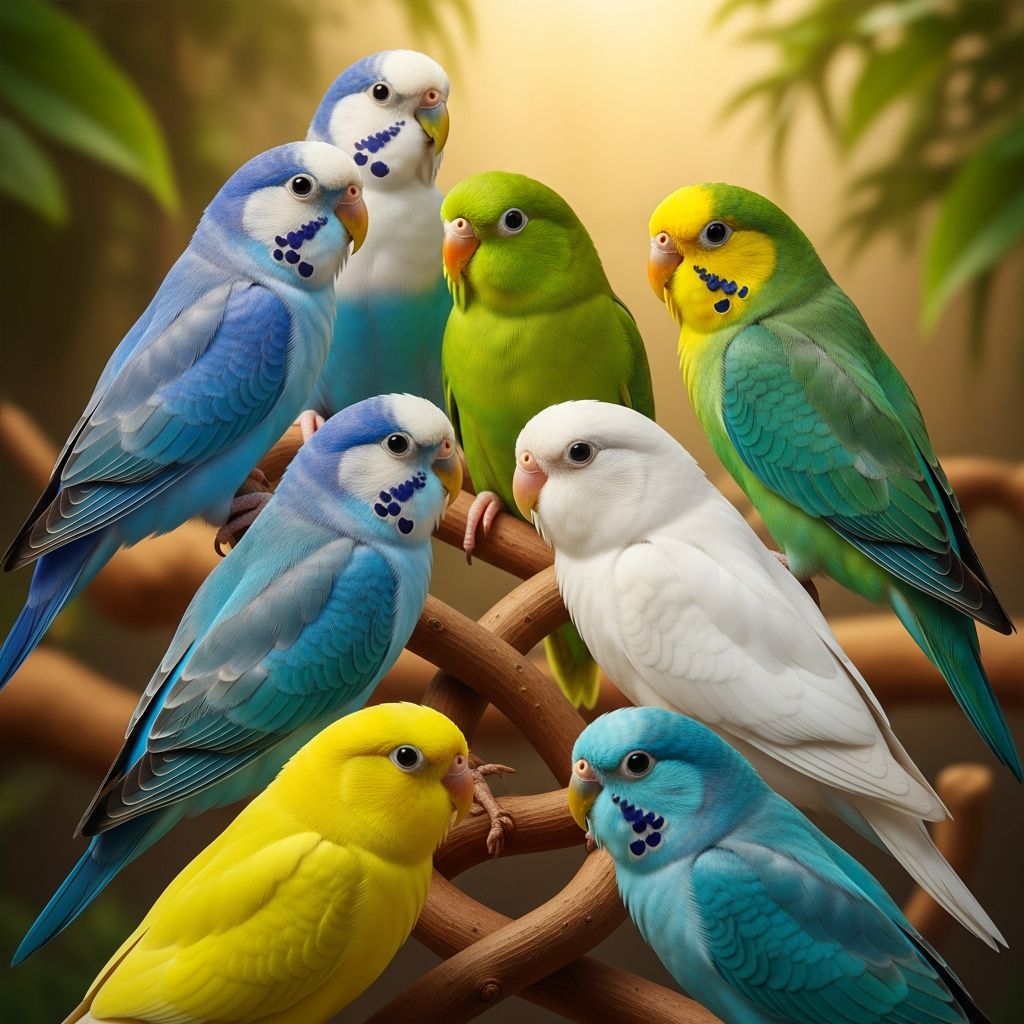
Parrotlets are small, vibrant parrots known for their striking plumage and engaging personalities. One of the most fascinating aspects of parrotlet ownership and breeding is the remarkable diversity of color variations available within the species. These color differences are not random—they result from specific genetic mutations that have been carefully studied and selectively bred by aviculturists for decades. Understanding how these colors are inherited and expressed provides valuable insight into avian genetics and helps potential breeders make informed decisions about breeding programs.
The variety of parrotlet colors available today represents both natural mutations that occurred spontaneously in captive populations and deliberate genetic selection by dedicated breeders. Some color mutations are relatively common, while others remain rare and highly sought after by enthusiasts. By examining the genetic basis of these mutations, we can better appreciate the complexity of bird coloration and the science behind selective breeding practices.
The Fundamentals of Avian Color Genetics
Color inheritance in parrotlets follows predictable patterns based on fundamental genetic principles. The key to understanding parrotlet color mutations lies in comprehending how genes are inherited from parent birds to their offspring. Each parrotlet receives one set of chromosomes from each parent, which together determine the bird’s phenotype—its observable characteristics, including feather color.
Genes controlling color can be classified into three primary categories based on their inheritance patterns: dominant genes, recessive genes, and sex-linked genes. Dominant genes typically overpower recessive genes, meaning that if a bird inherits even a single dominant gene from one parent, that dominant trait will be visually expressed in the offspring. Recessive genes, by contrast, only produce a visible phenotype when the bird inherits copies of the recessive gene from both parents. Sex-linked genes are those associated with the bird’s sex chromosomes and therefore express differently depending on whether the bird is male or female.
Understanding these genetic principles is essential for breeders who wish to produce specific color mutations consistently. By knowing which genes parents carry—whether visible or hidden—breeders can predict with reasonable accuracy what colors their offspring will display. This knowledge transforms color breeding from a hit-or-miss endeavor into a scientifically informed practice.
Recessive Color Mutations in Parrotlets
The majority of parrotlet color mutations are inherited as autosomal recessive traits. This means that for a chick to display the recessive color, it must inherit the specific recessive gene from both parents. A bird that inherits the recessive gene from only one parent will appear normal in coloration but will carry the recessive gene hidden in its genetic makeup—a condition referred to as being “split” for that mutation.
The significance of recessive mutations cannot be overstated in breeding programs. Even though a parrotlet may look phenotypically normal, it could carry genes for blue, yellow, lutino, fallow, or other color mutations. This is why breeders must maintain detailed records of their birds’ lineages and genetic backgrounds. A bird that does not visually display a color mutation may still carry and pass that gene to offspring, making it valuable for breeding purposes.
To produce a recessive color mutation reliably, breeders employ a strategy known as test breeding or line breeding, where birds carrying the recessive gene are paired together. When two split birds—each carrying one recessive gene—are bred together, statistically 25% of their offspring will be homozygous recessive and display the color mutation, 50% will be heterozygous and split for the mutation, and 25% will be homozygous dominant and appear normal.
Common Parrotlet Color Mutations
Several well-established color mutations have become standardized in parrotlet breeding communities. The blue mutation represents one of the most popular and distinctive color variations. Blue parrotlets can range in appearance from light powder blue to vibrant turquoise tones, with males typically retaining darker cobalt coloration compared to females. The blue mutation is characterized as a dark-eyed mutation, meaning affected birds possess dark rather than light eyes.
The turquoise mutation creates a genetically distinct appearance from the pure blue mutation. Rather than displaying a uniform blue coloration, turquoise parrotlets exhibit a combination of blue and green markings, with their faces typically retaining green coloration while their bodies display blue plumage. Like the blue mutation, turquoise birds possess dark eyes, and males characteristically maintain blue markings more prominently than females.
The yellow mutation produces parrotlets with bright yellow coloration rather than the typical green. This mutation exists in multiple forms, including the American yellow variety and the European yellow (sometimes called pastel). These mutations create striking visual contrasts within parrotlet populations and have become increasingly popular among breeders and pet owners seeking distinctive birds.
Additional recognized mutations include the lutino, characterized by pure white or cream plumage with red or pink eye coloration, and the fallow, which produces lighter, diluted versions of standard coloring with distinctive eye characteristics. The albino mutation creates pure white birds with red eyes, representing the most extreme color dilution possible in parrotlets.
The Dark Factor and Multiple Mutations
Beyond single-gene color mutations, parrotlet breeders work with more complex genetic scenarios involving multiple genes. The dark factor represents a particularly interesting genetic modifier that affects how base colors are expressed. Dark factor genetics are not split—meaning a bird either visually carries dark factor or does not—and cannot be hidden in the genetic makeup like recessive mutations.
Single dark factor (DF) mutations produce deeper color variations, such as Dark Green in the green series or Cobalt in the blue series. Double dark factor (DD) birds show even more intense coloration, producing Olive in the green series and Mauve in the blue series. These darker phenotypes result from genetic modifications that intensify pigment deposition in feathers.
Creating specific dark factor mutations requires strategic breeding approaches. Breeders often utilize fallow birds as foundational stock because the fallow gene manipulates color expression in ways that allow breeders to isolate and extract dark factor genes. By carefully selecting and pairing birds, breeders can concentrate dark factor traits across multiple generations, eventually establishing true-breeding lines that consistently produce the desired dark coloration.
When multiple mutations combine in a single bird, the inheritance patterns become more complex but follow predictable Mendelian genetics. A parrotlet carrying genes for both blue and yellow mutations, for example, can pass either mutation to offspring depending on which chromosome carries each gene. Understanding probability and working with Punnett squares becomes essential for breeders aiming to produce birds with specific combined mutations.
Molecular Basis of Parrotlet Coloration
Recent scientific research has revealed fascinating details about the molecular mechanisms underlying parrot coloration. The primary pigments responsible for most parrot colors are psittacofulfins, unique pigments that produce the characteristic reds, yellows, and orange hues in parrot feathers. The genetic control of these pigments involves specific genes, most notably the MuPKS gene, which plays a crucial role in psittacofulvin production.
Blue coloration in parrots, including parrotlets, involves a different mechanism—the absence or modification of psittacofulvin pigmentation combined with structural coloration of feathers. Mutations affecting the MuPKS gene have been identified as responsible for blue phenotypes across multiple parrot species, including lovebirds and budgerigars. The remarkable fact that identical genetic mutations produce blue coloration across different parrot species suggests strong evolutionary constraints on the molecular pathways controlling color expression.
Understanding these molecular mechanisms helps explain why certain color combinations are possible while others are not, and why specific breeding strategies work more effectively than others. The genetic architecture of parrot coloration continues to be refined through ongoing scientific research, providing breeders with deeper insights into their birds’ genetics.
Breeding Strategy and Color Prediction
Successful color breeding requires more than luck—it demands knowledge of genetics combined with strategic planning. Before attempting to breed for a specific color mutation, breeders must first determine whether the mutation they seek is dominant, recessive, or sex-linked. This information fundamentally shapes breeding strategy and probability calculations.
For recessive mutations, breeders typically begin by acquiring birds that are either visually displaying the mutation or that are known to carry the gene. If both parents carry at least one copy of a recessive gene, the probability of producing offspring displaying that mutation can be calculated precisely using Punnett squares or probability tables.
Test breeding serves as an essential tool for determining a bird’s genetic makeup when its ancestry is unknown. By breeding a bird of uncertain genetics to a homozygous recessive individual, breeders can determine whether the test bird carries the recessive gene. If offspring display the mutation, the test bird definitely carries the gene; if no mutant offspring appear after reasonable sample sizes, the test bird likely does not carry it.
Documentation and record-keeping prove absolutely essential in successful breeding programs. Breeders must track which birds are visual, split, or clear for each mutation, along with their breeding results. This information allows for informed pairing decisions and helps prevent accidental inbreeding, which can lead to genetic problems and reduced viability in offspring.
Health Considerations in Color Breeding
While pursuing specific color mutations, responsible breeders remain mindful of potential health implications. Some color mutations can be associated with genetic or physiological challenges. Responsible breeding practices involve not only selecting for desired colors but also ensuring that health, genetic diversity, and overall fitness remain priorities.
Breeders must balance aesthetic goals with genetic health, occasionally stepping back from pursuing specific colors to outcross their lines and maintain genetic vigor. The sustainability of breeding programs depends on maintaining sufficient genetic diversity while still making progress toward color goals.
Spontaneous Mutations and New Colors
While most parrotlet color mutations available today result from selective breeding of existing variations, new mutations occasionally arise spontaneously in captive populations. These rare events occur when random genetic changes produce previously unseen color combinations. When a new mutation appears, alert breeders recognize its potential and begin carefully breeding to stabilize and reproduce the new color.
The discovery and development of new mutations continues to expand the palette of available parrotlet colors. However, spontaneous mutations remain relatively uncommon, making the majority of color breeding an exercise in manipulating existing genetic variation rather than creating entirely novel genotypes.
Frequently Asked Questions
Can two blue parrotlets produce green offspring?
If both parents are visually blue, they possess the same color genotype. Two blue birds paired together will produce only blue offspring (or possibly other color combinations if additional color genes are involved, but not green without special circumstances involving other mutations).
What does it mean when a parrotlet is split for a color?
A split parrotlet carries one copy of a recessive color gene but does not visually display that color. The normal, dominant allele masks the recessive mutation, so the bird appears normal in appearance. However, this bird can pass the hidden recessive gene to offspring.
Are parrotlet color mutations harmful to the birds?
Most standard color mutations do not inherently harm parrotlets. However, some combinations or extreme selections may be associated with minor physiological differences. Responsible breeders prioritize the overall health and genetic fitness of their birds alongside color selection.
How can I determine if my parrotlet carries a hidden color mutation?
Test breeding is the most reliable method. Pair your bird with a bird that is homozygous recessive for the suspected mutation. If your bird carries the recessive gene, approximately 50% of offspring will display the mutation.
What is the rarest parrotlet color?
Rarity depends on breeding efforts and geographic location, but some of the less commonly bred colors include specific dark factor combinations and multiple simultaneous mutations. As breeding interests shift, the rarity of different colors changes over time.
The Future of Parrotlet Color Breeding
As scientific understanding of avian genetics continues to advance, parrotlet breeders have access to increasingly sophisticated tools for understanding their birds’ genetic makeup. DNA analysis and genetic testing may eventually allow breeders to identify a bird’s genetic potential without requiring test breeding, though this technology is not yet widely available for parrotlet color traits specifically.
The continued interest in parrotlet color mutations demonstrates the enduring appeal of these small, colorful parrots. Whether breeders are pursuing established colors or attempting to develop new variations, the combination of scientific knowledge and practical breeding experience continues to expand the remarkable palette of parrotlet colors available to enthusiasts worldwide.
References
- Convergent evolution of parrot plumage coloration — National Center for Biotechnology Information (NCBI), National Institutes of Health. 2024. https://pmc.ncbi.nlm.nih.gov/articles/PMC10962230/
Similar Articles






Read full bio of medha deb