

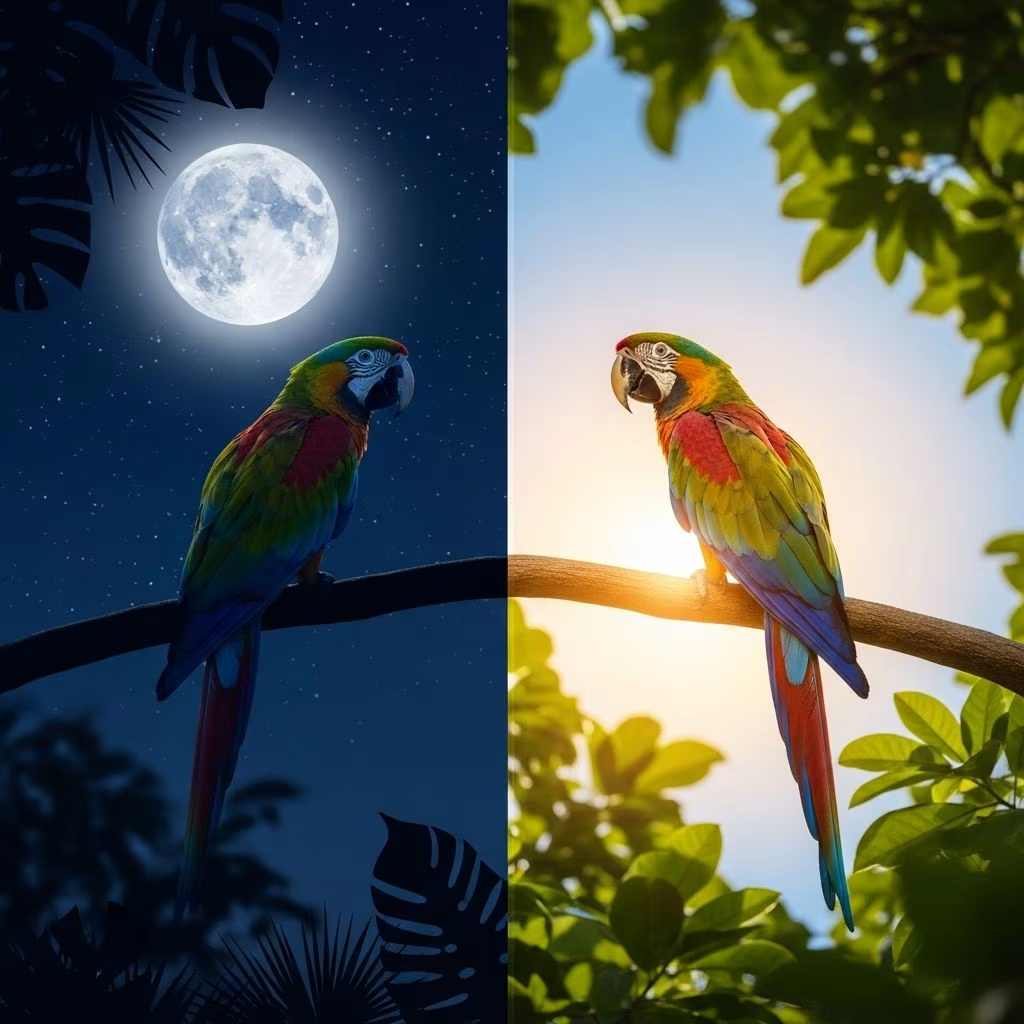
Pet parrots require careful attention to their sleep schedules and light exposure to maintain optimal health, behavior, and psychological well-being. Unlike humans who have adapted to artificial lighting and irregular schedules, parrots retain strong biological connections to natural light cycles that have evolved over millennia. Understanding and properly managing your parrot’s night and day cycle is one of the most important responsibilities of bird ownership, directly impacting everything from temperament to reproductive health.
The Foundation: Basic Sleep Requirements for Parrots
Most pet birds thrive with between 10 and 12 hours of darkness each night. This guideline represents a general standard that works well for the majority of captive parrots, though individual species and even individual birds within species may have slightly different requirements. Some parrot species naturally need a little more than 12 hours of sleep, while others function adequately with less than eight hours, but the 10 to 12 hour range serves as an excellent baseline for most pet parrots.
The scientific foundation for this recommendation stems from the natural habitat of most parrot species. The majority of parrots are tropical or subtropical birds, originating from regions near the equator where daylight and darkness remain relatively balanced year-round. In their wild environments, parrots are naturally awake from sunrise to sunset, which amounts to approximately 12 hours on average, and sleep during the remaining 12 hours of the day. This natural rhythm has been hardwired into their biology through countless generations of evolution.
Research has demonstrated that birds generally sleep about eight hours out of every 24-hour cycle on average, though significant variability exists between different species and even within the same species depending on the season. However, while parrots may roost during the period of darkness, they may not necessarily be sleeping throughout this entire timeframe. Instead, they engage in activities like grooming, resting, and maintaining alertness for potential threats.
Why Parrots Need Consistent Darkness
The provision of consistent, uninterrupted darkness serves multiple critical functions in maintaining parrot health. Darkness is essential for regulating a bird’s circadian rhythm—the internal biological clock that tells them when to sleep and wake. When this natural rhythm is disrupted through excessive light exposure or inconsistent lighting patterns, the consequences extend far beyond simple sleep deprivation.
Light and darkness play powerful regulatory roles in a parrot’s hormone balance. The duration and consistency of darkness directly influence the production of hormones that control mood, behavior, reproduction, and overall well-being. Shorter nights can mimic springtime conditions and trigger breeding behaviors, while longer periods of darkness signal to the body that breeding season is not appropriate, keeping reproductive hormones in check.
Research has revealed a concerning correlation between excessive sleep restriction and behavioral problems. A study conducted in the United Kingdom found that African grey parrots with 12 or more hours of dark, quiet, uninterrupted sleep per night showed significantly higher instances of feather plucking compared to those receiving less than eight hours of sleep. In fact, having 12 or more hours of sleep increased the odds of feather plucking by more than seven times in the study’s multivariable model. This surprising finding suggests that while adequate sleep is important, excessive sleep or extended confinement during sleep hours can contribute to destructive behaviors.
Practical Sleep Scheduling for Working Pet Owners
Many pet bird owners face the challenge of balancing their work schedules with their parrot’s natural sleep requirements. Most people work during the day and return home in the evening, which often conflicts with providing a sunset-to-sunrise sleep schedule. Fortunately, parrots are adaptable and can thrive on alternative schedules that accommodate human lifestyles while still meeting their sleep needs.
Many pet parrots do well on a sunset-to-sunrise sleeping schedule, getting the amount of sleep they need while remaining awake during hours when nature designed them to be active. However, reality dictates that most bird owners are away at work all day and don’t arrive home until 5 or 6 o’clock in the evening, which during much of the year may be after sunset or only shortly before. In these situations, providing late-night play sessions and interaction after you arrive home is perfectly acceptable and doesn’t compromise your parrot’s health, provided you ensure they still receive their required 10 hours of darkness.
The key principle is ensuring your bird receives at least 10 hours of continuous darkness each 24-hour period. For example, if the sun rises at 6:30 a.m., you should not keep your bird awake past 8:30 p.m. the previous evening. If your parrot has already been sleeping for five hours before you arrive home and want to engage in play and interaction, ensure you don’t keep them awake so late that they cannot get the remaining five hours of darkness needed for proper rest. Once late-night play sessions are complete, most parrots have no problem returning to sleep immediately.
Morning Wake-Up and Natural Light Exposure
Unless their bird cages are covered, parrots typically awaken when the sun rises, making morning wake times largely determined by natural light rather than owner preference. You can, however, allow your bird to sleep as long as possible by keeping them in a dark room until you’re ready to interact with them. This approach leverages your bird’s natural instinct to wake with daylight while giving them extended rest if desired.
It’s important to note that birds will ultimately let the last rays of sunset dictate their bedtime, regardless of what our clocks tell us. This means that artificial lighting or efforts to keep birds awake past sunset may be met with resistance from your bird’s natural instincts. The relationship between natural light cycles and a bird’s behavior remains powerful and deeply ingrained in their biology.
Species-Specific and Seasonal Adjustments
While the 10 to 12-hour sleep recommendation serves as an excellent general guideline, not all parrots share identical requirements. Adjustments may be necessary based on your individual bird’s species, natural origin, and behavioral patterns.
Tropical Versus Temperate Region Species
Parrots originating from different geographical regions have evolved different light-cycle requirements. Species from equatorial and tropical regions, such as orange-winged Amazon parrots whose home range is the Amazon rain forest, thrive with consistent 12 hours of light and 12 hours of darkness year-round. Their native habitats maintain relatively balanced day lengths throughout the year.
In contrast, species from more temperate regions of the world have adapted to seasonal variations in day length. Meyer’s parrots, native to southeastern Africa, and Deryban parakeets originating from Tibet experience significant seasonal changes in daylight hours in their native habitats. These species benefit from light and dark cycle adjustments that reflect their natural seasonal patterns. Birds from temperate regions may thrive with 10 hours of light and 14 hours of darkness during winter months, and 14 hours of light and 10 hours of darkness during summer months.
Some dedicated bird owners go so far as to attempt mimicking the precise light-dark cycles of their birds’ specific home ranges, gradually shortening days when transitioning from mid-summer to winter and lengthening days when moving from mid-winter to summer. This level of detailed environmental management may be particularly beneficial for birds from temperate regions but is typically unnecessary for tropical species accustomed to consistent light cycles.
Managing Hormonal Behavior Through Light Cycles
One of the most significant applications of light cycle management involves controlling reproductive hormones and associated behavioral challenges. Consistency with darkness is crucial for managing hormonal levels, as irregular light patterns can lead to hormonal surges that cause loud vocalizations, feather plucking, or inappropriate egg-laying.
Day length influences the production of reproductive hormones in parrots, with predictable patterns across different species groups. New World parrots like Amazons, macaws, and Pionus species often display hormonal behavior in spring as days lengthen. Conversely, many African greys and cockatoos display reproductive behavior as the days grow shorter in fall. Understanding your species’ natural breeding season can help you anticipate and manage hormonal changes.
If you’re managing a pair of parrots and wish to discourage breeding activity, maintaining longer periods of darkness is essential. You will probably need to use room darkening blinds and cage covers to artificially bring on nighttime earlier for these birds. This temporary modification creates an environment that signals to the birds’ bodies that breeding season is not appropriate, suppressing hormonal surges and associated behavioral problems. Once the hormonally-related behavior has stopped—which may take several weeks or longer—you can gradually start lengthening the days back to normal for your bird species.
Conversely, if you wish to stimulate reproductive activity in a breeding pair, you can gradually increase day length from 10 hours daily to about 16 hours daily. This manipulation of light cycles signals breeding season to the birds’ bodies and encourages reproductive hormone production and associated behaviors.
The Impact of Day Length on Bird Biology
Beyond immediate sleep requirements, day length exerts profound effects on parrot physiology and behavior that extend throughout the entire 24-hour cycle. While the precise physiological mechanisms of day length effects on sleep, behavior, and biological rhythms are not completely understood, observations of captive parrots demonstrate that indoor birds maintain a very real relationship with outdoor conditions and seasonal changes.
It stands to reason that day length significantly impacts captive parrots, even when they spend most of their time indoors. Birds exposed to consistent artificial lighting that ignores natural seasonal changes may experience disrupted circadian rhythms and hormonal imbalances year-round. Too much blue light at night, in particular, can upset a parrot’s natural rhythms and lead to health issues.
The impact of inconsistent day length goes beyond behavioral concerns. Circadian rhythm disruption can mess with hormone balance affecting behavior, mood, and overall well-being. Long-term exposure to inappropriate light cycles may contribute to chronic stress, immune system suppression, and increased susceptibility to disease.
Creating an Optimal Sleep Environment
Beyond managing light cycles and duration, the quality of your parrot’s sleep environment matters significantly. A proper sleep setup should include:
Complete Darkness: Use cage covers or keep your bird in a room where outside light cannot penetrate. This prevents disruption from household lights, television screens, or outdoor light sources.
Quiet Conditions: Minimize noise during sleep hours to allow for undisturbed rest. Loud sounds can trigger alertness and disrupt sleep quality.
Appropriate Temperature: Maintain a comfortable room temperature, as temperature extremes can interfere with sleep quality.
Safe Sleep Location: Position the sleep cage in a location where your bird feels secure and safe from perceived threats or household disturbances.
Frequently Asked Questions
Q: My parrot wakes up very early and disturbs my sleep. Can I train them to sleep later?
A: Yes, if your parrot wakes you up early in the morning, you can teach your bird to sleep in later with positive reinforcement and by keeping their sleeping area completely dark until the time you want them to wake. Once you reach your desired wake time, you can expose them to light and provide rewards for remaining calm.
Q: What if my parrot gets too much sleep and starts plucking feathers?
A: Excessive sleep (12 or more hours of continuous darkness) may increase feather plucking behaviors in some species, particularly African greys. Consider reducing the duration of uninterrupted darkness and providing more social interaction and mental stimulation during waking hours.
Q: Do I need to adjust my parrot’s light cycle for daylight saving time?
A: Your parrot will naturally adjust based on the sun’s actual position in the sky rather than clock time. Parrots let the actual sunset dictate their bedtime, not our clocks, so they will gradually adapt to time changes on their own.
Q: Can I use regular household lights for my parrot’s daytime lighting?
A: While regular household lighting provides some light exposure, full-spectrum lighting that mimics natural sunlight is ideal for optimal vitamin D synthesis and circadian rhythm regulation. However, the most important factor is ensuring complete darkness during sleep hours.
Q: My parrot is from a temperate region but I live in the tropics. How should I adjust their light cycle?
A: Even though you live in a tropical climate, you can still provide seasonal light cycle adjustments for temperate-origin species by using artificial lighting and timers. Gradually increase and decrease light duration to mimic the natural seasons of their native habitat.
Q: How long does it take for behavioral problems to improve after fixing sleep schedules?
A: Behavioral improvements from corrected light cycles may take several weeks to several months to become apparent. Hormonal-related behaviors in particular may take weeks or longer to curtail after implementing consistent darkness.
Conclusion
Your parrot’s night and day cycle represents far more than a simple sleep schedule—it’s a foundational aspect of their physical health, psychological well-being, and behavioral stability. By providing 10 to 12 hours of consistent darkness nightly, considering your bird’s species-specific requirements, and making seasonal adjustments when appropriate, you create an environment that supports optimal hormone balance, prevents behavioral problems, and promotes long-term health. The investment in understanding and properly managing your parrot’s light cycles pays dividends in the form of a happier, healthier, better-behaved companion.
References
- The Real Truth: Sleep Needs in Parrots — Pamela Clark, CPBC. 2018-05-21. https://pamelaclarkonline.com/2018/05/21/the-real-truth-sleep-needs-in-parrots/
- What You Need To Know About A Parrot’s Night And Day Cycle — Chewy Education. https://www.chewy.com/education/bird/parrot/what-you-need-to-know-about-a-parrots-night-and-day-cycle
- Bird Sleep 101: Build a Better Sleep Routine for Your Parrot — Bird Supplies. https://birdsupplies.com/blogs/news/144558343-bird-sleep-101-build-a-better-sleep-routine-for-your-parrot
- Are Parrots Affected By Daylight Savings Time Clock Changes? — Bird Tricks. https://birdtricksstore.com/blogs/birdtricks-blog/are-parrots-affected-by-daylight-savings-time-clock-changes
- Training Your Parrot to Sleep Past the Crack of Dawn — Avian Behavior Institute. https://avian-behavior.org/parrots-screaming-early-morning/
- Why A Routine Helps The Flock And The Caregiver — Lafeber Pet Birds. https://lafeber.com/pet-birds/why-a-routine-helps-the-flock-the-caregiver/



