Parrot Garden: Birds in Paradise
Discover how rescued parrots find healing and happiness at Best Friends Animal Sanctuary's Parrot Garden.
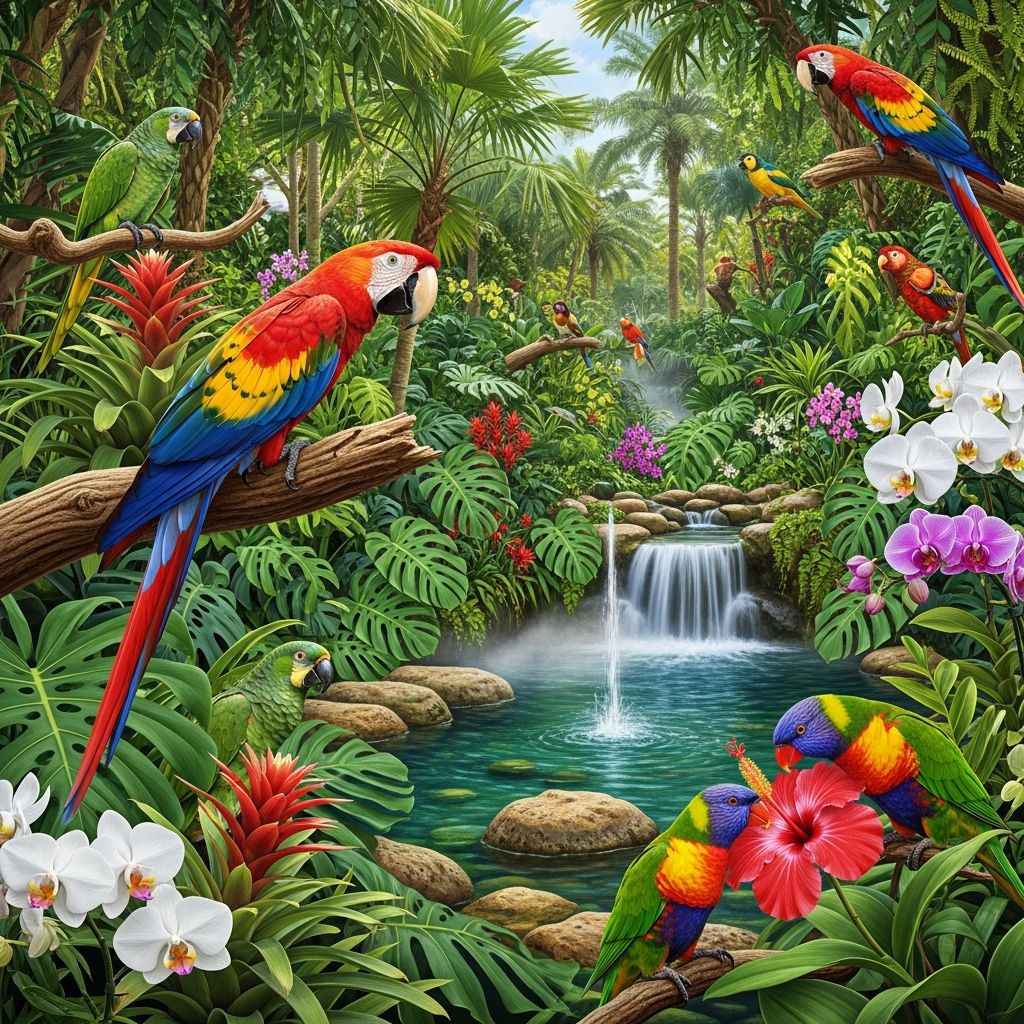
Welcome to Parrot Garden, the one place at Best Friends Animal Sanctuary where you can talk to an animal and someone will actually answer back — in English! Nestled within the sanctuary’s expansive grounds, Parrot Garden serves as a tropical oasis for some of the most remarkable residents at the facility. This specialized area has become a beacon of hope for rescued parrots, offering them a second chance at life after enduring multiple homes, neglect, and difficult circumstances.
The Parrot Garden represents a unique intersection of compassion, expertise, and dedication to avian welfare. Unlike other areas of the sanctuary, the birds here don’t just respond to care — they communicate, interact, and build meaningful relationships with their caregivers and visitors. This fundamental characteristic makes Parrot Garden a distinctly special place within the broader Best Friends community.
Understanding the Parrot Journey
Parrots are among the most long-lived animals in human care, with many species living up to 100 years or even longer. This extraordinary lifespan creates a unique challenge in the world of animal rescue and rehabilitation. Unlike dogs or cats that might have three or four homes throughout their lives, parrots are likely to experience multiple relocations simply due to the extended nature of their existence.
Many parrots arrive at Parrot Garden after spending years in inadequate conditions. Some have been passed from home to home as their owners discovered that keeping a parrot requires far more commitment than initially anticipated. Others have endured neglect, improper nutrition, lack of veterinary care, or insufficient social and mental stimulation. By the time these birds reach Parrot Garden, many have developed behavioral issues, health problems, or emotional trauma that requires patient, expert intervention.
At Parrot Garden, the staff recognizes that rescue isn’t just about providing basic shelter and food — it’s about comprehensive healing. The environment is specifically designed to help parrots recover physically, emotionally, and psychologically from their past experiences.
A Tropical Haven for Healing
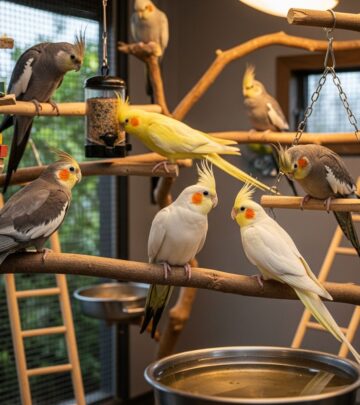
Upon entering Parrot Garden, visitors immediately notice the light-filled tropical environment that characterizes this sanctuary space. This isn’t merely aesthetic design — it’s therapeutic architecture created specifically for avian wellbeing. The abundance of natural light mimics the outdoor environments that parrots evolved in, supporting their circadian rhythms and overall health.
The tropical setting includes carefully curated vegetation, climbing structures, and naturalistic elements that encourage the birds to express their instinctive behaviors. Parrots are highly intelligent, social creatures that require constant mental engagement and physical activity. The garden’s design acknowledges these needs and provides an environment where birds can forage, climb, explore, and interact both with their surroundings and with each other.
Comprehensive Care and Support
Parrot Garden residents receive a holistic care program that addresses every aspect of their wellbeing:
Nutritious Meals and Proper Diet
Nutrition forms the foundation of good health for rescued parrots. Many birds arrive with dietary deficiencies or improper feeding habits developed over years in substandard care. The Parrot Garden staff provides carefully balanced, species-appropriate diets that include fresh fruits, vegetables, nuts, seeds, and specialized pellets formulated for optimal avian nutrition. During happy hour, parrots even get to choose their treats, combining nutrition with enrichment.
Top-Notch Veterinary Care
Expert veterinary care is essential for parrots with complex health histories. The sanctuary employs or contracts with avian veterinarians who understand the specific medical needs of parrots. Regular health assessments, preventive care, treatment of existing conditions, and ongoing monitoring ensure that every bird receives the medical attention necessary for recovery and wellness.
Mental and Social Stimulation
Perhaps the most critical component of parrot care is mental enrichment. Parrots are cognitive beings with intelligence comparable to young primates. Without adequate mental stimulation, they become bored, anxious, and develop behavioral problems. Parrot Garden caregivers provide ongoing enrichment through puzzle feeders, interactive play, training, socialization, and varied environmental experiences. These activities keep the birds mentally engaged and contribute significantly to their psychological recovery.
Individual Attention and Companionship
Each parrot at Parrot Garden receives dedicated attention from trained caregivers. This personal interaction builds trust, facilitates communication, and helps birds recover from past trauma. Many parrots that arrive withdrawn or aggressive gradually become friendly, engaged, and social as they experience consistent, patient care from people they learn to trust.
Happy Hour: Empowerment Through Choice
One of the most distinctive programs at Parrot Garden is Happy Hour, a daily ritual that exemplifies the sanctuary’s philosophy of parrot-centered care. Every afternoon, caregivers walk through the garden with two treat options for each bird. The birds are then allowed to choose which treat they prefer — whether it’s Nutri-Berries, birdie cookies, fresh fruits, nuts, or other healthy options that rotate to keep the experience fresh and interesting.
While this might seem like a simple gesture, it represents something profound for rescued parrots. In the wild, parrots make countless decisions every day — where to forage, what to eat, where to rest, with whom to interact. In captivity, many of these choices are made for them. Happy Hour restores agency and autonomy to the birds, giving them meaningful control over at least one aspect of their daily lives.
Research into parrot behavior and wellbeing demonstrates that choice and control are essential for psychological health. The ability to make decisions, even small ones, reduces stress, increases cognitive engagement, and contributes to overall happiness. By implementing Happy Hour, Parrot Garden provides something that transcends simple food enrichment — it offers empowerment and respect.
Seasonal Enrichment and Outdoor Time
Beyond the tropical garden environment, Parrot Garden residents enjoy seasonal outdoor experiences that connect them to natural environments. During warmer months, parrots spend time in the sunshine engaging in behaviors like sunbathing and bathing, which are essential for feather health, skin condition, and psychological wellbeing. These outdoor experiences provide sensory enrichment, exposure to natural light cycles, and the opportunity to experience weather and environmental changes that are impossible to replicate indoors.
Water play is another important enrichment activity. Parrots naturally enjoy bathing in the wild, and providing opportunities for splashing, swimming, and water interaction contributes to their physical and mental health. Many parrots at Parrot Garden have learned to anticipate and enjoy their water experiences, which become highlights of their day.
Communication and Connection
What truly sets Parrot Garden apart is the extraordinary level of communication between birds and humans. Parrots are among the few animals with whom we can have genuine two-way conversations. Many parrots at the sanctuary have vocabularies and express themselves in ways that astonish visitors and caregivers alike.
This communicative ability makes parrots uniquely positioned to share their experiences and preferences. Unlike many animals that must be interpreted through body language and behavior alone, parrots can literally tell us what they want, how they feel, and what they need. This direct communication strengthens the bond between birds and caregivers and enables more responsive, personalized care.
Recovery and Transformation
The transformation of parrots at Parrot Garden is remarkable to witness. Birds that arrive frightened, aggressive, or withdrawn gradually bloom into social, engaged, and joyful individuals. Behavioral problems often resolve as parrots feel secure, receive proper care, and develop positive relationships with caregivers. Physical health improves through good nutrition and veterinary attention. Most importantly, parrots regain their zest for life and rediscover the joy of being a parrot.
Some birds eventually become ambassadors for their species, helping educate visitors about parrot care and the importance of animal welfare. Others find permanent homes through adoption with carefully vetted families prepared for the long-term commitment that parrot ownership entails. Regardless of their final outcome, every bird that passes through Parrot Garden experiences the healing power of comprehensive, compassionate care.
Getting Involved: Ways to Support Parrot Garden
Best Friends Animal Sanctuary invites the community to participate in supporting Parrot Garden and its residents through multiple avenues:
Adoption
For those prepared for the commitment, adopting a parrot from Parrot Garden offers a rescued bird a forever home and a family a remarkable companion. The adoption process includes counseling to ensure good matches between birds and families.
Sponsorship
Individuals can sponsor specific parrots, providing financial support for their ongoing care while building a special connection with their sponsored bird.
Volunteering
Volunteers play a vital role in Parrot Garden operations. Approximately 100 parrots reside in the garden, ranging from parakeets and cockatiels to larger macaws and African Greys. Volunteers assist with daily care, provide companionship, help with feeding and enrichment activities, and support various sanctuary programs. The sanctuary welcomes volunteers of varying abilities, including those with disabilities, and offers flexible scheduling options.
Donations
Financial contributions support veterinary care, proper nutrition, enrichment supplies, facility maintenance, and staff expertise that makes comprehensive parrot care possible.
Community Connection
Best Friends maintains a Parrot Garden Facebook group where community members can stay informed about resident birds, learn about parrot care, and share in the joy of the sanctuary’s work.
The Broader Mission
Parrot Garden represents one component of Best Friends Animal Sanctuary’s larger mission. As a leading animal welfare organization founded in 1984, Best Friends operates the nation’s largest no-kill animal sanctuary and runs lifesaving programs across the country. The organization’s vision is to end the killing of dogs and cats in America’s shelters by 2025 through collaborative efforts with shelter partners and community members nationwide.
The expertise, compassion, and operational excellence demonstrated in Parrot Garden exemplify Best Friends’ broader commitment to providing quality care for all animals in need, regardless of species.
Frequently Asked Questions About Parrot Garden
Q: How many parrots live at Parrot Garden?
A: Approximately 100 parrots reside at Parrot Garden, including various species such as parakeets, cockatiels, macaws, African Greys, and other parrot species.
Q: What types of parrots does Parrot Garden house?
A: The garden is home to diverse parrot species ranging from small parakeets and cockatiels to larger species like macaws and African Greys, each with unique care requirements and personalities.
Q: How long do parrots typically live?
A: Many parrot species live 50-100 years or longer, making them lifelong companions that require extraordinary long-term commitment from their owners.
Q: Can I volunteer at Parrot Garden?
A: Yes, volunteers are welcome at Parrot Garden to help with daily care, enrichment, and companionship activities. The sanctuary offers flexible scheduling and welcomes volunteers with varying abilities and disabilities.
Q: Can I adopt a parrot from Parrot Garden?
A: Yes, many parrots at Parrot Garden are available for adoption to qualified families prepared for the lifelong commitment and specialized care that parrots require.
Q: What is Happy Hour at Parrot Garden?
A: Happy Hour is a daily enrichment program where parrots are offered choices of healthy treats and get to select their preferred option, providing them with autonomy and decision-making opportunities.
Q: What should I know before adopting a parrot?
A: Parrot ownership requires significant commitment including proper diet, veterinary care, daily social interaction, mental enrichment, and the recognition that your bird will likely be a lifelong companion requiring decades of dedicated care.
Q: How can I support Parrot Garden if I cannot volunteer or adopt?
A: You can support Parrot Garden through donations, bird sponsorships, or by joining the Parrot Garden community on social media to stay connected and raise awareness about parrot welfare.
References
- Parrot Garden: Birds in Paradise — Best Friends Animal Society. 2025. https://bestfriends.org/sanctuary/about-sanctuary/animal-areas/parrot-garden
- Welcome to Parrot Garden at Best Friends Animal Sanctuary — Best Friends Animal Society. May 20, 2022. https://www.youtube.com/watch?v=kFGTJeRnG0c
- Happy Hour Gives Parrots a Taste of the Wild — Best Friends Animal Society. 2025. https://bestfriends.org/stories/videos/happy-hour-gives-parrots-taste-wild
- Volunteer at Parrot Garden — Best Friends Animal Society. 2025. https://bestfriends.org/sanctuary/volunteer/parrot-garden
- Rescued Parrots Find Joy in the Great Outdoors — Best Friends Animal Society. 2025. https://bestfriends.org/stories/videos/rescued-parrots-find-joy-great-outdoors
- Parrot Intelligence and Communication Research — Comparative cognition studies demonstrate parrot cognitive abilities. Various academic institutions and wildlife organizations. 2020-2025. https://www.sciencedirect.com/science/article/pii/S0168159119318793
Similar Articles




Read full bio of medha deb