

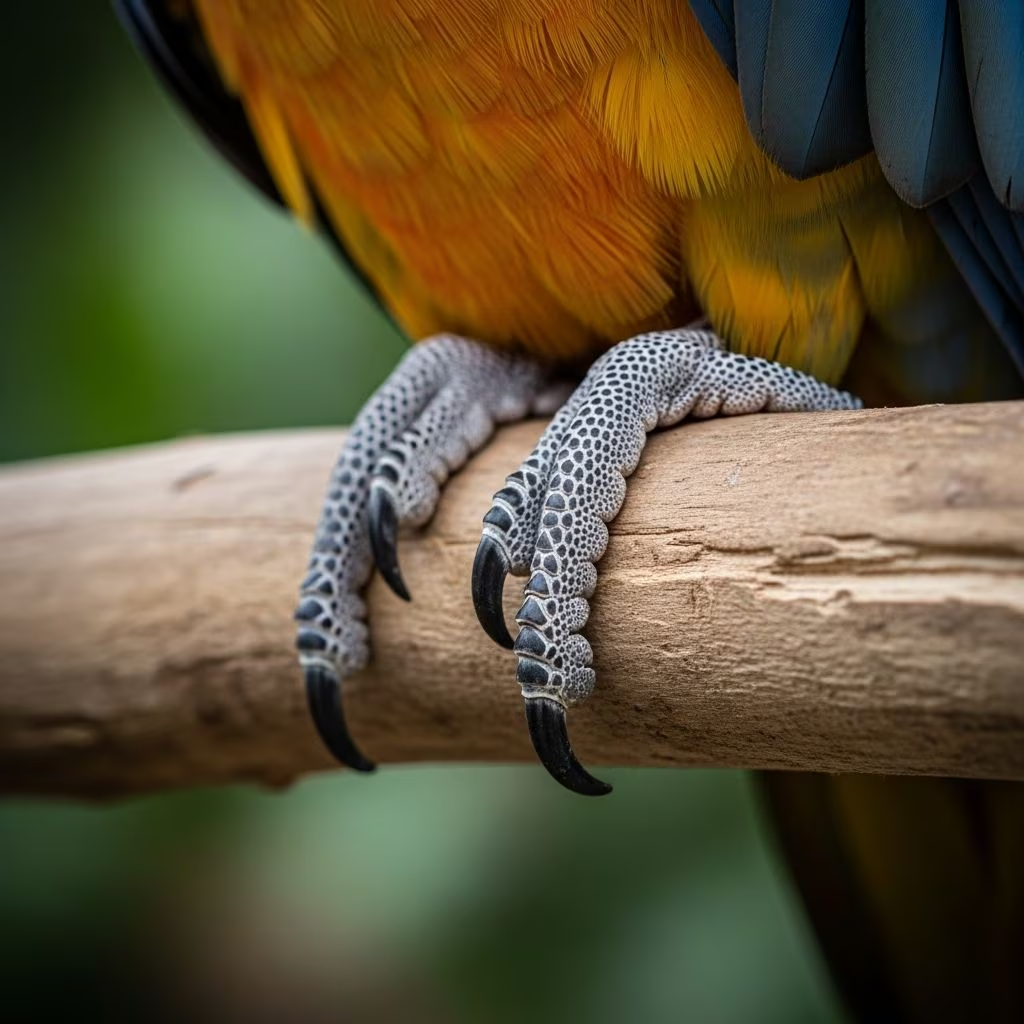
What You Need to Know About Parrot Feet
Parrot feet are remarkable structures that play a crucial role in their daily lives. From climbing and perching to manipulating food and maintaining balance, your parrot’s feet are constantly at work. Understanding the anatomy, function, and health needs of parrot feet is essential for every bird owner. This comprehensive guide will help you learn everything you need to know about keeping your feathered companion’s feet healthy and functional.
The Unique Anatomy of Parrot Feet
Parrot feet possess a distinctive structure that sets them apart from most other bird species. The anatomy of parrot feet is specifically adapted for their unique lifestyle and behavioral needs. Let’s explore the key components that make parrot feet so special.
Toe Arrangement: Zygodactyl Feet
One of the most defining characteristics of parrot feet is their zygodactyl arrangement, which means parrots have two toes pointing forward and two toes pointing backward. This toe configuration is shared with woodpeckers, toucans, and cuckoos, among other bird species. In this arrangement, toes two and three point forward, while toes one and four point backward. This unique setup is fundamentally different from the more common anisodactyl arrangement found in most perching birds, where three toes face forward and one points backward.
The zygodactyl foot design provides parrots with exceptional climbing and grasping abilities. This toe arrangement allows parrots to maintain a secure grip on branches, perches, and other surfaces. The backward-facing toes provide crucial support and stability, while the forward-facing toes offer additional grasping power. This combination makes parrots incredibly adept climbers and allows them to navigate their environment with remarkable agility.
Bone Structure and Phalanges
Understanding the bone structure of parrot feet helps explain why they function so effectively. Parrot feet contain multiple bones arranged in a specific pattern. The toe segments, called phalanges, vary in number depending on which digit they belong to. The first digit (also known as the hallux or big toe) contains two phalanges, the second digit has three phalanges, the third digit has four phalanges, and the fourth digit has five phalanges. This graduated increase in phalange number provides flexibility and strength throughout the foot.
Each digit terminates in a claw or nail, which serves as the ultimate gripping tool. These claws are composed of a protective keratin sheath that covers the bone underneath. All of the digits have underlying bone structure that provides the necessary support for the bird’s weight and movement.
Skin and Soft Tissue
The outer layer of a parrot’s foot includes specialized skin composed of the epidermis and underlying dermis. This skin covers the complex network of tendons and bones that make up the foot structure. Additionally, parrots have a metatarsal pad, which functions similarly to the palm of a human hand. This padded area helps distribute pressure and provides cushioning during perching and climbing activities. The combination of skin, tissue, and padding creates a sophisticated structure that balances sensitivity with durability.
Why Parrot Feet Matter: Function and Behavior
Parrot feet are not simply structural features—they are integral to how parrots interact with their environment and perform essential daily activities. Understanding why parrot feet are so important can help you appreciate the complexity of your bird’s anatomy.
Climbing and Perching
The primary function of parrot feet is to enable climbing and secure perching. Parrots are arboreal creatures, and in the wild, they spend much of their time navigating through trees and branches. The zygodactyl arrangement provides superior grip strength and stability that allows parrots to maintain their position on various surfaces. Whether your parrot is gripping a branch, a rope toy, or a wooden perch, the two-forward, two-backward toe configuration ensures a secure hold.
Food Manipulation
One of the most distinctive behaviors of parrots is their ability to hold food with their feet while eating. Using their feet to manipulate food is an essential part of parrot feeding behavior. The zygodactyl foot allows parrots to grasp and hold nuts, seeds, fruits, and other food items with remarkable dexterity. This ability to hold food while eating is similar to how humans use their hands, and it demonstrates the sophisticated motor control that parrot feet provide.
Balance and Movement
Parrot feet play a critical role in maintaining balance during various activities. Whether your parrot is walking along a perch, climbing, or flying, the feet provide essential stability and proprioceptive feedback. The backward-facing toes help distribute weight evenly and prevent the bird from slipping or losing its grip during movement.
Common Parrot Foot Problems and Health Issues
Despite their hardy design, parrot feet can develop various health problems. Being aware of common foot issues allows you to identify problems early and seek veterinary care when necessary.
Bumblefoot (Plantar Dermatitis)
Bumblefoot is one of the most common foot problems in captive parrots. This condition, also called plantar dermatitis, develops as an infection or inflammation of the foot. Common causes include:
– Rough or improper perch surfaces- Poor cage hygiene- Obesity and reduced activity- Nutritional deficiencies- Lack of varied perch textures and diameters
Signs of bumblefoot include swelling, redness, discharge, limping, or reluctance to perch. If left untreated, bumblefoot can become severe and may require aggressive veterinary intervention.
Arthritis and Joint Problems
As parrots age, they may develop arthritis or other joint-related conditions in their feet and legs. These degenerative conditions can affect mobility and comfort. Signs include difficulty perching, reduced climbing activity, or reluctance to use one foot.
Dry Skin and Scaling
Dry, flaky skin on the feet and legs can indicate environmental humidity issues or nutritional problems. Parrots require appropriate humidity levels to maintain healthy skin. Low humidity in indoor environments can lead to excessive dryness and scaling.
Wounds and Injuries
Parrot feet can sustain injuries from sharp objects, entanglement, or accidents. Any open wound or injury should be evaluated by a veterinarian to prevent infection. Even small wounds can become serious if they become infected.
Nutritional Deficiencies
Poor nutrition can manifest in foot and leg problems. A diet lacking essential vitamins, minerals, and amino acids can weaken the feet and increase susceptibility to infection and disease.
Foot Care Essentials for Parrot Owners
Proper foot care is fundamental to maintaining your parrot’s overall health and wellbeing. Here are essential practices for keeping your bird’s feet in optimal condition:
Perch Selection and Variety
Providing diverse perch options is one of the most important aspects of foot care. Different perch diameters and textures help prevent pressure sores and bumblefoot. Consider including:
– Natural branches of varying diameters- Rope perches- Wood perches- Concrete or textured perches for nail maintenance
Avoid using sandpaper perches, which can cause irritation and damage to delicate foot tissue.
Cage Cleanliness
Regular cage cleaning is essential for preventing bacterial and fungal infections. Poor hygiene creates an environment where pathogens thrive, increasing the risk of foot problems. Clean cage floors and perches regularly, and replace wet or soiled bedding promptly.
Nail Maintenance
Regular nail trimming is important for foot health and comfort. Overgrown nails can curl and cause pain or prevent proper perching. Additionally, long nails can catch on materials in the cage, leading to injury. Work with your avian veterinarian to establish an appropriate nail trimming schedule for your bird.
Humidity Control
Maintaining appropriate humidity levels in your parrot’s environment helps prevent dry skin and associated problems. Most parrots benefit from humidity levels between 50-70%. You can increase humidity by:
– Using a room humidifier- Providing water bowls for bathing- Misting your bird with water- Using humidity-generating plants
Nutrition and Diet
A balanced, nutritious diet is fundamental to healthy feet and overall wellbeing. Ensure your parrot receives:
– High-quality pellets as a diet base- Fresh fruits and vegetables daily- Healthy nuts and seeds in appropriate quantities- Adequate proteins and amino acids- Essential vitamins and minerals
Consult with your avian veterinarian to ensure your bird’s diet meets all nutritional requirements.
Regular Exercise and Activity
Physical activity helps maintain muscle tone and circulation in the feet and legs. Encourage your parrot to climb, swing, and move throughout the day. Obesity is a risk factor for many foot problems, so regular exercise is crucial for maintaining a healthy weight.
Veterinary Check-ups
Schedule regular check-ups with an avian veterinarian who can assess your parrot’s foot health. Early detection of problems allows for prompt treatment and prevents complications.
Environmental Factors Affecting Foot Health
Several environmental factors influence the health and condition of your parrot’s feet. Creating an optimal living environment is essential for preventing foot problems.
| Environmental Factor | Ideal Range/Condition | Impact on Foot Health |
|---|---|---|
| Temperature | 65-75°F (18-24°C) | Extreme temperatures affect circulation and increase stress |
| Humidity | 50-70% | Low humidity causes dry skin; high humidity promotes fungal growth |
| Cage Size | Larger is better; minimum species-specific dimensions | Adequate space allows exercise and reduces pressure sores |
| Lighting | 12-14 hours natural/full-spectrum daily | Proper lighting supports calcium absorption and overall health |
| Perch Texture | Varied, natural textures | Varied textures prevent pressure points and promote circulation |
Signs Your Parrot May Have Foot Problems
Being able to recognize signs of foot problems allows you to seek treatment promptly. Watch for these warning signs:
– Limping or favoring one foot- Reluctance to perch or climb- Swelling or redness on the feet or legs- Discharge, bleeding, or open sores- Excessive preening or picking at the feet- Overgrown or discolored nails- Difficulty maintaining balance- Lethargy or behavioral changes
If you notice any of these signs, contact your avian veterinarian for evaluation.
When to Seek Veterinary Care
Certain situations require immediate veterinary attention. Seek professional help if your parrot experiences:
– Open wounds or bleeding from the feet- Sudden inability to perch- Severe swelling or discoloration- Signs of infection such as pus or foul odor- Behavioral changes accompanied by limping- Any injury that doesn’t improve within 24 hours
Prompt veterinary care can prevent minor issues from becoming serious problems.
Frequently Asked Questions About Parrot Feet
Q: Why do parrots have two toes forward and two backward?
A: This zygodactyl arrangement provides parrots with superior grip strength and climbing ability. The two-forward, two-backward configuration allows them to securely grasp branches and manipulate objects with exceptional dexterity and control.
Q: How often should I trim my parrot’s nails?
A: This depends on individual bird factors and perch types. Some parrots require nail trims every 4-6 weeks, while others may need them less frequently. Consult with your avian veterinarian to establish the appropriate schedule for your bird.
Q: What’s the best type of perch for my parrot?
A: The best perches are natural branches of varying diameters that mimic what parrots encounter in the wild. Providing multiple perch types—including rope, wood, and textured concrete perches—helps prevent foot problems.
Q: How can I prevent bumblefoot in my parrot?
A: Prevent bumblefoot by providing varied perches, maintaining excellent cage hygiene, ensuring proper nutrition, maintaining appropriate humidity, and providing regular exercise and activity.
Q: What humidity level is best for parrots?
A: Most parrots thrive with humidity levels between 50-70%. This range helps prevent dry skin and respiratory issues while avoiding excessive moisture that could promote fungal growth.
Q: Is it normal for parrots to use their feet to eat?
A: Yes, it’s completely normal and natural behavior. Parrots use their feet to hold food while eating, demonstrating their sophisticated motor control and mimicking behavior they would display in the wild.
Q: Can parrot foot problems be prevented?
A: Many parrot foot problems can be prevented through proper husbandry, including appropriate perches, regular cage cleaning, good nutrition, adequate exercise, and maintaining proper environmental conditions.
Q: What should I do if I notice my parrot limping?
A: If your parrot is limping, contact your avian veterinarian promptly. Limping can indicate pain, injury, or infection that requires professional evaluation and treatment.
References
- Parrot Feet — Lafeber Co. Accessed November 28, 2025. https://lafeber.com/pet-birds/parrot-feet/
- Bird Feet and Legs — Wikipedia. Accessed November 28, 2025. https://en.wikipedia.org/wiki/Bird_feet_and_legs
- Anatomy of Parrots — PETVous. Accessed November 28, 2025. https://www.petvous.com/post/anatomy-of-parrots



