Parrot Enrichment with Bird-Safe Flowers and Herbs
Discover how bird-safe flowers and herbs enhance parrot wellness and mental stimulation.
Parrots are among the most intelligent creatures in the animal kingdom, with cognitive abilities comparable to young children. Research has demonstrated that Congo African greys possess intelligence levels equivalent to two- to five-year-old children, complete with impressive vocabularies and the ability to use words contextually. This exceptional intelligence means that captive parrots require more than basic food and shelter—they need consistent mental stimulation and environmental enrichment to thrive. One of the most effective and rewarding ways to provide this enrichment is through the introduction of bird-safe flowers and herbs into their living spaces.
The Parrot Garden at the Best Friends Animal Sanctuary discovered this enrichment opportunity when their care team decided to transform their outdoor enclosures into thriving botanical gardens. By strategically planting bird-safe flowers and herbs throughout the parrots’ outdoor spaces, the caregivers created an environment that not only beautified the sanctuary but also provided natural foraging opportunities, mental stimulation, and behavioral enrichment that kept their feathered residents engaged and entertained.
Bird-Safe Flowers and Herbs in Outdoor Parrot Enclosures
Creating a safe and enriching garden environment for parrots requires careful planning and knowledge of which plants are truly non-toxic to birds. The Parrot Garden staff, under the guidance of manager Jacque Johnson, embarked on a mission to plant bird-safe flowers and herbs in the bottom sections of each outdoor enclosure. All plants were sourced from specialized growers who provided seeds and starter plants that had not been treated with pesticides, fungicides, or other harmful chemicals—a critical consideration when growing plants specifically for avian consumption.
The selection of appropriate plants is essential because parrots are naturally curious foragers who will investigate, nibble, and potentially consume any vegetation within their reach. Unlike humans, birds have delicate digestive systems that are easily upset by even small quantities of toxic substances. Therefore, sourcing untreated plants from reputable suppliers ensures that enrichment activities remain safe and beneficial rather than potentially harmful.
A Garden for the Parrots: Creating Natural Enrichment
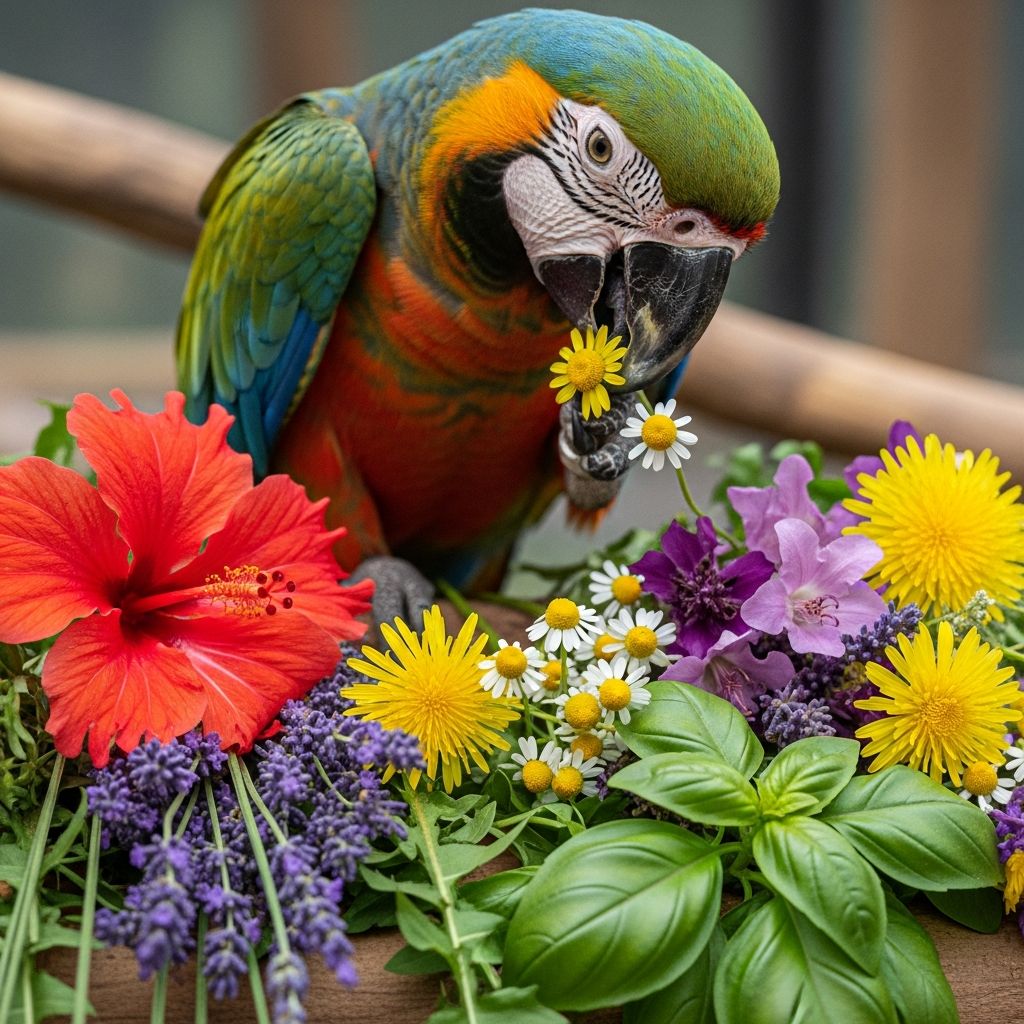
The initial planting at the Parrot Garden featured a carefully selected array of bird-safe species designed to appeal to the parrots’ natural instincts and dietary preferences. The selection included nasturtiums, daisies, Thai basil, and marigolds—each chosen not only for their safety but also for their nutritional value and the behavioral opportunities they provided. These colorful additions transformed the Parrot Garden into a vibrant horticultural landscape that immediately captured the parrots’ attention.
The response from the avian residents was immediate and enthusiastic. The parrots engaged in natural foraging behaviors, hiding among the plants, playing with the foliage, and sampling the flowers and leaves. This type of naturalistic enrichment addresses multiple enrichment needs simultaneously: it encourages physical exercise, provides mental stimulation through exploration and discovery, and offers nutritional variety beyond standard commercial diets. The plants essentially created an interactive playground where every day offered new opportunities for engagement.
Benefits of Plant-Based Enrichment
Plant-based enrichment provides parrots with several crucial benefits for their overall well-being:
Cognitive Stimulation: Foraging through plants and investigating new vegetation requires problem-solving and decision-making, keeping their sharp minds active and engaged.
Physical Exercise: Navigating through foliage, climbing on branches, and manipulating plant materials promotes healthy physical activity and muscle development.
Natural Behavior Expression: Parrots evolved as foragers in complex natural environments. Providing plants allows them to express innate behavioral patterns that have been honed over millions of years of evolution.
Nutritional Enrichment: Many bird-safe flowers and herbs offer nutritional benefits beyond basic caloric content, including vitamins, minerals, and phytonutrients.
Environmental Variation: Seasonal planting of different species provides novelty and prevents boredom, which is particularly important for long-lived species that can develop behavioral problems from inadequate stimulation.
The Moluccan Cockatoo on a Weeding Frenzy
One of the most entertaining and illuminating aspects of the Parrot Garden’s gardening initiative involved an unexpected participant: Peaches, a Moluccan cockatoo. Moluccan cockatoos are renowned for their exceptional intelligence and their remarkable ability to learn through social observation. Like other cockatoos, Peaches exhibits the characteristic intelligence of his species and learns most of his life skills by observing and imitating other members of his social group.
When the Parrot Garden staff began routine weeding maintenance between the outdoor enclosures, Peaches watched intently. Within days, he decided that if his human flock members were engaged in weeding, he too should participate in this important task. However, Peaches faced one significant challenge: he could not distinguish between flowers worthy of preservation and weeds destined for removal. The result was an enthusiastic but indiscriminate weeding frenzy during which he pulled up everything green in his enclosure with impressive determination.
This incident beautifully illustrates several important aspects of parrot cognition and behavior. First, it demonstrates observational learning—Peaches’ ability to watch human behavior and replicate it. Second, it shows how parrots can become bored and restless without meaningful tasks or work, particularly intelligent species like cockatoos that naturally engage in complex activities within their natural flocks. Third, it highlights the importance of understanding individual personality and motivation when designing enrichment activities.
Addressing Peaches’ Work Drive
Recognizing that Peaches had become frustrated without meaningful work to occupy his time, the Parrot Garden staff implemented an ingenious solution. They replaced his plain wooden perching structures with branches bearing fresh foliage—essentially transforming his enclosure into a living landscape of work opportunities. Peaches then spent the remainder of the summer months methodically clipping and grooming each branch, slowly processing the foliage as though he were carefully sculpting a bonsai plant.
This solution addressed multiple aspects of Peaches’ welfare simultaneously. It provided him with purposeful activity that matched his natural behavior patterns, kept his mind engaged through the sustained task of branch manipulation, and allowed him to express his innate desire to work and contribute to his environment. The care staff had effectively transformed what could have been a destructive behavior into a constructive and enriching activity.
Practical Considerations for Flower and Herb Gardening for Parrots
Safe Flower Options
When selecting flowers for parrot enrichment, several species have been established as safe and appealing to avian species:
Nasturtiums: Bright, attractive flowers that parrots enjoy investigating and consuming. They offer visual appeal and enrichment value.
Daisies: Non-toxic flowers that provide safe foraging opportunities and gentle vegetation to manipulate.
Marigolds: Colorful flowers that are safe for parrots and add visual interest to enclosures.
Calendula (Pot Marigold): Safe edible flowers used in herbal preparations and recognized as beneficial for avian diets.
Hibiscus: Beautiful flowers that parrots actively seek out, providing both nutritional and enrichment benefits.
Safe Herb Options
Herbs offer particular value in parrot enrichment because they provide aromatic stimulation, varied textures, and nutritional benefits:
Thai Basil and Culinary Basil: Safe herbs that parrots enjoy investigating and consuming, with aromatic properties that engage their senses.
Mint and Peppermint: Aromatic herbs that provide sensory enrichment and are safe for avian consumption.
Rosemary: An herb with potential health-promoting properties that is safe for parrot consumption.
Thyme: A culinary herb that offers safe foraging opportunities and aromatic stimulation.
Wheatgrass: Tender grass shoots that provide excellent nutritional content and engaging texture for chewing and foraging.
Hearty Wheatgrass for Winter
As seasonal changes approach and outdoor growing becomes more challenging, the Parrot Garden staff planned for winter enrichment by introducing hearty wheatgrass into the larger outdoor aviaries. Wheatgrass offers several advantages as a year-round enrichment option. First, it can be cultivated indoors or in protected outdoor spaces, extending the growing season beyond natural limitations. Second, wheatgrass provides excellent nutritional content, including vitamins, minerals, and enzymes that support avian health. Third, the tender shoots offer engaging texture and encourage natural foraging behaviors.
Wheatgrass cultivation is relatively straightforward, making it accessible to parrot caretakers of varying experience levels. Seeds can be started in shallow trays and grown in well-lit locations with regular misting to maintain moisture. Once sprouted, wheatgrass can be offered fresh directly to the birds, either growing in trays where they can access it naturally or harvested and provided as a special treat. The key consideration for the Parrot Garden staff involved keeping Peaches away from the new grass and subsequent seasons’ flowers—a humorous but important reminder that enrichment activities must account for individual personality differences and motivations.
Guidelines for Growing Bird-Safe Plants
Sourcing Materials Safely
When establishing a plant enrichment program for parrots, the source of seeds and starter plants is critically important:
– Obtain seeds and plants from growers specializing in untreated, organic varieties
– Verify that no pesticides, fungicides, or herbicides have been applied
– Select organic growing methods whenever possible
– Consider purchasing from specialized suppliers rather than general nurseries
– Research the growing practices of any supplier before purchasing
Preparation and Introduction
– Thoroughly wash all produce and foliage before introducing to birds
– Start with small quantities to observe individual bird responses
– Introduce new plants gradually rather than changing the entire environment at once
– Monitor birds for any signs of digestive upset or adverse reactions
– Rotate plant varieties seasonally to maintain novelty and interest
Monitoring and Maintenance
Successful plant-based enrichment requires ongoing attention and maintenance:
Regular Inspection: Check plants daily for damage, disease, or contamination. Remove any wilted, moldy, or damaged foliage promptly.
Rotation: Refresh plant materials regularly to maintain engagement and prevent boredom. As plants are consumed or destroyed, replant new specimens.
Individual Monitoring: Observe how individual birds interact with plants. Some birds may be more enthusiastic foragers than others, and preferences vary by species and personality.
Behavioral Assessment: Use plant-based enrichment as an opportunity to observe natural behaviors and assess overall psychological well-being.
Frequently Asked Questions About Parrot Plant Enrichment
Q: Are all flowers safe for parrots to eat?
A: No. Many common flowers are toxic to parrots. Only provide flowers that have been verified as safe through reliable sources such as avian veterinarians or established bird sanctuaries. Never assume a flower is safe based on its appearance or on it being safe for humans.
Q: Can I use plants from a regular garden center for my parrots?
A: Regular garden centers typically treat plants with pesticides and other chemicals that are dangerous for birds. Always source plants from suppliers specializing in untreated, organic varieties specifically intended for animals.
Q: How often should I change out the plants in my parrot’s enclosure?
A: Refresh plants regularly as they are consumed or destroyed—typically weekly or bi-weekly depending on how quickly your birds interact with them. Regular rotation maintains novelty and prevents boredom while ensuring fresh, safe foliage is always available.
Q: What should I do if my parrot shows signs of digestive upset after eating plants?
A: Remove the plant immediately and consult with an avian veterinarian. Even though a plant may be on a safe list, individual birds may have sensitivities. Always introduce new plants gradually and monitor birds carefully for any adverse reactions.
Q: Can I grow bird-safe plants indoors if I don’t have outdoor space?
A: Yes. Many bird-safe plants can be grown indoors in containers with appropriate lighting. Wheatgrass, herbs, and some flowers can thrive indoors, providing year-round enrichment opportunities regardless of outdoor space availability.
Q: How do I know if my parrot is getting enough enrichment from plants?
A: Look for active engagement with the plants—foraging, manipulating foliage, exploring, and consuming safe portions. If your parrot shows sustained interest and engages in natural behaviors, the enrichment is likely meeting their needs. If they ignore the plants consistently, try different varieties to find what captures their interest.
Conclusion
The success of the Parrot Garden’s plant enrichment initiative demonstrates the profound impact that thoughtfully designed environmental enrichment can have on parrot welfare. By introducing bird-safe flowers and herbs into outdoor enclosures, the care staff created an environment that stimulates natural behaviors, provides nutritional variety, and keeps the parrots’ exceptional minds engaged. From the enthusiastic foraging of the entire flock to Peaches’ unexpected participation in garden maintenance, the benefits extended far beyond simple beautification.
For parrot caretakers seeking to enhance their birds’ quality of life, plant-based enrichment offers an accessible and rewarding approach. Whether cultivating outdoor gardens, growing wheatgrass in indoor trays, or providing dried flower and herb mixes, the principle remains the same: parrots thrive when given opportunities to express natural behaviors, explore novel environments, and engage their formidable cognitive abilities. With proper sourcing, careful species selection, and ongoing monitoring, bird-safe flowers and herbs can become a cornerstone of comprehensive parrot enrichment programs that promote both physical health and psychological well-being.
References
- Parrot enrichment with bird-safe flowers and herbs — Best Friends Animal Society. 2025. https://bestfriends.org/stories/features/parrot-enrichment-bird-safe-flowers-and-herbs
- Gardening and Wildcrafting for Parrots (and their People) — Pamela Clark Online. 2025-05-16. https://pamelaclarkonline.com/2025/05/16/gardening-and-wildcrafting-for-parrots-and-their-people/
- Enrichment and Foraging — Phoenix Landing Foundation. 2025. https://phoenixlanding.org/enrichment.html
- Enrichment Food for Parrots: 36 Herbs for Parrots — Parrot Essentials. 2025. https://parrotessentials.co.uk/blog/enrichment-food-for-parrots-36-herbs-for-parrots
- Safe & Unsafe Plants For Birds — Exotic Wings & Pet Things. 2025. https://www.exoticwings.ca/blogs/the-exotic-wings-blog/safe-and-unsafe-plants-for-birds
- Plant Enrichment — Avian Enrichment. 2025. https://avianenrichment.com/index.php/enrich/enrichment-tips-by-kris-porter/plant-enrichment
Similar Articles







Read full bio of medha deb