
Paroxetine for Dogs and Cats: Uses, Dosage, and Safety
Complete guide to paroxetine use in pets: dosage, benefits, side effects, and behavioral treatment options.
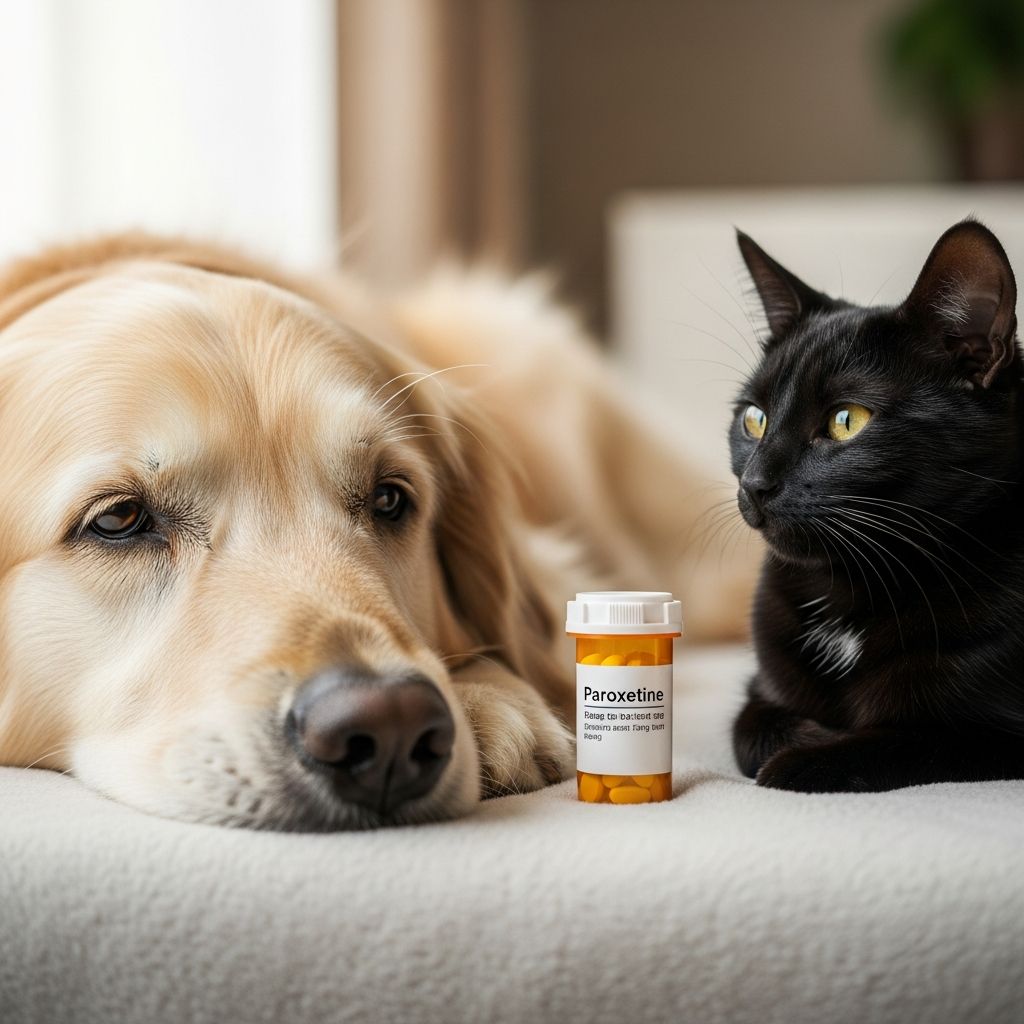
Paroxetine for Dogs and Cats
Paroxetine, commonly known by the brand name Paxil®, is a prescription medication increasingly used in veterinary medicine to address behavioral and psychological issues in companion animals. While originally developed for human use, veterinarians have recognized the value of this selective serotonin reuptake inhibitor (SSRI) in treating various behavioral disorders in dogs and cats. Understanding how this medication works, its appropriate uses, and potential side effects is essential for pet owners considering this treatment option for their animals.
What Is Paroxetine?
Paroxetine is a selective serotonin reuptake inhibitor (SSRI) antidepressant medication that works by increasing serotonin levels in the brain. Serotonin is a crucial neurotransmitter that facilitates communication between brain cells and plays a significant role in mood regulation and behavioral control. The medication functions similarly to another common veterinary psychotropic drug, fluoxetine (Prozac®), but offers distinct advantages in certain clinical situations.
It is important to note that while paroxetine is not officially approved by the Food and Drug Administration (FDA) for use in animals, veterinarians may legally prescribe it as an extra-label medication. This means that veterinarians can use their professional judgment to prescribe this human medication for veterinary patients when they believe it will benefit the animal’s health and behavioral well-being.
Uses of Paroxetine in Dogs
Behavioral disorders represent one of the most common reasons for veterinary visits, and in some cases, untreated behavioral problems contribute to euthanasia decisions. Paroxetine offers a pharmacological approach to managing these issues, particularly when combined with behavior modification strategies.
In dogs, paroxetine treats several behavioral conditions:
- Aggression, including fear-based and anxiety-related aggression
- Anxiety disorders and generalized anxiety
- Separation anxiety
- Phobias, including storm and noise phobias
- Compulsive behaviors such as acral lick dermatitis and compulsive tail-chasing
- Fear-based behaviors and excessive fearfulness
Research demonstrates that paroxetine can be effective for anxiety management in dogs. In one study assessing the effect of paroxetine on generalized anxiety in 12 dogs, owners reported improved behavior in 50% of cases, with no change observed in 33% of dogs, and worsening or mixed results in the remaining animals.
Uses of Paroxetine in Cats
Cats present unique behavioral challenges that paroxetine can address effectively. Feline behavioral disorders often involve territorial marking and anxiety-related issues that significantly impact household dynamics and the pet’s quality of life.
In cats, paroxetine is prescribed for:
- Aggression toward humans or other animals
- Excessive fearfulness and anxiety
- Urine marking and inappropriate elimination
- Compulsive grooming and excessive licking
- Tail-chasing and wool-sucking behaviors
- Other repetitive or compulsive behaviors
The medication has proven particularly useful for addressing feline inappropriate elimination issues related to anxiety, offering cat owners a medical intervention when behavioral modification alone proves insufficient.
How Paroxetine Works
Paroxetine’s mechanism of action centers on serotonin regulation within the brain. By inhibiting the reuptake of serotonin in the synaptic space, the medication increases the concentration of this critical neurotransmitter available to bind with receptor sites on receiving neurons. This enhanced serotonin activity helps normalize mood, reduce anxiety, and decrease the intensity of compulsive behaviors. The medication typically requires several weeks of administration before full therapeutic effects become apparent, as neurochemical changes take time to produce noticeable behavioral improvements.
Dosage Information
Proper dosing is essential for maximizing therapeutic benefits while minimizing adverse effects. Veterinarians calculate individual dosages based on the patient’s body weight and the specific condition being treated.
Dosing for Dogs
In dogs, the typical dose of paroxetine ranges from 0.5 to 1 mg per pound of body weight, equivalent to 1 to 2 mg/kg, administered orally once every 24 hours. For a 50-pound dog, this translates to a daily dose of 25 to 50 mg. Lower doses are often used initially for anxiety conditions, while higher doses may be necessary for treating compulsive behaviors.
Dosing for Cats
Cats require lower doses relative to their body weight compared to dogs. The standard feline dose is 0.25 to 0.75 mg per pound of body weight, or 0.5 to 1.5 mg/kg, given orally once daily. For a 10-pound cat, this represents a daily dose of 2.5 to 7.5 mg.
Duration of Treatment
The length of treatment depends on multiple factors including the condition being treated, the individual animal’s response to medication, and the development of any adverse effects. Pet owners should complete the full prescription course unless specifically directed otherwise by their veterinarian, as premature discontinuation can result in behavioral relapse or withdrawal effects.
Administration Guidelines
Paroxetine tablets or capsules may be given with or without food, though administering the medication with a meal may reduce the risk of gastrointestinal side effects. The medication is typically available in tablet or capsule form, though liquid suspensions are also available for animals that have difficulty swallowing solid dosage forms.
Important safety considerations include:
- Always wear gloves when handling paroxetine tablets or capsules
- Pregnant women should exercise extreme caution when handling this medication, as paroxetine can cause birth defects
- Never stop administering paroxetine abruptly without veterinary guidance
- Follow your veterinarian’s specific dosing instructions precisely
Side Effects and Adverse Reactions
While paroxetine is generally considered safe and effective when prescribed by a veterinarian, some animals may experience unacceptable side effects. Understanding potential adverse reactions helps pet owners identify problems early and communicate effectively with their veterinary team.
Common Side Effects
The most frequently reported side effects of paroxetine in dogs and cats include:
- Decreased appetite or loss of appetite
- Lethargy and decreased activity levels
- Tremors or muscle trembling
- Increased thirst (polydipsia)
- Nausea and vomiting
- Diarrhea or gastrointestinal upset
- Dry or itchy skin
These side effects are typically mild and often diminish as the animal’s body adjusts to the medication over time.
Serious Side Effects
While less common, serious adverse reactions warrant immediate veterinary attention. If your pet experiences seizures while receiving paroxetine, discontinue the medication immediately and contact your veterinarian right away. Seizure development represents a contraindication for continued paroxetine use in most cases.
Precautions and Drug Interactions
Paroxetine should not be used in animals with known hypersensitivity or allergic reactions to the drug. Additionally, the medication requires cautious use in specific patient populations:
- Elderly patients with age-related physiological changes
- Animals with blood disorders or bleeding tendencies
- Patients with kidney or renal disease
- Animals with a history of seizures
Drug Interactions
Paroxetine may interact with numerous other medications, potentially reducing efficacy or increasing adverse effects. Medications that require particular caution when used concurrently with paroxetine include:
- Monoamine oxidase (MAO) inhibitors such as Anipryl®
- Cimetidine (used for gastrointestinal issues)
- Phenytoin (an anticonvulsant)
- L-tryptophan supplements
- Flea collars and certain flea prevention products
Always inform your veterinarian of all medications, supplements, and flea prevention products your pet is currently receiving before starting paroxetine therapy.
Combination Therapy Approach
Research and clinical experience demonstrate that paroxetine achieves optimal results when combined with a comprehensive behavior modification program. Medication alone addresses the neurochemical underpinnings of behavioral issues but does not teach alternative behaviors or resolve environmental triggers. A multimodal approach incorporating professional behavior training, environmental modifications, and pharmacotherapy produces superior outcomes compared to medication alone.
Benefits and Limitations
Paroxetine offers several advantages as a veterinary behavioral medication. The drug typically produces a low risk of side effects when used correctly, and many pets tolerate it well. Unlike some sedating medications, paroxetine does not impair cognition or physical abilities, allowing pets to remain alert and active while benefiting from reduced anxiety and improved behavioral control.
However, paroxetine does have limitations. Response rates vary considerably among individual animals, with some showing dramatic improvement while others show minimal response. Additionally, several weeks of treatment are typically required before full therapeutic effects become apparent, requiring patience and commitment from pet owners during the initial treatment phase.
Important Considerations for Pet Owners
Pet owners considering paroxetine for their animals should understand that this medication represents a tool for managing behavioral disorders, not a cure. Success requires commitment to the complete treatment regimen, including medication administration, behavioral training, and environmental management. Never discontinue paroxetine suddenly or reduce doses without veterinary guidance, as abrupt cessation can result in withdrawal effects or behavioral relapse.
Regular veterinary monitoring during the initial treatment period helps ensure the medication is producing desired effects and that any adverse reactions are identified and addressed promptly. Communication with your veterinarian regarding your pet’s response to treatment allows for dose adjustments if necessary.
Frequently Asked Questions
Q: How long does paroxetine take to work in dogs and cats?
A: Paroxetine typically requires 4 to 6 weeks of consistent administration before maximum therapeutic effects become apparent. However, some animals may show initial behavioral improvements within 2 to 3 weeks. Patience and consistent dosing are essential during this initial period.
Q: Can paroxetine be used alongside other behavioral medications?
A: In some cases, veterinarians may combine paroxetine with other medications, such as benzodiazepines or other psychotropic agents, to enhance therapeutic effects. However, such combinations require careful veterinary oversight to prevent drug interactions and adverse effects.
Q: What should I do if I miss a dose?
A: If you miss a dose, administer it as soon as you remember unless it is nearly time for the next scheduled dose. Never double-dose to make up for a missed administration. Maintaining a consistent dosing schedule helps optimize therapeutic effects.
Q: Is paroxetine safe for pregnant or nursing animals?
A: Paroxetine use in pregnant or nursing animals should only be considered under strict veterinary guidance, as the medication may pose risks to developing fetuses or nursing offspring. Discuss reproductive status with your veterinarian before starting treatment.
Q: How much does paroxetine cost for pets?
A: Cost varies depending on the dose required, duration of treatment, and your geographic location. Discuss pricing and available generic options with your veterinarian to find cost-effective solutions for long-term behavioral management.
References
- Paroxetine (Paxil®) for Dogs and Cats — PetPlace.com. Accessed 2025. https://www.petplace.com/article/drug-library/drug-library/library/paroxetine-paxil-for-dogs-and-cats
- Paroxetine – Prescription Behavior Pet Meds — VetRxDirect. Accessed 2025. https://www.vetrxdirect.com/product/view/paroxetine-behavior-drug-for-dogs-and-cats-rx
- Paroxetine for Dogs: Can You Give SSRIs to Dogs? — GoodRx. Accessed 2025. https://www.goodrx.com/pet-health/dog/paroxetine-for-dogs
- Behavior Medications SSRIs and a Few TCAs — Aggressive Dog. 2024-08-01. https://aggressivedog.com/2024/08/01/dazzled-by-science-part-9-behavior-medications-ssris-and-a-few-tcas/
- Psychotropic Agents for Treatment of Animals – Pharmacology — Merck Veterinary Manual. Accessed 2025. https://www.merckvetmanual.com/pharmacology/systemic-pharmacotherapeutics-of-the-nervous-system/psychotropic-agents-for-treatment-of-animals
- Selective Serotonin Reuptake Inhibitor Exposure — PubMed/NCBI. 2013. https://pubmed.ncbi.nlm.nih.gov/23796482/
Similar Articles








Read full bio of Sneha Tete


