

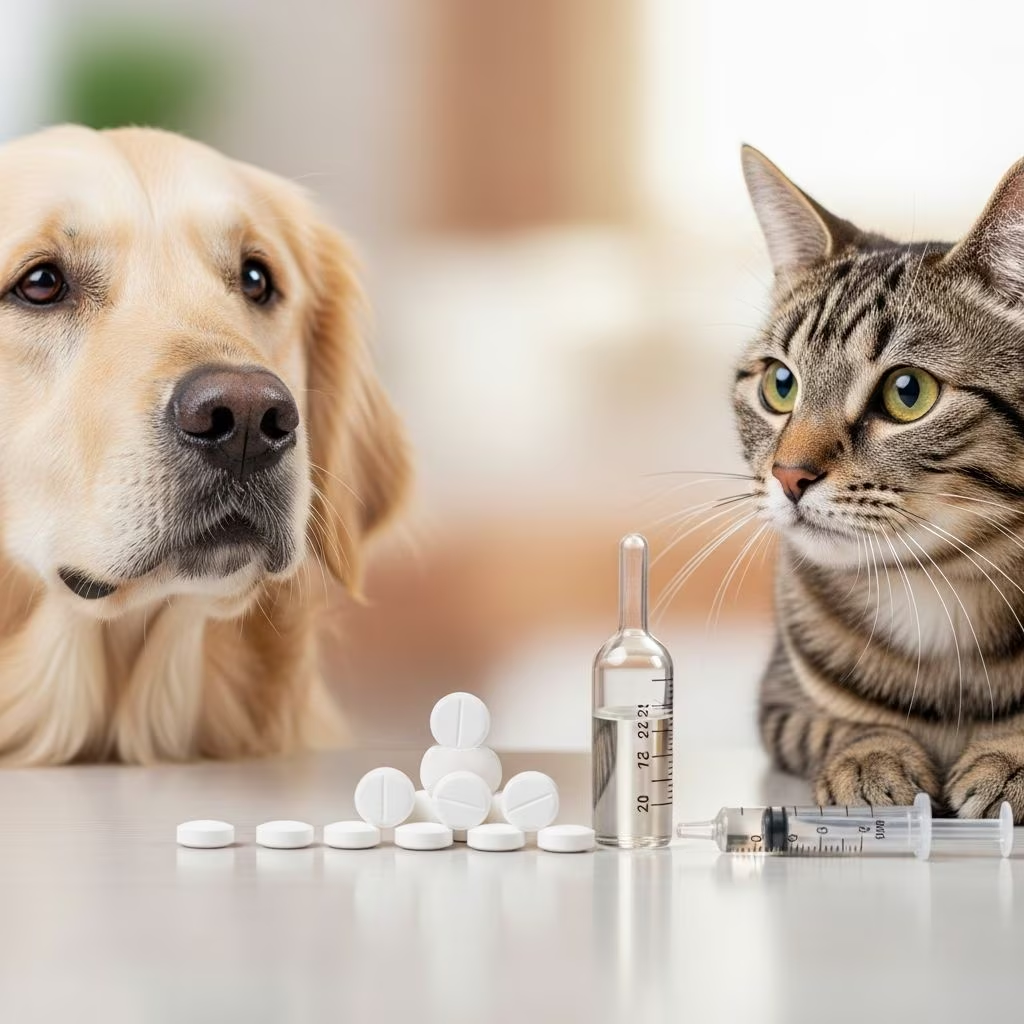
Paroxetine for Dogs and Cats: A Comprehensive Guide
Behavioral problems represent one of the most common reasons pet owners seek veterinary care, and unfortunately, untreated behavioral issues can lead to serious consequences, including euthanasia in severe cases. Recognizing this critical need, veterinarians have increasingly incorporated medications traditionally used in human psychiatric treatment into veterinary practice. Paroxetine, commonly known by the brand name Paxil®, stands as one of the most effective pharmacological tools available for managing behavioral disorders in companion animals. This medication has revolutionized the treatment approach for anxiety, aggression, and compulsive behaviors in both dogs and cats, offering hope to pet owners struggling with their animals’ behavioral challenges.
What Is Paroxetine?
Paroxetine is a prescription antidepressant medication belonging to a class of drugs known as selective serotonin reuptake inhibitors (SSRIs). The medication works by increasing serotonin levels in the brain—a crucial neurotransmitter responsible for facilitating communication between brain cells. By enhancing serotonin transmission, paroxetine helps regulate mood and behavior, addressing the underlying neurochemical imbalances associated with various behavioral disorders. The effects and mechanism of action are remarkably similar to fluoxetine (Prozac®), another widely used SSRI in veterinary medicine.
It is important to note that while paroxetine is used extensively in veterinary medicine, the Food and Drug Administration (FDA) has not specifically approved this drug for use in animals. However, veterinarians can legally prescribe paroxetine as an extra-label medication, meaning it can be prescribed for purposes and species beyond its original FDA approval. This practice is common and well-established within the veterinary profession, allowing access to medications that significantly improve animals’ quality of life.
Brand Names and Formulations
Paroxetine is registered exclusively for human use, with Paxil® being the primary brand name manufactured by SK-Beecham. Currently, no veterinary formulations of paroxetine exist in the United States market. Veterinarians obtain paroxetine through standard pharmaceutical channels and may use human formulations or work with compounding pharmacies to create appropriate dosages and formulations for animals. Paroxetine is available in multiple formulations including tablets, capsules, and liquid suspensions, which provides flexibility in administration based on individual pet needs and preferences.
Uses of Paroxetine in Dogs
In canine patients, paroxetine demonstrates significant efficacy in treating a diverse range of behavioral conditions:
Anxiety-Related Disorders
Paroxetine is particularly effective for anxiety disorders in dogs, including separation anxiety—one of the most common behavioral problems veterinarians encounter. Dogs with separation anxiety exhibit destructive behavior, excessive vocalization, and house-soiling when left alone. The medication helps reduce the anxiety response, making it easier for dogs to remain calm during periods of separation from their owners.
Fear-Based Behaviors
Fear-based behaviors such as storm phobias and noise sensitivities respond well to paroxetine treatment. Dogs experiencing these conditions often display trembling, hiding, destructive behavior, and excessive vocalization during triggering events. By reducing the underlying anxiety, paroxetine helps dogs cope better with these stressful situations.
Aggression Management
Paroxetine is utilized to address aggression in dogs, particularly when the aggression stems from fear or anxiety rather than dominance issues. Fear-based aggression, in particular, responds favorably to treatment with this medication when combined with appropriate behavior modification techniques.
Compulsive Disorders
Compulsive behaviors in dogs, such as acral lick dermatitis (excessive licking of limbs), compulsive tail-chasing, and other repetitive behaviors, often respond to paroxetine therapy. These conditions frequently have an anxiety or obsessive-compulsive component that the medication can effectively address.
Uses of Paroxetine in Cats
Cats benefit from paroxetine treatment in several behavioral contexts:
Aggression and Fearfulness
Paroxetine helps manage aggression and excessive fearfulness in feline patients. Cats often display these behaviors when stressed or anxious, and the medication helps normalize their emotional state.
Urine-Marking Behavior
Inappropriate elimination, particularly urine-marking, represents a frustrating problem for cat owners. Paroxetine can reduce this behavior when it stems from anxiety or territorial concerns. The medication is often combined with environmental modifications and stress-reduction techniques for optimal results.
Compulsive Behaviors
Feline compulsive behaviors treated with paroxetine include excessive grooming, tail-chasing, and wool-sucking (pica). These self-directed repetitive behaviors often have an obsessive-compulsive component that responds to SSRI therapy.
How Paroxetine Works
Understanding paroxetine’s mechanism of action helps pet owners appreciate why the medication is effective for behavioral conditions. Serotonin, a neurotransmitter in the brain, plays a crucial role in mood regulation, anxiety response, impulse control, and emotional processing. In animals with behavioral disorders, serotonin signaling may be dysregulated or deficient. Paroxetine increases serotonin availability in the synapse (the space between brain cells) by inhibiting the reuptake of serotonin, meaning it prevents the reabsorption of serotonin back into the sending neuron. This mechanism allows serotonin to remain active longer in the synapse, enhancing neurotransmission and promoting more stable mood and behavior patterns.
Dosing Information
Proper dosing is critical for both safety and efficacy. Dosages vary between species and should always be determined by a veterinarian based on the individual animal’s weight, condition being treated, and response to therapy.
Canine Dosing
In dogs, the standard dose of paroxetine is 0.5 to 1 mg per pound of body weight, equivalent to 1 to 2 mg/kg, administered orally once every 24 hours. A 50-pound dog, for example, would typically receive 25 to 50 mg daily. Lower doses are often utilized for anxiety conditions, while higher doses may be necessary for compulsive behavior management.
Feline Dosing
Cats require lower doses than dogs due to their smaller body size and different pharmacokinetics. The typical feline dose is 0.25 to 0.75 mg per pound of body weight, or 0.5 to 1.5 mg/kg, given orally once daily. A 10-pound cat would generally receive 2.5 to 7.5 mg daily.
Duration and Compliance
The length of treatment depends on the specific condition, individual response to medication, and development of any adverse effects. Some animals require long-term maintenance therapy, while others may benefit from seasonal or situational use. Pet owners should never discontinue paroxetine without veterinary guidance, as abrupt cessation can result in rebound anxiety or behavioral regression.
Administration Guidelines
Paroxetine may be given with or without food, though administering it with food may reduce gastrointestinal upset in sensitive animals. Pet owners should follow their veterinarian’s specific directions regarding timing and food administration. The medication should be handled with appropriate care—gloves should be worn when handling paroxetine, and pregnant women should exercise particular caution, as the medication can cause birth defects, especially in the first and third trimesters.
Potential Side Effects
While paroxetine is generally safe and well-tolerated, side effects can occur in some animals. Understanding potential adverse reactions helps pet owners identify problems early and contact their veterinarian appropriately.
Common Side Effects
The most frequently reported side effects include lack of appetite, lethargy or sedation, tremor, and increased thirst. These effects are typically mild and often diminish as the animal’s body adjusts to the medication. Some animals may experience gastrointestinal upset manifesting as dry or itchy skin, vomiting, or diarrhea.
Serious Side Effects
While uncommon, seizures represent the most serious potential adverse effect of paroxetine. If a pet experiences seizures while receiving this medication, the drug should be discontinued immediately and veterinary attention sought urgently. Pets with a history of seizures require careful consideration and closer monitoring when paroxetine is prescribed.
Precautions and Contraindications
Several conditions and situations warrant caution or contraindicate paroxetine use:
Known Hypersensitivity
Animals with known allergies or hypersensitivity to paroxetine should not receive this medication. Previous adverse reactions should be clearly communicated to the veterinarian.
Elderly and Compromised Patients
Elderly animals, those with blood disorders, kidney disease, or liver dysfunction, and animals with seizure histories require cautious use with close monitoring. These patients may have altered drug metabolism or clearance, necessitating dose adjustments.
Concurrent Medication Interactions
Paroxetine can interact with several other medications, potentially causing adverse effects or reduced efficacy. Medications that should not be combined with paroxetine include MAO inhibitors such as Anipryl®, cimetidine, phenytoin, and L-tryptophan. Pet owners must provide their veterinarian with a complete list of all medications, supplements, and treatments their pet is receiving to prevent dangerous drug interactions.
Special Precautions
Flea collars should not be used while a pet is taking paroxetine. Pet owners should discuss appropriate flea and tick prevention options with their veterinarian to ensure safe alternatives.
Effectiveness and Research Outcomes
Clinical evidence supports paroxetine’s effectiveness for various behavioral conditions. Research has demonstrated that paroxetine improves anxiety symptoms in approximately 50% of treated dogs, with no change in behavior in about 33% of cases. The medication works best when combined with comprehensive behavior modification programs and appropriate environmental management strategies. Success rates vary depending on the specific condition, severity of the problem, and owner compliance with both medication and behavioral intervention protocols.
Important Considerations for Pet Owners
Pet owners should understand that paroxetine works optimally when incorporated into a comprehensive treatment plan. Medication alone is insufficient; concurrent behavior modification, environmental enrichment, and anxiety management strategies significantly enhance outcomes. Additionally, patience is essential—most animals require 4 to 6 weeks of consistent treatment before noticeable behavioral improvements occur. Pet owners should maintain regular communication with their veterinarian, reporting any changes in behavior or development of side effects.
Comparison of Common SSRI Medications in Veterinary Practice
| Medication | Brand Name | Primary Uses | Typical Dosing (Dogs) | Side Effect Profile |
|---|---|---|---|---|
| Paroxetine | Paxil® | Anxiety, aggression, compulsive behaviors | 0.5-1 mg/lb daily | Lethargy, anorexia, tremor |
| Fluoxetine | Prozac® | Anxiety, aggression, compulsive behaviors | 0.5-1 mg/lb daily | Lethargy, anorexia, nausea |
| Sertraline | Zoloft® | Anxiety, aggression, compulsive behaviors | 1-2 mg/lb daily | Lethargy, GI upset, tremor |
Frequently Asked Questions About Paroxetine for Pets
Q: How long does paroxetine take to work?
A: Most animals require 4 to 6 weeks of consistent treatment before noticeable behavioral improvements occur. Some animals may show initial response within 2 to 3 weeks, while others require the full 6 weeks to demonstrate significant changes. Patience and consistent medication administration are essential.
Q: Can paroxetine be used long-term in pets?
A: Yes, paroxetine can be used long-term in pets when medically appropriate. Some animals require lifelong maintenance therapy to manage chronic behavioral conditions effectively. Your veterinarian will determine the appropriate treatment duration based on your pet’s specific situation.
Q: Is paroxetine safe for senior pets?
A: Paroxetine can be used in senior pets but requires careful consideration. Elderly animals with kidney, liver, or blood disorders need close monitoring and may require dose adjustments. Always inform your veterinarian of your senior pet’s complete medical history.
Q: What should I do if I miss a dose?
A: If you miss a dose, administer it as soon as you remember unless the next scheduled dose is approaching. Do not double-dose to compensate for a missed dose. Maintain as consistent a schedule as possible for optimal effectiveness.
Q: Can paroxetine be stopped abruptly?
A: No, paroxetine should never be stopped abruptly without veterinary guidance. Sudden discontinuation can result in rebound anxiety, behavioral regression, or other adverse effects. Always consult your veterinarian about appropriate tapering protocols if discontinuation becomes necessary.
Q: Are there any natural alternatives to paroxetine?
A: While various natural supplements and herbal remedies are marketed for anxiety, their efficacy and safety in veterinary use are not well-established. Behavior modification, environmental management, and anxiety-reducing techniques should always accompany pharmacological treatment. Discuss all potential options with your veterinarian.
Q: What should I do if my pet experiences side effects?
A: Contact your veterinarian immediately if your pet develops concerning side effects, particularly if seizures occur. Minor side effects like reduced appetite or lethargy often improve with time, but professional evaluation is always recommended to ensure your pet’s safety.
References
- Paroxetine (Paxil®) for Dogs and Cats — PetPlace.com. 2024. https://www.petplace.com/article/drug-library/drug-library/library/paroxetine-paxil-for-dogs-and-cats
- Paroxetine – Prescription Behavior Pet Meds — VetRxDirect. 2024. https://www.vetrxdirect.com/product/view/paroxetine-behavior-drug-for-dogs-and-cats-rx
- Paroxetine for Dogs: Can You Give SSRIs to Dogs? — GoodRx. 2024. https://www.goodrx.com/pet-health/dog/paroxetine-for-dogs
- Behavior Medications SSRIs and a Few TCAs — Aggressive Dog. August 1, 2024. https://aggressivedog.com/2024/08/01/dazzled-by-science-part-9-behavior-medications-ssris-and-a-few-tcas/
- Psychotropic Agents for Treatment of Animals – Pharmacology — Merck Veterinary Manual. 2024. https://www.merckvetmanual.com/pharmacology/systemic-pharmacotherapeutics-of-the-nervous-system/psychotropic-agents-for-treatment-of-animals
- Selective serotonin reuptake inhibitor exposure — National Center for Biotechnology Information. 2013. https://pubmed.ncbi.nlm.nih.gov/23796482/



