
Paratyphoid In Poultry: 5 Essential Prevention Steps
Essential guide to understanding, preventing, and managing paratyphoid Salmonella infections in chickens, turkeys, and other birds.
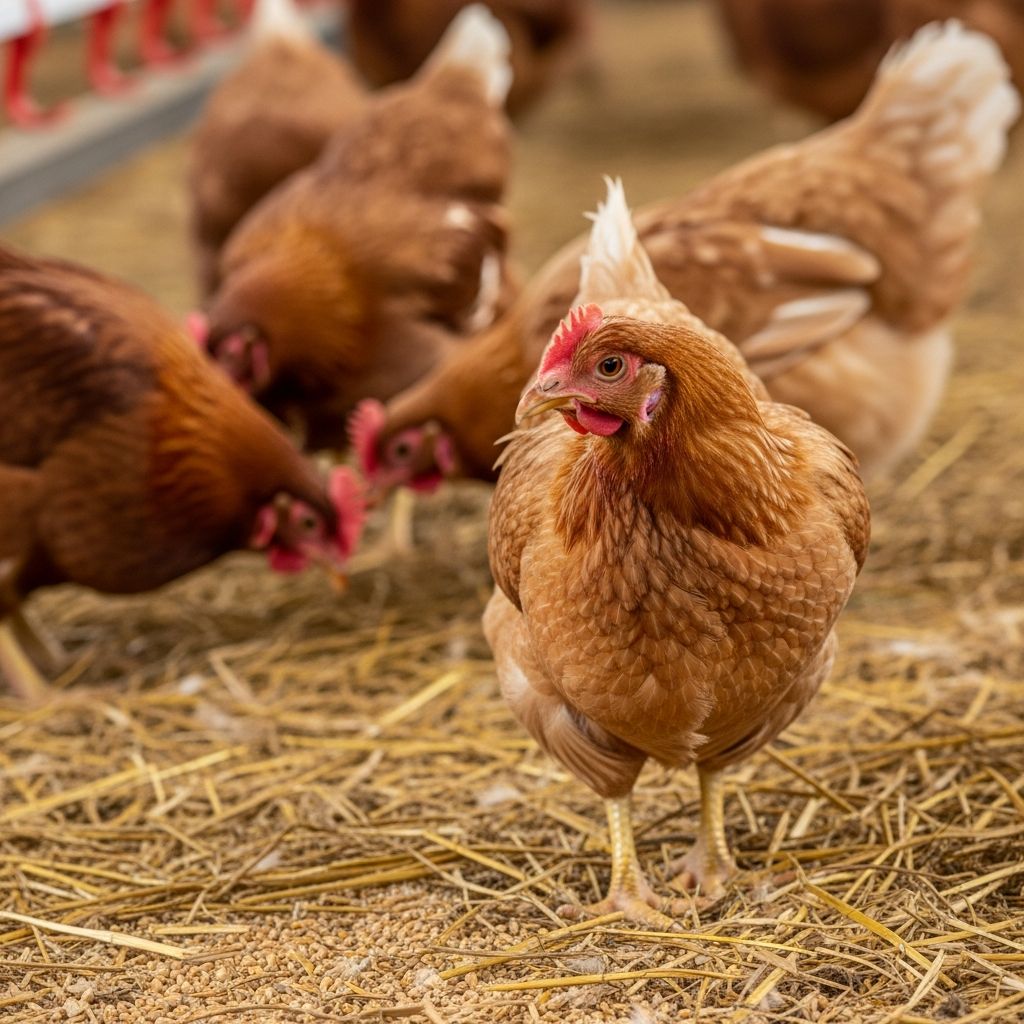
Paratyphoid infections represent a significant challenge in poultry production, primarily driven by various motile Salmonella serotypes excluding host-adapted strains like S. Pullorum and S. Gallinarum. These bacteria affect chickens, turkeys, ducks, and other birds, leading to high mortality in young flocks and posing risks to human health through contaminated products. This article delves into the nature of the disease, its impacts, and practical management strategies.
Understanding the Pathogens Behind Paratyphoid
Paratyphoid is caused by non-host-specific Salmonella serotypes, such as S. Typhimurium, S. Enteritidis, S. Agona, and S. Heidelberg. These facultative anaerobes produce endotoxins that trigger pathogenic effects, including septicemia and localized infections. Unlike pullorum disease, paratyphoid agents are motile with flagella, enabling widespread dissemination in flocks.
Over 2,500 Salmonella serotypes exist, but 10-15 commonly infect poultry, with S. Enteritidis and S. Typhimurium being most linked to foodborne illnesses from poultry meat and eggs. These pathogens thrive in the intestinal tract, reproductive organs, and environment, surviving in feces for up to six months and on eggshells for a year.
Clinical Manifestations Across Poultry Species
Young birds under two to three weeks are most vulnerable, exhibiting acute symptoms. Chicks and poults appear depressed, huddle together, ruffle feathers, and suffer diarrhea, often leading to sudden deaths. In ducklings, a hallmark is keeling over backward after drinking, with mortality up to 25%. Turkeys show gasping, anorexia, trembling, watery diarrhea, blindness, conjunctivitis, weakness, and lameness.
- Chickens: Drowsy with closed eyes, ruffled feathers, pasted vents from diarrhea, dehydration.
- Turkeys and Ducks: Higher susceptibility; chronic forms in adults with ovarian distortion.
- Adults: Often asymptomatic carriers, shedding intermittently, especially under stress.
Older birds over four weeks typically clear infections within 60 days, but a subset becomes lifelong carriers.
Pathological Findings at Necropsy
Post-mortem exams reveal characteristic lesions. Caeca often contain cheesy, gelatinous, or fibrinous plugs mimicking mucosal casts—a key indicator, though not serotype-specific. Livers are enlarged, mottled with hemorrhagic streaks (cedaring), necrotic foci, or fibrinous pericarditis.
Less common findings include eye pus, joint effusions, intestinal necrotic ulcers, and in ducks/turkeys, ovule distortions. Hepatomegaly, discoloration, and hemorrhagic-necrotic liver foci are noted in affected birds. These signs aid presumptive diagnosis alongside symptoms.
Transmission Routes and Risk Factors
Infection spreads via vertical transmission (egg penetration post-laying) and horizontal routes. Fecal contamination of eggs at hatcheries is primary, with carriers shedding for up to 16 months. Rodents serve as reservoirs, and contaminated feed like meat/bone meal amplifies spread.
Environmental persistence in feces (6 months) and eggshells (12 months) heightens risks. Stress reactivates shedding in carriers. Farms transmit between sites via equipment, water, or personnel. Human health risks arise from carcass/egg contamination by colonizing serotypes like S. Enteritidis.
| Transmission Pathway | Description | Risk Level |
|---|---|---|
| Vertical (Egg) | Fecal contamination pre-hatch | High in young chicks |
| Horizontal (Fecal-Oral) | Carriers, water, feed | Common in flocks |
| Environmental | Rodents, litter persistence | Ongoing threat |
| Feed Contaminants | Animal protein sources | Inter-farm spread |
Diagnostic Approaches for Accurate Identification
Diagnosis combines clinical signs, necropsy, and lab tests. Presumptive cases show cheesy caecal plugs in symptomatic young birds; blood tests for Salmonella antigens support this. Culture from caeca, liver, spleen, or yolk sacs confirms serotypes.
Serology detects carriers, but cross-reactions occur. PCR and molecular typing differentiate paratyphoid from pullorum/gallinarum. Rule out similar diseases like E. coli or Pseudomonas via histopathology. Early detection prevents outbreaks.
Treatment Strategies and Their Limitations
Antibiotics like aminoglycosides and tetracyclines reduce mortality but fail to eradicate infections, masking carriers. Treatment supports immunity development in survivors. Sensitivity testing is crucial due to resistance.
Supportive care includes electrolytes, warmth, and hygiene. Avoid over-reliance on drugs; focus shifts to prevention. In outbreaks, medicate water/feed per vet guidance, monitoring residues for food safety.
Prevention and Control Measures
Biosecurity is paramount: rodent control, clean hatcheries, sanitized equipment. Vaccinate against key serotypes like S. Enteritidis/Typhimurium. All-in-all-out production, competitive exclusion flora, and acidified feed/litter reduce colonization.
Serological monitoring culls carriers. Avoid contaminated feeds; test breeding stock. Hatchery hygiene prevents vertical spread. Integrated programs lowered prevalence in many regions.
- Maintain strict biosecurity protocols.
- Vaccinate flocks appropriately.
- Monitor and cull positive birds.
- Ensure feed and water quality.
- Implement rodent/pest control.
Public Health Implications and Zoonotic Risks
Paratyphoid Salmonella contaminates poultry products, causing human salmonellosis. S. Enteritidis/Typhimurium dominate food poisoning cases. Carriers shed into eggs/meat; cooking mitigates but prevention at farm level is key.
Regulations mandate testing; consumers should handle products safely. Farm-to-fork strategies reduced incidences globally.
FAQs on Paratyphoid in Poultry
What age groups are most affected by paratyphoid?
Primarily chicks under 2-3 weeks; adults are often carriers.
Can paratyphoid be transmitted to humans?
Yes, via contaminated eggs/meat; S. Enteritidis is a major culprit.
How do you differentiate paratyphoid from pullorum disease?
Paratyphoid uses motile serotypes; pullorum is non-motile, host-adapted.
Is vaccination effective against paratyphoid?
Yes, for specific serotypes like Enteritidis/Typhimurium.
What are the hallmark necropsy findings?
Cheesy caecal plugs, enlarged mottled livers.
Emerging Challenges and Future Directions
Antibiotic resistance and new serotypes challenge control. Research focuses on vaccines, probiotics, and phage therapy. Global surveillance tracks zoonotic strains. Producers must adapt with evidence-based practices.
(Word count: 1678)
References
- Paratyphoid poultry – Flock and Herd case studies — Flock and Herd. 1969. https://www.flockandherd.net.au/archive/transcribed/1969-70/reader/paratyphoid-poultry.html
- Paratyphoid Infections – The Control of Salmonella Infections in Poultry — Safe Poultry. N/A. https://www.safe-poultry.com/disease/salmonella-and-poultry/paratyphoidsalmonella/
- Paratyphoid – Poultry World — Poultry World. N/A. https://www.poultryworld.net/topic/paratyphoid/
- PARATYPHOID INFECTIONS – Diseases of Poultry — The Poultry Site. N/A. https://www.thepoultrysite.com/publications/diseases-of-poultry/180/paratyphoid-infections
- Overview of Salmonelloses in Poultry – Merck Veterinary Manual — Merck Veterinary Manual. N/A. https://www.merckvetmanual.com/poultry/salmonelloses-in-poultry/overview-of-salmonelloses-in-poultry
- Salmonella: What You and Your Chickens Need to Know — UCANR. 2020-04. https://ucanr.edu/sites/default/files/2020-04/323179.pdf
Similar Articles








Read full bio of medha deb


