

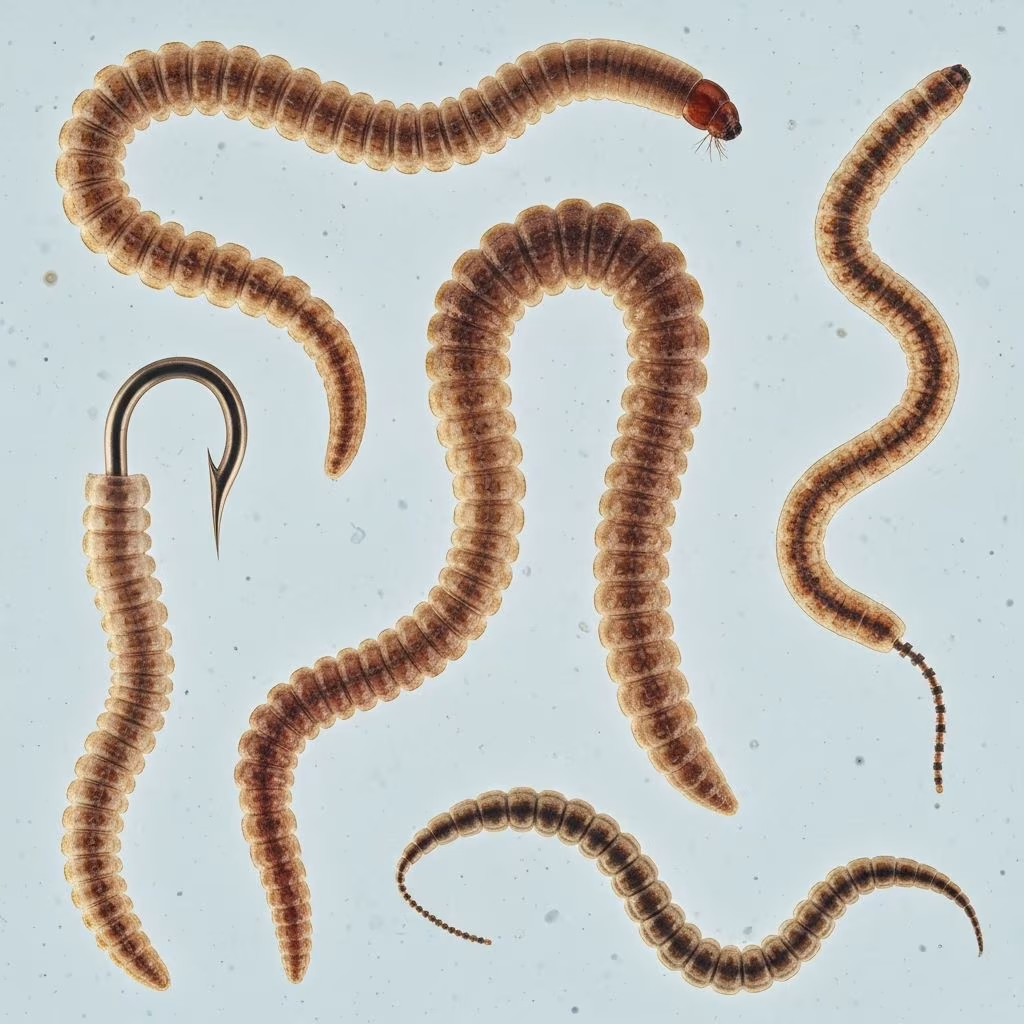
Parasitic worm infections represent one of the most prevalent health concerns affecting dogs of all ages, with puppies being particularly vulnerable to infection. These intestinal parasites can significantly impact a dog’s nutritional status, growth, and overall well-being if left untreated. Understanding how dogs acquire these parasites, recognizing the different species that commonly infect canines, and implementing effective preventive measures are essential components of responsible pet ownership. This comprehensive guide explores the multifaceted nature of canine worm infections and provides evidence-based information to help pet owners protect their animals from these harmful parasites.
The Primary Routes of Parasitic Transmission in Canines
Dogs encounter parasitic worms through multiple pathways, with certain transmission routes being more common than others. The most frequent method of infection involves fecal-oral contamination, where dogs ingest microscopic eggs or larvae present in contaminated soil, water, or feces. This transmission route accounts for the majority of infections in adult dogs and occurs when animals encounter infected material in their environment.
Another significant transmission mechanism involves intrauterine and lactational transfer, particularly affecting newborn puppies. Infected mother dogs can transmit certain parasites across the placenta during pregnancy, while others transfer through nursing milk in the critical weeks following birth. This maternal transmission explains why puppies born to infected mothers frequently exhibit worm infections within weeks of birth, regardless of their environmental exposure.
Direct skin penetration represents an alternative infection route, particularly relevant for hookworm species. Unlike other parasites that require ingestion, certain hookworm larvae can burrow through a dog’s skin upon direct contact with contaminated soil, establishing infection without the dog consuming infected material. This transmission method proves especially concerning in warm, moist environments where larvae survive longer in soil.
Dogs may also acquire parasites through consumption of infected prey animals, including rodents, rabbits, and other wildlife. This dietary exposure occurs particularly in dogs with outdoor access or those with hunting instincts. Additionally, flea consumption serves as a critical transmission vector for certain tapeworm species, making flea prevention an integral component of worm prevention strategies.
Environmental factors create opportunities for infection when dogs engage in typical behaviors. Dogs sniffing contaminated feces, licking soil-covered paws, or consuming raw or undercooked meat can all acquire parasitic infections. Young puppies exploring their surroundings through oral investigation face heightened infection risk compared to adult dogs with more cautious behaviors.
Diversity of Parasitic Worm Species Affecting Dogs
Roundworms: The Most Common Canine Intestinal Parasites
Roundworms represent the most frequently encountered parasitic infections in dogs, with two primary species affecting canines: Toxocara canis (T. canis) and Toxascaris leonina. T. canis demonstrates particular prevalence in puppies and young dogs, while Toxascaris leonina affects dogs across all age groups. These parasites establish themselves within the small intestine, where they consume nutrients and can significantly impair the nutritional status of infected animals.
The resilience of roundworm eggs in environmental conditions creates persistent infection risks. Eggs possess hardened shells enabling survival in soil for extended periods, sometimes years, maintaining infectivity throughout this time. This environmental persistence means contaminated areas can remain problematic long after initial exposure, necessitating thorough environmental management in addition to individual pet treatment.
Roundworms present a concern beyond canine health, as these parasites are transmissible to humans, particularly children. Human infection can lead to visceral larva migrans, a condition where larvae migrate through human body tissues and organs, potentially causing serious complications.
Tapeworms: Segmented Intestinal Parasites
Tapeworms, or cestodes, differ structurally from roundworms, featuring a flat, segmented body that attaches to the intestinal lining. The most common tapeworm species affecting dogs in the United States is Dipylidium caninum, which establishes itself within the small intestine and subsists on intestinal contents. Unlike parasites acquired through environmental contamination, tapeworm infection typically requires an intermediate host for transmission.
Dogs most commonly acquire tapeworms through two pathways: consuming infected fleas or eating prey animals harboring tapeworm parasites. The flea-tapeworm connection proves particularly significant, as even minimal flea exposure can result in tapeworm infection. When a dog ingests an infected flea during grooming or scratching, the tapeworm egg hatches within the intestinal tract and develops into an adult parasite. This interconnection between flea prevention and tapeworm prevention underscores the importance of comprehensive parasite management.
Hookworms: Parasites with Multiple Transmission Routes
Hookworms exhibit greater transmission complexity than other common canine parasites, capable of entering the dog’s body through both ingestion and direct skin penetration. Two primary hookworm species affect dogs: Ancylostoma caninum and Uncinaria stenocephala, with the latter predominantly affecting dogs in colder climate regions. These parasites attach to the intestinal lining and feed on blood, potentially causing anemia in heavily infected animals.
The reproduction rate of hookworms poses significant environmental contamination risks. Infected dogs shed hundreds of microscopic eggs through feces; once hatched in soil, larvae can survive for months under appropriate environmental conditions. Puppies can acquire hookworms from their mother’s milk if the mother is infected, with newborns potentially showing signs of infection within weeks.
Whipworms: The Lesser-Known Intestinal Threat
Whipworms reside specifically in the cecum and early colon regions of the dog’s intestinal tract, differentiating them from other intestinal parasites that colonize broader sections. Despite their specific location, whipworm infections often progress silently, with infected dogs exhibiting minimal symptoms during early infection stages. This characteristic makes routine veterinary screening essential for early detection and treatment.
Dogs acquire whipworms through consumption of contaminated substances including feces, soil, water, and animal flesh. The remarkable environmental persistence of whipworm eggs, capable of surviving in moist, warm soil for up to five years, creates long-term infection risks in contaminated areas. This extended survival period emphasizes the importance of environmental management and consistent preventive treatment protocols.
Vulnerability Factors and High-Risk Populations
Puppies demonstrate substantially elevated susceptibility to parasitic worm infections compared to adult dogs. Very young puppies, as young as 2-3 weeks of age, frequently harbor multiple parasitic infections acquired through maternal transmission. This vulnerability during critical developmental stages makes early veterinary intervention essential for ensuring proper growth and development.
Dogs with outdoor access face significantly higher infection risks than indoor animals, as environmental exposure increases opportunities for parasitic contact. Dogs engaging in behaviors such as sniffing feces, consuming raw prey, or playing in contaminated soil encounter substantially more infection sources than dogs with limited outdoor time.
Immunocompromised dogs, whether due to age, illness, or other factors, struggle to effectively combat parasitic infections, resulting in more severe disease manifestations. Young puppies and senior dogs represent particularly vulnerable populations requiring enhanced preventive measures.
Identifying Worm Infections in Dogs
Observable signs of parasitic infection vary depending on the specific worm species and infection severity. Common symptoms include diarrhea, weight loss, abdominal distension, visible worm segments in feces or vomit, and dull coat appearance. However, many dogs exhibit no visible symptoms despite harboring active infections, making routine veterinary screening essential for early detection.
Whipworm infections present particular diagnostic challenges due to minimal early-stage symptomatology. Dogs may appear completely healthy while harboring these parasites, making regular fecal examinations the primary detection method for asymptomatic infections.
Veterinarians typically diagnose worm infections through fecal analysis, examining stool samples under microscopes to identify eggs or larvae specific to different parasite species. Some parasites require flotation solutions to visualize eggs effectively, while others may be visible in raw stool samples.
Human Health Implications and Zoonotic Transmission
Several canine parasitic worms represent zoonotic diseases, capable of infecting humans through direct or indirect contact with infected dogs. Direct contact with contaminated soil or feces represents the most common transmission route, with children being particularly vulnerable due to increased soil contact during play and inadequate hand hygiene practices.
Roundworm infection in humans can progress to visceral larva migrans, where larvae migrate through body organs and tissues, potentially causing significant health complications. Hookworm infection in humans manifests as cutaneous larva migrans, characterized by itchy, inflammatory skin lesions along migration pathways. While humans rarely acquire tapeworms directly from dogs, accidental ingestion of infected fleas can result in infection.
Proper hygiene practices significantly reduce human infection risk. Regular hand washing after contact with dogs or contaminated areas, ensuring children avoid direct contact with potentially contaminated soil, and maintaining consistent pet preventive treatment protocols effectively minimize zoonotic transmission risk.
Prevention and Management Strategies
Routine Preventive Treatment Protocols
Veterinarians typically recommend initiating deworming treatments in puppies beginning at 2 weeks of age, with repeated treatments at 4, 6, and 8 weeks, followed by treatments every 3 months until 6 months of age. Adult dogs benefit from ongoing preventive treatment, with frequency varying based on individual risk factors, lifestyle, and regional parasite prevalence.
Modern preventive medications available through veterinary channels effectively prevent multiple parasitic species, often providing combined protection against intestinal worms, heartworms, and external parasites. These prescription medications prove more effective than over-the-counter alternatives, with veterinary oversight ensuring appropriate dosing and treatment protocols.
Environmental Management
Maintaining clean, sanitary living environments substantially reduces parasitic transmission risk. Regular removal of feces from yards and living spaces prevents environmental contamination and reduces exposure opportunities for other pets and humans. In areas with persistent contamination history, complete environmental remediation may require specialized approaches.
Avoiding raw meat feeding, preventing access to potentially infected wildlife, and minimizing outdoor exposure in high-risk environments all contribute to comprehensive parasitic prevention strategies.
Flea Prevention Integration
Since certain tapeworm species depend on flea vectors for transmission, maintaining effective flea prevention automatically provides partial tapeworm protection. Modern flea prevention products available through veterinarians provide superior protection compared to over-the-counter alternatives.
Frequently Asked Questions About Canine Parasitic Worms
Can puppies acquire worms before birth?
Yes, roundworms are commonly transmitted from mother to puppies across the placenta during pregnancy, resulting in infected puppies even with careful environmental management.
How often should my dog receive deworming treatment?
Treatment frequency depends on age, lifestyle, and regional factors. Puppies require treatment beginning at 2 weeks of age, while adult dogs typically receive preventive treatment every 3-6 months, though some formulations provide longer protection.
Can my dog get worms indoors?
While outdoor exposure increases risk substantially, indoor dogs can still acquire parasites through contaminated soil brought indoors, contact with infected animals, or through maternal transmission in puppies.
Are over-the-counter dewormers as effective as prescription products?
Prescription deworming medications generally provide superior efficacy and broader parasite coverage. Veterinary consultation ensures appropriate product selection for specific parasite types and individual dog characteristics.
Conclusion: Comprehensive Parasitic Disease Management
Parasitic worm infections remain common challenges in canine health management, affecting dogs across all ages and living situations. Through understanding transmission mechanisms, recognizing different parasitic species, identifying infection signs, and implementing evidence-based prevention strategies, pet owners can effectively protect their animals from these harmful parasites. Regular veterinary consultation, routine preventive treatment, environmental management, and prompt treatment of identified infections collectively create comprehensive disease prevention protocols that safeguard both canine and human health.
References
- How Dogs Get Worms — Animal General Veterinary Hospital. 2022-07-30. https://www.animal-general.com/site/blog/2022/07/30/dog-worms
- Can Humans Get Worms From Dogs — Boulder Veterinary Hospital. https://bouldervet.com/blog/can-humans-get-worms-from-dogs/
- How To Tell if Your Dog Has Worms: Symptoms, Treatment, and Prevention — PetMD. https://www.petmd.com/dog/general-health/how-to-tell-if-your-dog-has-worms
- How to Get Rid of Worms in Dogs — PetVet Care Centers. 2022-03-31. https://www.petvetcarecenters.com/site/blog/2022/03/31/get-rid-dog-worms
- Treat and Prevent Worms in Pets — RSPCA. https://www.rspca.org.uk/adviceandwelfare/pets/general/worms
- Roundworms and Hookworms — CDC Archive. https://archive.cdc.gov/www_cdc_gov/parasites/resources/roundworms_hookworms.html
- Intestinal Parasites — Dupont Veterinary Clinic. https://dupontvetclinic.com/canine-internal-parasites/



