
Parasitic Worm Infections in Poultry: Diagnosis & Management
Comprehensive guide to identifying and managing helminthic infections in commercial and backyard flocks.
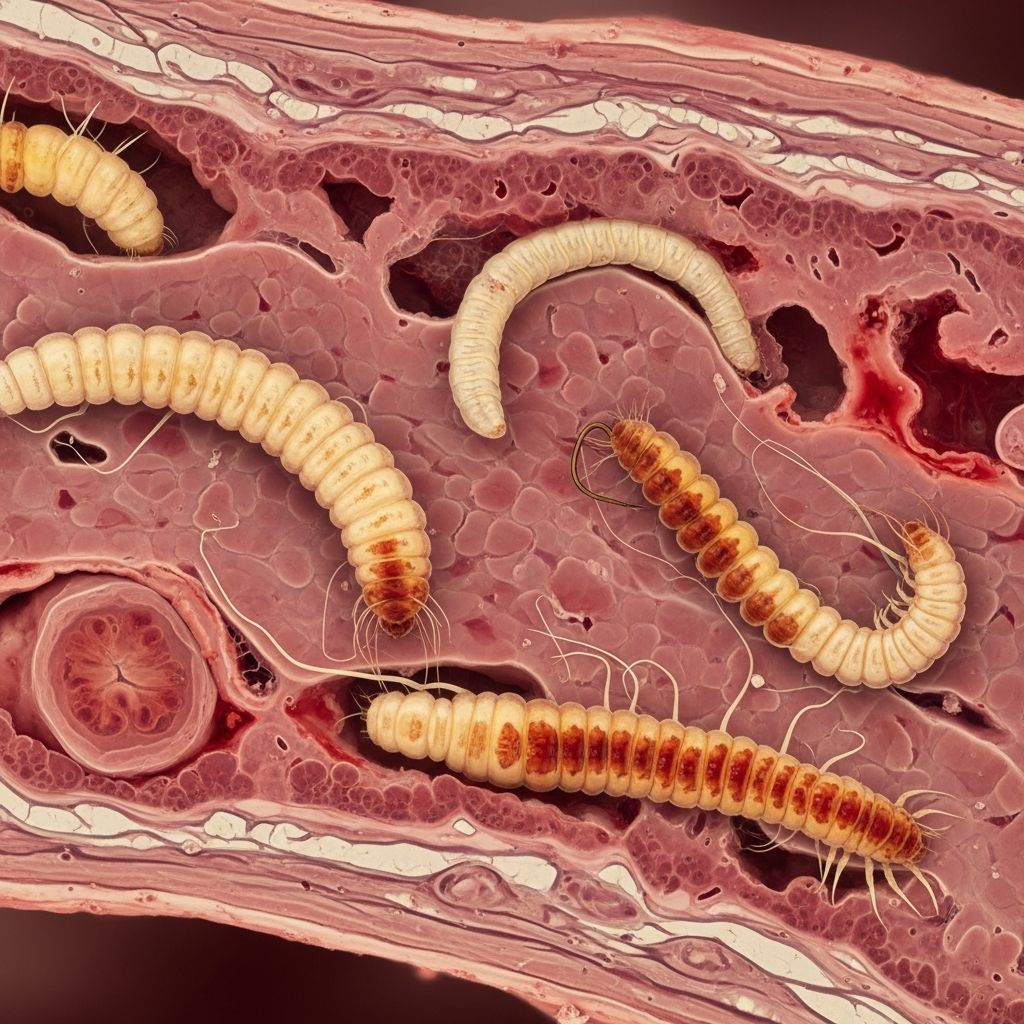
Parasitic worm infections represent one of the most significant health challenges facing poultry producers worldwide. These infections, caused by various species of nematodes and other helminths, can severely compromise flock performance, reduce profitability, and in severe cases, result in mortality. Understanding the biology of these parasites, recognizing their clinical manifestations, and implementing appropriate control measures are essential for maintaining healthy, productive birds.
Understanding Parasitic Worm Infections in Poultry
Parasitic worm infections in poultry occur when various helminth species establish themselves within the digestive tract or other body systems of infected birds. These parasites feed on nutrients, damage intestinal tissue, and produce toxins that negatively impact overall bird health and performance. The prevalence of these infections varies by geographic region, management system, and environmental conditions, making them a consistent concern for both commercial operations and small-scale producers.
The diversity of helminth species affecting poultry is substantial, with different parasites targeting specific anatomical locations within the bird’s body. Some species primarily inhabit the small intestine, while others establish infections in the crop, esophagus, ceca, or respiratory tract. This anatomical specificity influences the clinical presentation and severity of disease.
Major Parasitic Worm Species and Their Characteristics
Roundworm Infestations
Ascaridia species represent the most commonly encountered roundworms in poultry populations globally. These large parasites inhabit the small intestine and can reach substantial sizes, potentially obstructing intestinal flow when present in high numbers. Ascaridia infections are particularly problematic in birds managed under conditions with poor sanitation and limited parasite control programs.
Heterakis species, including H. gallinarum, establish infections primarily in the ceca. While H. gallinarum typically causes mild clinical disease on its own, its significance lies in its role as a mechanical vector for Histomonas meleagridis, the protozoan parasite responsible for histomoniasis. This relationship makes even mild Heterakis infections noteworthy in mixed-species operations containing turkeys or other susceptible species.
Capillaria species (threadworms) present particular challenges due to their anatomical distribution. Different Capillaria species parasitize various portions of the digestive tract, from the crop and esophagus (C. contorta) to the small intestinal wall (C. obsignata). These threadlike parasites cause marked tissue inflammation and thickening, leading to severe clinical disease in heavily infected birds.
Respiratory Parasites
Gapeworms (Syngamus trachea) represent a particularly dangerous parasite group because they establish infections within the respiratory tract. These parasites obstruct air passage and can cause sudden mortality, particularly in young birds. Affected birds display characteristic gasping, head-shaking, and respiratory distress that give this parasite group its common name.
Specialized Parasites in Waterfowl
Ducks and geese encounter different parasitic challenges compared to chickens and turkeys. Amidostomum anseris causes severe damage to the gizzard lining, resulting in tissue necrosis and sloughing. Dispharynx nasuta damages the proventriculus and can prove fatal in heavily infested birds. Tetrameres americana, a conspicuous red worm visible through the proventricular wall, causes significant clinical disease including severe diarrhea and emaciation.
Clinical Presentation and Disease Recognition
Early Signs of Parasitic Infection
The initial manifestations of parasitic worm infection often appear subtle and nonspecific. Affected birds may demonstrate general unthriftiness, characterized by a failure to achieve expected growth rates and overall poor condition. Reduced activity levels and depressed appetite represent early behavioral changes that alert observant producers to potential health problems.
Nutritional parameters deteriorate as parasites compete for dietary nutrients and damage intestinal tissue responsible for nutrient absorption. Weight loss becomes apparent, and feather quality declines, resulting in dull, unkempt plumage. Producers may notice that affected birds appear smaller and less vigorous compared to uninfected flock mates.
Production Performance Impacts
For laying birds, decreased egg production represents one of the most economically significant clinical signs of parasitic infection. Egg production may decline precipitously in infected hens, and the quality of produced eggs may also suffer. This production impact occurs even when other clinical signs remain relatively mild, making it an important economic indicator of parasitic burden.
Severe Manifestations
In cases of heavy parasitic loads or infections with particularly pathogenic species, severe clinical disease develops. Birds may become emaciated and weak, displaying a hunched posture and marked depression. Diarrhea frequently accompanies heavy infections, and respiratory distress characterizes infections with gapeworms or other parasites damaging the respiratory tract. In the most severe cases, sudden mortality can occur without preceding clinical warning.
Intestinal obstruction may develop when large numbers of adult parasites accumulate within the intestinal lumen. This acute condition represents a medical emergency and frequently results in mortality despite treatment interventions.
Transmission Routes and Epidemiology
Understanding how parasitic infections spread throughout poultry populations is critical for implementing effective control strategies. Most helminth infections follow a fecal-oral transmission route, where contaminated droppings from infected birds contain parasite eggs or larvae that are subsequently ingested by susceptible birds.
Environmental contamination plays a central role in disease perpetuation. Parasite eggs shed in droppings contaminate litter, feed, water, and equipment. Under appropriate environmental conditions—particularly moisture and temperature—eggs develop into infective stages. Young birds exploring their environment and engaging in normal foraging behavior frequently ingest contaminated material, perpetuating the infection cycle.
The persistence of parasitic stages in the environment varies by species and environmental conditions. Some parasite eggs survive for extended periods in soil and litter, potentially remaining infective for months or longer. This environmental persistence means that contaminated housing and outdoor areas can serve as sources of infection long after removal of infected birds.
Diagnostic Approaches
Accurate diagnosis of parasitic infections guides treatment decisions and control strategy development. Several diagnostic methods provide information about parasitic burden and infection status.
Fecal Examination
Parasitic egg counts conducted on fecal samples provide quantitative assessment of parasitic burden. This technique identifies the presence of parasite eggs and estimates the intensity of infection. Fecal examinations prove particularly useful for monitoring treatment effectiveness and determining whether control measures have successfully reduced environmental contamination.
Clinical Assessment
Observational evaluation of flock health and performance provides practical diagnostic information. Producers noting poor growth, reduced production, or other clinical signs consistent with parasitic infection should pursue diagnostic confirmation through laboratory examination or consider empirical treatment if clinical evidence is compelling.
Necropsy Findings
Examination of deceased birds provides definitive evidence of parasitic infection. Adult parasites may be recovered from the digestive tract or other affected organs, confirming parasitic involvement in the bird’s death.
Treatment Options and Considerations
Available Therapeutic Agents
The pharmaceutical treatment options for parasitic worm infections in poultry have become increasingly limited. Flubendazole sees widespread use in European poultry operations against Ascaridia species and H. gallinarum at doses of 1.43 mg/kg. Pyrantel tartrate, administered at 15–25 mg/kg, demonstrates effectiveness against adult Ascaridia galli and provides some activity against Capillaria species, though in the United States this represents extra-label drug use.
For tapeworm infections, combination products containing butynorate, piperazine, and phenothiazine have demonstrated efficacy when administered as feed additives or individual tablets. Experimental agents including niclosamide, praziquantel, and chlorophene show promise in research settings but lack approval for use in the United States.
Treatment Strategy Recommendations
Modern parasite management philosophy emphasizes targeted treatment directed at birds with severe infections and clinical disease, rather than routine prophylactic treatment of entire flocks. This approach reduces the selection pressure for anthelmintic resistance, a growing concern in poultry medicine. Targeted treatment also proves more effective at reducing cumulative environmental parasite egg numbers compared to blanket flock treatment.
An important consideration for tapeworm treatment involves the complete removal of the parasite, including its scolex (head structure). If this structure remains attached to intestinal tissue, the parasite regenerates even after apparent successful expulsion of the visible body. Additionally, elimination of intermediate hosts prevents reinfestation from occurring.
Treatment Limitations
Worm burdens frequently rebound rapidly following deworming, particularly when environmental contamination remains high and infected birds continue shedding parasite eggs. This rebound effect means that treatment success depends critically on concurrent implementation of sanitation measures and other control strategies.
Comprehensive Control and Prevention Strategies
Environmental Management
Maintaining clean, dry litter represents one of the most important parasite control measures available to producers. Regular litter management reduces the survival and development of parasite eggs and larvae in the environment. Moisture control proves particularly critical, as many helminths require moisture for egg development and larval survival.
Disinfection of housing and equipment destroys parasite eggs and larvae in the environment. High-pressure spray treatment of premises, with thorough attention to cracks, crevices, and protected areas where parasites may harbor, provides effective environmental decontamination.
Biosecurity Measures
Preventing introduction of infected birds into clean flocks represents the most effective long-term parasite control strategy. Quarantine protocols for newly acquired birds allow time for parasitic infection to become apparent before integration into the main flock. Maintaining separate equipment for different groups prevents cross-contamination through fomites.
Nutritional Support
Birds recovering from parasitic infections benefit from enhanced nutrition to support immune recovery and compensatory growth. Ensuring adequate levels of protein, energy, and micronutrients facilitates restoration of normal health and performance parameters.
Species Separation
In mixed-species operations, separating chickens from turkeys and other susceptible species reduces the risk of transmission of species-specific parasites. This practice proves particularly important for preventing transmission of Heterakis species to turkeys, which would introduce the risk of histomoniasis.
Emerging Challenges in Parasite Control
Anthelmintic Resistance
Reports of resistance developing in parasitic worm populations represent a significant emerging challenge in poultry health management. Indiscriminate use of anthelmintic drugs accelerates selection for resistant parasite populations. This concern has prompted recommendations for more judicious use of available medications, limiting treatment to clinically affected birds with high parasitic burdens.
Declining Medication Options
The number of medications approved for treatment of helminthiasis in poultry has declined over time, reducing treatment flexibility and potentially increasing pressure on remaining available drugs. This trend underscores the importance of prevention-focused management strategies and non-pharmaceutical control measures.
Practical Recommendations for Flock Managers
- Implement routine fecal examination programs to monitor parasitic loads in flocks and assess control measure effectiveness
- Maintain detailed records of clinical observations, mortality, and production parameters to identify potential parasitic problems early
- Design housing and management systems that minimize environmental contamination and provide clean, dry conditions
- Establish quarantine protocols for newly acquired birds and maintain separate equipment for different flocks or age groups
- Reserve anthelmintic treatment for birds with clinical signs and high parasitic burdens rather than conducting routine prophylactic treatment
- Combine treatment with simultaneous environmental decontamination to prevent rapid reinfection
- Consult with veterinary professionals when treatment decisions are uncertain or when control efforts prove unsuccessful
- Monitor for signs of illness and reduced performance that might indicate parasitic infection requiring intervention
Frequently Asked Questions
How can I tell if my birds have parasitic worms?
Common indicators include poor growth, weight loss, dull feathers, reduced egg production, and general unthriftiness. Some birds may display diarrhea. Definitive diagnosis requires fecal examination by a laboratory or recovery of parasites during necropsy.
Are parasitic infections in poultry dangerous to humans?
Most poultry parasites are species-specific and do not infect humans. However, maintaining good hygiene practices when handling birds and collecting eggs remains important for general health protection.
Can parasitic infections be completely eliminated from a flock?
Complete elimination is challenging due to environmental persistence of parasite eggs and potential reintroduction through various sources. However, infections can be effectively managed through integrated control strategies combining treatment, environmental management, and biosecurity measures.
How often should I treat my birds for parasites?
Rather than fixed schedules, treatment should target birds showing clinical signs and high parasitic burdens. Routine prophylactic treatment of entire flocks is no longer recommended due to resistance concerns.
Conclusion
Parasitic worm infections represent a persistent challenge in poultry management, affecting both commercial and small-scale operations. Success in controlling these infections requires comprehensive strategies combining judicious use of available medications, environmental management, biosecurity measures, and early recognition of clinical disease. As treatment options become more limited and resistance concerns grow, emphasis on prevention through appropriate management practices becomes increasingly important for maintaining healthy, productive flocks.
References
- Helminthiasis in Poultry — Merck Veterinary Manual. 2024. https://www.merckvetmanual.com/poultry/helminthiasis/helminthiasis-in-poultry
- Internal Parasites of Poultry — Poultry Science Extension, University of Georgia. 2024. https://poultry.extension.org/articles/poultry-health/internal-parasites-of-poultry/
- Parasitic Diseases in Poultry: Symptoms & Treatment Guide — Bivatec. 2024. https://www.bivatec.com/blog/parasitic-diseases-of-poultry
- Part 4 – External and Internal Parasites of Chickens — NADIS (National Animal Disease Information System). 2024. https://www.nadis.org.uk/disease-a-z/poultry/diseases-of-farmyard-poultry/part-4-external-and-internal-parasites-of-chickens/
- Parasites Affecting Poultry — Westgate Labs. 2024. https://www.westgatelabs.co.uk/info-zone/parasites-affecting-poultry/
Similar Articles








Read full bio of Sneha Tete


