
Marine Mammal Parasites: Risks, Diagnosis, And Treatment
Exploring the diverse parasites affecting marine mammals, their health impacts, and vital management strategies for conservation.
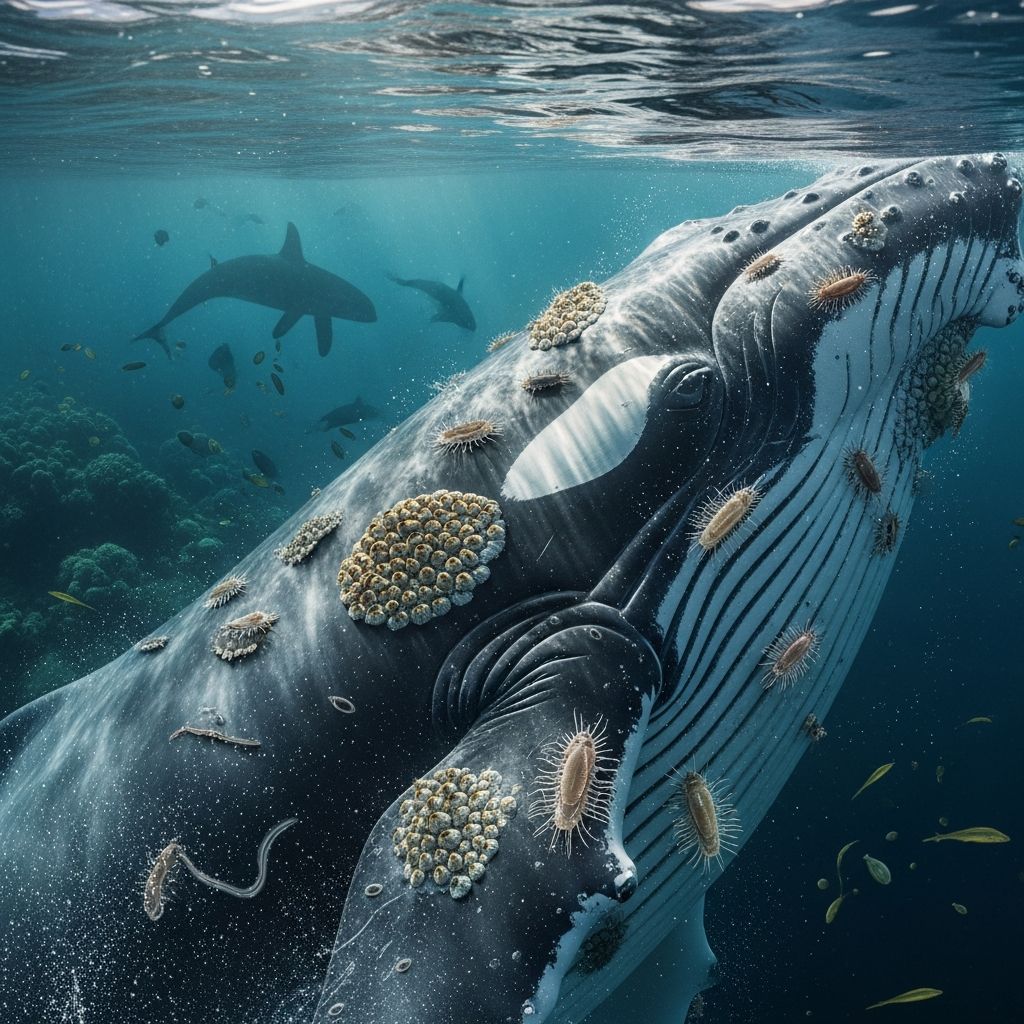
Marine mammals face significant challenges from a variety of parasitic organisms that can compromise their health, reproduction, and survival in both wild and captive environments. These parasites, ranging from nematodes to protozoans, exploit the unique aquatic lifestyles of species like seals, whales, dolphins, and sea otters, often leading to debilitating conditions or death if untreated. Understanding these infections is crucial for veterinarians, conservationists, and researchers working to protect these vital ocean dwellers.
Respiratory Parasites: Lungworms and Their Impact
Lungworms represent one of the most prevalent parasitic threats to marine mammals, particularly cetaceans and pinnipeds. These nematodes reside in the respiratory tract, where they cause inflammation, obstruction, and secondary bacterial infections. Common species include those affecting the lungs of seals and dolphins, leading to chronic respiratory distress.
Initial symptoms often include reduced appetite, persistent coughing, and expulsion of mucus tinged with blood. In advanced cases, affected animals exhibit labored breathing and lethargy, especially when underlying stressors like malnutrition weaken their immune response. These infections can remain dormant for extended periods, only manifesting during times of debilitation from other factors.
- Transmission: Primarily through ingestion of infected intermediate hosts such as fish or crustaceans.
- Diagnosis: Fecal examination for larvae or post-mortem lung analysis revealing coiled worms and granulomas.
- Treatment: Intratracheal mucolytics combined with antiparasitics like ivermectin (0.2 mg/kg) or moxidectin, alongside corticosteroids to mitigate inflammation from dying parasites.
Effective management requires prompt intervention to prevent pneumonia, a frequent complication that drastically reduces survival rates in stranded or rehabilitated animals.
Gastrointestinal Nematodes: Stomach and Intestinal Invaders
Nematodes of the Anasakidae family, including species like Contracaecum, commonly infest the stomachs of cetaceans and pinnipeds. These parasites attach to the gastric mucosa, forming granulomas that erode tissue, cause bleeding, ulcers, and potentially fatal peritonitis from perforation.
Captive polar bears and wild sea lions are particularly susceptible, with raw fish consumption being a primary vector. Symptoms include abdominal pain, vomiting, weight loss, and in severe cases, intestinal blockage.
| Parasite Type | Common Hosts | Key Symptoms | Treatment Options |
|---|---|---|---|
| Anisakids | Cetaceans, Pinnipeds | Ulcers, Peritonitis | Praziquantel (10-25 mg/kg) |
| Ascarids | Polar Bears, Seals | Obstruction, Malnutrition | Ivermectin, Supportive Care |
Diagnosis involves endoscopic visualization or fecal flotation for eggs. Prevention focuses on diet control in captivity, avoiding raw infected prey.
Cestode Infections: Tapeworms in Marine Hosts
Tapeworms, or cestodes, thrive in the intestines of marine mammals, with species like Diphyllobothrium pacificum prevalent in sea lions. Heavy burdens lead to nutrient malabsorption, anemia, and life-threatening obstructions.
Other notable cestodes include Diplogonoporus tetrapterous in pinnipeds and Tetrabothrium forsteri in whales. Infected animals often show emaciation, diarrhea, and pot-bellied appearances due to blockage.
- Heavy infections correlate with poor body condition and reduced reproductive success.
- Detection through proglottid segments in feces or ultrasound imaging.
- Praziquantel at 10 mg/kg effectively eliminates adults, with follow-up doses for larvae.
Trematode Challenges: Flukes Across Organ Systems
Trematodes, or flukes, target multiple organs including the stomach, liver, pancreas, and even the brain in marine mammals. Operculated eggs in blowhole swabs or feces signal infection, often linked to nasal discharge, halitosis, and neurological signs like disorientation.
Hepatic flukes cause jaundice, elevated liver enzymes, and anorexia in adults. Pancreatic involvement leads to fibrosis observed at necropsy. Brain lesions from migrating flukes contribute to behavioral anomalies in cetaceans.
Treatment success with praziquantel (10 mg/kg) or bithionol (20 mg/kg) has been documented, emphasizing early detection via fecal ova identification.
Protozoan Parasites: Focus on Toxoplasmosis
Toxoplasma gondii stands out as a devastating protozoan parasite affecting diverse marine mammals, from sea otters to dolphins and manatees. In California sea otters, it triggers encephalitis, with fatal outcomes common due to protozoal invasion of the central nervous system.
Symptoms range from subclinical to severe: seizures, ataxia, and abortions in cetaceans via transplacental spread. Serological evidence expands across species including polar bears and monk seals.
- Transmission: Oocysts from terrestrial runoff contaminate coastal waters, infecting via contaminated prey.
- Diagnosis: PCR on tissues, serology for antibodies.
- Management: Clindamycin or sulfadiazine in acute cases; prevention via watershed management.
This zoonosis highlights links between land pollution and marine health, with implications for human populations via shared environments.
Other Notable Parasites and Emerging Concerns
Beyond major groups, acanthocephalans and additional protozoans pose risks. Heart-infesting nematodes in phocid seals rarely cause microfilaremia but contribute to cardiac pathology. Emerging data suggest mycoplasma and viral co-infections exacerbate parasitic burdens, mimicking zoonotic patterns in humans.
In pinnipeds, polyarthritis and pneumonia from secondary invaders compound nematode damage. Conservation efforts monitor stranding events for parasite loads, informing rehabilitation protocols.
Diagnostic Approaches and Veterinary Interventions
Accurate diagnosis is foundational: combine necropsy findings, imaging, and parasitological exams. Fecal centrifugation reveals eggs/larvae; bronchoalveolar lavage detects lungworm stages. Serology aids protozoan detection.
Treatment regimens tailor to parasite location and host status:
| Parasite Group | Primary Drug | Dosage | Adjunct Therapy |
|---|---|---|---|
| Nematodes | Ivermectin | 0.2 mg/kg | Antibiotics |
| Cestodes/Trematodes | Praziquantel | 10 mg/kg | Fluids |
| Protozoa | Clindamycin | 12 mg/kg BID | Anti-inflammatories |
Supportive care—nutrition, hydration—enhances recovery rates in rehab facilities.
Zoonotic Risks from Marine Parasites
While primarily affecting marine mammals, some parasites pose human health risks. Anisakids in raw seafood cause anisakiasis, with larvae penetrating gastric walls. Toxoplasma oocysts in runoff threaten immunocompromised individuals. Handlers risk exposure during necropsies or rehab, underscoring PPE and hygiene protocols.
Conservation Implications and Prevention Strategies
Parasitic diseases drive strandings and population declines, exacerbated by climate change and pollution. Runoff amplifies Toxoplasma spread; overfishing disrupts host balances.
Strategies include:
- Captive diet screening for metazoans.
- Habitat protection to curb protozoan inputs.
- Stranding response networks for early intervention.
- Research into vaccines and novel anthelmintics.
Collaborative efforts between NOAA, wildlife agencies, and vets are pivotal.
Frequently Asked Questions (FAQs)
What are the most common parasites in dolphins?
Lungworms, gastric nematodes, and trematodes predominate, causing respiratory and digestive issues.
Can marine mammal parasites infect humans?
Yes, anisakids via raw fish and Toxoplasma via contaminated water pose zoonotic threats.
How do you treat lungworm in seals?
Ivermectin or moxidectin with mucolytics and steroids to manage die-off reactions.
Why is Toxoplasma a big issue for sea otters?
Coastal runoff delivers oocysts, leading to fatal encephalitis in this sentinel species.
What role does diet play in parasitic infections?
Raw fish transmits many metazoans; processed feeds reduce risks in captivity.
References
- Marine Mammal Zoonoses: A Review of Disease Manifestations — PMC. 2020-08-28. https://pmc.ncbi.nlm.nih.gov/articles/PMC7477081/
- Parasitic Diseases of Marine Mammals — Merck Veterinary Manual. 2023. https://www.merckvetmanual.com/exotic-and-laboratory-animals/marine-mammals/parasitic-diseases-of-marine-mammals
- Toxoplasmosis and Its Effects on Hawaiʻi Marine Wildlife — NOAA Fisheries. 2024. https://www.fisheries.noaa.gov/pacific-islands/endangered-species-conservation/toxoplasmosis-and-its-effects-hawaii-marine
- About Anisakiasis – Herring Worm Disease — CDC. 2023-06-15. https://www.cdc.gov/anisakiasis/about/index.html
Similar Articles








Read full bio of Sneha Tete


