

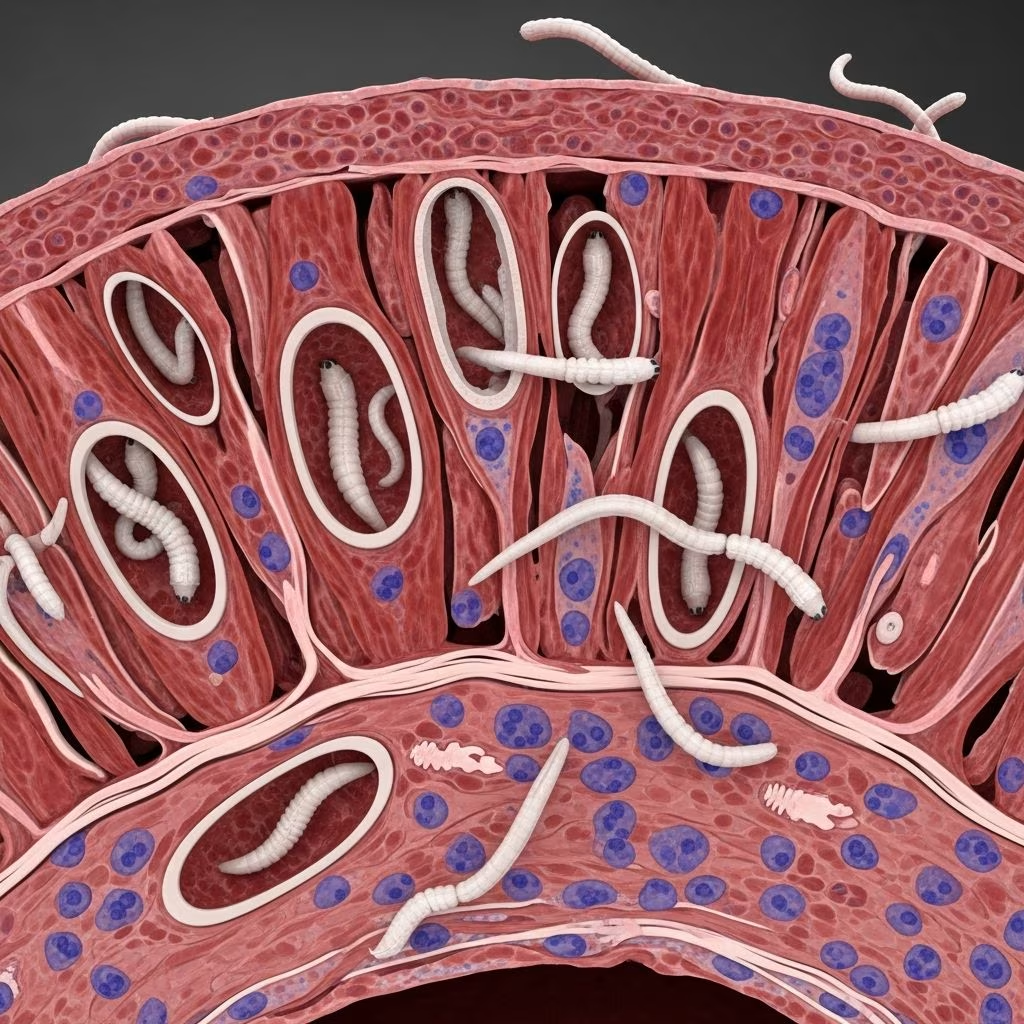
Parasitic infections that target muscle tissue represent a significant health concern for dog owners, particularly those who feed their pets raw or undercooked meat products. This disease, caused by microscopic roundworms that establish themselves in muscle cells, can range from mild gastrointestinal disturbances to severe systemic illness affecting the heart and nervous system. Understanding the mechanisms of infection, recognizing warning signs, and implementing preventive measures are essential components of responsible pet ownership.
What Causes This Parasitic Muscle Disease?
The disease originates from consumption of infected meat containing dormant larval cysts. When a dog ingests raw or inadequately cooked meat—particularly pork products or wild game—the parasitic organisms activate in the digestive tract. The microscopic larvae mature rapidly within the intestinal walls before migrating systematically through tissue barriers and embedding themselves in muscle fibers, where they encapsulate and can persist for extended periods. This parasitic life cycle represents one of the most persistent zoonotic infections affecting both domestic animals and humans.
Transmission Routes and Infection Sources
Dogs become infected through dietary exposure to contaminated meat products. Common sources include:
- Undercooked pork and pork byproducts
- Improperly prepared wild game meats
- Unregulated meat waste and discarded food containing pork
- Hunting and consumption of infected wildlife
- Raw meat diets without proper freezing or heating protocols
The parasitic organisms can survive in frozen meat only under specific conditions. Standard freezer temperatures are generally insufficient to eliminate cysts in wild game and non-pork meat sources, though freezing protocols can effectively reduce viability in pork products when temperatures and duration are precisely controlled.
Clinical Progression and Symptom Recognition
Parasitic muscle disease manifests in two distinct phases, each presenting different clinical challenges and requiring different management approaches. Understanding the timeline of symptom development helps owners identify infection quickly and seek appropriate veterinary intervention.
Initial Gastrointestinal Phase
The first phase occurs within 2-7 days following infection, as larvae mature and establish themselves within the intestinal epithelium. During this period, dogs typically exhibit digestive distress including vomiting, diarrhea, and loss of appetite. Many affected dogs also display lethargy and general malaise, appearing unwell and unwilling to engage in normal activities. This phase often goes unrecognized as owners may attribute symptoms to dietary indiscretion or minor gastroenteritis rather than parasitic infection.
Secondary Systemic Phase
As larvae complete their migration into muscle tissue, the disease progresses to a more serious phase characterized by muscle-specific and systemic manifestations:
- Progressive muscle stiffness and pain (myalgia) causing reluctance to move or lameness
- Elevated body temperature and fever episodes
- Facial or limb swelling (edema) reflecting inflammatory response
- Eye inflammation and conjunctivitis
- Weakness and depression affecting normal activities
- Loss of appetite and progressive weight loss
- Agitation and behavioral changes related to discomfort
In severe infections, systemic complications can develop including myocarditis (heart muscle inflammation), respiratory difficulties, and neurological abnormalities. These severe manifestations may emerge 4-6 weeks post-infection and can potentially prove fatal without aggressive intervention.
Diagnostic Approaches and Veterinary Assessment
Accurate diagnosis requires integration of multiple diagnostic modalities since no single test provides definitive confirmation in all cases. Veterinary professionals typically employ a systematic approach combining clinical history, laboratory analysis, and tissue examination.
Initial Assessment and History
Veterinarians begin by obtaining detailed information about dietary practices, particularly recent exposure to raw or undercooked meat products. The timeline of symptom onset relative to dietary exposure provides critical diagnostic context. Dogs with access to raw meat diets, table scraps containing pork, or those with hunting backgrounds demonstrate higher risk profiles.
Laboratory and Tissue Analysis
Diagnostic investigations include:
- Fecal examination detecting larval presence (though sensitivity remains limited in natural infections)
- Serum analysis revealing elevated antibody titers and inflammatory markers
- Muscle tissue sampling through biopsy when definitive identification becomes necessary
- Bloodwork documenting evidence of systemic inflammation and metabolic derangement
Serological testing can identify antibodies produced in response to parasitic antigens, providing supportive evidence of infection. Muscle biopsy, considered the gold standard for confirmation, directly identifies larvae within muscle tissue but remains invasive and typically reserved for cases where other diagnostic methods prove inconclusive.
Treatment Protocols and Management Strategies
Treatment approaches aim to eliminate parasitic organisms and manage secondary inflammatory complications. Early intervention proves most effective, particularly when treatment begins before widespread muscle migration occurs.
Antiparasitic Medication
Benzimidazole compounds, particularly mebendazole and albendazole, represent the primary pharmacological interventions. These medications prove most effective when administered during early disease stages, potentially preventing muscle invasion altogether. Alternative agents such as ivermectin and other macrocyclic lactones may provide supplementary benefits. Treatment courses typically extend 2-4 weeks, with follow-up evaluation confirming parasitic elimination.
Supportive and Symptomatic Management
Beyond antiparasitic therapy, comprehensive care addresses inflammatory consequences and clinical complications:
- Non-steroidal anti-inflammatory drugs (NSAIDs) reducing muscle pain and swelling
- Corticosteroids managing severe inflammatory responses
- Intravenous fluid therapy for dehydrated patients
- Environmental modifications including soft bedding and rest protocols
- Cardiac and respiratory monitoring in severe cases
- Nutritional support maintaining body condition during recovery
Dogs presenting with severe myalgia or signs of cardiac involvement require intensive monitoring for potential complications. Rest and restricted activity facilitate recovery by minimizing additional muscle stress during the critical healing phase.
Recovery Timeline and Long-Term Outcomes
Prognosis varies considerably based on infection severity, timing of treatment initiation, and extent of systemic involvement. Mild infections typically resolve completely within weeks to months following treatment, with most dogs returning to normal function without lasting complications.
Severe infections involving significant muscle involvement or cardiac complications present more guarded prognoses. Complete recovery may require 2-6 months, and some dogs experience persistent weakness, muscle pain, or cardiac dysfunction extending months or years after initial infection. Dogs recovering from severe infections require long-term veterinary monitoring to detect and manage delayed complications.
Factors Influencing Recovery
| Factor | Impact on Recovery |
|---|---|
| Treatment Timing | Early intervention improves outcomes; delayed treatment reduces effectiveness |
| Infection Severity | Mild cases recover quickly; severe cases require extended management |
| Systemic Involvement | Cardiac or neurological complications worsen prognosis |
| Patient Age and Health | Young, healthy dogs recover more readily than geriatric or immunocompromised individuals |
| Supportive Care Quality | Comprehensive management accelerates recovery and prevents complications |
Prevention: The Most Effective Strategy
Since treatment remains challenging and recovery can be protracted, prevention represents the most practical and effective approach to protecting canine health. Multiple prevention strategies address different risk exposures and dietary practices.
Meat Preparation and Temperature Control
Proper cooking represents the primary prevention mechanism. Internal temperature thresholds eliminate parasitic cysts effectively:
- Pork roasts: minimum internal temperature of 145°F (63°C)
- Ground pork products: minimum internal temperature of 160°F (71°C)
- Wild game: temperatures equivalent to pork standards
Using meat thermometers ensures accurate temperature verification throughout meat products. Owners feeding raw meat diets must understand the inherent risks and implement appropriate safety protocols, including sourcing from reputable suppliers providing certified parasite-free products.
Freezing Protocols and Storage Management
Freezing can reduce parasitic viability in pork products under controlled conditions, though effectiveness varies considerably with wild game. The relationship between temperature, duration, and parasitic survival remains complex, and freezing cannot be reliably depended upon to eliminate all parasitic forms in non-pork meats. Safe freezing requires specific temperature-time combinations that home freezers may not consistently maintain.
Dietary Hygiene and Environmental Control
Dogs with hunting access or unsupervised outdoor time face elevated infection risks from wildlife consumption. Preventive measures include:
- Restricting access to wild game and carrion
- Preventing consumption of small game, rodents, and other wildlife
- Securing trash and food waste containing pork products
- Supervising outdoor activities in regions with endemic wildlife parasites
- Educating family members about raw meat feeding risks
Frequently Asked Questions
Can humans contract this parasitic disease from infected dogs?
Direct transmission from dogs to humans does not occur. Humans contract infection through consumption of inadequately cooked contaminated meat, not through contact with infected animals. However, infected animals and humans share common exposure sources (undercooked meat), warranting attention to food safety practices for both.
Is this disease common in domestic dogs?
Infection prevalence in domestic dogs has declined significantly due to improved swine farming and meat inspection protocols in developed countries. However, dogs with access to wild game or raw meat diets remain at considerable risk, and infection prevalence remains substantial in regions with less rigorous meat handling standards.
What is the cost of treatment?
Treatment costs vary based on infection severity, diagnostic testing requirements, medication duration, and supportive care intensity. Mild cases may require several hundred dollars, while severe infections requiring hospitalization and intensive monitoring can exceed several thousand dollars. Pet insurance may provide coverage depending on policy specifications.
Can infected dogs transmit parasites through feces?
Dogs infected with this parasitic disease can shed larvae through feces, particularly during early infection stages. While fecal shedding presents minimal risk to other dogs (who would require consuming the fecal material), it represents a potential transmission route in multi-dog households with poor sanitation practices.
Are certain dog breeds more susceptible?
Susceptibility appears related to behavioral factors and dietary exposure rather than breed predisposition. Hunting breeds with access to raw game and dogs fed raw meat diets demonstrate elevated infection rates regardless of genetic background.
Conclusion
Parasitic muscle disease in dogs represents a preventable yet potentially serious health threat requiring awareness, proactive management, and veterinary intervention when infection occurs. The disease’s progressive nature and potential for severe complications underscore the importance of recognizing early clinical signs and seeking prompt veterinary diagnosis. Treatment success depends significantly on early intervention, making rapid recognition essential for optimal outcomes. Most importantly, implementing appropriate prevention strategies through proper meat preparation, dietary caution, and environmental management provides definitive protection against this parasitic infection, making prevention the most practical approach for conscientious dog owners.
References
- Vet’s 2025 Guide to Canine Trichinosis (Trichinellosis) — Ask A Vet. 2025. https://askavet.com/blogs/news/vet-s-2025-guide-to-canine-trichinosis-trichinellosis
- Trichinosis in a dog — PubMed/National Center for Biotechnology Information. 1984. https://pubmed.ncbi.nlm.nih.gov/2211292/
- Pork Roundworm Infection in Dogs — PetMD. https://www.petmd.com/dog/conditions/infectious-parasitic/c_dg_trichinosis
- Trichinellosis (Trichinosis) in Dogs – Dog Owners — Merck Veterinary Manual. https://www.merckvetmanual.com/dog-owners/disorders-affecting-multiple-body-systems-of-dogs/trichinellosis-trichinosis-in-dogs
- Trichinosis – Symptoms & causes — Mayo Clinic. https://www.mayoclinic.org/diseases-conditions/trichinosis/symptoms-causes/syc-20378583
- Trichinosis: Causes, Symptoms, Treatment & Prevention — Cleveland Clinic. https://my.clevelandclinic.org/health/diseases/7142-trichinosis



