

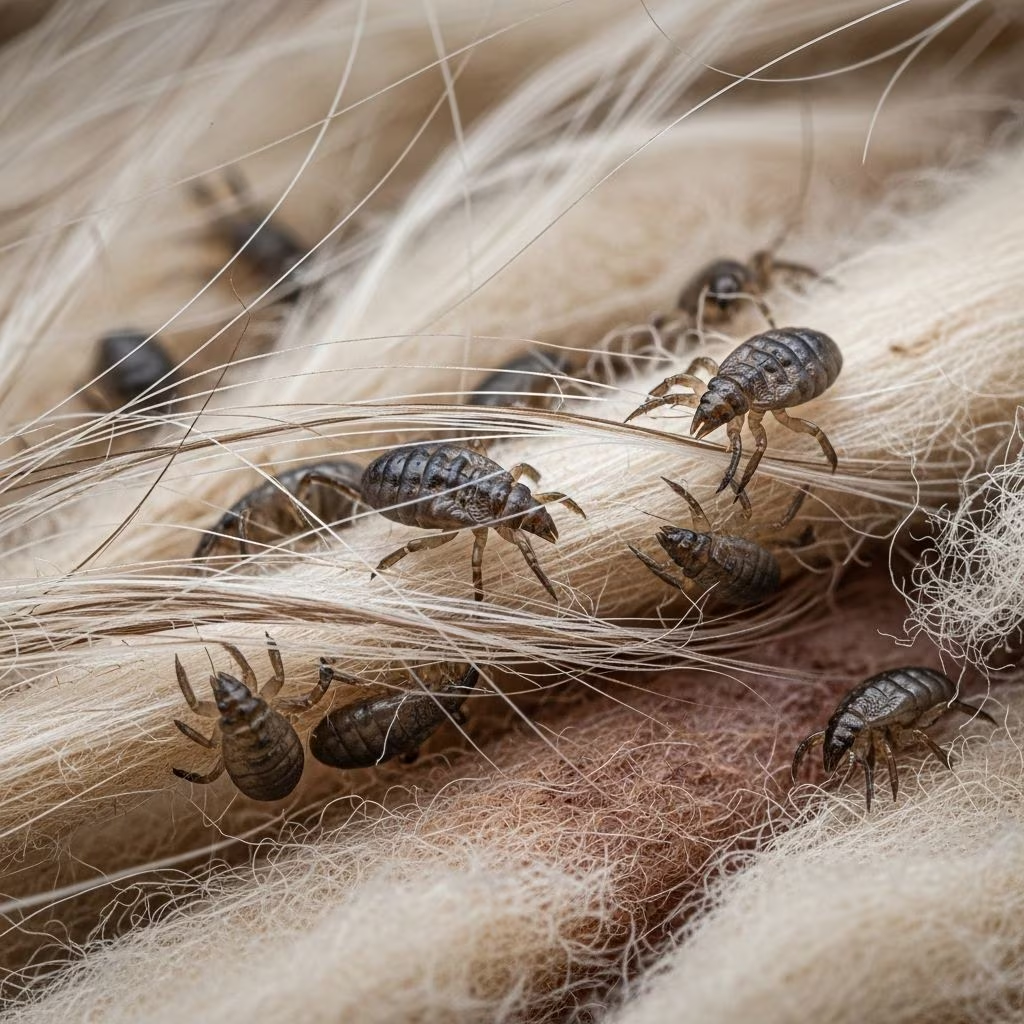
Overview of Lice as Integumentary Parasites
Lice represent one of the most significant external parasites affecting sheep and goat production systems worldwide. These wingless insects parasitize the integumentary system—the skin and hair coat—causing considerable discomfort and economic losses to producers. Unlike many other parasites that depend on intermediate hosts or environmental transmission, lice spend their entire life cycle directly on the animal, making them highly efficient at spreading through susceptible populations. Understanding the biology, ecology, and management of these parasites is essential for maintaining healthy flocks and herds.
The prevalence of lice infestations varies dramatically with seasonal conditions, with the most severe burdens occurring during cooler months when animals develop thick winter coats that provide ideal shelter for louse populations. Animals experiencing nutritional deficiencies or poor body condition are particularly vulnerable to heavy infestations, as their compromised immune systems cannot effectively control parasite populations.
Primary Louse Species Affecting Small Ruminants
Small ruminants are susceptible to biting lice, also known as chewing lice, which belong to the order Mallophaga. These insects possess specialized mouthpieces adapted for gnawing at the skin surface, hair shafts, and epidermal debris rather than piercing the skin to extract blood. This feeding mechanism differs fundamentally from sucking lice, though most lice found on sheep and goats are of the biting variety.
Species Distribution in Sheep
Sheep typically harbor a single predominant species of chewing lice that shows a preference for specific body regions, particularly the dorsal surface and back areas. This species-specific distribution reflects the microhabitat preferences of individual louse species, which are influenced by factors such as hair density, skin temperature, and humidity levels in different body regions.
Species Distribution in Goats
Goat populations support a more diverse louse fauna, with three primary species commonly documented in infested herds. These species include Bovicola caprae, Bovicola crassipes (particularly prevalent in Angora goats), and Bovicola limbata. Goat lice demonstrate a marked predilection for the neck and shoulder regions, though infestations can spread to other body areas as parasite burdens increase. The presence of multiple species within a single herd is not uncommon, and these species may coexist on individual animals.
Life Cycle and Development Timeline
The complete life cycle of goat lice typically spans approximately one month under optimal conditions, though duration may vary based on ambient temperature and host factors. Understanding this developmental timeline is crucial for implementing effective treatment protocols. The entire life cycle occurs directly on the host animal, with no free-living environmental stages requiring intervention.
Female lice deposit eggs directly onto the hair shafts near the skin surface, where they remain firmly attached throughout development. These eggs, termed nits, are highly resistant to environmental conditions and many chemical treatments. The nymphal stages that emerge from eggs gradually increase in size through successive molts before reaching reproductive maturity. This extended developmental period means that a single treatment with most insecticides will eliminate adult and juvenile lice but fail to kill eggs, necessitating follow-up treatments to target lice hatching from surviving eggs.
Clinical Manifestations of Infestation
Animals infested with lice display characteristic behavioral and physical signs that alert observant producers to parasite problems. The most obvious clinical indicator is excessive grooming and scratching behavior directed at affected body regions. Animals may rub against stationary objects, bite at their own hair coat, or display unusual restlessness. These behavioral changes reflect the intense pruritus (itching) caused by louse feeding activities and the mechanical irritation of crawling parasites.
Progressive infestations lead to noticeable deterioration in hair coat and skin condition. Affected animals develop dull, dry, and matted hair coats that lack the glossy appearance characteristic of healthy animals. Patchy areas of hair loss, termed alopecia, emerge as animals scratch and bite at heavily infested regions. The skin beneath damaged hair often appears inflamed, and secondary bacterial infections may develop in areas where the skin barrier has been compromised by intensive scratching.
In severe cases, lice infestations contribute to reduced weight gain, decreased milk production, and poor overall performance. These production losses occur through multiple mechanisms: direct nutrient loss through blood-feeding (in the case of sucking lice) or energetic costs of scratching and grooming, stress-induced immune suppression, and secondary complications from self-trauma and infections.
Diagnostic Approaches for Confirming Lice
Definitive diagnosis requires visual identification of lice on the animal. A thorough examination should include close inspection of the neck, shoulders, and dorsal regions—areas where lice concentrate. Parting the hair coat and observing the skin surface may reveal moving lice, which are typically small, pale-colored insects approximately 2-4 millimeters in length. Egg cases (nits) appear as small, tan to white structures firmly cemented to individual hair shafts and are often more conspicuous than the adult insects themselves.
When infestations are suspected but visual examination yields uncertain results, collection of hair and skin scrapings can be submitted for microscopic examination. Under magnification, lice, nymphs, and nits become readily identifiable, allowing for confirmation of diagnosis and species identification when necessary.
Factors Predisposing Animals to Heavy Infestations
Certain management and nutritional factors significantly influence the likelihood and severity of lice infestations within a flock or herd. Understanding these risk factors enables producers to implement preventive strategies targeting susceptible animals.
- Poor nutritional status and low body condition: Animals receiving inadequate feed quantity or quality develop compromised immune function and reduced capacity to control parasite populations naturally. Providing high-energy diets has been demonstrated as an effective louse control strategy, as improved nutrition supports stronger immune responses.
- Long hair coats: Animals with thick, long coats provide superior shelter and microhabitat conditions for louse populations. Winter months, when animals develop full fleece or winter coats, consistently show the highest lice prevalence.
- Crowding and stress: High stocking densities and stressful management conditions facilitate parasite transmission between animals and suppress immune function.
- Age and prior exposure: Young animals and animals newly introduced to a group may lack immunity to local lice populations, making them particularly susceptible.
- Comorbid parasitic infections: Animals harboring multiple parasite species experience additive immunological stress that impairs ability to control lice.
Chemical Control Methods and Insecticide Options
Multiple insecticide formulations are available for lice control in sheep and goats. Successful treatment depends on selecting appropriate products, applying them correctly, and implementing follow-up treatments to address eggs hatching after initial application. All insecticides used must be approved for the target species, and label directions regarding dosage, application method, safety intervals, and withdrawal periods must be strictly observed.
Synthetic Pyrethroid Products
Synthetic pyrethroids represent the most commonly recommended insecticide class for lice control and include permethrin, cypermethrin, and related compounds. These products function as neurotoxins, disrupting normal nervous system function in insects. Permethrin is available in multiple formulations, including sprays, pour-on liquids, and dust preparations. Pour-on formulations offer convenience for treating individual animals or small groups, while spray applications allow more thorough coverage of larger populations when properly applied with appropriate pressure and volume.
The effectiveness of pyrethroid products is enhanced when applications are made to animals in short or clipped fleece, as longer hair coats reduce penetration of the insecticide to skin areas where lice concentrate. Repeat applications are typically necessary at 10-14 day intervals to target lice emerging from eggs present at the time of initial treatment. Some pyrethroid products combined with piperonyl butoxide (a synergist that enhances insecticidal activity) provide extended residual activity lasting several months from a single application.
Alternative Insecticide Classes
Organophosphate compounds such as diazinon and coumaphos have been used for lice control, though these products carry significant toxicity concerns and are increasingly restricted or discontinued in many regions. Injectable macrocyclic lactones, including ivermectin, eprinomectin, and doramectin, are highly effective against larval stages and can provide control when administered at appropriate intervals. However, injectable formulations used to treat other conditions may not be licensed for lice treatment in some jurisdictions and may constitute extra-label use requiring veterinary authorization.
Natural and Alternative Products
Essential oil-based formulations containing rosemary and peppermint oils represent botanical alternatives to synthetic insecticides, though their efficacy and residual activity may be inferior to conventional treatments. These products may appeal to organic producers or those seeking reduced synthetic chemical exposure, but should be evaluated for effectiveness before relying on them as primary control measures.
Treatment Protocol and Application Strategy
Effective lice control requires simultaneous treatment of all animals in the affected group, as partial treatment allows untreated animals to serve as parasite reservoirs. The entire animal must be thoroughly covered with insecticide, with particular attention to the neck, shoulders, and other preferred louse habitats.
| Treatment Method | Application Details | Advantages | Disadvantages |
|---|---|---|---|
| Spray | Apply 1-2 quarts of coarse spray per animal; use 150-250 PSI pressure for thorough coverage | Ensures comprehensive body coverage; good for large groups | Labor intensive; requires equipment; safety precautions needed |
| Pour-On | Apply along back and down face; dosage based on body weight (typically 1.5 mL per 50 lbs) | Easy application; less labor intensive; safe handling | May be less effective on heavily infested animals; higher per-animal cost |
| Dust | Apply 2 oz evenly distributed over head, ears, neck, shoulders, and back | No mixing required; safe application; useful for young animals | Less residual activity; requires careful application for effectiveness |
A second treatment administered 10-14 days after the initial application is essential for virtually all lice control programs. This follow-up treatment targets lice that have hatched from eggs present during the first application. Some extended-residual products may provide adequate protection with a single annual application when applied at the appropriate season, but label recommendations should be consulted.
Environmental Management and Sanitation
While lice are obligate parasites spending their entire life cycle on the host, environmental decontamination can reduce the risk of transmission when animals come into contact with infested premises. Infested animals should be separated from susceptible animals when possible, and all bedding, stalls, grooming equipment, and housing areas that have contacted infested animals should be cleaned thoroughly. Particular attention should be paid to grooming and shearing equipment, as lice can remain viable on contaminated clipper blades and brushes, facilitating transmission to subsequently groomed animals.
Newly acquired animals should be isolated from the established group for at least two weeks following purchase or transfer, with treatment applied during this quarantine period. A second treatment after 10-14 days ensures elimination of parasites that hatch during isolation, reducing the risk of introducing lice to the main herd.
Prevention Strategies and Herd Health Management
Proactive prevention approaches reduce the likelihood of establishing louse infestations and minimize treatment needs. Regular visual inspection of all animals, particularly during high-risk seasons, allows early detection of lice before infestations become severe. Animals showing signs of itching, hair loss, or dull coat conditions should receive immediate attention with diagnostic examination and treatment if necessary.
Maintaining optimal nutritional status through provision of balanced, high-quality diets supports robust immune function and natural resistance to parasites. Animals in good body condition display superior parasite resistance compared to thin, malnourished animals receiving marginal nutrition.
Regular grooming and shearing practices provide both preventive and therapeutic benefits. Grooming removes lice eggs from the hair coat and promotes early detection of infestations through visual inspection. Strategic shearing, particularly following the seasonal buildup of winter lice populations, removes parasites physically and eliminates the dense hair shelter that facilitates louse survival. Post-shearing application of insecticides is highly effective because treatments penetrate to the skin surface more readily when hair length is reduced.
Seasonal Considerations and Timing
Lice infestations follow predictable seasonal patterns, with highest prevalence and burden occurring from late fall through late spring. This seasonality reflects the development of protective winter coats and reduced immune function during cooler months. Treatment and prevention programs should be timed to address these seasonal risks, with emphasis on detecting and treating infestations before populations establish and spread throughout the herd.
Spring shearing combined with post-shearing insecticide application provides an excellent opportunity to simultaneously remove parasites and treat animals during their most vulnerable period as new fleece growth begins. This strategic timing can significantly reduce lice problems throughout the subsequent grazing season.
Frequently Asked Questions
How long does it take for lice infestations to develop after exposure?
Louse eggs hatch and progress through nymphal stages over approximately 3-4 weeks, so visible infestations may not appear for 2-4 weeks following initial parasite exposure. Isolated newly introduced animals for at least 14 days after purchase to identify and treat any lice present before mixing with the main herd.
Can lice from goats transmit to sheep or other species?
Lice species are highly host-specific, meaning goat lice cannot establish infestations on sheep and vice versa. However, maintaining separate equipment and grooming supplies for different species prevents accidental mechanical transmission and represents good biosecurity practice.
What withdrawal periods must be observed with lice treatments?
Withdrawal periods vary by product. Most topical pyrethroids carry minimal or zero milk and meat withdrawal periods, but specific label requirements must be verified. Products like coumaphos require 15-day pre-slaughter intervals. Always consult product labels and veterinary guidance before treatment.
Why does lice control fail despite treatment application?
Common reasons for treatment failure include incomplete body coverage, failure to perform follow-up treatments targeting eggs, inadequate product penetration on animals in full fleece, and treatment of only some animals in the group. Consistent application of recommended protocols substantially improves outcomes.
Conclusion
Lice infestations in sheep and goats remain manageable challenges when approached systematically through integrated parasite management combining chemical control, environmental management, and herd health optimization. Modern insecticides provide highly effective treatment options when applied correctly, and strategic prevention measures can substantially reduce the incidence and severity of parasitic problems. Success requires attention to seasonal risks, meticulous application of treatments, completion of follow-up applications, and maintenance of nutritional and environmental conditions that support strong host immune responses.
References
- External Parasites of Goats — Oklahoma State University Extension. 2024. https://extension.okstate.edu/fact-sheets/external-parasites-of-goats.html
- Sheep and Goat-Lice Management — Pacific Northwest Handbooks, Oregon State University. 2024. https://pnwhandbooks.org/insect/livestock/sheep-goat/sheep-goat-lice
- Guide for Control of External Parasites of Sheep and Goats — New Mexico State University. 2024. https://pubs.nmsu.edu/_b/B112/
- Lice in Sheep — National Animal Disease Information System (NADIS), United Kingdom. 2024. https://clients.nadis.org.uk/planner-articles/lice-in-sheep/
- How to Prevent Lice in Sheep & Goats — PBS Animal Health. 2024. https://www.pbsanimalhealth.com/blog/learning-center/b/stop-lice-infestations/
- Goat Lice Management — Forth Veterinary Services, Australia. 2024. https://www.forthvet.com.au/blog/goat-lice-management



