

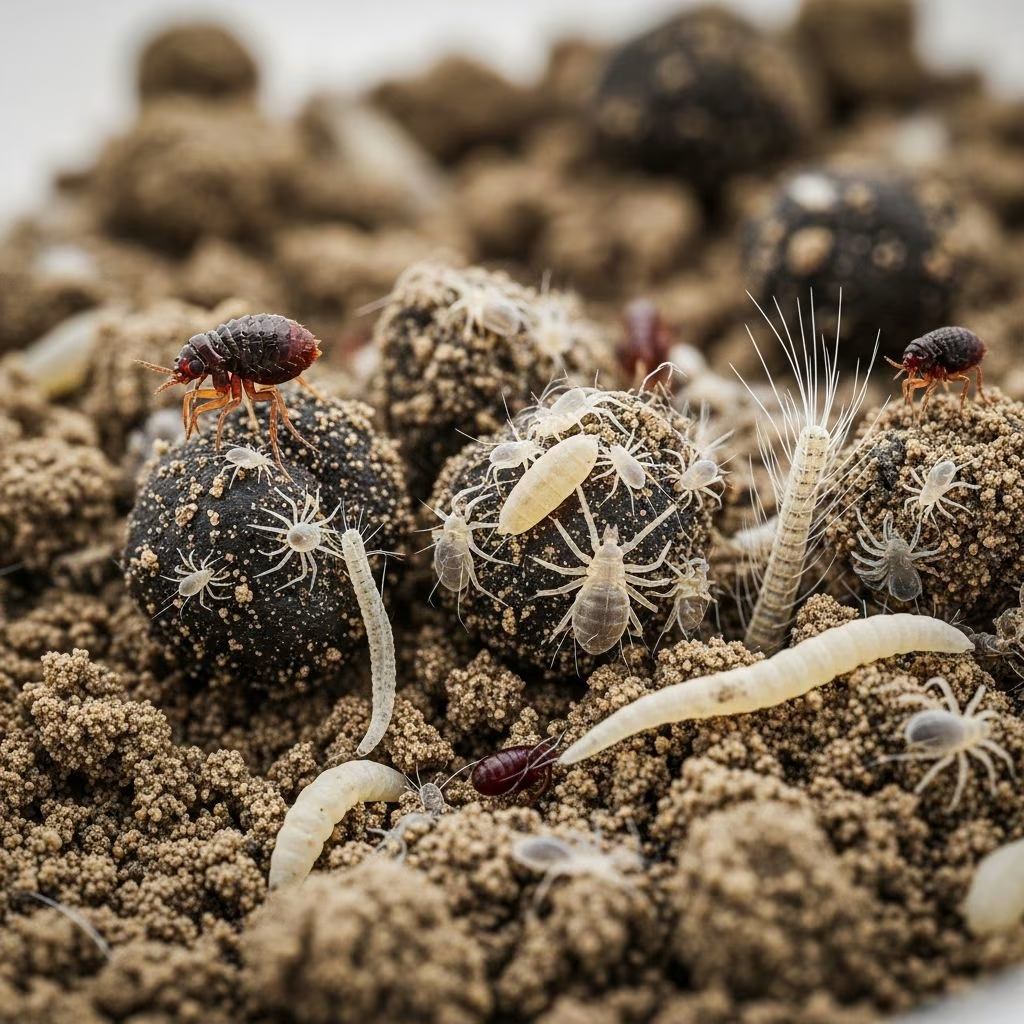
The litter box serves as one of the most critical components of feline hygiene management, yet it can also become a breeding ground for various organisms that pose significant health risks to cats and their human families. Understanding what may be lurking in your cat’s bathroom environment is essential for maintaining optimal health and preventing disease transmission. This guide explores the various parasites and pests commonly found in cat litter boxes, their potential health implications, and evidence-based strategies to minimize exposure and maintain a safe sanitary environment for your pet.
Common Parasitic Organisms in Litter Environments
Several types of parasitic organisms can inhabit cat litter boxes and pose varying degrees of health concern. The most prevalent include roundworms, hookworms, tapeworms, and single-celled parasites such as giardia and coccidia. These organisms thrive in warm, moist environments and can persist for extended periods, making litter boxes particularly susceptible to contamination.
Roundworm Infections and Their Prevalence
Roundworms represent the most frequently encountered intestinal parasites in feline populations. Nearly all kittens are either born with roundworms or acquire them shortly after birth, making this parasite a nearly universal concern among cat owners. These nematodes can grow quite large, sometimes forming conglomerations within the intestinal tract. Infected cats may display visible segments in their stool or around the anal area, though many infections remain asymptomatic in adult cats.
When kittens contract serious roundworm infections, they may experience stunted growth and developmental complications. The parasites interfere with nutrient absorption, depriving growing animals of essential resources needed for proper development. In severe cases, large numbers of worms can cause intestinal blockage, a potentially life-threatening condition requiring emergency intervention.
Hookworm Complications
Hookworms attach themselves to the intestinal lining and feed on blood, potentially causing anemia in affected cats. These parasites are particularly problematic because they can penetrate the skin, meaning infection routes extend beyond fecal contamination. The consequences of hookworm infection include bloody stools, weight loss, and poor coat quality. In severe infections, the blood loss can lead to life-threatening anemia, especially in young or immunocompromised animals.
Tapeworm Transmission Pathways
Tapeworms differ from roundworms and hookworms in both appearance and transmission method. These segmented parasites appear as small, moving rice-like structures in the stool or around the anus. Cats typically acquire tapeworms through ingesting intermediate hosts, such as fleas or rodents, making both indoor and outdoor environments potential sources of infection. While adult cats often show minimal symptoms, heavy tapeworm infections in kittens can cause severe digestive upset, stunted growth, and intestinal obstruction.
Microscopic Parasites and Protozoal Infections
Beyond the larger parasitic worms, several microscopic organisms present substantial health risks through litter box contamination. These protozoal parasites include giardia and coccidia, both of which cause significant gastrointestinal disturbance.
Giardia: A Cross-Species Threat
Giardia duodenalis attaches to the small intestinal lining and creates a particularly stubborn infection that can affect both cats and their human companions. Cats acquire giardia through consuming contaminated water, prey, or feces from infected animals. The parasite causes severe diarrhea that may appear green or unusually watery, along with vomiting, weight loss, and loss of appetite. Particularly concerning is that humans can contract giardia from infected cats, creating a bidirectional transmission risk within households.
Coccidia in Young and Immunocompromised Cats
Coccidia primarily affects kittens and adult cats with compromised immune systems. This protozoal parasite causes loss of appetite, severe dehydration, diarrhea, and vomiting. Some infected animals may display blood or mucus in their stool and experience inflammation around the anal area. Veterinary diagnosis requires comprehensive stool testing, as the organisms are not readily apparent on standard examination.
Toxoplasmosis: The Zoonotic Concern
Among all parasitic organisms found in cat litter, toxoplasmosis deserves particular attention due to its zoonotic potential—the ability to transmit from cats to humans. This parasitic infection caused by Toxoplasma gondii represents a significant public health consideration, particularly for pregnant women and immunocompromised individuals.
Understanding Toxoplasmosis Transmission
Cat feces containing sporulated oocysts serve as direct sources of human infection. The oocysts require 1-5 days following fecal shedding to become infectious, a critical window during which daily litter box maintenance can effectively prevent transmission. Once infectious oocysts are ingested, they establish tissue cysts in various body organs, creating a chronic infection. Importantly, most infected cats develop immunity after their initial infection and shed oocysts only once in their lifetime.
Health Manifestations in Cats
Cats infected with toxoplasmosis often display mild or absent symptoms. When clinical signs do appear, they may include lethargy, decreased appetite, weight loss, fever, and difficulty breathing. Some cats experience jaundice, indicating liver involvement. Neurological manifestations can occur, including behavioral changes, blindness, weakness, lack of coordination, neck pain, circling, head pressing, and seizures.
Treatment and Prognosis
Treatment typically consists of a 2-4 week course of clindamycin antibiotic therapy, potentially combined with corticosteroids or other supportive measures. However, it is important to note that no approved treatment currently exists for toxoplasmosis in cats from certain regulatory perspectives. Cats who test positive for toxoplasmosis antibodies are unlikely to shed infectious oocysts again, as they have developed immunity.
Health Risks Associated with Litter Box Parasites
Parasitic infections acquired through litter box exposure create substantial health consequences that extend beyond simple discomfort. Understanding these risks motivates appropriate preventive action.
Nutritional Deficiency and Development
All intestinal parasites interfere with nutrient absorption, preventing infected cats from extracting essential vitamins, minerals, and proteins from their food. This malabsorption particularly impacts kittens, whose growing bodies require optimal nutrition. Stunted growth, poor coat condition, and developmental delays represent visible signs of this nutritional deprivation.
Gastrointestinal Complications
Parasitic infections commonly cause vomiting, diarrhea, and bloody stools. These symptoms reflect intestinal inflammation and damage. In severe cases, large parasite burdens can cause complete intestinal obstruction, a surgical emergency. Extended abdomens and visible discomfort may accompany these manifestations.
Systemic Health Effects
Beyond gastrointestinal symptoms, parasitic infections can cause lethargy, excessive gas, weight loss, and poor overall coat condition. Hookworm infections specifically can lead to anemia due to blood loss. If left untreated, severe parasitic infections can result in death, particularly in young, elderly, or immunocompromised cats.
Prevention Strategies for Litter Box Safety
Effective prevention begins with understanding transmission routes and implementing practical hygiene measures. Several evidence-based strategies significantly reduce parasitic contamination risk.
Daily Litter Box Maintenance
The most critical prevention strategy involves removing cat feces daily. Since toxoplasmosis oocysts require 1-5 days to become infectious, daily removal eliminates the parasite before it achieves infectivity. This simple practice dramatically reduces transmission risk for all litter-associated parasites. For optimal protection, particularly for high-risk individuals, twice-daily scooping may be appropriate.
Personal Protective Measures
When cleaning litter boxes, individuals should wear gloves and wash their hands thoroughly with soap and water afterward. Pregnant women and immunocompromised individuals should ideally have another household member handle litter box maintenance. If this is not possible, wearing gloves and a face mask during cleaning provides additional protection.
Comprehensive Litter Box Hygiene
Beyond daily scooping, complete litter box cleaning and periodic replacement of litter reduces parasite persistence. Regular disinfection with appropriate cleaning agents removes parasite cysts and eggs that may survive daily scooping.
Preventive Veterinary Care
Monthly heartworm preventative medications typically include dewormers that eliminate many common parasites. Starting deworming protocols at eight weeks of age for kittens and immediately after adoption from shelters establishes early protection. Cats adopted from shelters should receive prompt veterinary evaluation and deworming as a standard precaution.
Dietary Precautions
Feeding cats only cooked meat prevents transmission of parasites that may reside in raw meat, particularly important for outdoor cats or those with access to prey. This practice eliminates a significant transmission vector for parasitic infections.
Environmental Management
Keeping cats indoors reduces exposure to outdoor parasites, including those in contaminated soil, sand, and other environmental sources. This single intervention substantially decreases parasitic infection risk, particularly for toxoplasmosis transmission.
Recognizing Parasitic Infection Symptoms
Early identification of parasitic infection enables prompt treatment before serious complications develop. Cat owners should monitor for the following manifestations:
- Visible worms or worm segments in stool or around the anal area
- Persistent vomiting or diarrhea lasting more than a few days
- Unexplained weight loss despite normal appetite
- Poor coat quality and appearance
- Extended or bloated abdominal appearance
- Lethargy and decreased activity levels
- Loss of appetite or decreased food intake
- Behavioral changes or neurological signs
- Bloody or mucus-containing stools
Many cats infected with parasites display no obvious symptoms, making regular veterinary screening essential for early detection.
Veterinary Diagnosis and Treatment
Professional veterinary evaluation is essential for confirming parasitic infections and determining appropriate treatment protocols. Veterinarians typically request fecal samples for microscopic examination to identify parasite eggs or organisms. This testing allows for definitive diagnosis and targeted treatment selection.
Treatment options vary depending on the specific parasite identified but commonly include topical dewormers applied to the base of the neck, such as Profender, or oral medications. Some infections require extended treatment courses or multiple doses spaced appropriately. Veterinarians can recommend the most effective protocol for each individual cat’s situation.
Special Considerations for Vulnerable Populations
Certain human populations face elevated risk from toxoplasmosis and require additional precautions. Pregnant women should be particularly vigilant, as Toxoplasma gondii can cross the placenta and cause significant birth defects in exposed fetuses. Immunocompromised or immunosuppressed individuals face increased risk of severe toxoplasmosis manifestation and should prioritize having others handle litter box maintenance. Antibody testing can help confirm previous exposure and establish immunity status.
Frequently Asked Questions
Can I see parasites in my cat’s litter box?
Most parasites are microscopic and cannot be seen without magnification. However, tapeworm segments appear as small moving rice-like structures, and sometimes roundworm eggs or larvae are visible around the anal area. Professional microscopic examination is necessary for definitive identification.
How often should I completely replace litter?
While daily scooping addresses fresh contamination, complete litter replacement frequency depends on your litter box size, number of cats, and litter type. Most experts recommend complete replacement at least weekly, with daily scooping as the primary prevention strategy.
Are indoor cats safe from parasites?
Indoor cats can still acquire parasites through contaminated litter, contact with other infected cats, or consumption of infected prey that enters the home. However, their risk is substantially lower than outdoor cats.
What should I do if I suspect my cat has parasites?
Schedule a veterinary appointment promptly. Bring a fresh fecal sample if possible to facilitate diagnosis. Your veterinarian will recommend appropriate treatment and preventive measures.
Can humans contract parasites from cat litter boxes?
Yes, primarily toxoplasmosis represents the significant zoonotic concern. Giardia can also transmit between cats and humans. Proper hygiene practices, including glove use and hand washing, effectively prevent human infection.
References
- Cat Deworming – Everything You Need to Know About Worms in Cats — Loch Haven Veterinary Hospital. https://www.lochhavenvet.com/services/cat-wellness/worms-cats
- Intestinal Parasites in Cats: Causes, Symptoms, and Treatment — Northeast Animal Hospital. https://northeastanimalhospital.com/cat-intestinal-parasites
- Toxoplasmosis in Cats — PetMD. https://www.petmd.com/cat/conditions/infectious-parasitic/c_ct_toxoplasmosis
- Toxoplasma gondii: Guidelines and Recommendations — Companion Animal Parasite Council (CAPC). https://capcvet.org/guidelines/toxoplasma-gondii/
- Toxoplasmosis in Cats: Health Information — Cornell Feline Health Center, Cornell University. https://www.vet.cornell.edu/departments-centers-and-institutes/cornell-feline-health-center/health-information/feline-health-topics/toxoplasmosis-cats
- Toxoplasmosis: Prevention and Management for Cat Owners — Cleveland Clinic. https://my.clevelandclinic.edu/health/diseases/9756-toxoplasmosis
- Toxoplasmosis: An Important Message for Cat Owners — Centers for Disease Control and Prevention (CDC). https://www.cdc.gov/parasites/toxoplasmosis/resources/printresources/catowners.pdf



