Parasites in Birds: Types, Symptoms, and Treatment
Complete guide to bird parasites: identification, symptoms, and effective treatment options.
Understanding Parasites in Birds
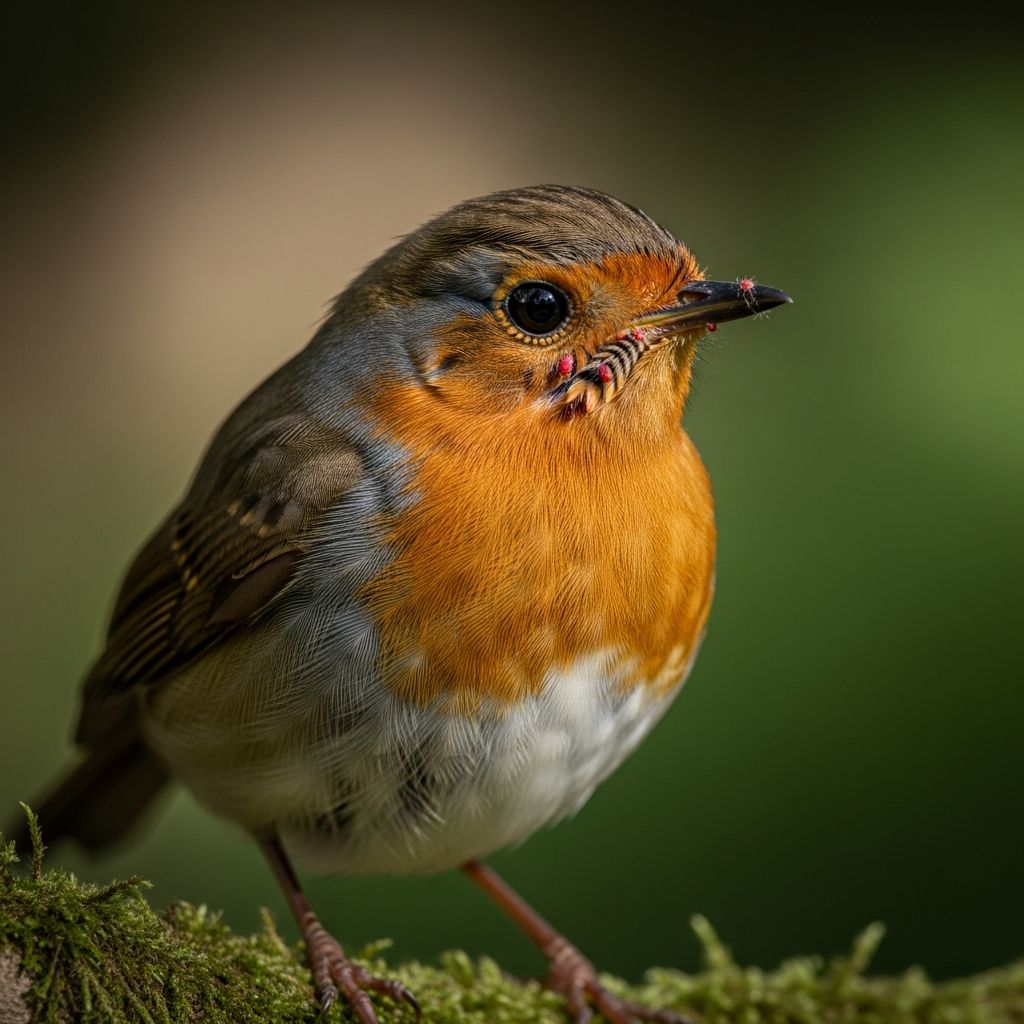
Parasites are organisms that live on or within a host animal and feed at the expense of that host. When present, parasites can cause generalized debilitation in birds and, in severe cases, some intestinal parasites can cause severe weight loss, anemia, and death. Pet birds are susceptible to various types of parasites that can significantly impact their health and quality of life. Understanding these parasites, their symptoms, and treatment options is essential for any bird owner who wants to maintain optimal health in their avian companions.
Parasites in birds can be categorized into several different types based on where they live and how they affect the bird’s body systems. These parasites can be transmitted through contaminated food and water, direct contact with infected birds, or exposure to wild birds and their droppings. Regular veterinary care and proper hygiene practices are critical in preventing and managing parasitic infections.
Types of Bird Parasites
Protozoal Parasites
Protozoal parasites are single-celled organisms that can cause serious illness in pet birds. These parasites often affect the gastrointestinal tract and other internal organs, and some species are particularly susceptible to specific protozoan infections.
Atoxoplasmosis
Atoxoplasmosis is a highly pathogenic protozoal disease caused by coccidia that primarily affects canaries. This disease causes hepatomegaly (enlarged liver) and splenomegaly (enlarged spleen) in infected birds. The parasite produces oocysts that are shed in the feces of infected birds. Young birds between 2 and 9 months of age are at the highest risk of infection. Approximately 80% of infected birds will die from this disease, making it one of the most serious parasitic infections in pet birds. Treatment with antibiotics may be attempted, but the disease is usually fatal.
Giardiasis
Giardia infections commonly affect the intestinal tract, particularly in cockatiels. Infected birds may experience diarrhea and severely itchy skin, which can lead to feather destructive behavior as birds attempt to relieve the discomfort. This condition requires prompt treatment to prevent secondary complications and behavioral issues.
Trichomonosis
Trichomonosis, caused by the organism Trichomonas gallinae, typically infects the mouth and esophagus of birds, causing inflammation and ulceration. Clinical signs include lethargy, fluffed-up feathers, difficulty swallowing or breathing, drooling, and regurgitation of food. This parasite causes wetting of feathers around the beak and can be particularly severe in certain bird species. Virulent strains of the parasite cause severe inflammation and accumulation of dead tissue, potentially leading to death from starvation or suffocation within days to weeks.
Mite Parasites
Mites are arthropod parasites that can affect different areas of a bird’s body. Different mite species target specific body regions and organs, causing various health problems.
Air Sac Mites
Air sac mites, particularly Sternostoma tracheacolum, parasitize the entire respiratory tract of birds, most frequently affecting canaries and gouldian finches. These mites are found in the trachea, syrinx, lungs, and air sacs, with all stages of the mite lifecycle occurring within respiratory tissues. Infected birds display lethargy as a primary symptom, but the most obvious sign is a characteristic tic or wheeze in the bird’s breath. Additional symptoms include regular sneezing, coughing, loss of voice, and eventual nasal discharge. Treatment with prescribed insecticides is typically necessary to manage this infection.
Scaly Face and Leg Mites
Knemidocoptes pilae (also known as Cnemidocoptes pilae) is particularly common in budgerigars and rare in other psittacine species. This mite causes characteristic white, porous, proliferative encrustations that appear on the corners of the mouth, cere, beak, and occasionally the periorbital area, legs, or vent. Budgerigars and canaries most commonly develop these scaly, crusty lesions on the feet, beak, and face. These lesions are often accompanied by itching and discomfort.
Bacterial Parasites and Infections
While not parasites in the strictest sense, certain bacterial infections are closely associated with parasitic transmission and poor environmental conditions.
Campylobacter
Campylobacter bacteria are spread mainly in aviaries through wild bird droppings. Some pet finches, such as the Bengalese, only carry the bacteria without developing the disease themselves. However, Gouldian finches are particularly prone to falling sick with the bacteria. Symptoms of contamination include lethargy, weight loss, and yellow-colored, dry droppings. If fledglings catch the infection, they are unlikely to survive. Most adult birds will recover with the help of antibiotics, though the disease can be fatal without treatment.
Intestinal Worm Parasites
Several types of worms can infect the gastrointestinal tract and respiratory system of birds. These parasites are transmitted via worm eggs in food, water, and live food, with wild birds often being the main cause of outbreaks in aviaries.
Common Worm Types
The most common intestinal worms found in pet birds include tapeworms, threadworms, caecal worms, roundworms, gape worms, and gizzard worms. Each type of worm can cause different symptoms and health complications. Depending on the type of worm and species of bird affected, infected birds may show malabsorption, diarrhea, vomiting, blood in the droppings, or poor health. The worms steal the bird’s nutrients, causing the host to weaken and die unless treated.
Capillaria Worms
Capillaria worms, commonly known as “hair-worms,” are thin parasites that burrow deep into the lining of the small intestine and esophagus, causing ulcers. Different species affect different bird species, and all cause serious disease. Like roundworms, capillaria has a direct life cycle, and birds become affected by eating soil or other objects contaminated with droppings of infected birds. Earthworms can act as carriers for this parasite.
Gape Worms
Gape worms (Syngamus trachea) are fascinating parasites that live in the lining of the trachea and bronchi. In this species, the smaller male worm remains continually attached to the larger female in a Y configuration. While most commonly encountered in wild baby blackbirds and chickens, gape worms can be found in a wide variety of bird species. Infected birds display head shaking, coughing, “gapping” (characteristic open-mouth breathing), and respiratory distress. Deaths can occur in severe cases, and eggs are passed intermittently in the droppings.
Parasitic Protozoa: Cryptosporidia
Cryptosporidia represents another coccidian parasite infection that causes significant illness in certain bird species. The symptoms of this illness include panting, wheezing, coughing, sneezing, and very loose droppings. Diamond firetails are the most susceptible species of pet finch to this parasite, and infected birds usually die. Cage birds often catch the illness from wild birds through contaminated droppings, making good cage hygiene essential to prevent transmission.
Clinical Signs and Symptoms
Birds infected with parasites often display a range of clinical signs that can vary depending on the type of parasite, the severity of infection, and the bird’s overall health status.
General Symptoms
Common symptoms seen across various parasitic infections include:
- Lethargy and decreased activity levels
- Ruffled-up feathers indicating illness
- Loose droppings or abnormal stool
- Lack of appetite or reduced food intake
- Weight loss and poor body condition
- Weakness and depression
- Respiratory distress or difficulty breathing
Specific Symptoms by Parasite Type
Different parasites produce characteristic symptoms. Respiratory parasites like air sac mites cause wheezing, coughing, and voice loss. Gastrointestinal parasites often result in diarrhea, vomiting, or visible worms in droppings. Protozoal infections may cause severe itching, feather plucking, or skin lesions. Birds with heavy worm burdens may develop a swollen abdomen but appear extremely emaciated, with much reduced muscle mass around the keel bone—a condition described as “hatchet breast.”
Transmission and Risk Factors
Understanding how parasites spread is crucial for prevention. Most parasites are transmitted through contaminated food and water, direct contact with infected birds, or exposure to wild birds and their droppings. Aviaries housing multiple birds are at higher risk of parasitic outbreaks, particularly when wild birds have access to the environment. Young birds with developing immune systems are generally more susceptible to severe infections than adults.
Diagnosis and Treatment
Diagnosis of parasitic infections typically involves fecal examination, physical examination, and in some cases, blood work or imaging studies. Your avian veterinarian can identify specific parasites through microscopic examination of droppings or tissue samples.
Treatment Options
Treatment depends on the type of parasite identified and the bird’s overall health status. Protozoal infections are typically treated with antibiotics or antiparasitic medications. Mite infections often respond to prescribed insecticides. Intestinal worms may be treated with dewormers, and some infections may require supportive care including fluid therapy and nutritional support.
Prognosis
The prognosis for parasitic infections varies widely. Some infections, such as atoxoplasmosis, carry a poor prognosis with approximately 80% mortality despite treatment. Others, particularly those caught early and treated promptly, have better outcomes. Young birds infected with certain parasites, such as Campylobacter or cryptosporidia, face particularly poor survival rates.
Prevention and Management
Prevention is significantly more effective than treatment for parasitic infections. Key prevention strategies include:
- Maintaining excellent cage and aviary hygiene through regular cleaning and disinfection
- Providing clean food and water daily, replacing water multiple times if necessary
- Preventing access to wild birds and their droppings
- Avoiding contaminated live food sources
- Quarantining new birds before introducing them to existing flocks
- Regular veterinary examinations and fecal testing
- Providing appropriate nutrition to support immune function
- Maintaining proper temperature and humidity in bird enclosures
Frequently Asked Questions
Q: How can I tell if my bird has parasites?
A: Common signs include lethargy, ruffled feathers, loose droppings, lack of appetite, weight loss, respiratory symptoms like coughing or wheezing, or visible parasites in droppings. If you notice any of these signs, consult your avian veterinarian immediately.
Q: Are bird parasites contagious to humans?
A: Most bird parasites cannot infect humans. However, some bacterial infections like Salmonella can be transmitted to people who handle sick or dead birds. Always wear disposable gloves when handling potentially infected birds and wash your hands thoroughly afterward.
Q: Can parasitic infections be prevented?
A: Yes, excellent hygiene practices, clean water and food, preventing access to wild birds, and regular veterinary care significantly reduce the risk of parasitic infections in pet birds.
Q: What should I do if I suspect my bird has parasites?
A: Contact your avian veterinarian immediately. Bring a fresh fecal sample if possible. Early diagnosis and treatment improve the chances of recovery for many parasitic infections.
Q: How often should my bird be tested for parasites?
A: Annual fecal examinations are recommended for all pet birds as part of routine wellness care. Birds showing symptoms or those in aviaries with potential exposure should be tested more frequently.
Q: Are certain bird species more susceptible to specific parasites?
A: Yes, different bird species show varying susceptibility to specific parasites. For example, Gouldian finches are particularly prone to air sac mites and Campylobacter, while canaries are susceptible to atoxoplasmosis. Your veterinarian can provide species-specific prevention recommendations.
References
- Parasitic Diseases of Pet Birds — Merck Veterinary Manual. 2024. https://www.merckvetmanual.com/exotic-and-laboratory-animals/pet-birds/parasitic-diseases-of-pet-birds
- Parasites in Birds — VCA Animal Hospitals. 2024. https://vcahospitals.com/know-your-pet/parasites-in-birds
- Parasites Infecting Finches — Omlet. 2024. https://www.omlet.us/guide/finches_and_canaries/finch_health/parasites/
- Worms In Birds — Bird Vet Melbourne. 2024. https://birdvetmelbourne.com/worms-in-birds/
- Avian Trichomonosis — Cornell Wildlife Health Lab. 2024. https://cwhl.vet.cornell.edu/disease/avian-trichomonosis
- Common Bird Diseases & Parasites — Mass Audubon. 2024. https://www.massaudubon.org/nature-wildlife/birds/common-bird-diseases-parasites
Similar Articles







Read full bio of Sneha Tete