

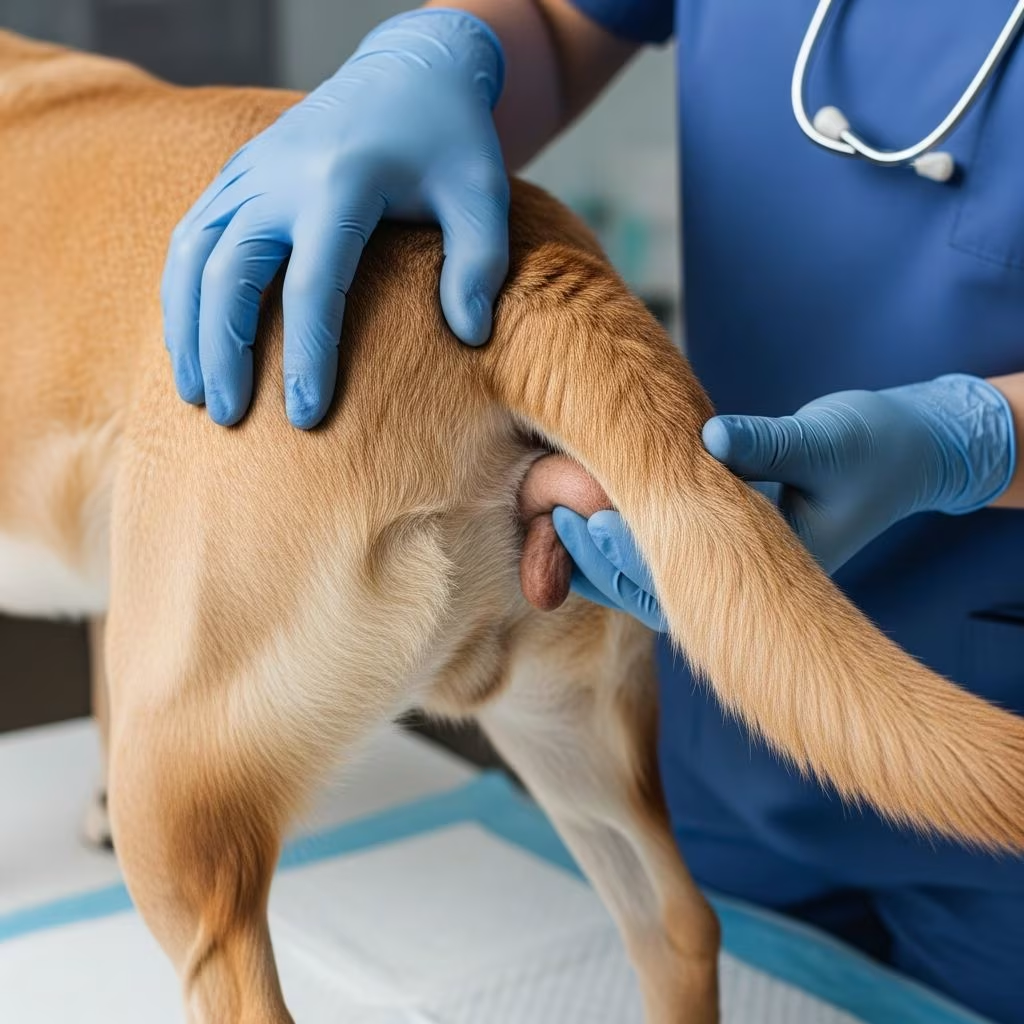
Paraphimosis in dogs is a serious condition where the dog’s penis remains exposed outside the preputial sheath and cannot retract naturally. This veterinary emergency can lead to swelling, tissue damage, and even necrosis if not addressed promptly.
What is paraphimosis in dogs?
Canine paraphimosis occurs when a dog’s erect or protruded penis fails to return to its protective preputial sheath, the skin covering that normally safeguards the organ. Unlike normal erections, which last briefly during mating or excitement and retract within minutes, paraphimosis persists beyond 20-30 minutes, causing constriction of blood flow. This leads to rapid swelling (edema), drying of the delicate mucous membranes, inflammation, and potential tissue death (necrosis). The condition is excruciatingly painful, can obstruct urination, and risks systemic infection or urethral damage. It primarily affects intact male dogs, especially young adults or adolescents post-mating or humping, though neutered dogs can also suffer from underlying issues.
The prepuce acts as a natural barrier against dehydration and trauma; without retraction, exposed tissues are vulnerable. Prolonged exposure compromises venous return while arterial blood continues, exacerbating swelling in a vicious cycle. Early recognition is critical—veterinarians emphasize that cases under 20 minutes often resolve with minimal intervention, but delays heighten complications.
Symptoms of paraphimosis in dogs
Recognizing symptoms early can save your dog’s life. Key signs include:
- Prolonged penile exposure: Penis visible outside sheath for over 20 minutes, often red and glistening initially.
- Excessive licking: Obsessive licking at the area due to irritation and pain—the most common owner-observed sign.
- Swelling and inflammation: Rapid edema turning the penis purplish, balloon-like; surrounding foreskin (posthitis) may also swell.
- Discoloration and drying: Tissues shift from pink/red to dark purple/black, becoming dry, cracked, or necrotic.
- Pain behaviors: Whining, panting, restlessness, pacing, stiff gait, reluctance to move, or aggression when touched.
- Urinary issues: Straining, dribbling, or inability to urinate—indicating urethral swelling or blockage, a life-threatening emergency.
- Discharge: Abnormal pus, blood, or foul-smelling fluid from infection.
Mild cases may show only licking; severe ones exhibit all symptoms. Monitor post-excitement or mating—intact males in multi-dog homes or with females in heat are at higher risk.
Causes of paraphimosis in dogs
Paraphimosis stems from mechanical, anatomical, neurological, or pathological triggers. Common causes include:
Physical injuries
Trauma is a leading cause: bites during fights, lacerations from fences/wire, or injury during mating/semen collection tears the prepuce, preventing retraction. Swelling from hematoma blocks the opening.
Underlying medical conditions
- Anatomical defects: Phimosis (narrow preputial opening), oversized penis, or weak retractor penis muscle.
- Neurological/spinal issues: Myelopathy, slipped discs, or nerve damage impairing retraction signals.
- Infections/inflammation: Balanoposthitis, prostatitis, or penile tumors causing swelling.
- Systemic diseases: Addison’s disease (muscle weakness), vascular anomalies, drugs, or severe constipation straining.
- Behavioral: Persistent humping/erections in excited young dogs.
Infertile or genetic predispositions may play roles, especially in breeds like English Bulldogs with conformational issues.
How is paraphimosis in dogs treated?
Treatment prioritizes rapid reduction to restore blood flow, prevent necrosis, and address root causes. Time is tissue—act within hours.
Home remedies for paraphimosis in dogs (use with extreme caution)
These are temporary measures only if vet access is delayed; they’re painful/stressful for dogs and risk bites/injury. Stop if unsuccessful after 10 minutes and seek emergency care:
- Clean gently with warm saline/water.
- Apply copious water-based lubricant (KY Jelly, not petroleum-based).
- Use hyperosmotic agents like granulated sugar/honey (30-60 seconds) to draw out fluid, rinse thoroughly.
- Cold compress (ice in cloth, 5 minutes) to reduce swelling.
- Gently compress and milk penis back with steady pressure.
Never force; monitor urination. Most cases need professional help.
How is paraphimosis treated by a veterinarian?
Vets follow a stepwise protocol under sedation/anesthesia for comfort:
- Cleaning/lubrication: Flush with saline, apply lube, manually reduce.
- Swelling reduction: Sugar/honey soak (rinsed), mannitol, or cold therapy.
- Pain/infection control: NSAIDs, opioids, antibiotics.
- Supportive care: Urinary catheter if blocked; IV fluids.
- Surgery for recalcitrant cases: Preputial enlargement, phallopexy (tacking), urethrostomy, or amputation/reconstruction in necrosis.
Follow-up includes e-collar, short fur trims, neutering recommendation.
Recovery and prevention of paraphimosis in dogs
Prognosis is excellent if treated early (95%+ success); delayed cases risk penile loss or euthanasia from complications.
Recovery and aftercare
Home care: Strict rest (crate 7-14 days), e-collar, clean daily, monitor urination/defecation. Pain meds as prescribed; recheck if swelling recurs. Full recovery in days to weeks.
Preventing recurrence
- Neutering: Reduces erections/humping by 80-90%.
- Hygiene: Trim sheath fur, gentle clean post-activity.
- Supervision: Prevent fights/mating injuries.
- Health management: Treat constipation, infections promptly; regular vet checks for at-risk breeds.
Prior episodes increase risk—stay vigilant.
Diagnostic process for paraphimosis
Vets start with history (recent mating? trauma?) and exam, then:
| Test | Purpose |
|---|---|
| Physical exam | Assess swelling, discharge, anatomy |
| Bloodwork | Rule out systemic disease/infection |
| Urinalysis | Check UTI/blockage |
| Imaging (X-ray/ultrasound) | Spinal/prostate issues, tumors |
| Biopsy | Cancer/necrotic tissue |
Frequently Asked Questions (FAQs)
Is paraphimosis an emergency in dogs?
Yes, absolutely—prolonged exposure (>20 min) risks irreversible damage. Seek vet care immediately.
Can paraphimosis resolve on its own?
Rarely; mild cases might after 10-15 min, but intervention prevents complications.
Why does my neutered dog’s penis stick out?
Possible anatomy, infection, or trauma—vet evaluation needed.
Is surgery always required for paraphimosis?
No, 70-80% resolve with medical reduction; surgery for chronic/recurrent cases.
How can I prevent paraphimosis in my dog?
Neuter, supervise play, maintain hygiene, treat underlying conditions early.
References
- Paraphimosis in Dogs: Causes, Symptoms, and Treatment — Kinship. 2023. https://www.kinship.com/dog-health/paraphimosis
- Treatment of paraphimosis in a dog — VetGirl on the Run (Veterinary Continuing Education). 2023. https://vetgirlontherun.com/videos/veterinary-continuing-education-treatment-paraphimosis-dog-vetgirl-videos/
- Paraphimosis in Dogs: Emergency Signs and What to Do Fast — GSVS. 2024. https://gsvs.org/blog/paraphimosis-in-dogs-emergency/
- Persistent Erection (Priapism and Paraphimosis) in Dogs — Vetster. 2024. https://vetster.com/en/symptoms/dog/persistent-erection
- Paraphimosis in Dogs: What to Do — Veteris. 2023. https://veteris.co.uk/petcare-advice/paraphimosis-in-dogs-what-to-do
- Paraphimosis in Dogs — PetMD. 2024. https://www.petmd.com/dog/conditions/reproductive/paraphimosis-dogs



