
Parakeet Foot Health: Care, Problems & Prevention
Complete guide to parakeet foot health, common conditions, and preventive care strategies.
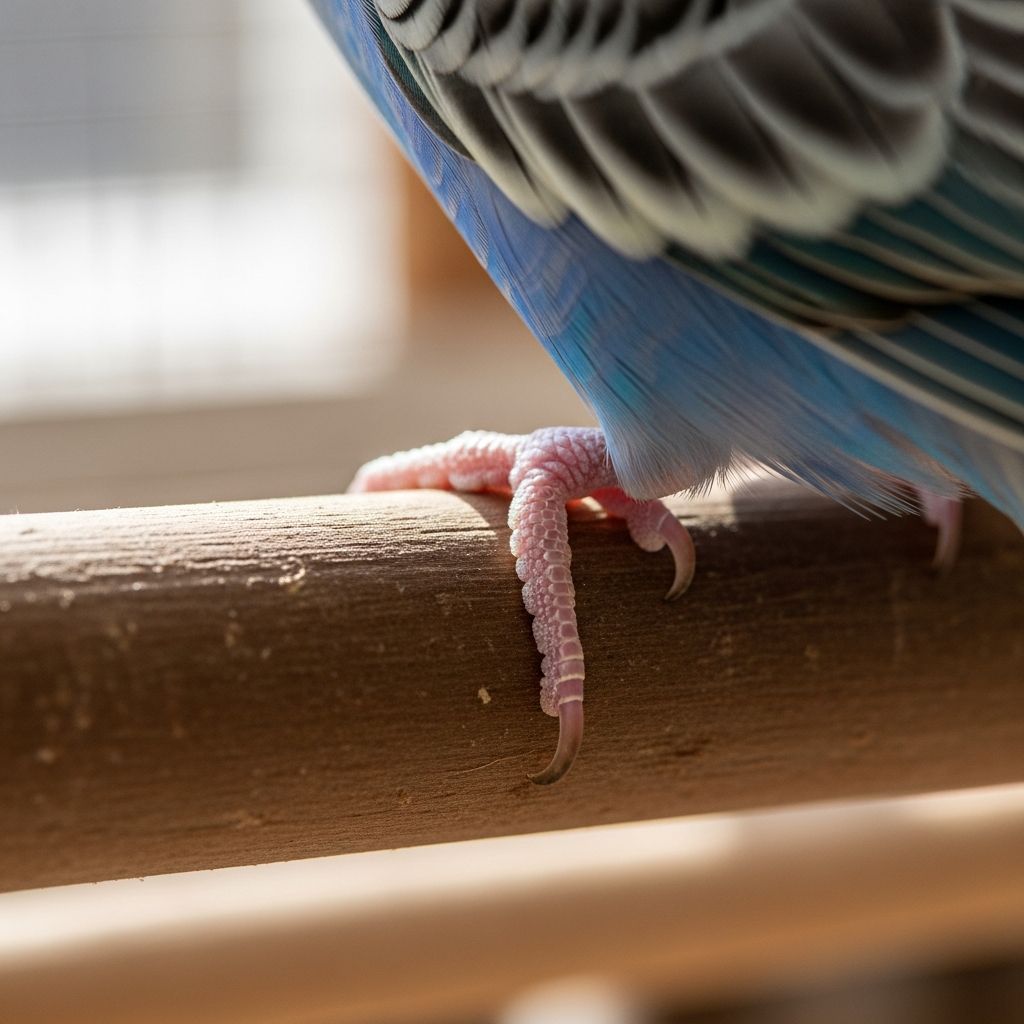
Parakeet Foot Health: Essential Care and Problem Prevention
Parakeet foot health is often overlooked by bird owners, yet the feet are among the most important and hardworking parts of a parakeet’s body. These tiny but mighty appendages bear the weight of your bird throughout the day, allowing them to perch, climb, and navigate their environment. Understanding proper foot care and recognizing early signs of problems can prevent serious health complications and ensure your parakeet lives a comfortable, active life.
Understanding Parakeet Foot Structure
Parakeet feet are specifically adapted for gripping and perching. The underside of a healthy parakeet’s foot features specialized scales and papillae that provide grip and cushioning. These plantar pads are essential for distributing pressure evenly across the foot when the bird perches. A healthy parakeet’s feet should feel warm to the touch and show no signs of swelling, discoloration, or lesions. The feet should be symmetrical, and the bird should move with confidence and ease.
When examining your parakeet’s feet, you’ll notice the bumps and ridges on the underside are smooth and uniformly distributed. Any deviation from this normal appearance warrants close observation and potentially a veterinary visit.
Common Parakeet Foot Problems
Bumblefoot (Pododermatitis)
Bumblefoot, also known as pododermatitis, is one of the most common foot conditions affecting parakeets and other captive birds. This condition is characterized by inflammation and infection of the skin on the underside of the feet. Bumblefoot occurs in varying degrees of severity, ranging from mild redness and swelling to severe chronic infections involving bone damage and secondary infections.
The severity of bumblefoot progresses through distinct stages:
- Grade 1: Mild thinning of the plantar surface with slight reddening
- Grade 2: Progression to visible subcutaneous tissue such as tendons showing through the skin
- Grade 3: Formation of ulcers on the foot soles with calluses around the lesion edges and mild lameness
- Grade 4: Development of a necrotic plug in the ulcer center with pain and lameness
- Grade 5: Cellulitis with swelling and edema, affecting tendons and metatarsal pads with severe lameness
- Grade 6: Swollen digits with ruptured necrotic flexor tendons, potentially causing permanent dysfunction
Causes of Bumblefoot
Several factors contribute to the development of bumblefoot in captive parakeets. Poor diet lacking essential nutrients weakens the skin’s integrity and immune response. Obesity places excessive stress on the feet, increasing pressure on the plantar surface. Spending excessive time on the same size perch creates pressure points and prevents normal weight distribution. Rough or sandy perches can cause abrasion and micro-injuries to the delicate foot skin.
Additionally, inadequate environmental conditions, including improper cage sizing, lack of varied perch diameters, and poor hygiene, contribute significantly to foot health problems. Older parakeets are more susceptible to developing bumblefoot, as their skin loses elasticity and circulation may become compromised.
Mites and Other Parasites
Parakeets can develop thick, scaly buildups on the beak and legs when infected with mites such as Knemidokoptes. These parasites burrow into the skin and create crusty, deformed appearances. If left untreated, mite infections can cause permanent deformities to the beak and foot structures. Treatment typically involves antiparasitic medications such as ivermectin, prescribed by an avian veterinarian.
Undigested food in droppings almost always indicates intestinal parasites, which can compromise overall health and make birds more susceptible to secondary foot infections.
Recognizing Foot Health Problems
Early Warning Signs
Early identification of foot problems significantly improves treatment outcomes and prevents serious complications. Observing your parakeet during cage bar hanging provides an excellent opportunity to inspect the feet for early signs of problems. Watch for:
- Redness on the bottom of the feet
- Swelling or puffiness on the plantar surface
- Visible sores or lesions
- Loss of the normal bumpy texture (smoothing of plantar papillae)
- Limping or altered gait when moving
- Reluctance to perch normally
- Decreased overall activity levels
Behavioral Changes
Parakeets experiencing foot pain often exhibit behavioral changes before visible foot damage appears. A bird that normally perches on one leg may suddenly perch on both, indicating discomfort. If your bird has started perching on the floor rather than on their usual go-to perch, they either have a hurt wing or are too weak to perch. Some parakeets may sit at rest holding one leg up, especially if experiencing internal problems such as kidney or gonadal tumors.
Limping is a clear indicator that the parakeet has hurt their leg or foot and needs to be checked to ensure nothing is broken. Your bird may also show reluctance to grip perches firmly or may frequently shift their body weight to distribute pressure differently.
Other Health Indicators
Cold feet, when accompanied by listlessness, ruffled-up feathers and shivering, can indicate illness. However, a parakeet fresh from the bath may have cold feet without concern. Conversely, hot feet are often a symptom of illness, usually kidney problems.
Overgrown toenails are a sign of disease, often connected with liver problems. Swollen or sore eyes and sticky feathers on the head or face may indicate infections that compromise overall health.
Prevention Strategies for Healthy Parakeet Feet
Proper Perch Selection and Management
Providing varied perch diameters is crucial for maintaining healthy feet. Different diameter perches encourage natural foot exercise and prevent constant pressure on the same foot structures. Natural wood perches with uneven surfaces provide superior grip compared to smooth, dowel-style perches. Rotating perches regularly prevents the buildup of bacteria and ensures your bird experiences diverse textures and angles.
Remove any rough or sandy perches immediately, as these create micro-injuries to delicate foot skin. The diameter of perches should allow your parakeet’s toes to wrap comfortably around without overlapping; typically, perches should be approximately 3/8 to 1/2 inch in diameter for most parakeets.
Nutritional Support
A high-quality diet rich in essential nutrients supports healthy skin and immune function, helping prevent foot problems. Ensure your parakeet receives adequate vitamin A, zinc, and B vitamins, all essential for skin health and healing. Poor nutrition weakens the skin barrier and reduces the bird’s ability to fight off bacterial infections.
Provide a varied diet including fresh vegetables, quality pellets, and limited seeds. Avoid excessive fatty treats that contribute to obesity, which places unnecessary stress on the feet. Proper nutrition is foundational to preventing most foot health issues.
Weight Management
Obesity is a significant cause of bumblefoot, as excess weight places tremendous stress on the plantar surface of the feet. Maintain your parakeet at a healthy weight through appropriate feeding portions and regular exercise opportunities. Encourage flight and movement within a safe environment to promote cardiovascular health and maintain ideal body weight.
Environmental Hygiene
Clean cage floors and perches regularly to prevent bacterial buildup. Bacteria thrive in damp environments, so ensure perches are dry. Clean water bowls daily and remove uneaten fresh food to prevent mold growth, which can contribute to fungal foot infections. Proper cage sizing allows your parakeet adequate space to move and exercise regularly.
Regular Inspection
Regularly examining your parakeet’s feet allows you to catch problems in early stages when treatment is most effective. Make foot inspection part of your daily routine, particularly when your bird is hanging on cage bars and the feet are easily visible.
Treatment and Professional Care
When to Seek Veterinary Care
Any visible swelling, redness, sores, or discharge from the feet warrants immediate veterinary attention. If your parakeet is limping or showing signs of foot pain, a veterinary examination is needed to determine the underlying cause. Do not delay seeking professional help, as foot conditions can deteriorate rapidly.
Professional Treatment Approaches
Bumblefoot treatment depends on severity and may involve antibiotics, topical treatments, and in severe cases, surgical intervention. Post-operative bandage changes continue daily until drainage stops, then every second or third day. The appearance of healthy granulation tissue around the edges of the wound may take two to five weeks. Even when the foot wound closes, the foot remains extremely tender for several weeks and may require months of careful monitoring with soft footing to prevent recurrence.
Full recovery from severe bumblefoot can take 6 months, but non-functioning digits and ankylosis (fusing of the joints) may persist even with treatment.
Frequently Asked Questions
Q: How often should I inspect my parakeet’s feet?
A: Inspect your parakeet’s feet daily if possible, especially during cage bar hanging when the feet are easily visible. Early detection of problems allows for prompt treatment and better outcomes.
Q: What is the difference between cold feet and hot feet as symptoms?
A: Cold feet, when accompanied by listlessness and ruffled feathers, may indicate illness, but a fresh bath causes temporary cold feet with no concern. Hot feet often indicate kidney problems and warrant veterinary attention.
Q: Can bumblefoot be prevented entirely?
A: While bumblefoot cannot always be entirely prevented, particularly in older birds, proper diet, appropriate perching, weight management, and regular hygiene significantly reduce the risk of developing this condition.
Q: How long does recovery from bumblefoot take?
A: Recovery time varies based on severity. Mild cases may resolve within weeks, while severe cases can take 6 months or longer. Some birds experience permanent changes to foot structure.
Q: What should I do if I notice overgrown toenails?
A: Overgrown toenails can indicate underlying disease, often liver problems. Schedule a veterinary appointment for proper diagnosis and treatment. Do not attempt to trim nails yourself without professional guidance.
References
- Parakeet Disease Symptoms | Health Problems | Guide — Omlet. https://www.omlet.us/guide/parakeets/health_problems/disease_symptoms/
- Pododermatitis in Birds: Symptoms, Causes and Treatment — MonVet. https://monvet.com/en/bird-pododermatitis-foot-infection/
- Common Problems in Parakeets — Arizona Exotic Animal Hospital. https://azeah.com/parakeets/common-problems-parakeets
- Symptoms & Treatment of Bumblefoot in Parrots — Hari. https://hari.ca/avian-care/symptoms-treatment-of-bumblefoot-in-parrots/
- Recognizing the Signs of Illness in Pet Birds — VCA Animal Hospitals. https://vcahospitals.com/know-your-pet/recognizing-the-signs-of-illness-in-pet-birds
- Avian Medical Case: Bird Feet Health — Birdhism. https://birdhism.com/blogs/news/avian-medical-case-of-the-day-all-about-that-base
Similar Articles








Read full bio of Sneha Tete


