
Complete Parakeet Diet Guide: Nutrition & Feeding Tips
Learn what to feed your parakeet for optimal health, nutrition, and longevity.
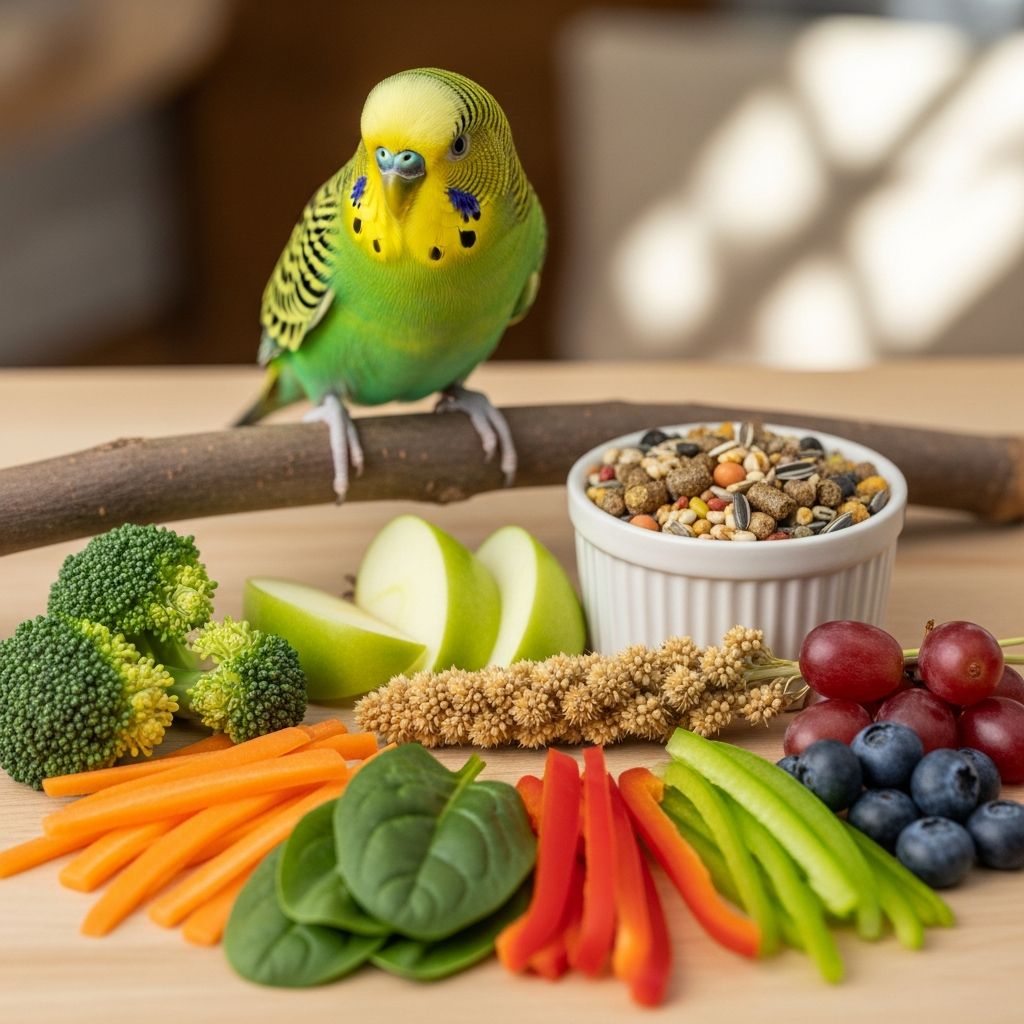
Understanding Your Parakeet’s Nutritional Needs
Parakeets require a well-balanced diet to maintain optimal health, vibrant plumage, and a strong immune system. Unlike their wild cousins who forage for diverse food sources across Australian grasslands, pet parakeets depend entirely on their owners to provide proper nutrition. A comprehensive understanding of parakeet dietary requirements is essential for any bird owner committed to their pet’s long-term wellness.
Wild parakeets naturally consume a diverse diet consisting of raw seeds, fruits, greens, and occasionally insects, which provides them with balanced nutrients needed for survival and reproduction. Pet parakeets have similar nutritional needs, though their domesticated lifestyle may require dietary adjustments. The goal when feeding your pet parakeet should be to match the nutritional profile of the diet the bird would consume in its natural habitat, supplemented with domestically available foods that meet modern nutritional standards.
The Foundation: Pellet-Based Diets
Modern avian veterinarians strongly recommend a formulated pellet diet as the primary nutritional foundation for pet parakeets. Parakeet pellets are specifically formulated to provide all essential nutrients your bird needs in appropriate proportions, eliminating the nutritional gaps common in seed-only diets. These pellets come in different sizes designed specifically for smaller bird species like parakeets and cockatiels.
According to avian nutritionists, an all-pellet diet serves as a healthy replacement for traditional seed diets, ensuring your parakeet receives consistent nutrition with every meal. Pellets should comprise the bulk of your parakeet’s daily caloric intake, forming the nutritional cornerstone of their diet. However, if your parakeet was raised on a seed-based diet, the transition should be gradual, with seeds and fresh foods used as supplementary options rather than complete dietary replacements.
Supplementary Seeds and Grains
While pellets form the dietary foundation, seeds continue to play an important role in parakeet nutrition when used appropriately. Smaller birds such as parakeets require more grains than larger parrots, including oat groats, flax, canary seed, and other whole grains. Seed should always be available to your parakeet, though feeders will need topping up daily to maintain freshness and prevent contamination.
Sprouted seeds and grains offer exceptional nutritional benefits, as the sprouting process activates enzymes and increases nutrient bioavailability without adding excessive fat to the diet. Sunflower and mung beans are easiest options for beginners attempting to sprout seeds at home. Nuts should be fed sparingly as they are highly nutritious but calorie-dense, with safe options including hazelnuts, walnuts, Brazil nuts, and human-quality peanuts.
Fresh Fruits: Adding Variety and Vitamin A
Fresh fruits add important variety and essential nutrients to your parakeet’s balanced diet, particularly vitamin A, which is crucial for maintaining healthy skin, plumage, and immune function. A shortage of vitamin A often leads to reduced resistance to infections, skin problems, and dull plumage appearance. However, fruits should be offered in moderation due to their natural sugar content, which can contribute to weight gain and other health issues if overconsumed.
When selecting fruits for your parakeet, prioritize options rich in vitamin A and other essential nutrients. The following fruits are safe for parakeets and offer significant health benefits:
Vitamin A-Rich Fruits (Recommended): Mango, cantaloupe, oranges, watermelon, papaya, grapefruit, grapes, apricot, lemon, and nectarines.
Other Safe Fruits: Bananas, apples (seeds removed), pineapple, berries (strawberries, blackberries, raspberries), kiwi, plums, starfruit, and pomegranate.
Always remove seeds from apples before offering them to your parakeet, as apple seeds contain compounds that can be harmful. Offer fruits as occasional treats rather than daily staples, limiting portions to prevent excessive sugar intake.
Vegetables: The Nutritional Powerhouse
Vegetables provide excellent sources of vitamin A and other essential nutrients while being lower in sugar than fruits, making them ideal for regular inclusion in your parakeet’s diet. A diverse range of bird-safe vegetables ensures your parakeet receives varied vitamins and minerals contributing to optimal health. Include choices like kale, alfalfa leaf, moringa leaf, spinach, and broccoli, which are packed with essential nutrients supporting parakeet health.
Dark leafy greens form the cornerstone of vegetable offerings, with options including kale, spinach, and dandelion greens. Additional safe vegetables include carrots (both roots and tops), sweet potatoes, bell peppers, green beans, basil, broccoli, bok choy, parsley, cilantro, sugar snap peas, squash, corn, and cauliflower. Fresh vegetables and greens should account for 20-25% of your parakeet’s daily diet at most, balancing nutrition without overwhelming their digestive system.
Essential Minerals and Calcium Supplementation
Calcium represents one of the most abundant and critical minerals in your parakeet’s body, essential for building strong bones and producing healthy eggshells if breeding occurs. Seeds alone are not rich in calcium, necessitating dedicated supplementation. In the wild, birds seek out calcium-rich foods such as animal bones and mineral-rich dirt; domesticated parakeets require alternative calcium sources.
Calcium-rich foods include leafy greens, carrots, unhulled sesame seeds, broccoli, dandelion greens, yogurt, and almonds. For optimal calcium absorption, vitamin D3 must be present in the diet. Vitamin D3 can be acquired naturally through sunlight exposure or supplemented through specialized avian pellets and full-spectrum lighting. Provide your parakeet access to safe outdoor time or full-spectrum light indoors, as regular window glass filters out beneficial UVA and UVB rays that birds require for vitamin D3 synthesis.
Dedicated calcium supplements such as cuttlebones remain excellent options for supporting your parakeet’s skeletal health and overall wellness. Many standard parakeet seed mixes include insoluble grit consisting of oyster shell, which dissolves in the gizzard over time, providing bioavailable calcium. Premium bird calcium supplements containing vitamin D ensure your budgie receives optimal mineral nutrition in a form easily utilized by their body.
Hydration: Water Requirements
Fresh, clean water should be available to your parakeet at all times. Change water daily to prevent bacterial growth and ensure optimal hydration. Water quality significantly impacts overall health, and many pet owners find filtered water beneficial for their birds.
Foods to Avoid: Toxic and Dangerous Options
Certain foods present serious health risks to parakeets and should never be offered, regardless of circumstance. Understanding these dangerous foods protects your pet from potentially fatal consequences.
Tomatoes: The acidity of tomatoes can disrupt a parakeet’s digestive system and should be avoided entirely.
Chocolate: Chocolate contains theobromine and caffeine, both toxic to parakeets and capable of causing serious harm.
Crackers and Breads: While occasional bread treats are not toxic, they offer virtually no nutritional value and should be limited. Ensure bread is not moldy before offering any to your bird.
Meats: Higher-protein and high-fat diets in parakeets can cause liver disease and cardiovascular disease, making meat unsuitable for these birds.
Uncooked Beans: Uncooked beans present choking hazards and some varieties contain hemagglutinin, a toxic compound harmful to birds.
Dairy Products: Dairy can cause digestive issues in parakeets as birds lack the enzymes to properly process lactose.
Alcohol and Caffeine: Both substances are toxic to parakeets. Caffeine may cause increased heart rate, arrhythmias, hyperactivity, or cardiac arrest in birds, while alcohol affects liver function and may result in liver failure.
Avocados: Avocados contain persin, a toxin harmful to parakeets and should never be offered.
Dried Fruits: Dates, raisins, and other dried fruits are calorically dense and should be avoided due to concentrated sugars and potential choking risks.
Feeding Quantities and Frequency
Determine appropriate portion sizes based on your individual parakeet’s age, activity level, and body condition. A typical adult parakeet requires approximately one tablespoon of pellets daily, supplemented with fresh vegetables and occasional fruit treats. Fresh vegetables, fruits, and grains should comprise 10-20% of the overall diet, with pellets forming the nutritional foundation.
Monitor your parakeet’s weight and body condition regularly, adjusting portions if your bird appears overweight or underweight. Overweight parakeets face increased risks of fatty liver disease and other serious health complications, making portion control essential for longevity.
Frequently Asked Questions About Parakeet Diet
Q: What should I feed my parakeets?
A: Parakeets should primarily be fed a formulated pellet diet providing all essential nutrients. Fresh fruits and vegetables can be offered to add variety and vitamin A, while seed mix should remain a rare treat rather than dietary staple.
Q: Can parakeets eat bread?
A: Bread is not toxic to parakeets but offers little nutritional value. If your bird enjoys bread, it can be offered occasionally as a treat in small amounts. Always ensure bread is not moldy before feeding it to your parakeet.
Q: What fruit can parakeets not eat?
A: Parakeets cannot safely consume avocados (containing persin) and tomatoes (too acidic for their digestive systems). Dried fruits such as dates and raisins are calorically dense and should be avoided.
Q: How often should I provide fresh water?
A: Fresh water should be available at all times and changed daily to prevent bacterial contamination and ensure optimal hydration.
Q: Should my parakeet eat grit?
A: Insoluble grit found in standard seed mixes provides calcium and aids digestion. However, dedicated calcium supplements like cuttlebones or mineral blocks may be more appropriate for pellet-fed birds.
Creating a Balanced Diet Plan
An ideal parakeet diet combines multiple food categories into a nutritionally complete eating plan. Begin with high-quality pellets as your foundation, offering approximately 60-70% of daily intake. Supplement with seeds and grains comprising 15-20% of the diet, fresh vegetables at 10-15%, and fruits and treats at 5-10%. This balanced approach ensures comprehensive nutrition while maintaining appropriate portion sizes.
Introduce new foods gradually, observing your parakeet’s response and digestive health. Some birds may require dietary adjustments based on individual preferences and digestive tolerances. Consistency in feeding times and portion sizes helps establish healthy routines and makes monitoring your bird’s health easier.
References
- What Do Parakeets Eat? — Chewy. 2024. https://www.chewy.com/education/bird/feed-and-nutrition/what-do-parakeets-eat
- Parakeet Feeding Guide — Omlet. 2024. https://www.omlet.us/guide/parakeets/feeding_tips/feeding_guide/
- Healthy Parakeet Diet: Your Budgie’s Wellness Guide — Bird Supplies. 2024. https://birdsupplies.com/blogs/news/unlocking-the-secrets-to-a-healthy-parakeet-diet-your-budgies-wellness-guide
- What Do Parakeets Eat? — ExoticDirect. 2024. https://exoticdirect.co.uk/news/what-do-parakeets-eat/
- Food and Nutrition — Phoenix Landing Foundation. 2024. https://www.phoenixlanding.org/nutrition.html
- Bird Diet Recommendations — Avian and Exotic Veterinary Care. 2024. https://avianexoticvetcare.com/birds-cockatiels-cockatoos-macaws-parakeets-other-birds/bird-diet-recommendations
- Feeding Budgies — VCA Animal Hospitals. 2024. https://vcahospitals.com/know-your-pet/budgies-feeding
Similar Articles








Read full bio of Sneha Tete


