
Complete Parakeet Diet Guide: Nutrition Tips
Master parakeet nutrition with expert feeding guidelines and dietary recommendations.
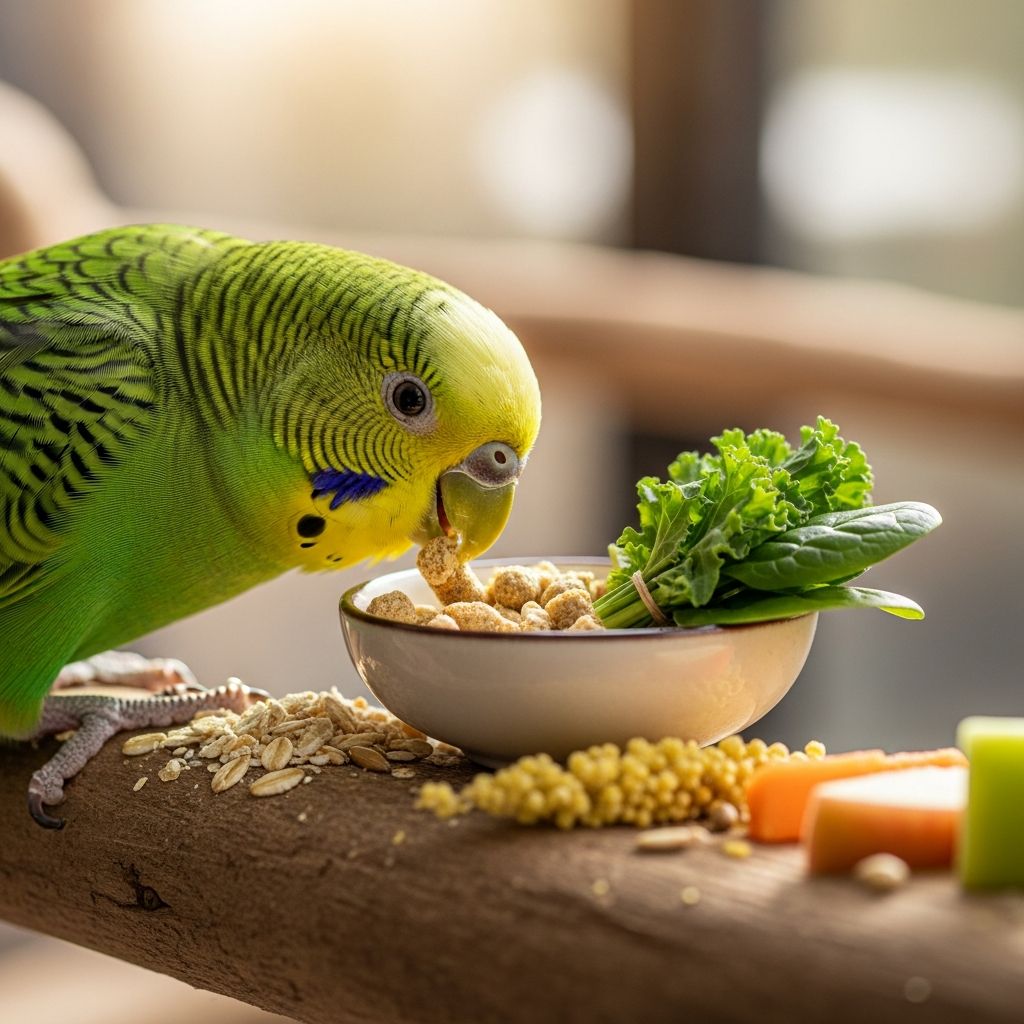
Complete Parakeet Diet Guide: Ensuring Optimal Nutrition
Providing your parakeet with a balanced, nutritious diet is one of the most important aspects of pet bird care. Unlike wild parakeets that forage for diverse food sources throughout their natural habitats, pet parakeets depend entirely on their owners to meet their nutritional requirements. Understanding what constitutes a healthy parakeet diet is essential for ensuring your feathered companion lives a long, vibrant life free from nutritional deficiencies and related health complications.
A proper parakeet diet differs significantly from the seeds-only approach that many pet owners traditionally provided. Modern avian nutritional science has evolved considerably, revealing that seed-based diets alone cannot meet all of a parakeet’s nutritional needs. Instead, veterinarians and avian nutritionists now recommend a comprehensive approach that includes high-quality pellets, fresh vegetables, fruits in moderation, and appropriate supplements.
Foundation of a Healthy Parakeet Diet
The cornerstone of any healthy parakeet diet should be a formulated pellet diet that provides complete and balanced nutrition. These specially formulated pellets are designed to contain all the essential vitamins, minerals, amino acids, and nutrients that your parakeet requires for optimal health. Unlike traditional seed mixes that vary in nutritional content and can be deficient in critical vitamins and minerals, pellets offer consistency and comprehensive nutrition in every bite.
Pellets should constitute the primary portion of your parakeet’s daily food intake. This approach mirrors modern understanding of avian nutrition and helps prevent common nutritional deficiencies that arise from seed-only diets. Your parakeet should have access to fresh pellets daily, with old food removed to prevent spoilage and contamination.
For parakeets that were not raised on pellets, transitioning to a pellet-based diet should be done gradually. You can introduce pellets alongside their current diet, slowly increasing the proportion of pellets while decreasing other foods over several weeks. This gradual transition helps your bird adjust to the new food without causing digestive upset or refusing meals entirely.
Fresh Vegetables: Essential Nutrient Sources
Fresh vegetables should form an important component of your parakeet’s daily diet, accounting for approximately 20-25% of their total food intake. Vegetables provide essential vitamins, minerals, and fiber while being lower in calories and sugar compared to fruits. When selecting vegetables for your parakeet, prioritize varieties rich in vitamin A, which is crucial for maintaining healthy skin, plumage, immune function, and resistance to infections.
The following vegetables are excellent choices for parakeets:
- Dark leafy greens including kale, spinach, and dandelion greens
- Colorful vegetables such as peppers and carrots (both roots and green tops)
- Cruciferous vegetables like broccoli and cauliflower
- Legumes including green beans and sugar snap peas
- Root vegetables such as sweet potatoes and squashes
- Herbs like parsley, basil, and cilantro
- Other nutritious options including bok choy, corn, pumpkin, and radishes
Always wash vegetables thoroughly before offering them to your parakeet to remove any pesticide residues. Offer vegetables raw, as cooking can reduce their nutritional content. Chop vegetables into appropriately sized pieces to prevent choking hazards and encourage your bird to eat a variety of nutritious options.
Fruits: Occasional Treats with Important Nutrients
While fruits should be offered more sparingly than vegetables due to their natural sugar content, they provide valuable vitamins and variety to your parakeet’s diet. Fruits rich in vitamin A are particularly beneficial and should be prioritized when possible. Offer fruits in small quantities as occasional treats rather than staple foods to prevent excessive sugar intake and associated weight gain.
Safe fruits for parakeets include:
- Vitamin A-rich options: mango, cantaloupe, oranges, watermelon, papaya, grapefruit, grapes, apricot, lemon, and plums
- Other safe fruits: bananas, apples (with seeds removed), pineapple, kiwi, starfruit, pomegranate, nectarines, and berries (strawberries, blackberries, raspberries)
Always remove any seeds from apples and similar fruits before offering them to your parakeet, as seeds contain compounds that can be harmful. Wash all fruits thoroughly and cut them into manageable pieces. Remove any uneaten fruit within a few hours to prevent spoilage and bacterial growth.
Seeds and Nuts: Nutritious but Limited
While seeds should not form the basis of your parakeet’s diet, they can be offered as occasional treats and enrichment foods. Seeds are highly nutritious and can provide variety, but they are calorie-dense and may lack certain essential nutrients. When offering seeds, consider sprouted seeds and grains, which provide additional enzymes and nutrients without excessive fat content. Sprouted sunflower and mung seeds are particularly easy options for beginners.
Safe nuts and seeds include:
- Acorns, Brazil nuts, hazelnuts, horse chestnuts, and monkey nuts (human quality)
- Peanuts (human quality), pistachios, walnuts, pumpkin seeds, and sunflower seeds
- Mealworms, available fresh or dried, as occasional protein sources
Nuts should be offered sparingly due to their high fat content. Always use human-quality nuts and seeds to ensure they are clean and free from mold or contamination.
Essential Minerals and Calcium Supplements
Calcium is one of the most critical minerals for parakeet health, essential for building strong bones, maintaining healthy egg production in females, and supporting overall metabolic function. Seeds are notably poor sources of calcium, making supplementation particularly important for parakeets on any diet that includes seeds.
Provide calcium through multiple sources:
- Cuttlebones, which are natural calcium sources that parakeets can nibble throughout the day
- Mineral blocks designed specifically for birds
- Complete calcium supplements containing vitamin D3, which facilitates calcium absorption
- Calcium-rich foods including unhulled sesame seeds, broccoli, leafy greens, carrots, and almonds
Vitamin D3 plays a crucial role in calcium absorption and should be obtained either through natural sunlight exposure or through full-spectrum avian lighting. Regular access to unfiltered sunlight or appropriate UVB lighting is essential for your parakeet’s bone health and overall wellbeing. Window glass filters out beneficial UVA and UVB rays, so outdoor time or specialized lighting is necessary.
Foods to Avoid: Toxic and Harmful Substances
Certain foods are toxic or inappropriate for parakeets and should never be offered, regardless of how much your bird may seem to want them.
| Food to Avoid | Reason to Avoid |
|---|---|
| Chocolate | Contains theobromine and caffeine, both toxic to parakeets |
| Avocado | Contains persin, a toxic compound harmful to birds |
| Tomatoes | Excessive acidity disrupts digestive system function |
| Caffeine and Coffee | Can cause elevated heart rate, arrhythmias, hyperactivity, and potentially cardiac arrest |
| Alcohol | Affects liver function and may cause liver failure |
| Uncooked Beans | Choking hazard and may contain hemagglutinin toxin |
| Dairy Products | Can cause digestive issues and discomfort |
| Fatty Meats | High protein and fat content can cause liver disease and cardiovascular problems |
| Dried Fruits | Calorically dense; dates and raisins should be avoided |
| Crackers and Bread | Offer minimal nutritional value; occasional small amounts acceptable |
Daily Feeding Guidelines
Establishing consistent feeding routines helps maintain your parakeet’s health and allows you to monitor eating habits for signs of illness or nutritional problems. Seed should always be available if your parakeet consumes seeds, and feeders should be topped up daily with fresh food.
A balanced daily diet might include:
- High-quality pellets as the primary staple throughout the day
- Fresh vegetables making up 20-25% of daily intake
- Fresh fruits accounting for occasional treats in small portions
- Limited seeds and nuts as enrichment foods
- Constant access to fresh, clean water
Remove any fresh food that has not been eaten within a few hours to prevent spoilage, bacterial growth, and foodborne illness. Wash food and water dishes daily with hot water to prevent contamination. Observe your parakeet’s eating habits regularly to ensure they are consuming adequate food and maintaining healthy weight.
Hydration: Often Overlooked but Critical
Fresh, clean water should be available to your parakeet at all times. Water dishes should be changed daily and refilled with fresh water multiple times if the water becomes soiled with food debris or feces. Some parakeets enjoy water from spray bottles, which can provide enrichment while encouraging hydration. Proper hydration is essential for digestive health, temperature regulation, and overall physiological function.
Frequently Asked Questions About Parakeet Diet
Q: Should my parakeet eat only seeds?
A: No. While seeds were traditionally the primary parakeet food, modern veterinary science recognizes that seed-only diets are nutritionally inadequate. Seeds lack sufficient vitamin A, calcium, and other essential nutrients. A proper diet should be primarily pellet-based with fresh vegetables, occasional fruits, and appropriate supplements.
Q: How much should I feed my parakeet daily?
A: Most parakeets eat approximately one and a half teaspoons of pellets daily, though individual requirements vary. Fresh vegetables should constitute 20-25% of daily intake. Always ensure fresh food and water are available and adjust portions based on your bird’s weight and activity level. Consult with an avian veterinarian if you’re uncertain about appropriate portions.
Q: Can parakeets eat bread?
A: Bread is not toxic to parakeets but offers little nutritional value. If your parakeet enjoys bread, it can be offered occasionally in very small amounts as an enrichment treat. Always ensure bread is fresh and not moldy, as mold can be harmful to birds.
Q: What fruits should I avoid?
A: Avoid avocados (contain persin), tomatoes (too acidic), and dried fruits like dates and raisins (too calorie-dense). Ensure all fruits offered are washed thoroughly, and remove seeds from apples and similar fruits before serving.
Q: Do parakeets need grit or gravel?
A: Traditional insoluble grit is not necessary if your parakeet receives appropriate calcium supplements and mineral blocks. Some seed mixes include soluble grit (oyster shell) that dissolves in the gizzard and provides calcium, but dedicated supplements are more reliable sources.
Q: How can I transition my parakeet to a healthier diet?
A: Gradual transitions are essential. Introduce new foods slowly alongside current foods, gradually increasing proportions over several weeks. Patience is important, as some parakeets may be resistant to dietary changes initially.
Q: What signs indicate nutritional deficiency in parakeets?
A: Vitamin A deficiency commonly causes reduced infection resistance, skin problems, and dull plumage. Other signs of nutritional problems include poor feather condition, lethargy, weight changes, and behavioral alterations. Consult an avian veterinarian if you notice these symptoms.
References
- What Do Parakeets Eat? — Chewy. Accessed November 2025. https://www.chewy.com/education/bird/feed-and-nutrition/what-do-parakeets-eat
- What do parakeets eat? — ExoticDirect. Accessed November 2025. https://exoticdirect.co.uk/news/what-do-parakeets-eat/
- Parakeet Feeding Guide: Feeding Tips — Omlet. Accessed November 2025. https://www.omlet.us/guide/parakeets/feeding_tips/feeding_guide/
- Healthy Parakeet Diet: Your Budgie’s Wellness Guide — Bird Supplies. Accessed November 2025. https://birdsupplies.com/blogs/news/unlocking-the-secrets-to-a-healthy-parakeet-diet-your-buddies-wellness-guide
- Food and Nutrition — Phoenix Landing Foundation. Accessed November 2025. https://www.phoenixlanding.org/nutrition.html
- Feeding Budgies — VCA Animal Hospitals. Accessed November 2025. https://vcahospitals.com/know-your-pet/budgies-feeding
Similar Articles








Read full bio of medha deb


