
Complete Parakeet Diet Guide: Nutrition & Feeding Tips
Master parakeet nutrition with expert feeding guidelines, safe foods, and dietary recommendations.
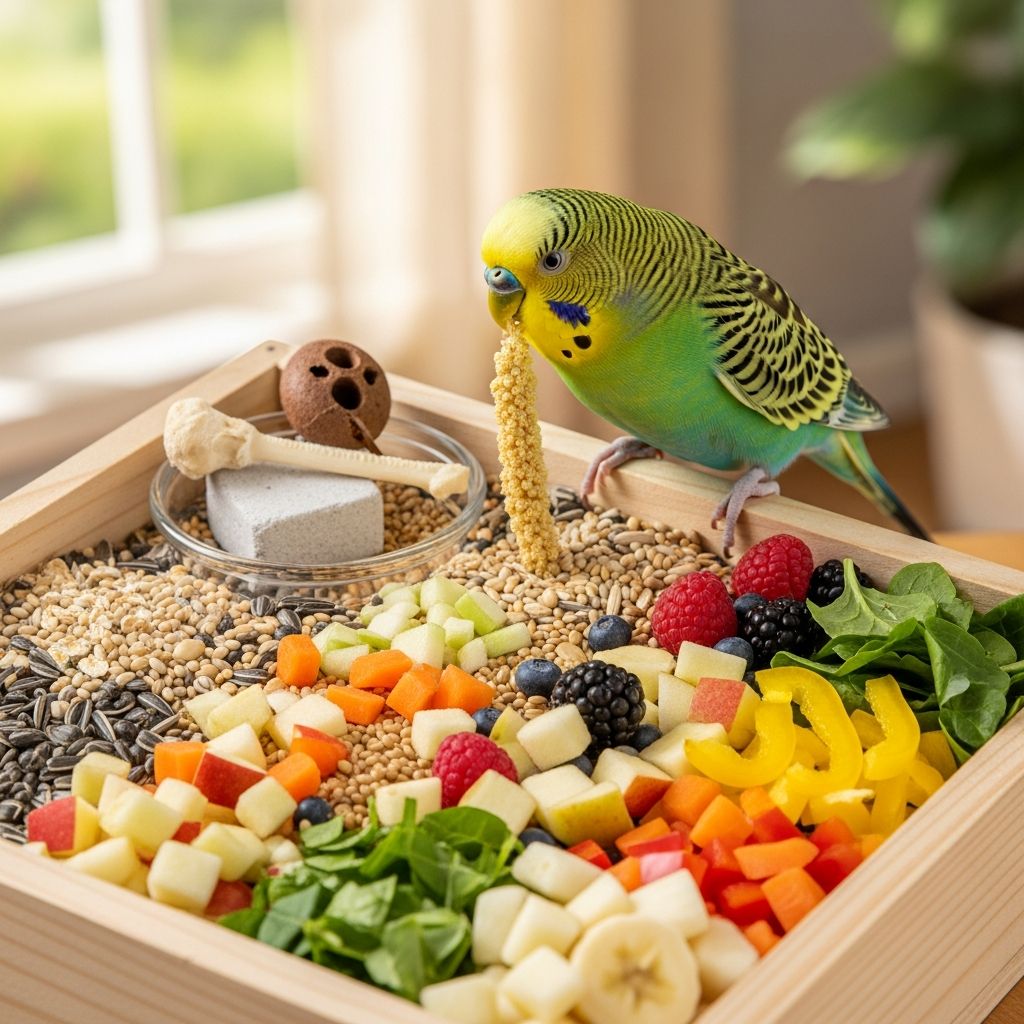
Understanding Parakeet Nutrition Basics
Providing proper nutrition for your parakeet is one of the most important aspects of pet bird care. Like all companion animals, parakeets require a balanced diet that supplies all essential nutrients for growth, energy, and overall health. The foundation of good parakeet nutrition starts with understanding what wild parakeets eat in their natural habitat and then adapting this knowledge to create a healthy diet for your pet bird.
Wild parakeets, particularly budgerigars from Australia, have diverse diets consisting of raw seeds, grains, fresh vegetation, fruits, and occasionally insects. This natural variety provides them with a comprehensive range of nutrients that keep them healthy and active. When selecting foods for your pet parakeet, the goal should be to replicate this natural dietary diversity as closely as possible while ensuring all nutritional needs are met.
The Foundation: Pellets and Seeds
The primary component of your parakeet’s diet should be a high-quality formulated diet that provides all essential nutrients. There are two main approaches to feeding parakeets: pellet-based diets and seed-based diets, each with distinct advantages.
Pellet-Based Diets
Formulated pellets have become increasingly recommended by veterinarians and avian nutritionists as the foundation of a parakeet’s diet. These pellets are specifically designed to provide complete nutrition in each bite, containing balanced proportions of proteins, fats, carbohydrates, vitamins, and minerals. A quality pellet diet eliminates nutritional deficiencies that can occur with seed-only feeding, as different seeds contain varying nutrient profiles.
Pellets should ideally comprise the majority of your parakeet’s daily food intake. The advantage of pellets is consistency—each pellet contains the same nutritional profile, ensuring your bird receives complete nutrition regardless of which pieces it eats first. This is particularly important for preventing selective eating behaviors where birds might choose only their favorite seeds while ignoring others.
Seed-Based Diets
Traditional seed mixes remain a viable dietary component for parakeets, though they should not be the sole source of nutrition. Seeds are nutritious and parakeets naturally enjoy them, but seed-only diets often lack sufficient calcium, vitamin A, and other essential nutrients. If you choose to incorporate seeds, use high-quality seed mixes and consider them a supplement to pellets rather than the primary diet.
Sprouted seeds and grains provide excellent nutritional value as they develop enzymes and increase nutrient bioavailability. Sprouting seeds is relatively simple—varieties like sunflower and mung bean are good starting points for beginners. These sprouted options offer enhanced nutrition without the added fat of regular seeds.
Fresh Fruits for Your Parakeet
Incorporating fresh fruits into your parakeet’s diet provides valuable variety, enrichment, and additional nutrients. Fruits should be offered in small amounts as supplemental foods rather than main dietary components, as their natural sugars can contribute to weight gain if overfed.
Best Fruits for Parakeets
When selecting fruits for your parakeet, prioritize options rich in vitamin A, which plays a crucial role in maintaining healthy skin, feathers, and immune function. A shortage of vitamin A often leads to reduced resistance to infections, skin problems, and dull plumage. The following fruits are safe and beneficial for parakeets:
High Vitamin A Fruits (Recommended): Mangoes, cantaloupes, oranges, watermelons, papayas, grapefruits, grapes, apricots, lemons, and nectarines all provide concentrated vitamin A along with other beneficial nutrients.
Other Safe Fruits: Bananas, apples (with seeds removed), pineapples, berries (strawberries, blackberries, raspberries), kiwis, plums, starfruit, and pomegranate are also appropriate choices for parakeets.
Always wash fruits thoroughly before offering them to your bird, and remove any seeds from apples as these can be harmful. Cut fruits into appropriately sized pieces to prevent choking hazards and allow for easier consumption.
Vegetables: Nutrient-Dense Additions
Vegetables represent an excellent way to add vitamin A and other essential nutrients to your parakeet’s diet while providing lower-sugar alternatives to fruits. Vegetables offer more nutritional bang for their caloric buck and should be incorporated regularly into your parakeet’s feeding routine.
Recommended Vegetables
Dark leafy greens form the cornerstone of a healthy vegetable diet for parakeets. Kale, spinach, and dandelion greens are packed with vitamins and minerals that support overall health. Other excellent vegetable choices include:
Carrots (both roots and leafy tops), sweet potatoes, peppers, green beans, fresh herbs like basil and parsley, broccoli, bok choy, cilantro, sugar snap peas, squash, corn, and cauliflower all provide various nutritional benefits. The diversity of vegetables ensures your parakeet receives a comprehensive spectrum of vitamins and minerals.
Offer vegetables raw when possible to preserve their nutrient content. Fresh vegetables should constitute approximately 20-25 percent of your parakeet’s daily diet at most. Rotate vegetables frequently to provide variety and prevent nutritional gaps that might occur from relying too heavily on any single vegetable.
Nuts, Seeds, and Insects
While nuts are highly nutritious and parakeets naturally enjoy them, they should be fed sparingly due to their high fat content. Safe nuts for parakeets include acorns, Brazil nuts, hazelnuts, horse chestnuts, monkey nuts (human quality), peanuts (human quality), pistachios, and walnuts.
Pumpkin seeds and sunflower seeds offer nutritional benefits and can be incorporated occasionally. For those interested in providing insect-based nutrition similar to wild parakeets’ natural diets, mealworms—whether live or dried—can be offered as occasional treats. These provide protein and simulate the natural foraging behavior of wild birds.
Calcium Supplementation: Essential for Bird Health
Calcium represents one of the most critical minerals for parakeet health, playing essential roles in bone development, eggshell formation, and muscular function. Many standard diets, particularly seed-based ones, are insufficient in calcium content, making supplementation necessary for optimal health.
Calcium Supplement Options
Several effective methods exist for ensuring adequate calcium intake. Cuttlebones provide a natural calcium source that parakeets can nibble on throughout the day, offering both nutritional benefits and behavioral enrichment. These should be securely attached to the cage and replaced regularly as they wear down.
Mineral blocks specifically formulated for birds provide another reliable calcium source. These blocks supply not only calcium but also other essential minerals in balanced proportions. Some mineral blocks include iodine, which supports thyroid function.
Unhulled sesame seeds, leafy greens, almonds, broccoli, and dandelion greens all contribute to calcium intake through the diet itself. However, for optimal absorption of dietary calcium, vitamin D3 is essential. This vitamin is naturally synthesized when birds receive unfiltered sunlight exposure or can be provided through full-spectrum avian lighting.
Avian sun bulbs, such as UVB-emitting compact fluorescent lamps, provide the necessary ultraviolet spectrum that parakeets cannot access through window glass, as windows filter out beneficial UVA and UVB rays. Providing 8-12 hours daily of full-spectrum light supports calcium metabolism and overall bird health.
Foods to Avoid: Toxic and Harmful Options
Just as important as knowing what to feed your parakeet is understanding which foods pose health risks. Several common foods can cause serious harm to pet birds.
Toxic Foods
Avocado: Contains persin, a fungicidal toxin that can cause heart damage, respiratory difficulty, and death in birds. All parts of the avocado plant are toxic.
Chocolate: Contains theobromine and caffeine, both toxic to parakeets. These compounds can cause increased heart rate, arrhythmias, hyperactivity, and in severe cases, cardiac arrest.
Tomatoes: The acidity of tomatoes disrupts parakeet digestive systems, potentially causing gastrointestinal upset. The solanine in green tomato parts presents additional toxicity concerns.
Alcohol and Caffeine: Both substances are toxic to parakeets. Caffeine can cause increased heart rate, arrhythmias, hyperactivity, and cardiac arrest. Alcohol affects liver function and may result in liver failure.
Foods to Limit or Avoid
Uncooked Beans: Present choking hazards and some varieties contain hemagglutinin, a toxic compound. Only cooked beans should be offered, if at all.
Dairy Products: Parakeets lack the enzyme lactase and cannot properly digest dairy. Milk, cheese, and yogurt can cause digestive issues.
Crackers and Breads: While occasional small amounts are not toxic, these foods offer minimal nutritional value and can contribute to weight gain. Ensure any bread offered is fresh and free of mold.
Salty and Fried Foods: High-salt foods and fried items can damage parakeet health. Parakeets are sensitive to sodium and excessive fat intake can lead to liver disease and cardiovascular problems.
High-Protein and High-Fat Meats: While protein is necessary, excessive amounts and fatty meats can cause liver disease and cardiovascular disease in parakeets.
Hydration: Water and Its Importance
Fresh, clean water is absolutely essential for your parakeet’s survival and health. Provide water daily in clean dishes, changing it multiple times throughout the day or whenever you notice debris or droppings in the water. Water bowls should be shallow enough for parakeets to drink safely while being difficult for them to bathe in extensively, though light bathing in water dishes is normal and beneficial.
Some parakeets enjoy drinking from water bottles with ball bearings, while others prefer open dishes. Observe your individual bird’s preferences and ensure whichever method you use is kept meticulously clean to prevent bacterial growth.
Daily Feeding Amounts and Schedule
The amount of food your parakeet requires depends on individual metabolism, activity level, and overall health status. A general guideline suggests providing approximately one tablespoon of pellets or seed mix daily for a single parakeet, adjusted based on the bird’s weight and appetite.
Fresh vegetables and fruits should be offered daily in small amounts—typically a piece or two of fruit and a small handful of vegetables. These supplemental foods should not comprise more than 25 percent of daily dietary intake.
Feed your parakeet at consistent times each day, ideally in the morning and evening. This routine helps regulate digestive function and allows you to monitor eating habits, which can signal health problems if they change dramatically.
Special Dietary Considerations
Smaller bird species such as parakeets typically need more grains relative to pellets compared to larger parrots. Including oat groats, flax seeds, and canary seeds in addition to pellets provides nutritional variety suited to smaller avian systems.
Regarding grit supplementation, modern recommendations suggest that parakeets receiving formulated diets and mineral blocks do not require insoluble grit. While some seed mixes include grit, the soluble oyster shell fragments naturally wear away in the gizzard and provide some calcium. However, this is not necessary if calcium is supplemented through other means.
Frequently Asked Questions About Parakeet Diet
What should I feed my parakeets?
Parakeets should primarily be fed a formulated pellet diet providing all essential nutrients, supplemented with fresh fruits and vegetables for variety and additional vitamins, particularly vitamin A. Seed mix can be offered as an occasional treat or secondary component, but should not form the dietary foundation. A balanced parakeet diet ensures optimal health, vibrant plumage, and resistance to disease.
Can parakeets eat bread?
Bread is not toxic to parakeets, but it offers little to no nutritional value. If your bird enjoys bread, it may be offered occasionally in small amounts as a treat. Always ensure any bread offered is fresh and free of mold, which can be toxic to birds.
What fruit can parakeets not eat?
Parakeets cannot safely eat avocados, which contain the toxic compound persin, or tomatoes, which are too acidic for their digestive systems. Dried fruits such as dates and raisins should also be avoided due to their high caloric density and concentrated sugars, which can lead to obesity and other health problems.
How much fresh food should my parakeet eat?
Fresh vegetables and fruits should account for approximately 20-25 percent of your parakeet’s daily diet at most. This ensures supplemental nutrition without excess sugar intake that could lead to weight gain and health complications.
Do I need to provide grit for my parakeet?
Parakeets receiving formulated pellets and proper mineral supplementation through cuttlebones or mineral blocks do not require additional insoluble grit. The calcium in mineral supplements and leafy greens adequately supports digestive function without grit supplementation.
What supplements does my parakeet need?
The primary supplement parakeets require is calcium, provided through cuttlebones, mineral blocks, or dietary sources such as leafy greens and sesame seeds. Vitamin D3, provided through full-spectrum UVB lighting or natural unfiltered sunlight, is essential for calcium absorption and should be considered a dietary priority.
References
- What Do Parakeets Eat? | Chewy — Chewy, Inc. 2025. https://www.chewy.com/education/bird/feed-and-nutrition/what-do-parakeets-eat
- What do parakeets eat? — ExoticDirect. 2025. https://exoticdirect.co.uk/news/what-do-parakeets-eat/
- Parakeet Feeding Guide | Feeding Tips — Omlet Ltd. 2025. https://www.omlet.us/guide/parakeets/feeding_tips/feeding_guide/
- Healthy Parakeet Diet: Your Budgie’s Wellness Guide — Bird Supplies. 2025. https://birdsupplies.com/blogs/news/unlocking-the-secrets-to-a-healthy-parakeet-diet-your-budgies-wellness-guide
- Feeding Budgies — VCA Animal Hospitals. 2025. https://vcahospitals.com/know-your-pet/budgies-feeding
- Food and Nutrition — Phoenix Landing Foundation. 2025. https://www.phoenixlanding.org/nutrition.html
- Bird Diet Recommendations — Avian and Exotic Veterinary Care. 2025. https://avianexoticvetcare.com/birds-cockatiels-cockatoos-macaws-parakeets-other-birds/bird-diet-recommendations
Similar Articles








Read full bio of Sneha Tete


