

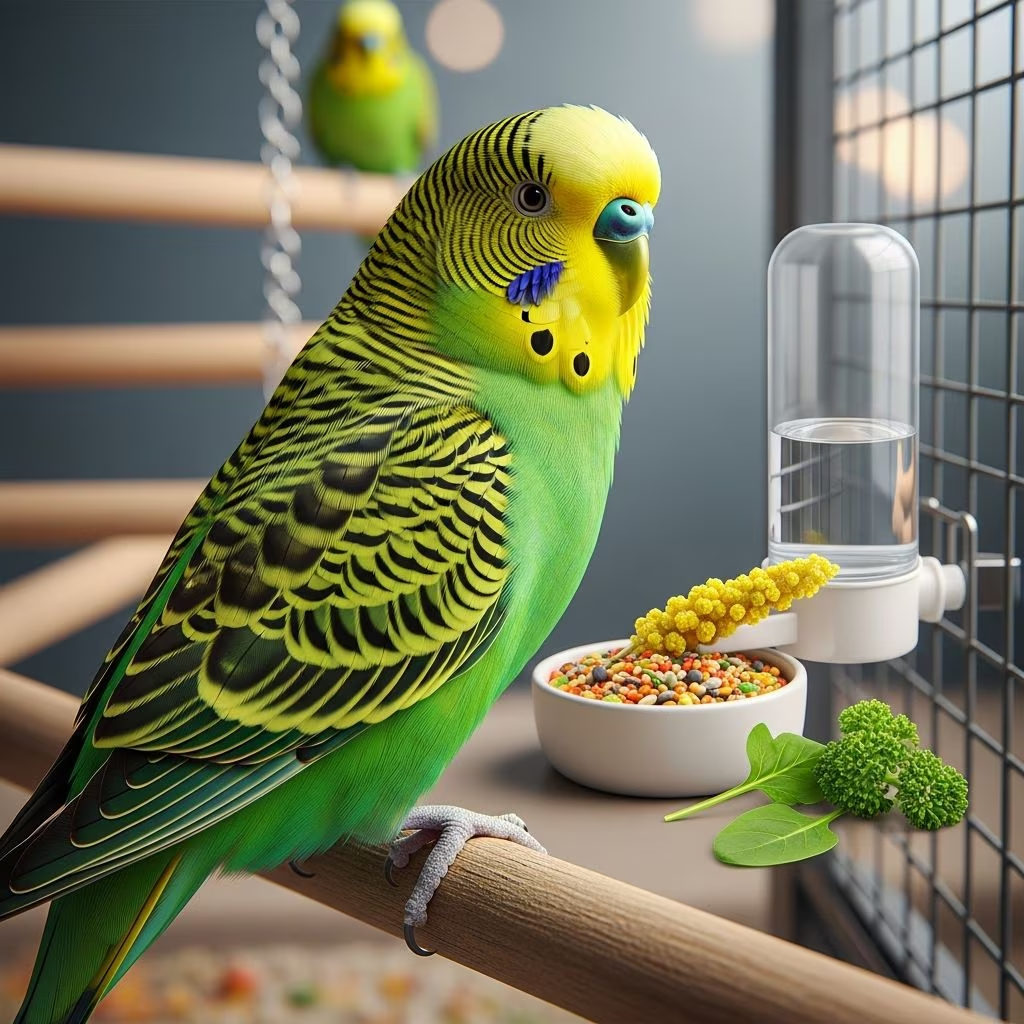
Complete Parakeet Care Guide: Housing, Diet & Health
Parakeets, also known as budgerigars or budgies, are among the most popular pet birds due to their intelligence, playful personalities, and relatively manageable care requirements. These vibrant companions can live 10-15 years or longer with proper care, making them a long-term commitment for bird enthusiasts. Whether you’re a first-time bird owner or an experienced avian keeper, understanding the fundamentals of parakeet care is essential to ensure your feathered friend thrives both physically and mentally.
Setting Up the Perfect Parakeet Habitat
Cage Size and Specifications
The foundation of good parakeet care begins with an appropriately sized cage. Parakeets are active fliers and acrobats, even when kept indoors, so adequate space is non-negotiable for their well-being. The minimum cage dimensions should be 18 inches wide by 18 inches deep by 24 inches tall for a single parakeet. However, larger cages measuring 20 by 20 by 30 inches or more are strongly recommended whenever possible. For pairs or multiple birds, significantly larger enclosures are necessary to prevent aggression and stress.
Horizontal space is particularly important since parakeets need room to stretch their wings and engage in short flights within the cage. This horizontal flight space contributes significantly to their physical exercise and mental stimulation. The cage shape matters too—rectangular cages with multiple levels provide better opportunities for climbing and movement than round cages.
Cage Placement and Environment
Where you place your parakeet’s cage dramatically impacts its health and happiness. Position the enclosure at or slightly below eye level to help your bird feel secure and part of the family. Avoid placing cages in kitchens, particularly near non-stick cookware, as the fumes released during cooking can be toxic or fatal to birds. Additionally, keep cages away from drafts, strong odors, direct sunlight, and sources of heat or cold that could stress your bird.
Ensure the room maintains a comfortable temperature between 65-75 degrees Fahrenheit and provide a consistent light cycle. Covering the cage at night helps create a secure sleeping environment and establishes healthy sleep patterns, which are crucial for your parakeet’s overall well-being.
Essential Cage Accessories
Beyond the basic cage structure, several accessories are vital for a complete habitat setup:
- Perches: Provide at least two perches of different diameters and heights. Varying perch thickness helps exercise your bird’s feet and prevents pressure sores. Natural wood perches are preferable to dowels.
- Food and Water Dishes: Position receptacles above perches to protect them from droppings. Use separate bowls for food and water, or invest in a water bottle for cleaner water storage.
- Cage Liner: Use absorbent cage bottom paper or commercially available bird litter. Spot clean as needed and fully change the substrate 2-3 times weekly.
- Cuttlebone or Mineral Block: Essential for calcium intake, as parakeets’ beaks continuously grow and require proper conditioning.
- Beak Conditioner: Helps maintain proper beak alignment and provides necessary minerals.
Nutrition: Building a Balanced Diet
Core Diet Components
A healthy parakeet requires a well-rounded diet consisting of multiple food sources. The nutritional foundation should be a high-quality pelleted food formulated specifically for parakeets, which should comprise approximately 80% of their daily intake. Pellets provide balanced nutrition with essential vitamins and minerals that birds need to thrive.
Supplement the pellet base with a quality seed mix, which provides variety and enrichment. While seeds are calorie-dense, they shouldn’t be the primary food source due to their high fat content. Keep seed bowls approximately three-quarters full and replace with fresh seed daily.
Fresh Produce and Supplements
Fresh vegetables and fruits should supplement the pelleted diet. Offer produce every other day, focusing on leafy greens such as romaine lettuce, spinach, kale, and dandelion greens. Other excellent vegetable choices include carrots, broccoli, green beans, and bell peppers. Fruits like apples (seeds removed), pears, and berries provide natural vitamins and enrichment.
Parakeets also benefit from daily vitamin and mineral supplementation. A cuttlebone or mineral block hung in the cage provides accessible calcium and essential minerals. Treats such as spray millet or honey sticks should be limited to no more than 10% of the daily diet to prevent obesity and nutritional imbalances.
Foods to Avoid
Certain foods are toxic to parakeets and must be strictly avoided:
- Avocado
- Chocolate
- Caffeine and caffeinated beverages
- Salty or sugary snacks
- Apple seeds (though flesh is safe)
- Salt in excessive amounts
Water and Hydration
Fresh, clean water must be available at all times. Change water daily and wash water dishes regularly to prevent bacterial buildup. Some bird owners add a few drops of apple cider vinegar diluted with water to encourage healthy hydration. Water bottles should be cleaned and checked for clogs regularly to ensure consistent access.
Enrichment and Mental Stimulation
Toys and Rotating Entertainment
Parakeets are highly intelligent and curious birds that require substantial mental stimulation to prevent boredom-related behavioral problems such as feather plucking, aggression, and self-injury. Provide a minimum of three different toys and rotate them regularly to maintain novelty and interest. Effective toy categories include:
- Chewable toys: Made from natural materials like wood, palm leaves, or untreated paper
- Puzzle toys: Encourage problem-solving and foraging behaviors
- Foraging toys: Hide treats to stimulate natural hunting instincts
- Bells and rattles: Provide auditory stimulation
- Mirrors and swings: Offer movement and play opportunities
Inspect toys regularly for damage and replace worn items to prevent injury. Discard any toys showing excessive wear, fraying, or potential hazards.
Out-of-Cage Time and Socialization
Parakeets benefit greatly from time outside their cages. A T-stand or bird playpen provides a safe space for exercise and interaction during supervised out-of-cage time. If you plan to train your parakeet and spend significant time together, a single bird is recommended. However, if you cannot dedicate multiple hours weekly to interaction, keeping two same-gender parakeets allows them to keep each other company.
Training your parakeet strengthens the bond and provides mental enrichment. Begin by teaching your bird to accept your finger as a perch and to step from one hand to the other. Some owners choose to trim primary flight feathers on each wing to prevent escape during outdoor time, though these feathers will regrow after molting.
Health, Grooming, and Maintenance
Cage Cleaning and Sanitation
Regular cleaning is crucial for preventing illness. Spot clean the cage as needed, changing the substrate 2-3 times weekly. Perform a thorough cleaning of the entire habitat and all accessories monthly using non-toxic, pet-safe cleaning products. Never use food preparation areas for cleaning bird supplies, and disinfect thoroughly if cleaning in the bathroom.
Bathing and Grooming
Parakeets enjoy bathing and benefit from regular water exposure. Offer a shallow birdbath or dish for splashing, or gently mist your bird with warm water 2-3 times weekly. After bathing, ensure your bird remains in a warm, draft-free area while drying to prevent illness.
Nail care is essential since parakeet nails grow continuously. Trim nails regularly using avian-specific nail clippers, keeping styptic powder on hand to stop bleeding if accidentally cut too short. Wing trimming should only be performed by experienced handlers or veterinarians to ensure proper feather maintenance.
Veterinary Care
Schedule an appointment with an avian veterinarian as soon as possible after bringing a new parakeet home. Regular wellness exams are recommended to catch health issues early. Watch for signs of illness including fluffed feathers, lethargy, reduced appetite, discharge from eyes or nose, and changes in droppings. Prompt veterinary attention can prevent minor issues from becoming serious.
Preparing Your Home for a Parakeet
Safety Considerations
Before bringing your parakeet home, ensure your environment is safe. Avoid non-stick cookware, which releases toxic fumes when heated. Use bird-safe cleaning products and maintain proper ventilation. Keep potential hazards such as ceiling fans, open windows, and other pets secured or monitored.
Essential Supplies Checklist
Prepare the following before your parakeet arrives:
- Appropriately sized cage with stand
- Fortified pelleted parakeet diet
- Quality seed mix
- Food and water bowls or bottles
- Multiple perches of varying diameters
- Minimum three toys (rotating inventory)
- Cage cover for nighttime security
- Misting spray bottle or birdbath
- Cuttlebone and mineral block
- Cage liner and cleaning supplies
- Avian first aid kit
- T-stand or bird playpen for out-of-cage time
Frequently Asked Questions
How long do parakeets live?
With proper care, parakeets typically live 10-15 years, and some may live even longer. Factors affecting lifespan include diet quality, veterinary care, environmental stress, and genetics.
Can parakeets live alone, or do they need companions?
Single parakeets can thrive if they receive substantial daily interaction and mental stimulation from their owners. If you cannot dedicate multiple hours weekly to your bird, two same-gender parakeets are recommended for companionship.
What temperature should I maintain for my parakeet?
Parakeets thrive in temperatures between 65-75 degrees Fahrenheit. Avoid extremes and sudden temperature fluctuations, which can stress your bird and compromise immune function.
How often should I clean my parakeet’s cage?
Spot clean daily as needed, change substrate 2-3 times weekly, and perform thorough monthly cleanings of the entire habitat and accessories.
Are parakeets good pets for beginners?
Yes, parakeets are considered good starter birds. They are relatively low-maintenance, friendly, intelligent, and interactive, making them excellent choices for first-time bird owners willing to provide proper care.
What should I do if my parakeet shows signs of illness?
Contact an avian veterinarian immediately. Signs of illness include fluffed feathers, lethargy, loss of appetite, discharge, difficulty breathing, or changes in droppings. Early veterinary intervention is critical for bird health.
Conclusion
Providing excellent care for your parakeet requires attention to housing, nutrition, enrichment, and health maintenance. By implementing the guidelines outlined in this comprehensive guide, you’ll create an environment where your parakeet can flourish physically and emotionally. Remember that parakeets are long-lived companions deserving of consistent, quality care throughout their lives. Regular veterinary check-ups, a balanced diet, adequate enrichment, and daily interaction will ensure your feathered friend enjoys a happy, healthy, and fulfilling life as part of your family.
References
- Parakeet Care Guide: Housing, Diet & Enrichment — Clydes Animal Clinic. 2025-08-08. https://clydesanimalclinic.com/2025/08/08/parakeet-care-guide-housing-diet-enrichment/
- Parakeet/Budgerigar Care Guide — PetSmart Learning Center. 2025. https://www.petsmart.com/learning-center/bird-care/parakeet-care-guide/A0014.html
- Caring for Your Parakeet — Pet Advocacy Network. 2022-01. https://petadvocacy.org/wp-content/uploads/2022/01/Parakeet-Care-Sheet.pdf



