
Understanding Parakeet Behavior: A Complete Guide
Master parakeet behavior patterns, communication, and social dynamics for better pet care.
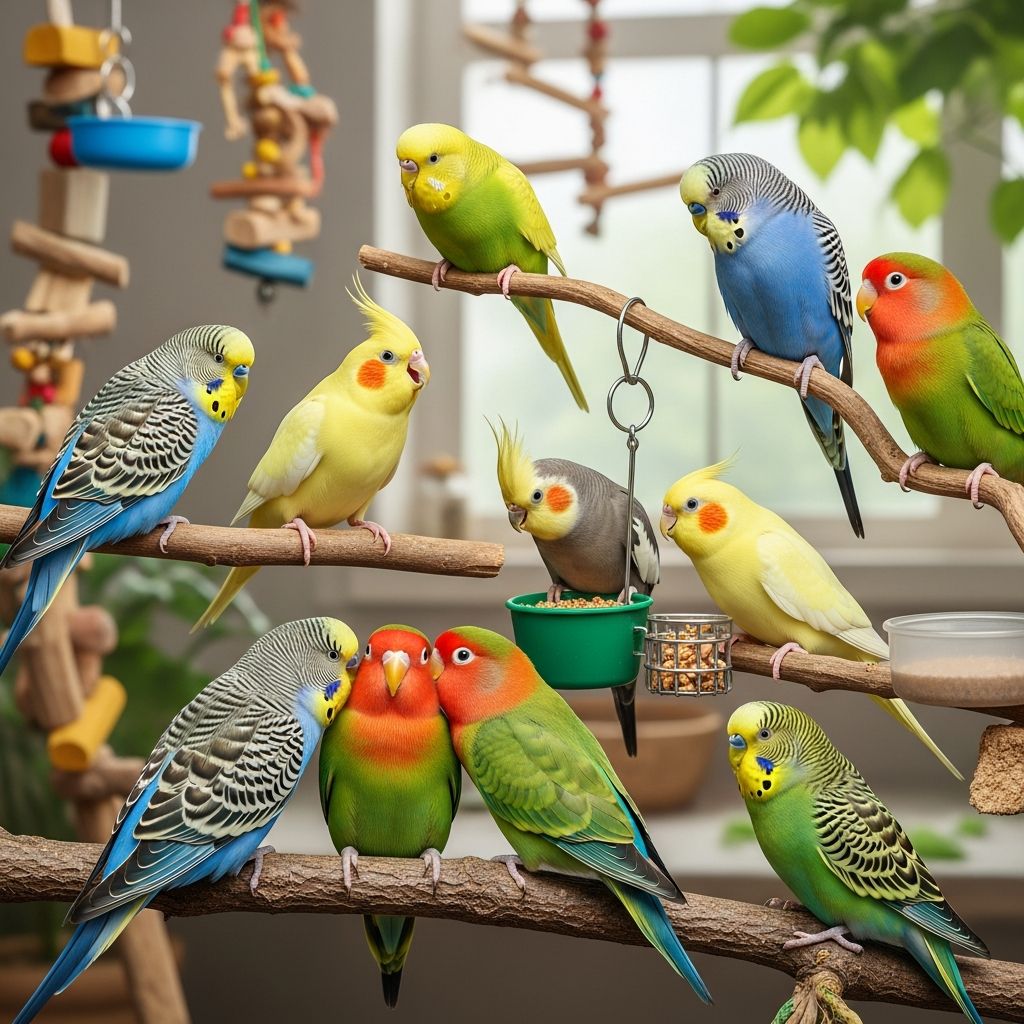
Understanding Parakeet Behavior: A Complete Guide for Pet Owners
Parakeets are intelligent, social birds that exhibit fascinating and complex behaviors. Understanding these behaviors is crucial for providing proper care, ensuring their well-being, and developing a strong bond with your feathered companion. Whether you’re a new parakeet owner or an experienced bird keeper, gaining insight into the nuances of parakeet behavior can significantly enhance your relationship with these delightful pets.
The Social Nature of Parakeets
Parakeets are inherently social creatures, with their behavior deeply rooted in their natural flock mentality. In the wild, parakeets live in large flocks, and this gregarious nature continues to influence their behavior in captivity. They naturally seek companionship and thrive in the company of other birds or their human caregivers. This flock mentality is one of the most significant aspects of parakeet behavior to understand, as it affects everything from their vocalizations to their bonding patterns.
The social structure within a flock is well-organized and hierarchical. Within any group of parakeets, different birds assume different roles to maintain order and function. Understanding these social dynamics helps us replicate their natural environment in captivity:
| Social Role | Characteristics | Behaviors |
|---|---|---|
| Dominant | Leads the flock and makes decisions | Initiating flights, choosing feeding sites |
| Subordinate | Follows the dominant pair and supports them | Copying movements, assisting in nest building |
| Sentinel | Keeps watch for potential threats | Alert calls, vigilant behavior |
Parakeet Communication: Vocalizations and Body Language
Communication is fundamental to parakeet society, and these birds employ a diverse range of vocalizations and body language to express themselves. Understanding how parakeets communicate is essential for interpreting their needs and emotions.
Vocalizations
Parakeets are incredibly vocal birds, and one of the most distinctive aspects of parakeet behavior is their vocalizations. They communicate through chirps, whistles, squawks, trills, and even mimicry of human speech. These vocalizations serve multiple purposes in their social lives. Parakeets use different sounds to express happiness, fear, hunger, and distress. They also use vocalizations for social bonding, territory marking, and indicating mating availability. Male parakeets tend to be more vocal than females, especially during courtship or when trying to attract a mate.
Parakeets are capable of learning to mimic human speech and sounds, which further enhances their ability to communicate with their human companions. This mimicry ability demonstrates their high intelligence and their desire to connect with those around them.
Body Language
Beyond vocalizations, parakeets communicate extensively through body language. By observing their body movements and gestures, you can understand their intentions and emotions:
- Fluffed Feathers: Indicate relaxation and contentment
- Eye Pinning: Signals aggression, fear, or intense excitement; pupils dilate and contract rhythmically
- Tail Movements: Wagging or fanning indicates excitement or curiosity
- Beak and Wing Use: Nibbling or preening shows affection and grooming behavior
- Head Bobbing: In males, often part of courtship displays; in babies, indicates hunger
Gender-Based Behavioral Differences
Male and female parakeets exhibit distinct behavioral patterns that stem from their biological roles and instincts.
Male Parakeet Behaviors
Vocalization: Male parakeets are typically more vocal than females, particularly during courtship or when attempting to attract a mate. They may sing more frequently and with greater enthusiasm.
Bonding: Male parakeets are often more inclined to bond closely with their human caregivers, although this varies depending on individual experiences and early socialization.
Head Bobbing and Courtship: Male parakeets engage in distinctive courtship behaviors, including head bobbing—a fast and fluid up-and-down motion of the neck often accompanied by chattering. This action is typically performed to impress potential mates and is part of their mating display.
Female Parakeet Behaviors
Aggression: Female parakeets may exhibit more aggression, especially when nesting or protecting their territory. This is a natural protective instinct.
Nesting Behavior: Female parakeets may show nesting instincts, such as seeking out cozy spaces to lay eggs or displaying interest in nesting materials.
Parenting Responsibilities: Female parakeets are usually responsible for incubating eggs and caring for chicks, while males assist with feeding and protection.
Bonding Behavior and Affection
From the moment a parakeet moves from its nest to a perch, it becomes part of the flock, and its behavior revolves around bonding. Parakeets bond through various activities, doing certain actions together with their flock members or human companions. When two birds become good friends, they express their affection through specific behaviors:
- Tapping their beaks together in a “parakeet kiss”
- Preening each other’s faces and heads
- Eating, grooming, flying, and bathing together
- Mutual feeding, particularly during courtship
Preening is an important bonding ritual. It usually finishes with the bird puffing up and shaking everything into place with a violent shudder, followed by a swift tail wag to add the finishing touches. When your parakeet stretches their wings and legs in your presence, it’s a sign they’ve become comfortable with you and associate your presence with activity and social interaction.
Playfulness, Activity, and Exercise Needs
Playfulness and adaptability are key aspects of parakeet behavior that contribute to their ability to thrive in various environments. Parakeets are known for their energetic and lively nature, making them highly playful companions. They love to engage in activities such as climbing, swinging, and playing with toys, which keeps them mentally stimulated and physically active.
First thing in the morning, parakeets will often flap their wings violently while perched. Sometimes their feet will leave the perch and they’ll perform a somewhat noisy hover. This is to warm up their muscles and has nothing to do with display or aggression—they simply need to shake their wings after a long period of rest. This wing-flapping will often be accompanied by calls and chirrups.
Toy Engagement and Enrichment
Your parakeet will take interest in anything you place in their cage, getting their beak into all its corners and nibbling its edges. Some birds are more timid than others and will have to work up the courage to check out new items, which can sometimes take hours or even days. Once the bird has fully explored the item and played with it for a few days, they will start to lose interest.
It’s important to replace old toys with new ones on a rotational basis to maintain engagement and mental stimulation. Bells are particularly popular with parakeets, especially lone birds, as the movement and sound create interest. However, obsessive behavior with a single toy can indicate that the parakeet needs more social companionship.
Adaptability and Environmental Adjustment
The adaptable nature of parakeets allows them to easily adjust to new surroundings, making them versatile pets. Whether in a spacious aviary or a cozy home cage, parakeets can quickly adapt to their environment and make the most of it. This adaptability also extends to their interactions with humans. Parakeets have the ability to form close bonds with their owners and can be trained to perform simple tricks or mimic sounds, showcasing their adaptability and intelligence.
However, parakeets may exhibit various reactions to changes in their environment, such as new toys or rearranged perches. These reactions can range from curiosity to apprehension. Similarly, reactions to unfamiliar objects or visitors may include vocalizations, posturing, or territorial displays.
Common Behavioral Issues and Solutions
While parakeets are generally known for their cheerful disposition, they may exhibit behavior problems that require attention from their owners. Understanding these issues is crucial for addressing them effectively:
Biting
Parakeets will bite when they feel threatened, afraid, protective, or cornered. When protecting eggs or their mate, parakeets become territorial. They can also feel threatened by unfamiliar humans or pets, which can cause them to bite. A pet parakeet can be trained not to bite. However, biting can also indicate that there is a health issue, so make sure your bird is healthy before training or ignoring the behavior.
Screaming
While parakeets are noisy birds when it comes to whistles, talking, and daily chitter-chatter, screaming is not a typical behavior. Excessive screaming may indicate distress, boredom, or an unmet need for social interaction.
Feather Plucking
Feather plucking is a behavioral problem that can stem from stress, boredom, lack of social interaction, or medical conditions. This destructive behavior requires investigation into its root cause.
Regurgitation
Regurgitating food is a natural behavior in parakeets, particularly during courtship. However, excessive regurgitation can become problematic and may require veterinary consultation.
Intelligence and Learning Capabilities
Parakeets are highly intelligent birds that can learn to talk, mimic sounds, and repeat words or phrases. This intelligence makes them excellent candidates for training and interaction. They can be hand-tamed easily and, when properly socialized, can enjoy daily handling and learn basic tricks. Their ability to learn demonstrates their cognitive sophistication and their capacity to form meaningful relationships with their owners.
Eye Pinning: Understanding This Distinctive Behavior
Eye pinning, sometimes known as eye flashing, is a distinctive behavior where a parakeet’s pupils dilate and contract rhythmically as they focus on something interesting. A favorite toy or an exciting new one may trigger this behavior. Pupils also dilate when a male bird is about to regurgitate to his mate or best friend. Understanding this behavior helps owners interpret their parakeet’s emotional state and level of excitement.
Frequently Asked Questions About Parakeet Behavior
Q: Why do parakeets head-bob?
A: Male parakeets head-bob as part of their courtship display to attract mates. Baby parakeets also head-bob to indicate hunger. This fast and fluid up-and-down motion is often accompanied by chattering and, in babies, a chirrup that means “feed me!”
Q: What does it mean when a parakeet fluffs its feathers?
A: When a parakeet fluffs up its feathers, it generally indicates relaxation and contentment. However, the context matters, so observe other body language signals to get a complete picture of the bird’s emotional state.
Q: Are parakeets good pets for beginners?
A: Yes, parakeets are friendly, intelligent birds that can be hand-tamed easily. When properly socialized, they can enjoy daily handling and learn basic tricks, making them suitable for beginner bird owners.
Q: How can I tell if my parakeet is happy?
A: Happy parakeets display playful behavior, engage with toys, socialize with other birds or humans, chirp regularly, preen themselves and others, and maintain a relaxed posture with normal feather arrangement.
Q: Why does my parakeet become attached to one toy?
A: Lone parakeets often become very attached to a single toy, especially bells that move and make noise. This obsessive behavior can indicate that the parakeet needs social companionship and interaction.
Q: Can parakeets learn to talk?
A: Yes, parakeets are highly intelligent and can learn to talk, mimic sounds, and repeat words or phrases. Their ability to learn human speech demonstrates their cognitive abilities and desire to communicate with their owners.
Q: What should I do if my parakeet bites?
A: First, consult a veterinarian to rule out health issues. If your parakeet is healthy, work on training it not to bite by avoiding triggering situations and using positive reinforcement. Ensure the bird doesn’t feel threatened or cornered.
Conclusion
Understanding parakeet behavior is essential for providing excellent care and developing a rewarding relationship with your feathered companion. These intelligent, social birds communicate through complex vocalizations and body language, form deep bonds with their flock members and human caregivers, and require mental stimulation and social interaction to thrive. By recognizing and interpreting their behaviors—from head bobbing and eye pinning to preening and play—you can better meet their needs and enjoy a fulfilling companionship with your parakeet.
References
- Parakeets: Types, Behavior, Facts, Care Guide — Rogue Scholar. 2024. https://rogue-scholar.org/records/eckr7-d3h91
- Parakeet Behavior — Parakeets and Budgies. https://parakeetsandbudgies.com/parakeet-behavior/
- Normal Parakeet Behavior — Omlet. https://www.omlet.us/guide/parakeets/parakeet_behaviour/normal_behavior/
- Parakeet Behavior and Sounds — Kaytee. https://www.kaytee.com/learn-care/pet-birds/parakeet-behavior-and-sounds
- Parakeet Care Sheet — PetMD. https://www.petmd.com/bird/parakeet-care-sheet
Similar Articles








Read full bio of Sneha Tete


