

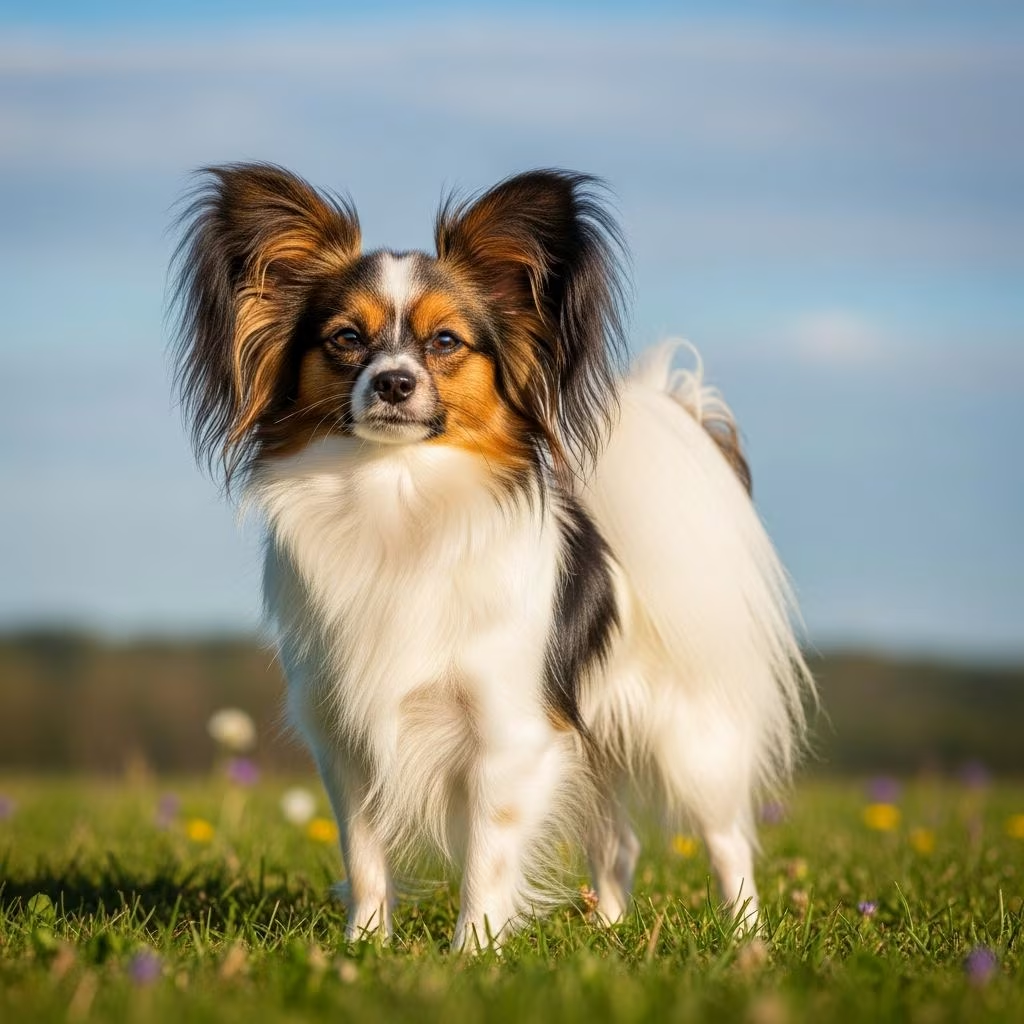
The Papillon stands out as a captivating toy breed, renowned for its striking butterfly-like ears, vibrant energy, and sharp intellect. Originating from European nobility, this small dog combines delicate elegance with surprising athleticism, making it an ideal choice for households craving a devoted, engaging pet.
Origins and Historical Charm
Papillons trace their roots to the opulent courts of Renaissance Europe, evolving from the continental toy spaniel family. Their name, derived from the French word for ‘butterfly,’ reflects the distinctive shape of their erect, fringed ears that resemble fluttering wings. Historical paintings depict these dogs as cherished companions to royalty, including figures like Marie Antoinette, highlighting their status as symbols of refinement and loyalty.
Over centuries, selective breeding refined their appearance, distinguishing the upright-eared Papillon from the drop-eared Phalène variety, both recognized today. This heritage instills a proud carriage and sociable demeanor, transforming them from lapdogs of aristocrats into versatile modern companions excelling in sports and therapy roles.
Distinctive Physical Traits
Papillons possess a fine-boned yet sturdy frame, typically measuring 8 to 11 inches at the shoulder and weighing 5 to 10 pounds. Their silky, long coat flows without an undercoat, resisting matting and shedding minimally, which simplifies grooming.
The hallmark feature is the large, erect ears covered in feathering that fans outward like butterfly wings. A plumed tail arches gracefully over the back, adding to their regal poise. Coat colors feature a white base with patches of black, red, lemon, or sable, often accented by a blaze on the face for symmetry.
- Height: 8-11 inches
- Weight: 5-10 pounds
- Coat: Long, silky, single-layered
- Colors: Parti-color with white dominant
- Ears: Erect and fringed (or drop in Phalène)
Despite their dainty look, Papillons move with light, agile grace, enabling prowess in dynamic activities.
Personality and Behavioral Highlights
Papillons embody a blend of confidence, curiosity, and affection. Ranked among the brightest breeds—eighth out of 138 by canine intelligence expert Dr. Stanley Coren—they eagerly absorb training and thrive on mental challenges.
Outgoing and alert, they form deep bonds with owners, delighting in play, cuddles, and exploration. Not prone to excessive barking, they serve as vigilant watchdogs, announcing visitors without hysteria. Their sociable nature suits families, provided interactions with children are supervised due to their size.
| Trait | Description |
|---|---|
| Affectionate | Loves laps and family time |
| Intelligent | Quick learner, excels in obedience |
| Energetic | Needs daily activity but adapts well |
| Social | Friendly with pets and people if socialized |
| Alert | Good watchdog without yapping |
Early socialization prevents shyness or overprotectiveness, ensuring they remain happy adventurers.
Training and Daily Exercise Essentials
Harnessing their high intelligence, Papillons master obedience, agility, and tricks with ease, often outshining larger breeds in competitions. Positive reinforcement yields the best results, as they respond to praise and play-based rewards.
Daily walks, fetch sessions, or puzzle toys satisfy their moderate exercise needs—about 30-60 minutes. They flourish in agility courses, leveraging quick reflexes and boundless enthusiasm. Mental stimulation prevents boredom-induced mischief like chewing.
- Use treats and toys for motivation
- Practice short, frequent sessions
- Incorporate agility or obedience classes
- Socialize early with diverse environments
Housebreaking may take patience, but consistency leads to success. Their adaptability makes them excellent therapy dogs, offering comfort in hospitals or schools.
Grooming and Maintenance Routine
The Papillon’s coat requires minimal upkeep: weekly brushing distributes oils and removes debris, preventing tangles. Bathe monthly or as needed, focusing on paw pads and ears to avoid infections.
Nails should be trimmed biweekly, teeth brushed regularly, and ears checked for wax buildup. Their lack of doggy odor and low shedding endear them to apartment dwellers. Professional grooming every 6-8 weeks enhances their lustrous appearance.
Nutrition and Feeding Guidelines
Feed high-quality, small-breed formulas twice daily, portioned to 1/2 to 1 cup total, adjusted for activity. Monitor weight to prevent obesity, as their petite size demands calorie control. Fresh water is essential.
Incorporate omega fatty acids for coat health and glucosamine for joints. Puppies need frequent, nutrient-dense meals until 12 months.
Health Considerations and Lifespan
Papillons enjoy a lifespan of 13-16 years with proper care. Common concerns include patellar luxation, dental issues, and progressive retinal atrophy (PRA). Regular vet checkups, including eye screenings, mitigate risks.
They tolerate warmth well but shiver in cold; provide sweaters during winter. Dental hygiene curbs periodontal disease prevalent in small breeds.
- Vaccinations: Core series plus boosters
- Dental Care: Daily brushing, annual cleanings
- Screenings: Eyes, knees, heart
Responsible breeding from health-tested parents enhances longevity.
Ideal Living Environments
Versatile Papillons adapt to apartments, houses, or travel, prioritizing companionship over space. Active singles, families, or seniors benefit from their engaging presence, though supervision around toddlers is key.
They harmonize with other pets post-introduction but may chase small animals instinctively.
Bringing Home Your Papillon
Select reputable breeders adhering to AKC or Kennel Club standards, prioritizing health clearances. Rescues offer wonderful opportunities for adult Papillons needing homes.
Puppy-proof environments, enroll in classes, and commit to lifelong training for a fulfilling bond.
Frequently Asked Questions
Are Papillons good for first-time owners?
Yes, their trainability and size suit novices, though dedication to exercise and stimulation is vital.
Do Papillons bark a lot?
No, they alert selectively without nuisance yapping.
How much exercise do Papillons need?
30-60 minutes daily, blending physical and mental activities.
Are Papillons hypoallergenic?
Not fully, but low shedding minimizes allergens.
Can Papillons live in cold climates?
They prefer mild weather; bundle up in winter.
References
- Papillons: The Good, The Bad, The Ugly — Figo Pet Insurance. 2023. https://figopetinsurance.com/blog/get-to-know-papillon
- Dog Breed Profile: Papillon — Woof. 2024. https://mywoof.com/blogs/articles/dog-breed-profile-papillon
- 4 Fun Characteristics of the Papillon Dog Breed — American Kennel Club. 2023-05-15. https://www.akc.org/expert-advice/lifestyle/4-papillon-characteristics/
- Papillon Dog Breed Information and Pictures — Dog Breed Info. 2024. https://www.dogbreedinfo.com/papillon.htm
- Papillon dog — Wikipedia. 2026-01-28. https://en.wikipedia.org/wiki/Papillon_dog
- Papillon Breed Standards — The Kennel Club. 2024. https://www.royalkennelclub.com/breed-standards/toy/papillon/



