

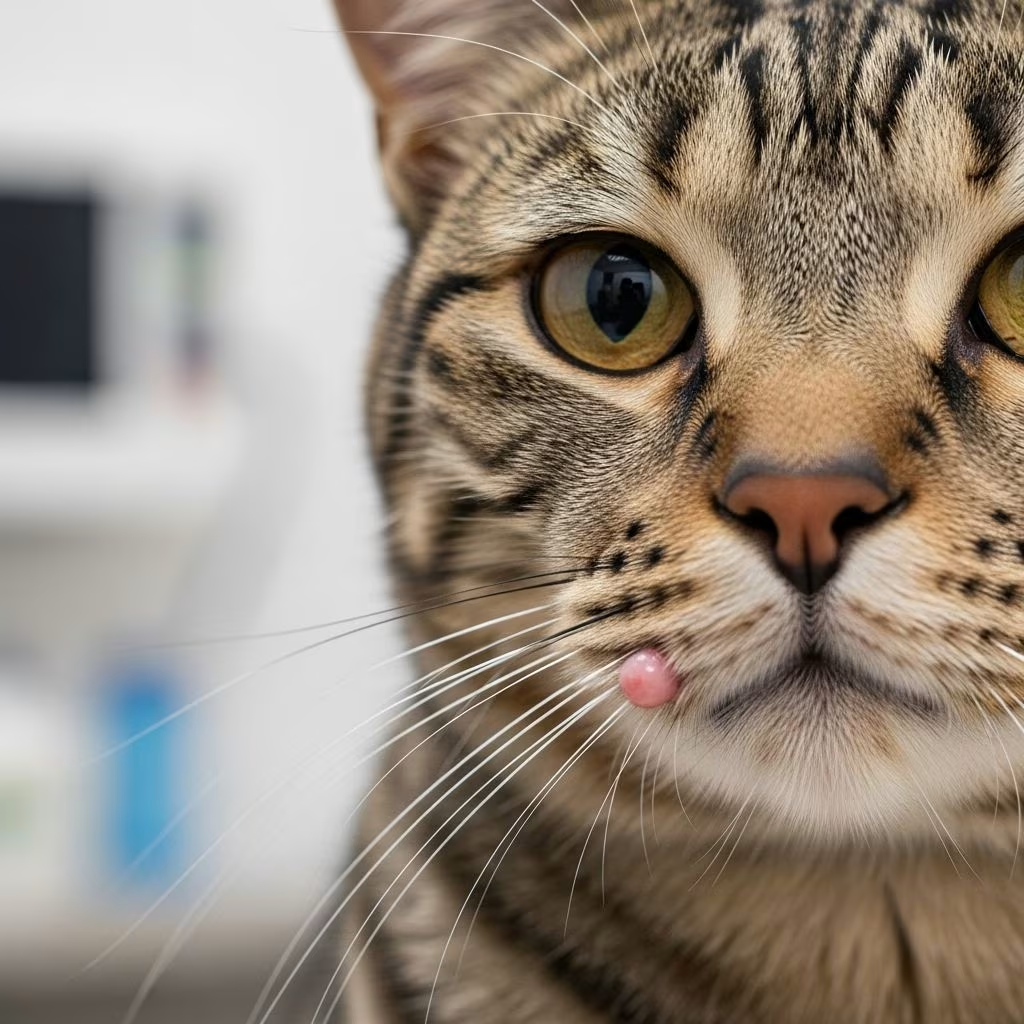
Papillomas in cats, often called warts, arise from papillomavirus infections that trigger abnormal skin cell growth. These benign lesions typically resolve without intervention but require monitoring to prevent complications like malignancy.
Understanding Feline Papillomavirus Infections
Papillomaviruses target epithelial tissues, entering through skin abrasions and infecting basal cells. This leads to hyperplasia, where cells multiply rapidly, forming thickened, folded epidermal layers. Feline-specific types, notably FcaPV2, infect many kittens early in life, yet clinical disease remains rare due to robust immunity.
In cats, the virus disrupts normal maturation in skin strata, causing plaques or protrusions. Unlike canine versions, feline cases seldom cluster extensively, appearing instead as isolated or grouped bumps. Outdoor exposure heightens transmission risk via contact with carriers or fomites.
Risk Factors and Susceptibility
Young kittens and immunocompromised adults face higher odds. Conditions like FIV or FeLV impair viral clearance, allowing replication and lesion formation. Breeds such as Devon Rex and Sphynx show elevated invasive carcinoma risks from certain papilloma progressions.
- Immunosuppression from retroviruses
- Early-life FcaPV2 exposure
- Dense multi-cat environments
- Outdoor roaming
UV light may cofactor squamous cell carcinoma development alongside FcaPV, though exact roles need further study.
Recognizing Clinical Signs
Lesions vary by type and site. Cutaneous forms manifest as raised, cauliflower-textured growths on head, neck, or limbs. Oral variants cluster in mouths, potentially causing halitosis, drooling, or eating difficulties.
| Lesion Type | Appearance | Common Sites |
|---|---|---|
| Skin Papillomas | Frond-like, thickened folds | Head, ears, paws |
| Hyperkeratotic Plaques | Scaly, pigmented patches | Trunk, legs |
| Bowenoid In Situ Carcinomas | Crusted, circular, hyperpigmented | Pigmented haired skin |
| Oral Papillomas | Clustered bumpy masses | Mouth, tongue |
Symptoms include bleeding, appetite changes, or irritation if traumatized. Distinguish from malignancies via biopsy, as some mimic tumors.
Diagnostic Approaches
Veterinarians start with physical exams, noting lesion morphology. FIV/FeLV tests screen for immunosuppression. Confirm via histopathology or PCR detecting viral DNA/antigens in tissues.
Differential diagnoses encompass eosinophilic granulomas, fungal infections, or basal cell tumors. Biopsy rules out squamous cell carcinoma, especially in light-skinned or UV-exposed cats.
Treatment Strategies
Many regress spontaneously within months as immunity activates. Monitor small, asymptomatic growths with “benign neglect.”
For persistent or problematic cases:
- Surgical Excision: Ideal for few superficial lesions; removes affected epidermis fully.
- Cryotherapy: Freezes shallow growths effectively.
- CO2 Laser Ablation: Precise for hard-to-close wounds.
- Topical Imiquimod: Immune-modulating cream for epidermal-confined issues like Bowenoid lesions.
- Supportive Care: Nutrition boosts immunity; antivirals rarely used.
Invasive squamous cell carcinomas demand wide excision if feasible, given slow metastasis. Oral tumors may need post-op soft diets.
Prognosis Outlook
Benign papillomas carry excellent prognoses, with most self-resolving. Recurrence risks exist post-removal, akin to canine models. Malignant transformations, though rare (linked to 25-33% of cutaneous SCCs), worsen outcomes, especially in predisposed breeds.
| Lesion | Prognosis |
|---|---|
| Hyperkeratotic Plaques | Regression likely; persistent cases monitored |
| Skin Papillomas | Good; surgical cure common |
| Bowenoid Carcinomas | Variable; progression risk to invasive SCC |
| Invasive SCC | Guarded; excision may cure if complete |
Preventive Measures for Cat Owners
No commercial FcaPV vaccines exist due to early infection and rarity. Core strategies include indoor housing, minimizing stray contact, and routine FIV/FeLV screening.
- Keep cats indoors
- Vaccinate against retroviruses
- Limit multi-cat overcrowding
- Inspect skin routinely
Balanced diets with antioxidants support immunity, potentially hastening clearance.
FAQs on Feline Papillomas
Are papillomas contagious between cats?
Yes, via direct contact or shared objects on broken skin. Isolate affected cats.
Can humans catch cat papillomas?
No, feline strains are species-specific.
Do all warts in cats mean papillomavirus?
No; biopsy differentiates from other growths.
How long until spontaneous resolution?
Up to several months in immunocompetent cats.
Is surgery always necessary?
No; reserve for symptomatic, persistent, or suspicious lesions.
Long-Term Monitoring Tips
Post-diagnosis, schedule rechecks to track regression or changes. Photograph lesions for comparison. Sudden growth, ulceration, or color shifts warrant immediate vet visits, signaling possible malignancy.
Holistic immune support via omega-3s, probiotics, and stress reduction aids recovery. Avoid self-treatment to prevent trauma or infection.
References
- Warts (Papillomatosis) in Cats – Causes, Treatment and … — Vetster. 2023. https://vetster.com/en/conditions/cat/warts-papillomatosis
- GUIDELINE for Feline viral papillomatosis — ABCD Cats & Vets. 2021. https://www.abcdcatsvets.org/guideline-for-feline-viral-papillomatosis/
- Cat Warts: Types, Causes, and Treatment — PetCareRx. 2023. https://www.petcarerx.com/article/cat-warts-types-causes-and-treatment/6716
- Wart Virus in Cats — PetMD. 2023. https://www.petmd.com/cat/conditions/skin/c_ct_papillomatosis
- Tumors of the Skin in Cats – Cat Owners — Merck Veterinary Manual. 2023. https://www.merckvetmanual.com/cat-owners/skin-disorders-of-cats/tumors-of-the-skin-in-cats
- Feline Viral Papillomatosis: ABCD guidelines on prevention … — PMC/NIH. 2024. https://pmc.ncbi.nlm.nih.gov/articles/PMC11148956/



