

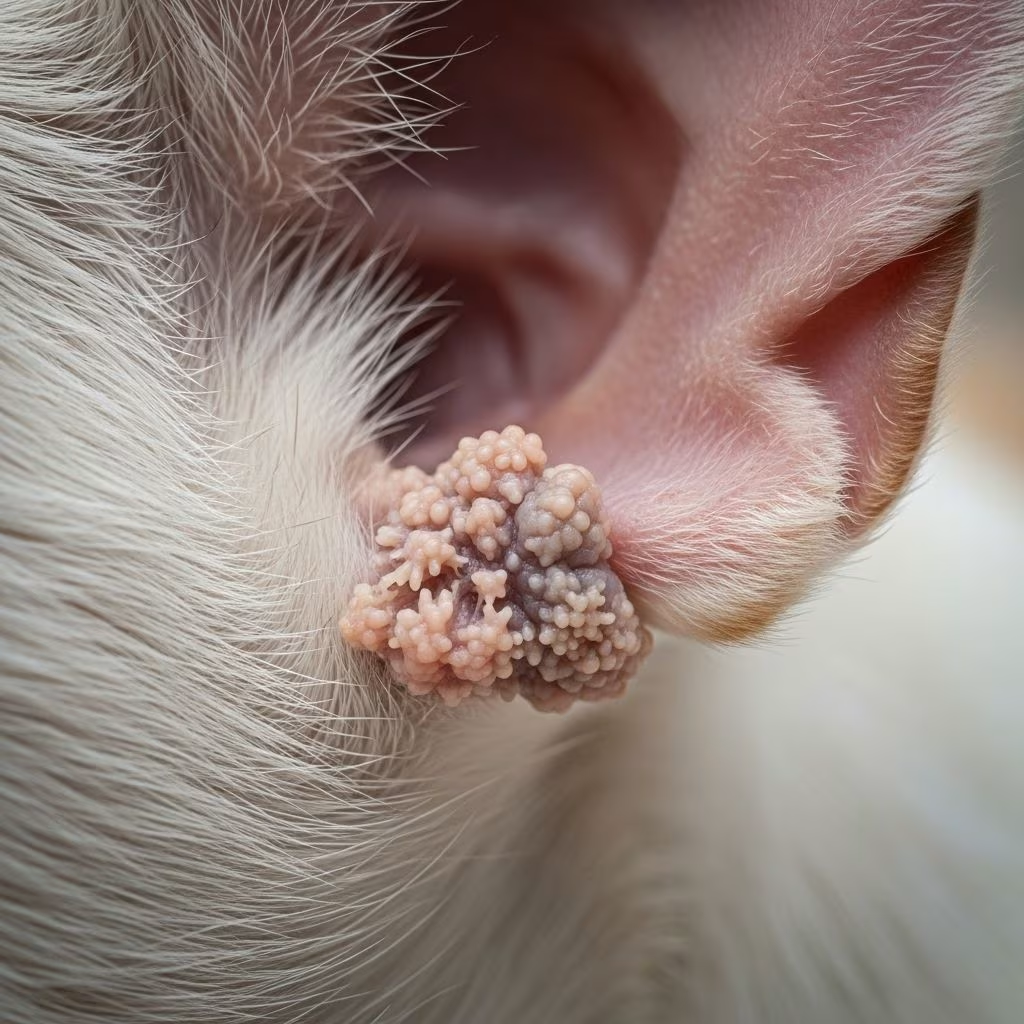
Understanding Papilloma of the Skin in Pets
Papillomas, commonly referred to as warts or skin growths, are benign tumors that develop on the skin or mucous membranes of pets due to infection by specific papillomaviruses. These growths are characterized by their distinctive appearance, which often resembles cauliflower or small, scaly bumps. While papillomas can develop in various species, including dogs, cats, and other animals, they present unique characteristics and considerations for each.
The development of papillomas occurs when a papillomavirus disrupts normal cell division patterns. Under normal circumstances, cells divide in an orderly fashion to create smooth tissue. However, when infected with papillomavirus, cells divide more frequently and in abnormal patterns, resulting in the characteristic bumpy growths. In many cases, a pet’s immune system successfully prevents the virus from progressing to a symptomatic stage, meaning many animals carry the virus without ever developing visible warts.
What Causes Papillomas in Pets
Papillomas develop as a result of infection by papillomaviruses, which are DNA viruses that belong to a group of pathogens affecting various animal species. In dogs, twenty-four different types of canine papillomaviruses have been identified, each potentially capable of causing different manifestations of the disease.
Transmission and Risk Factors
Pets contract papillomavirus through direct contact with infected animals or contaminated objects that have been exposed to the virus. The transmission requires open or fragile skin to occur effectively. It is important to note that pets cannot contract papillomaviruses from other species or from humans, meaning cross-species transmission is not a concern.
Certain animals face higher risks of developing symptomatic papillomatosis. Young pets and those with compromised immune systems are particularly susceptible. Cats with feline immunodeficiency virus (FIV) or feline leukemia virus (FeLV) demonstrate increased susceptibility. Additionally, outdoor pets and those kept in dense populations with other animals have greater exposure opportunities to infected individuals and contaminated environments.
Clinical Signs and Symptoms
Papillomas present with distinctive visual characteristics that make them recognizable to observant pet owners. The appearance and location of these growths vary depending on the type of papillomavirus involved and the individual pet affected.
Appearance and Location
Skin papillomas typically appear as individual bumps on the skin or clusters of growths. These warts have a characteristic frond-like or cauliflower-like appearance, with rough surfaces that distinguish them from normal skin. Oral papillomas, which develop in the mouth, appear as cauliflower-like tumors affecting the epithelial lining of the mouth and throat.
In dogs, papillomas most commonly develop on the lips and muzzle but can also occur on the eyelids, between the toes, and on other parts of the body. While viral papillomas can present as a single lesion, they most frequently appear in groups or clusters, creating a more noticeable presentation.
Diagnosis and Veterinary Assessment
Proper diagnosis is essential to distinguish papillomas from other skin conditions and more serious diseases such as cancer. Veterinarians employ multiple diagnostic approaches to confirm papillomatosis and rule out other conditions.
Diagnostic Methods
The diagnostic process typically includes the following components:
- Physical Examination: A thorough visual and tactile examination of the affected areas provides initial assessment of the growths’ characteristics, size, and distribution.
- Fine Needle Aspiration: This minimally invasive procedure involves extracting cells from the growth using a thin needle, which are then examined under a microscope to determine cell type and rule out malignancy.
- Biopsy: A tissue sample may be collected for histopathological examination, providing definitive identification of the growth type and assessment of malignant potential.
- Blood Tests: Since papillomatosis in cats is frequently associated with immunosuppressive conditions like FIV and FeLV, blood tests are recommended to screen for these concurrent infections.
Prompt veterinary attention is necessary when pet owners notice suspicious growths on their pet’s skin or oral cavity, as early diagnosis enables appropriate management and prevents potential progression to more serious conditions.
Treatment Options for Papillomas
The approach to treating papillomas varies depending on the individual case, the pet’s immune status, and the progression of the condition. Multiple treatment strategies are available to manage this condition effectively.
Conservative Management
In many cases, papillomas resolve spontaneously without requiring medical intervention. This benign neglect approach involves close observation of the papilloma over time. Typically, papillomatosis resolves on its own within one to two months as the pet’s immune system mounts an effective response to the virus. During this period, pet owners should prevent their pets from scratching, biting, or licking the papillomas, as this can cause rupture and subsequent secondary infection.
Some veterinarians may recommend intentionally crushing the papilloma to trigger an enhanced immune response and potentially expedite recovery. This technique works by stimulating the body’s natural defenses against the viral infection.
Surgical Removal
If papillomatosis does not resolve within three months of observation, surgical removal becomes the recommended approach to prevent potential progression to cancer. Surgical intervention involves removing the affected tissue and is typically successful in treating the condition. Most pets tolerate this procedure well and recover without complications.
Immunomodulating Therapy
For certain cases, immunomodulating agents may be considered as a treatment option. Imiquimod topical is an immune-modifying agent that works by stimulating the pet’s immune system to fight skin conditions, including certain skin tumors. This medication comes in cream form and is applied directly to the affected skin. Treatment requires consistent application over several weeks, and owners must wear gloves during application while preventing their pets from licking or chewing the treated area for at least twenty minutes after application.
Additional Testing
When papillomas are diagnosed, particularly in cats, veterinarians may recommend testing for FIV and FeLV to identify any concurrent immunosuppressive conditions that could be contributing to papilloma development or affecting treatment decisions.
Prognosis and Recovery Timeline
The prognosis for pets with papillomatosis varies based on how the condition is managed and whether it resolves spontaneously or requires intervention.
Excellent Prognosis: When papillomatosis resolves on its own, typically within one to two months, the prognosis is excellent. The pet fully recovers without lasting effects or complications.
Good Prognosis: If surgical removal is required due to the papillomas not resolving spontaneously, the prognosis remains good. Most pets recover well from surgical procedures with minimal complications.
Guarded Prognosis: The prognosis becomes more guarded in cases where papillomas progress to malignant cancer if left untreated. Early intervention and treatment significantly improve outcomes in these situations.
Prevention Strategies
While not all cases of papillomatosis can be prevented, certain measures can reduce the risk of infection and development of symptomatic disease.
Prevention primarily involves avoiding contact with infected animals and contaminated objects that may carry the papillomavirus. Pets kept indoors and away from other animals face substantially lower risk of contracting papillomaviruses compared to outdoor pets or those in multi-pet households. For cats and dogs with known papilloma infections, isolating them from other pets during the infectious period can help prevent transmission.
Additionally, maintaining overall pet health and immune function supports the body’s natural ability to fight viral infections and prevent symptomatic papillomatosis from developing. Regular veterinary care, appropriate nutrition, and stress management all contribute to optimal immune function.
Special Considerations
Pet owners should be aware of several important considerations when managing papillomas. Secondary bacterial infections can occur if papillomas are scratched, bitten, or licked excessively, requiring antibiotic treatment. Pet owners should actively discourage their pets from traumatizing the affected areas during recovery periods.
For pets with oral papillomas, pain management may be necessary if the growths interfere with eating or cause discomfort. Veterinarians can recommend appropriate pain relief medications when needed.
Frequently Asked Questions About Papillomas
Q: How common are papillomas in pets?
A: While papillomavirus infection is common in pets, symptomatic papillomatosis is relatively rare. Most infected animals’ immune systems prevent the virus from progressing to the stage where visible warts develop.
Q: Can papillomas spread to other pets in my household?
A: Yes, papillomas can be transmitted to other pets through direct contact with infected animals or contaminated objects. Pets with active papillomas should be kept separate from other animals during the infectious period when possible.
Q: How long do papillomas take to resolve?
A: Many papillomas resolve spontaneously within one to two months as the immune system fights the infection. However, some may persist longer and require surgical intervention.
Q: Should I be concerned if my pet has papillomas?
A: While papillomas are generally benign, they should be evaluated by a veterinarian to rule out malignancy and to monitor for any changes. Prompt veterinary attention ensures appropriate management and prevents potential complications.
Q: Can papillomas develop into cancer?
A: While papillomas are typically benign, there is potential for malignant transformation if left untreated for extended periods. This is why early veterinary evaluation and treatment are important.
Q: Is there a vaccine to prevent papillomas?
A: Currently, there is no widely available vaccine to prevent papillomatosis in pets. Prevention focuses on minimizing exposure to infected animals and maintaining optimal immune health.
References
- Warts (Papillomatosis) in Cats – Causes, Treatment and Prevention — Vetster. 2024. https://vetster.com/en/conditions/cat/warts-papillomatosis
- Oral Tumors: Papillomas and Sarcoids — VCA Animal Hospitals. https://vcahospitals.com/know-your-pet/oral-tumors-papillomas-and-sarcoids
- Imiquimod Topical — VCA Animal Hospitals. https://vcahospitals.com/know-your-pet/imiquimod-topical
- Viral Papillomatosis – Clinical Small Animal Internal Medicine — Wiley Online Library. 2019. https://doi.org/10.1002/9781119501237.ch83
- Squamous Cell Carcinomas in Cats — VCA Animal Hospitals. https://vcahospitals.com/know-your-pet/skin-squamous-cell-carcinoma-in-cats
- Squamous Cell Carcinomas in Dogs — VCA Animal Hospitals. https://vcahospitals.com/know-your-pet/squamous-skin-cell-carcinoma-in-dogs



