

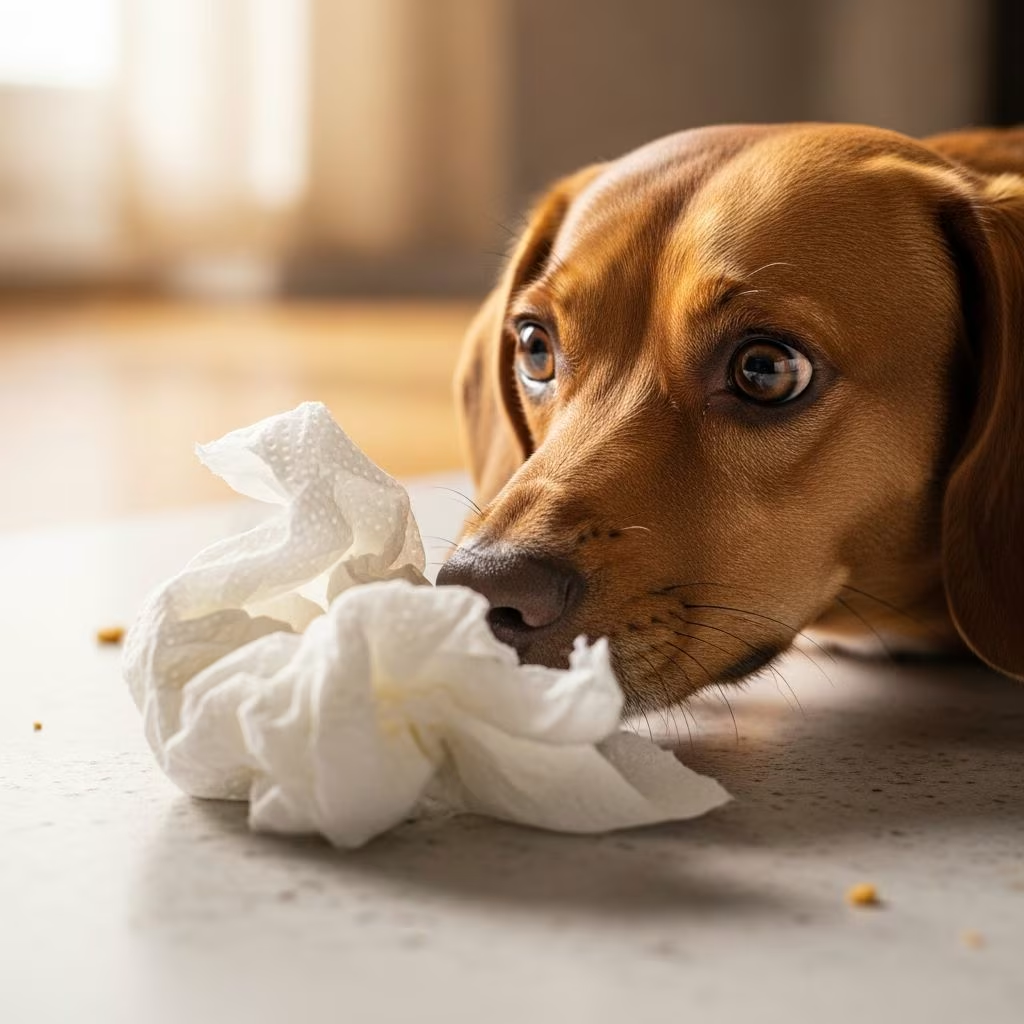
Many dog owners experience moments of panic when they discover their canine companion has ingested something unexpected. Paper towels, tissues, and similar paper products are among the most commonly swallowed non-food items by dogs. While this occurrence happens frequently in households, understanding the potential consequences and knowing the appropriate response can make a significant difference in your dog’s health outcome.
Understanding Why Dogs Consume Paper Products
Dogs are naturally curious creatures that explore their environment through their mouths. Paper towels become particularly attractive when they have absorbed food residue, grease, or other enticing scents. Unlike humans, dogs lack the cognitive ability to distinguish between safe food items and inedible materials, making them vulnerable to accidental ingestion of paper and similar products found around the household.
The texture and smell of paper towels can trigger a dog’s investigative instincts. Additionally, some dogs develop behavioral patterns of consuming non-food items, a condition known as pica, which may indicate underlying nutritional deficiencies or psychological stress.
The Composition and Digestibility of Paper Products
Paper towels are manufactured from wood pulp fibers processed to create an absorbent material designed for liquid absorption in human applications. When ingested by dogs, these fibers cannot be broken down by canine digestive enzymes, which means the material passes through the digestive system largely unchanged. The inability to digest paper is a fundamental factor in understanding the potential complications that may arise from consumption.
The structure of paper towels makes them particularly concerning because they possess significant absorbent capacity. When exposed to the moisture-rich environment of the stomach and intestines, paper towel fragments can absorb fluids and expand, potentially creating a paste-like consistency similar to papier-mâché. This characteristic becomes increasingly relevant when larger quantities are consumed or when the paper towel was thick and sturdy before ingestion.
Potential Health Risks Associated with Paper Towel Ingestion
Esophageal Complications
The esophagus represents the primary location where paper towel ingestion might create immediate problems. As the paper towel travels down this muscular tube from the mouth to the stomach, it absorbs moisture with each passing moment. Extended transit time through the esophagus increases moisture absorption, making the material progressively more challenging to swallow.
The esophagus is a highly muscular organ with substantial contracting power, making complete obstruction at this location relatively uncommon. However, when thicker paper towels are swallowed, the risk of esophageal obstruction increases significantly. This type of blockage requires immediate veterinary intervention to prevent complications such as aspiration pneumonia or tissue damage.
Intestinal Obstruction Risks
While the esophagus is most vulnerable, intestinal blockage represents the more serious concern for paper towel ingestion. The intestines have narrower passages than the esophagus and are less capable of handling obstructive materials. When paper towels absorb fluids in the intestinal tract, they can bind together and create a physical blockage that prevents normal food movement through the digestive system.
The severity of intestinal obstruction depends on several variables: the quantity of paper consumed, the size of the dog, how finely the material was shredded during swallowing, and the thickness of the original paper towel. Larger dogs may tolerate small amounts of paper material without complications, while smaller breeds face greater risk from the same quantity.
Contamination and Chemical Exposure
Beyond the paper itself, many paper towels may have absorbed or been in contact with potentially harmful substances. Common household products that pose dangers include cleaning solutions, bleach, disinfectants, nail polish remover, rubbing alcohol, and cooking grease. Consumption of contaminated paper towels introduces these toxic substances directly into the digestive tract, creating chemical injury risks in addition to mechanical obstruction concerns.
Recognizing Warning Signs of Digestive Distress
Immediate Behavioral Changes
After consuming a paper towel, observe your dog closely for behavioral alterations that might indicate discomfort or distress. Some dogs may appear completely normal and continue their regular activities without any noticeable symptoms. Others might display restlessness, inability to settle into comfortable positions, or reluctance to lie down due to abdominal discomfort.
Dogs experiencing early digestive upset may refuse food and water or show hesitation before eating. Some may become unusually quiet and withdrawn, which contrasts sharply with their typical personality and energy levels.
Gastrointestinal Symptoms
Vomiting represents one of the more obvious signs that something has disrupted normal digestive function. Vomiting may occur within hours of ingestion or may be delayed, depending on the amount consumed and the location of any potential obstruction.
Diarrhea often develops as the irritated intestinal lining reacts to the presence of foreign material. In some cases, dogs may strain during bowel movements or produce only small amounts of feces. Traces of the paper towel may appear in the stool as it passes through the digestive system, though the material may be completely broken down in many cases.
Physical Indicators of Obstruction
The abdomen may appear bloated or distended if significant quantities of paper material have accumulated. The abdominal area may feel rigid or tense when gently palpated, and your dog may exhibit pain or sensitivity when you touch their belly. Excessive drooling, gagging, or coughing can indicate that the paper towel is caught in the esophagus.
Additional warning signs include reluctance to exercise, unusual panting, and signs of dehydration such as tacky gums or skin that does not quickly return to normal position when gently pinched. Lethargy and weakness indicate that the dog’s condition has progressed and requires urgent medical attention.
Timeline for Seeking Veterinary Evaluation
The timing of your veterinary contact is critically important. Within the first two to three hours after ingestion, your veterinarian has access to treatment options that become unavailable once the paper towel enters the small intestines. During this window, the veterinarian can induce vomiting through injection to remove the material before it travels beyond the stomach.
After approximately two hours, the stomach contents naturally progress into the intestinal tract, making vomiting induction less effective. If the paper was contaminated with harmful substances, removing it promptly becomes even more time-sensitive to prevent absorption of toxic materials.
If your dog consumed a large quantity of paper towel, appears unwell, is vomiting or experiencing diarrhea, or has eaten paper towel contaminated with hazardous materials, seek immediate veterinary care regardless of the time elapsed.
Veterinary Treatment Options and Diagnostic Approaches
Initial Assessment and Vomiting Induction
When you contact your veterinarian with information about paper towel ingestion, provide details about the timing of ingestion, the quantity consumed, whether the paper was contaminated, and your dog’s current symptoms. Your veterinarian will use this information to determine the appropriate course of action.
If ingestion occurred within the optimal timeframe and your dog meets safety criteria, your veterinarian may administer an injection designed to induce vomiting. This medication-based approach is safer and more reliable than attempting to induce vomiting at home, as the veterinarian can monitor your dog and manage any complications that arise during the process.
Endoscopic Retrieval
An endoscope is a long, flexible camera device that allows veterinarians to visualize the interior of the esophagus and stomach. If the paper towel has become lodged in the esophagus or is visible in the stomach, the endoscope can often be used to retrieve the material without requiring surgical intervention. This minimally invasive approach reduces recovery time compared to surgical options.
Diagnostic Imaging
Radiographic imaging, including X-rays and sometimes ultrasound, helps veterinarians identify whether an obstruction has formed and determine its location. These diagnostic tools are particularly valuable when clinical symptoms suggest obstruction but the exact position and severity are unclear.
Supportive Care and Monitoring
In cases where the paper towel was consumed in small quantities and your dog is asymptomatic, your veterinarian may recommend home monitoring with supportive care. This approach includes maintaining normal hydration, providing small frequent meals, and closely observing for development of any warning signs.
For dogs showing mild symptoms or those where obstruction seems unlikely, your veterinarian might recommend lubricating substances or specific dietary modifications to facilitate passage of the material through the digestive tract.
Preventive Measures to Reduce Paper Product Ingestion
Environmental Management
Store paper towels, tissues, and toilet paper in locations that are inaccessible to your dog. Keep trash cans secured in cabinets or behind closed doors, as these containers often contain used paper products that are particularly attractive due to food residue. After using paper products for cleaning, dispose of them immediately in sealed containers rather than leaving them accessible.
Behavioral Training and Supervision
Train your dog to respond reliably to commands such as “leave it” and “drop it.” Consistent training combined with supervision can prevent your dog from consuming inappropriate items. Provide appropriate chew toys and enrichment activities that satisfy your dog’s natural desire to investigate and manipulate objects with their mouth.
Nutritional Considerations
Pica behavior sometimes indicates nutritional imbalances or deficiencies. Ensure your dog receives a complete and balanced diet appropriate for their age, size, and health status. If you notice persistent patterns of non-food consumption, discuss dietary adjustments with your veterinarian, who may recommend nutritional supplements or dietary modifications.
Managing Your Dog’s Recovery After an Incident
If your dog successfully passed the paper towel or underwent veterinary treatment for removal, monitor their recovery carefully. Provide easily digestible meals in small portions and ensure constant access to fresh water. Restrict vigorous exercise for a few days to allow the digestive system to return to normal function.
Contact your veterinarian if your dog does not return to normal eating and drinking patterns within 24 to 48 hours, if symptoms recur, or if new symptoms develop. Some dogs may experience temporary digestive sensitivity following this type of incident.
Frequently Asked Questions
Will a paper towel cause a blockage in all dogs?
No. The risk of blockage depends on the amount consumed, the size of your dog, the thickness of the paper towel, and whether multiple items were ingested. Many dogs consume small paper fragments without developing obstruction. However, because blockage is possible and potentially life-threatening, veterinary evaluation is always prudent when ingestion is suspected.
How long does it take a paper towel to pass through a dog’s digestive system?
Typically, material passes through a dog’s stomach within one to two hours and through the entire digestive tract within 24 to 72 hours. However, this timeline can vary based on individual digestive rates, the amount consumed, and the size of the dog.
Can I induce vomiting at home if my dog ate a paper towel?
Veterinarians do not recommend inducing vomiting at home. Homemade methods are less reliable than medication-based approaches, and attempting to vomit up large quantities of paper can cause the material to obstruct the esophagus during the process. Additionally, if harmful substances are present, vomiting causes additional injury. Always contact your veterinarian first.
What should I do if my dog ate a paper towel contaminated with cleaning products?
Contact your veterinarian or poison control immediately. The specific substance matters significantly in determining the appropriate treatment. Provide information about which product was involved, as this guides your veterinarian’s decisions about whether to induce vomiting or pursue other interventions.
References
- Paper Towel Ingestion in Dogs — Dogster. 2024. https://www.dogster.com/ask-the-vet/my-dog-ate-a-paper-towel
- Canine Foreign Body Ingestion and Gastrointestinal Obstruction — Hepper Pet Care. 2024. https://articles.hepper.com/my-dog-ate-paper-towel-vet-answer/
- Emergency Veterinary Care for Ingested Paper Products — Emergency Vets USA. 2024. https://emergencyvetsusa.com/my-dog-ate-a-paper-towel/



