
Paper Safety for Birds: What You Need to Know
Learn which types of paper are safe for your feathered friend and how to provide enrichment responsibly.
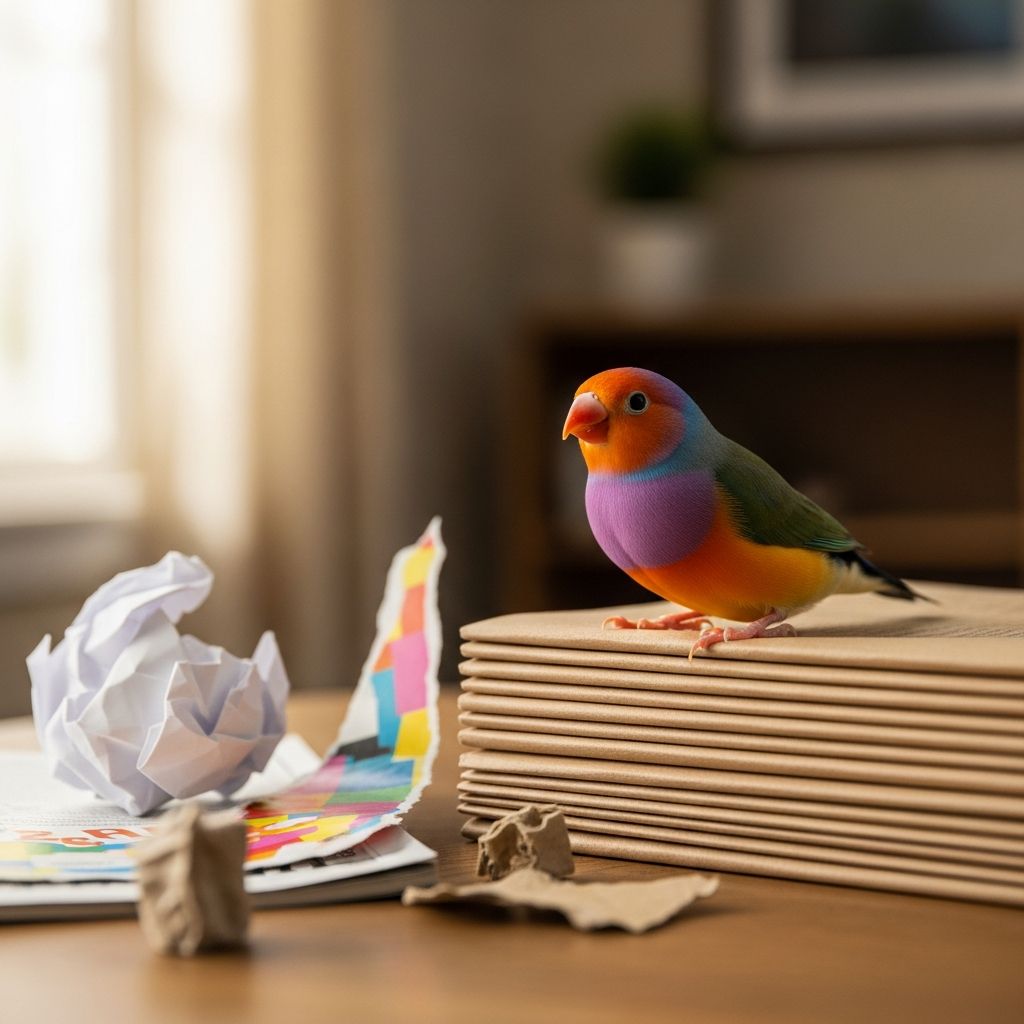
Paper is a common household item that many bird owners consider providing to their feathered companions for enrichment and entertainment. However, not all paper is created equal when it comes to avian safety. Understanding which types of paper are safe for your bird and how to properly incorporate paper into their environment is essential for maintaining your pet’s health and well-being. This comprehensive guide explores everything you need to know about paper safety for birds, including safe options, potential hazards, and best practices for enrichment.
Understanding Paper as Bird Enrichment
Birds have a natural instinct to shred, tear, and manipulate materials. In the wild, this behavior helps them build nests, create bedding, and engage in natural foraging activities. Providing appropriate paper materials in captivity allows pet birds to express these innate behaviors in a safe and controlled manner. Paper shredding can be mentally stimulating and physically enriching, helping to prevent boredom and behavioral issues in captive birds. However, the type of paper you offer matters significantly, as some papers contain harmful substances that can negatively impact your bird’s health.
Safe Paper Options for Birds
When selecting paper for your bird, prioritize plain, unprinted materials that are free from inks, dyes, and chemical coatings. The following paper types are generally considered safe for bird enrichment:
Plain Paper Towels and Toilet Paper
Plain white paper towels and toilet paper rolls without any printing or dyes are among the safest paper options for birds. These materials are commonly used in bird cages as bedding and can also be provided for shredding enrichment. The cardboard tubes from paper towel and toilet paper rolls are particularly valuable, as birds enjoy chewing and tearing the structure apart. Ensure that the paper is completely white and free from any printing, watermarks, or bleaching agents that might contain harmful chemicals.
Packing Paper and Kraft Paper
Plain packing paper and kraft paper (brown paper) without printing or coating are safe for birds to shred. These materials are thicker than tissue paper and can provide more substantial enrichment value. They can be crumpled, torn, and shredded to satisfy your bird’s natural instincts. Always verify that there are no inks, adhesives, or chemical coatings on the paper before offering it to your bird.
Recycled Newspaper
Black and white newspaper is generally safe for birds, though it should be used minimally due to potential ink concerns. If you do use newspaper, choose the black and white sections rather than colored advertisements, which contain more concentrated dyes and inks. Some bird experts recommend using newspaper sparingly and only as a bedding material rather than as a primary enrichment source. Always ensure the newspaper is from a reputable source and not contaminated with any harmful substances.
Non-Bleached Paper Products
Look for paper products specifically labeled as non-bleached or unbleached. These materials are less likely to contain harmful chemical residues from the bleaching process. Natural paper products that maintain their original color without artificial whitening are generally the safest choice for your bird’s health.
Papers to Avoid
Just as important as knowing which papers are safe is understanding which papers should never be offered to your bird. The following paper products contain substances that can be toxic or harmful to avian health:
Printed and Colored Paper
Paper with ballpoint pen writing, pencil markings, or any printed content should not be offered to your bird. The inks used in printing, whether from ballpoint pens, printers, or newspaper color sections, contain chemicals that can be toxic if ingested. These substances can accumulate in your bird’s system and cause serious health problems over time. Additionally, some inks may contain heavy metals that are particularly dangerous for birds.
Glossy and Coated Paper
Glossy magazines, brochures, and coated papers are unsafe for birds. These materials are coated with chemicals designed to create a smooth, shiny surface, and these coatings can be harmful if ingested. Magazine pages, in particular, often contain heavy concentrations of inks and may include metallic inks that pose additional health risks.
Bleached White Paper
Heavily bleached white paper, such as certain copy papers or specialty papers, may contain chemical residues from the bleaching process. While some bleached products are considered relatively safe in small amounts, non-bleached alternatives are always preferable for your bird’s health.
Paper with Adhesives or Tape
Any paper that has been taped, glued, or contains adhesive products should be avoided. These substances can stick to your bird’s beak, feathers, or digestive tract, causing injury or blockages. Additionally, many adhesives contain toxins that can harm your bird if ingested.
Treated and Scented Paper
Paper products that have been treated with scents, perfumes, or antimicrobial agents are not safe for birds. These chemical treatments can irritate your bird’s respiratory system and cause toxicity if ingested. Avoid scented tissue, perfumed paper products, and any paper with fragrance additives.
Important Health Considerations
Hormonal Stimulation Concerns
One significant consideration when offering paper to your birds is the potential for hormonal stimulation. Allowing birds, particularly female birds, to engage in excessive paper shredding can trigger reproductive behaviors and cause them to begin laying eggs. This can lead to serious health complications, including egg-binding and chronic egg-laying, which significantly impacts your bird’s quality of life and lifespan. If you have female birds, limit paper shredding activities and provide alternative enrichment options to prevent unwanted reproductive behaviors.
Ingestion and Digestive Issues
While paper itself is not typically toxic, excessive ingestion can cause digestive issues in birds. Some birds may consume paper fragments rather than just shredding them, which can lead to crop impaction or other digestive problems. Monitor your bird’s paper interactions and remove any paper that appears to be accumulating in the cage to prevent potential health issues.
Respiratory Health
Fine paper dust and fragments can potentially irritate your bird’s sensitive respiratory system. Birds have highly efficient respiratory systems that are susceptible to airborne particles and dust. When providing paper enrichment, ensure adequate ventilation in your bird’s environment and monitor for any signs of respiratory distress such as labored breathing, wheezing, or excessive sneezing.
Best Practices for Paper Enrichment
Selection and Preparation
Before offering any paper to your bird, inspect it carefully for printing, coating, or damage. Ensure the paper is clean and free from any contaminants. If using paper towel or toilet paper tubes, remove any plastic or cardboard sleeves and ensure there are no staples or fasteners. Wash your hands before handling paper destined for your bird to avoid transferring any contaminants or oils.
Quantity and Rotation
Provide paper enrichment in moderation, not as a constant availability item. Rotate paper-based enrichment with other safe toy options to maintain your bird’s interest and prevent behavioral issues. Offering fresh paper once or twice weekly is generally appropriate, depending on your bird’s individual response and health status.
Supervision and Monitoring
Observe your bird’s interaction with paper materials. Note whether they are shredding the paper or consuming it. If your bird is eating significant amounts of paper, discontinue paper enrichment and consult with your avian veterinarian. Watch for behavioral changes, digestive issues, or signs of distress when introducing paper enrichment.
Environmental Considerations
Place paper materials in areas of the cage where paper fragments can be easily cleaned up. Paper shreds can scatter throughout the cage and surrounding area, and regular cleaning is necessary to maintain a hygienic environment. Change bedding that includes paper materials according to soilage, typically daily to weekly depending on your bird’s cage conditions.
Alternative Enrichment Options
While paper can provide enrichment, it should not be your bird’s primary source of mental stimulation. Consider incorporating a variety of enrichment options including untreated natural wood perches, safe chewing toys made from bird-safe materials, foraging opportunities, and social interaction. Rotating enrichment items monthly keeps your bird engaged and prevents boredom. Natural materials such as branches from safe trees, palm fronds, and untreated wood blocks offer similar enrichment benefits with different sensory experiences.
Specific Considerations by Bird Species
Different bird species have varying levels of interest in paper enrichment and different metabolic considerations. Parakeets and budgies, for example, enjoy shredding paper and typically tolerate it well when safe materials are provided. Larger parrots may be more aggressive in their paper destruction and may consume larger fragments, requiring closer monitoring. Consult with your avian veterinarian about appropriate enrichment for your specific bird species, considering factors such as size, natural behaviors, and individual health status.
Signs Your Bird May Have Paper-Related Health Issues
Monitor your bird for the following signs that may indicate problems related to paper enrichment:
- Difficulty swallowing or food regurgitation
- Reduced appetite or weight loss
- Lethargy or unusual behavior changes
- Respiratory distress or excessive sneezing
- Abnormal droppings or digestive issues
- Behavioral changes such as excessive aggression or territorial behavior
- Feather plucking or self-injury
If you observe any of these signs, remove paper enrichment immediately and consult with your avian veterinarian to rule out underlying health issues.
Frequently Asked Questions
Q: Can my bird get sick from chewing on paper?
A: Plain, unprinted paper is generally not toxic and unlikely to cause illness from occasional chewing. However, printed paper with inks and dyes can be harmful, and excessive ingestion of any paper may cause digestive issues. Always provide plain, chemical-free paper and monitor your bird’s consumption.
Q: Is newspaper safe for birds?
A: Black and white newspaper is generally considered safer than colored sections, but should be used sparingly. The ink used in newspapers can pose risks, so non-printed paper alternatives are preferable. If using newspaper, stick to unprinted or black and white sections only.
Q: Will paper enrichment cause my bird to lay eggs?
A: Yes, excessive paper shredding can trigger hormonal stimulation in female birds, potentially leading to unwanted egg-laying. This is especially concerning in smaller bird species like lovebirds and cockatiels. Limit paper enrichment and rotate with other enrichment options to minimize this risk.
Q: How often should I provide paper enrichment?
A: Providing paper enrichment once or twice weekly is generally appropriate. Rotate paper with other safe enrichment options to maintain interest and prevent behavioral issues. Monitor your individual bird’s response and adjust frequency based on their needs.
Q: What should I do if my bird ingests large amounts of paper?
A: If your bird has ingested significant quantities of paper, discontinue paper enrichment and contact your avian veterinarian. They can evaluate your bird for potential crop impaction or digestive issues and provide appropriate treatment if necessary.
Q: Are there any paper products specifically made for birds?
A: Some manufacturers produce bird-safe enrichment products made from paper-like materials. These products are formulated to be non-toxic and appropriate for avian use. When selecting commercial products, verify they are specifically designed for birds and contain no harmful additives.
Q: Can I use colored paper if it’s bird-safe dye?
A: Even products labeled as “bird-safe dye” may not be appropriate for regular ingestion. Stick with plain, unprinted, undyed paper to be absolutely certain of your bird’s safety. The safest option is always plain white or natural brown paper with no coloring or printing.
References
- Parakeet Care 101: How To Take Care of a Parakeet — Chewy Education. 2025. https://www.chewy.com/education/bird/parakeet/parakeet-care
- Lovebird Paper Chewing — Lafeber Pet Birds. https://lafeber.com/pet-birds/questions/lovebird-paper-chewing/
- Bird Bathing: Safe Methods and Best Practices — Chewy Education. 2025. https://www.chewy.com/education/bird/health-and-wellness/bird-bathing
- Top 7 Things Birds Find Scary — Chewy Education. 2025. https://www.chewy.com/education/bird/health-and-wellness/top-7-things-birds-find-scary
- Bird Health and Wellness Education Hub — Chewy Education. 2025. https://www.chewy.com/education/bird/health-and-wellness
Similar Articles








Read full bio of Sneha Tete


