

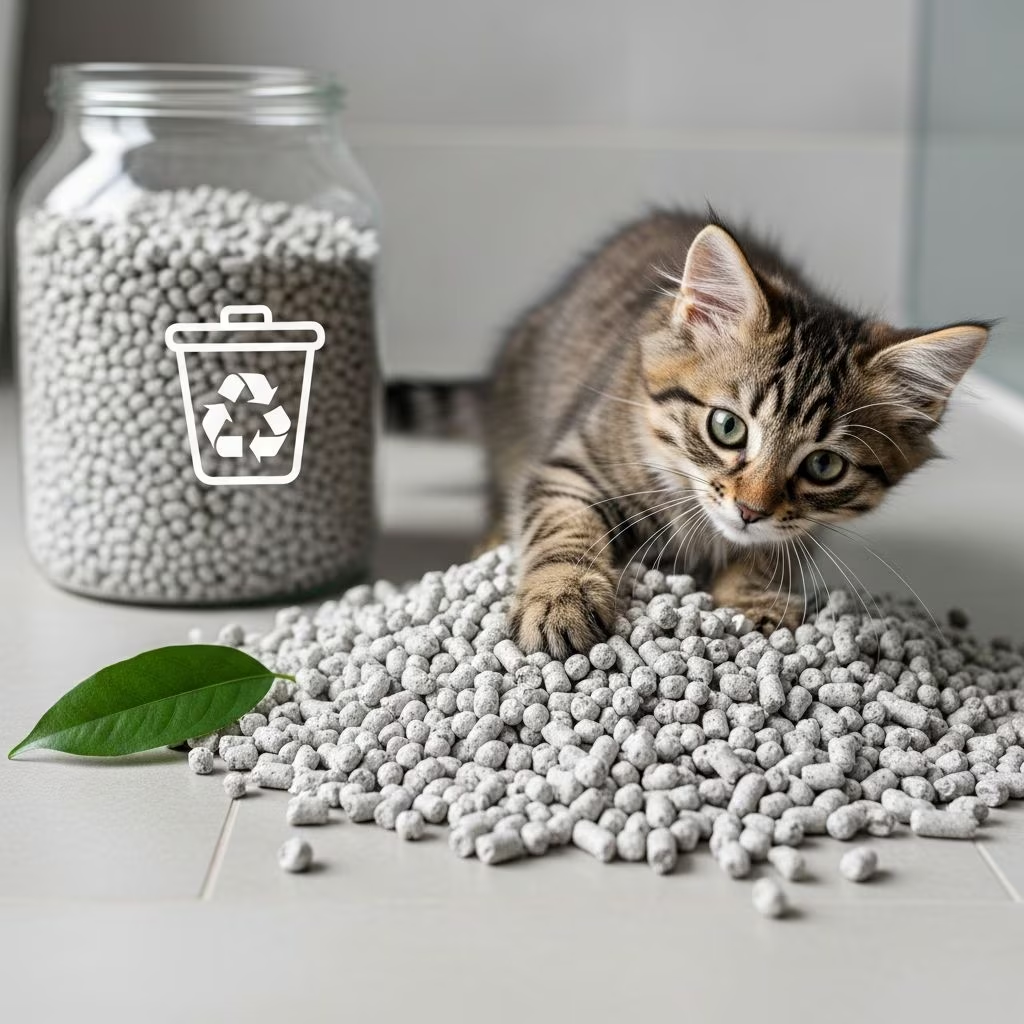
The search for environmentally responsible pet care solutions has led many cat owners to reconsider their litter choices. Among the emerging alternatives gaining traction is paper-based litter, which challenges the dominance of traditional clay products. This comprehensive exploration examines whether shredded paper serves as a viable long-term litter solution, addressing both its compelling advantages and notable limitations.
Understanding Paper-Based Cat Litter Options
Paper cat litter encompasses two primary formats: non-clumping shredded varieties and specially formulated clumping versions created from processed paper fibers. Most commonly encountered in commercial products, paper litter is manufactured from recycled newspaper and office waste, transforming materials destined for landfills into functional pet care products. Home shredders can create DIY versions using plain white paper or soy-ink printed newspapers, though commercial options provide consistent quality and performance characteristics.
The distinction between homemade shredding and commercial paper litter matters significantly. While basic shredded paper from your home office represents a free or nearly free option, commercially processed paper litter undergoes treatment processes that enhance absorbency and handling characteristics. When considering paper litter adoption, understanding these variations helps set realistic expectations about performance and maintenance requirements.
Health and Respiratory Safety Advantages
One of the most compelling reasons pet owners transition to paper-based alternatives involves respiratory health concerns. Traditional clay litters, particularly non-clumping varieties, release crystalline silica dust with every scoop and whenever cats dig. This dust can accumulate in respiratory passages, potentially triggering or exacerbating breathing difficulties in both humans and felines.
Paper litter eliminates this hazard entirely. The material produces negligible dust when handled or when cats move through the box, creating a noticeably cleaner scooping experience. For multi-cat households where litter box maintenance involves frequent scooping sessions, the respiratory relief proves substantial. Cat owners with asthma, allergies, or other respiratory sensitivities report significant improvements after switching to paper alternatives.
Cats experiencing their own respiratory challenges benefit equally from this dust-free environment. Kittens developing their respiratory systems, senior cats with declining lung capacity, and felines with diagnosed asthma or allergies show marked improvement when paper litter replaces clay products. Additionally, post-surgical cats and those recovering from medical procedures benefit from the gentle, non-irritating composition of paper litter.
Environmental Impact and Sustainability Credentials
The ecological footprint comparison between paper and clay litters reveals substantial differences in resource consumption and environmental outcomes. Clay litter production requires extensive mining operations that strip topsoil and disrupt ecosystems. These extraction processes consume considerable fossil fuel energy for excavation, processing, and transportation.
Paper litter, by contrast, utilizes recycled materials already diverted from waste streams. Manufacturing processes require significantly less energy than mining and processing clay. The material remains fully biodegradable and can be composted once solid waste is removed, creating a genuine end-of-life sustainability solution unavailable with clay alternatives.
For environmentally conscious pet owners, this distinction represents more than incremental improvement—it reflects fundamental alignment between daily pet care routines and broader sustainability values. Each bag of paper litter represents recovered waste material given renewed purpose, reducing both landfill burden and mining demand simultaneously.
Cost Efficiency and Accessibility Factors
Economic considerations frequently influence litter purchasing decisions, and paper options excel in this category. Commercial paper litter costs less per unit than premium clay alternatives, while DIY shredded paper costs essentially nothing. This affordability advantage compounds in multi-cat households where litter consumption increases substantially.
Beyond direct purchase costs, paper litter offers practical advantages in storage and handling. The lightweight nature of paper compared to clay reduces physical strain when transporting heavy bags from stores to homes. Smaller apartment dwellers benefit from reduced storage space requirements, as paper litter’s lighter composition requires less room.
The accessibility factor extends beyond retail availability. Pet owners can literally create paper litter from materials already present in their homes, eliminating dependence on commercial supply chains. This self-sufficiency appeals to those seeking greater independence from retail convenience and pricing structures.
Moisture Absorption and Box Maintenance Realities
Paper litter demonstrates modest moisture absorption capabilities—superior to some alternatives but inferior to premium clay products. This characteristic directly impacts maintenance frequency and long-term costs. While clay litter can remain in boxes for several weeks with proper daily scooping, paper litter requires more aggressive replacement schedules.
Standard maintenance protocols call for daily scooping to remove soiled paper and complete box changes at minimum weekly intervals. The increased replacement frequency offsets some cost savings from lower per-unit pricing. Owners must weigh the convenience of less frequent cleanings against budget advantages and environmental benefits.
The moisture absorption limitation creates operational differences in daily use. Urine-saturated paper becomes noticeably soft and clumpy, distinguishing soiled areas through color and texture changes. This visual distinction actually aids identification during scooping, as degraded paper appears distinctly darker than fresh material. Some owners appreciate this clarity, while others find more frequent maintenance burdensome.
Odor Management Challenges and Solutions
The most significant drawback of paper-based litter involves limited odor control capabilities. Paper absorbs moisture adequately but does not possess the chemical or mineral properties that suppress ammonia and fecal odors characteristic of clay products. As waste accumulates between cleanings, odors intensify noticeably.
This limitation requires proactive management strategies rather than passive reliance on litter properties. Implementing twice-daily scooping during warm months when odors accelerate, ensuring adequate box ventilation, and maintaining scrupulous weekly deep cleaning protocols all become essential. Some owners supplement paper litter with baking soda sprinkled into freshly cleaned boxes to provide modest odor suppression.
The odor challenge particularly affects multi-cat households or situations where cats spend extensive time indoors in smaller spaces. Outdoor or well-ventilated litter areas experience less odor intensity, making paper litter more practical in those settings. Owner tolerance for occasional odors influences whether this limitation constitutes an acceptable trade-off for other benefits.
Tracking and Spillage Reduction Benefits
Paper litter demonstrates remarkably low tracking properties—particles rarely adhere to cat fur or paws the way clay particles do. This means fewer litter pieces scattered across floors and reduced cleanup burden in areas surrounding litter boxes. The lightweight nature of paper particles also means they fall quickly back into boxes rather than traveling distances on paws or fur.
This advantage proves particularly valuable in open-concept living spaces where litter boxes cannot remain isolated. Pet owners with carpet or hardwood flooring adjacent to litter areas report noticeably reduced daily sweeping requirements when using paper alternatives. The reduced tracking also translates to fewer litter box visits requiring cleanup on furniture or bedding.
Key Considerations Before Transitioning
Paper Type Selection: Only use plain white paper, newspaper printed with soy-based inks, or commercially manufactured paper litter. Avoid glossy papers, papers with petroleum-based inks, or materials contaminated with potential toxins.
Transition Gradients: Cats transitioning from clay litter may initially resist paper alternatives. Mixing increasing proportions of paper litter with familiar clay litter over 7-10 days typically facilitates acceptance without stress.
Box Compatibility: Paper litter works effectively in standard litter boxes and most self-cleaning models, though some automatic systems require specific litter types. Verify compatibility before purchasing commercial paper products.
Storage Conditions: Paper litter absorbs moisture from ambient humidity, so storage in dry locations prevents degradation before use. Airtight containers maintain quality longer than original packaging in humid climates.
Comparative Assessment: Paper Versus Clay Litter
| Feature | Paper Litter | Clay Litter |
|---|---|---|
| Dust Production | Negligible | Significant |
| Odor Control | Minimal | Excellent |
| Clumping Ability | Varies by type | Strong clumping |
| Cost Per Unit | Lower | Higher |
| Environmental Impact | Minimal/Positive | Significant mining |
| Maintenance Frequency | Weekly complete change | Every few weeks |
| Tracking | Low | High |
| Respiratory Safety | Superior | Concerning |
Special Populations and Paper Litter Suitability
Certain cat populations experience particular benefits from paper litter adoption. Senior cats with declining lung function and reduced tolerance for dust benefit substantially from respiratory safety improvements. Kittens still developing their physical systems thrive in dust-free environments protecting delicate respiratory development.
Cats with diagnosed allergies, asthma, or chronic respiratory conditions often show dramatic improvement when transitioned to paper litter. Post-surgical cats benefit from the gentle composition and non-irritating dust-free environment during recovery periods. Cats with sensitive paws or declawed individuals appreciate the soft texture compared to harder clay particles.
Pregnant or nursing cats and their kittens also experience benefits from the hypoallergenic properties and absence of potentially harmful chemical additives found in some commercial clay products.
Frequently Asked Questions
Can I use any shredded paper for my cat’s litter box?
No—use only plain white paper or newspapers printed with soy-based inks. Avoid glossy papers, those with petroleum-based inks, colored prints, or materials that may contain toxic substances. When in doubt, commercial paper litter products ensure safety and consistent composition.
How often must I completely change paper litter?
Weekly complete changes represent the minimum standard, though twice-weekly changes improve odor control significantly. Frequency depends on the number of cats, box size, and individual owner tolerance for occasional odors.
Will my cat accept paper litter if accustomed to clay?
Most cats transition successfully when paper gradually replaces clay over one to two weeks. Cats prioritize box accessibility and cleanliness over specific litter types, though individual preferences vary. Some cats accept paper immediately, while others require patience and gradual introduction.
Is paper litter truly flushable?
Commercial paper litter is often flushable, but verify packaging before flushing. Solid waste should never be flushed; only clean paper litter should enter plumbing systems. Composting remains the preferred disposal method when possible.
Making the Transition Decision
Choosing between paper litter and traditional alternatives involves weighing personal priorities against practical realities. Environmental commitment, respiratory health concerns, and budget constraints all legitimately influence decisions. Paper litter excels for owners prioritizing ecological impact and respiratory safety, willing to accept more frequent maintenance in exchange for these benefits.
Consulting with veterinarians before switching ensures any specific health concerns receive professional attention. Veterinarians can provide guidance on transition timing, assess individual cat suitability, and address any medical considerations influencing litter selection.
The paper litter option represents a genuine sustainability advance in pet care, offering meaningful improvements in multiple dimensions—environmental, respiratory, and economic—while requiring acceptance of different maintenance patterns than traditional alternatives.
References
- Can You Use Shredded Paper for Cat Litter? Vet Approved Advice — Hepper. 2024. https://articles.hepper.com/can-you-use-shredded-paper-for-cat-litter/
- Why You Should Replace Your Cat Litter with Shredded Paper — HobbieeHaus. 2024. https://www.hobbeehaus.com/cats/shredded-paper-kitty-litter
- Complete Guide to Shredded Paper Cat Litter Benefits – PetsCare — PetsCare. 2024. https://www.petscare.com/news/post/shredded-paper-cat-litter-guide
- Can You Use Shredded Paper for Cat Litter? Vet-Approved Guide — Catster. 2024. https://www.catster.com/cat-health-care/can-you-use-shredded-paper-for-cat-litter/



