

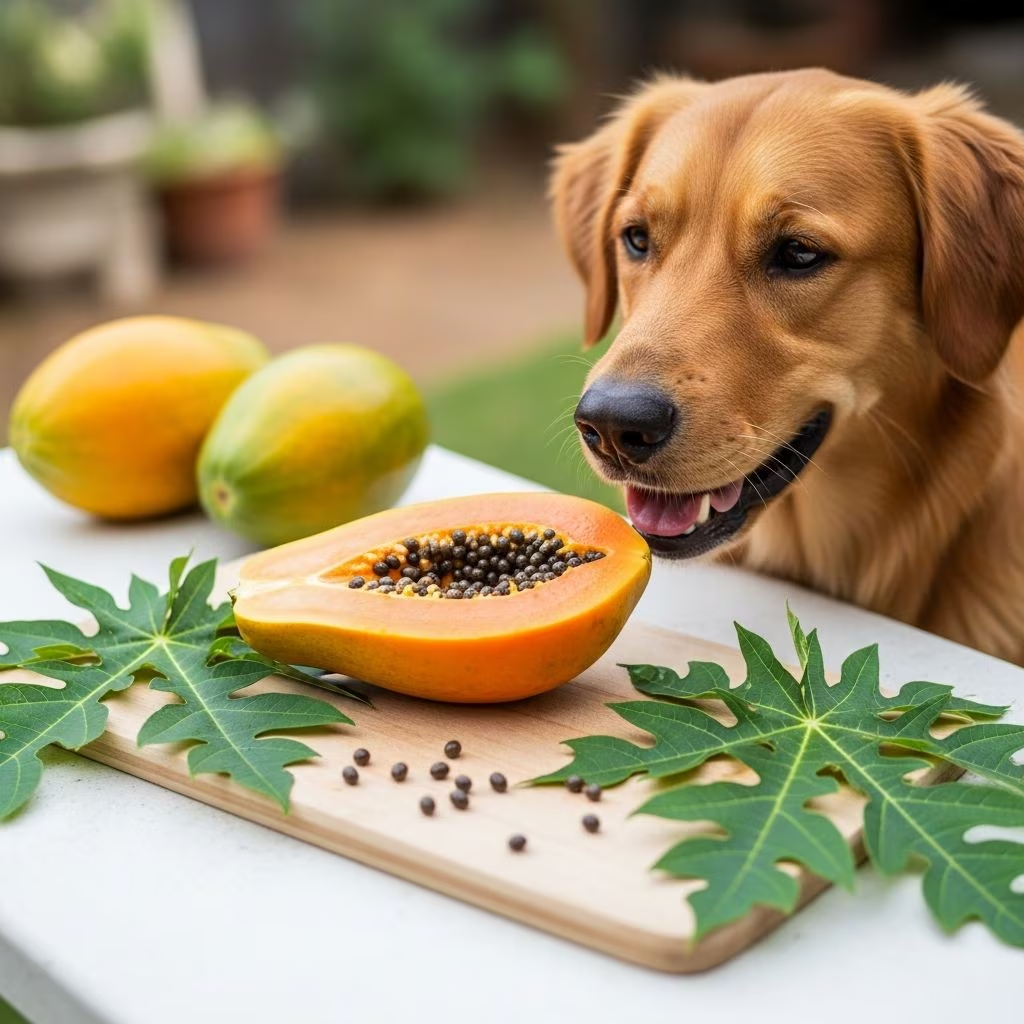
Many pet owners wonder whether tropical fruits like papaya are appropriate additions to their dog’s diet. This tropical treat, beloved by humans for its sweet flavor and nutritional profile, can indeed be a beneficial addition to your dog’s food in certain circumstances. However, like all human foods introduced to canine diets, papaya requires careful preparation and mindful portion control to ensure it supports rather than compromises your pet’s health.
Is Papaya Safe for Dogs to Consume?
The straightforward answer is yes, papaya is generally safe for most dogs to eat in moderation. Unlike some fruits that pose significant health risks to canines—such as grapes, raisins, avocados, and macadamia nuts—papaya is not inherently toxic to dogs. This non-toxic status makes it a relatively safer fruit choice for pet owners seeking to diversify their dog’s treat options with whole foods.
However, safety depends significantly on proper preparation. The fruit itself, when offered in appropriate quantities, poses minimal risk to the majority of dogs. The critical factor lies in understanding which parts of the papaya are suitable for consumption and which should be completely avoided.
Nutritional Profile and Health Benefits
Papaya offers an impressive array of vitamins, minerals, and bioactive compounds that can support various aspects of canine health when incorporated thoughtfully into a balanced diet.
Essential Vitamins
Papayas are rich in multiple vitamin categories. Vitamin A supports eye health and vision, contributes to skin health, and plays a role in immune function. Vitamin C acts as an antioxidant, helping to neutralize harmful free radicals and potentially supporting joint health as dogs age. Vitamin E works alongside vitamin C to provide additional antioxidant protection. Vitamin K, often overlooked in discussions of canine nutrition, supports bone health and proper blood clotting mechanisms.
Minerals and Trace Elements
Beyond vitamins, papaya contains valuable minerals. Potassium serves critical functions in heart rhythm regulation and muscle contraction. Magnesium supports bone density, muscle function, and energy production at the cellular level. These minerals work synergistically to maintain overall bodily functions that keep dogs healthy and active.
Digestive Enzymes
Perhaps the most notable component of papaya is an enzyme called papain. This natural enzyme assists in breaking down proteins during digestion, which can promote smoother nutrient absorption and potentially alleviate minor digestive discomfort. Some premium dog food manufacturers actually incorporate papaya extract into their formulas specifically for this digestive support property.
Fiber Content
Papaya’s fiber content can promote digestive regularity in dogs. For dogs experiencing occasional constipation or irregular bowel movements, the gentle fiber boost from papaya may help normalize their digestive patterns. Additionally, the fruit’s natural fiber can contribute to satiety without excessive calorie addition.
Antioxidant Properties
The antioxidants present in papaya, including lycopene and lutein, help combat oxidative stress and free radical damage in the body. This may contribute to reduced inflammation and potentially lower the risk of chronic diseases as dogs age.
Parts of Papaya: What Dogs Can and Cannot Eat
Understanding which components of the papaya fruit are safe requires careful attention to detail, as different parts carry different risks.
Safe: Fresh Papaya Flesh
The edible flesh of ripe papaya is the only part suitable for canine consumption. This soft, orange or yellow interior can be offered to dogs in small quantities. To serve, cut the fruit into small, bite-sized pieces appropriate for your dog’s size to minimize choking risk. Always ensure the papaya is ripe but not overripe, as overly soft fruit is more likely to cause digestive upset.
Unsafe: Papaya Seeds
Papaya seeds should never be fed to dogs under any circumstances. These seeds contain a compound called benzyl isothiocyanate, which can be toxic in significant quantities. Additionally, papaya seeds pose a serious choking hazard and could potentially cause intestinal blockage, particularly in small dog breeds. Even a moderate number of seeds can accumulate to problematic levels if ingestion occurs repeatedly.
Unsafe: Papaya Skin
The outer skin of papaya is tough, fibrous, and extremely difficult for dogs to digest. Consumption of papaya skin can lead to stomach upset, vomiting, or in severe cases, intestinal blockage. The skin presents additional concerns as a choking hazard, especially for smaller dogs who might attempt to swallow larger pieces. Always remove the skin completely before offering any papaya to your dog.
Potential Health Risks and Considerations
While papaya can be beneficial, several risk factors warrant careful consideration before introducing it to your dog’s diet.
Gastrointestinal Upset
Some dogs experience digestive disturbance from papaya consumption, particularly dogs with sensitive digestive systems. Symptoms may include vomiting, diarrhea, or general abdominal discomfort. This can occur when dogs consume excessive quantities or when their digestive systems are particularly sensitive to the fruit’s fiber and natural sugar content.
Allergic Reactions
Certain dogs develop allergies or sensitivities to papaya. Allergic manifestations can include skin-related symptoms like itching, hives, or redness, as well as gastrointestinal symptoms such as vomiting or diarrhea. Some dogs may even experience respiratory symptoms like sneezing or coughing. If your dog exhibits any signs of allergic reaction after consuming papaya, discontinue feeding immediately and consult your veterinarian.
Histamine Considerations
Papaya contains compounds that can affect histamine metabolism in the body. Dogs with histamine-related conditions, such as mast cell tumors or certain environmental allergies, should avoid papaya or consume only minimal quantities. If your dog has known allergies or immune-related conditions, consult your veterinarian before introducing papaya to their diet.
Sugar Content and Weight Management
While papaya contains less sugar than some fruits, it still has natural sugars that can be problematic for certain dogs. Dogs with diabetes or those prone to obesity should have very limited papaya consumption, if any at all. The natural sweetness may also contribute to tooth decay if oral hygiene is not carefully maintained.
Different Forms of Papaya: Preparations and Safety
Fresh Papaya
Fresh, ripe papaya is the safest and most beneficial form for dogs. It retains all nutritional components without added sugars or processing agents that could potentially harm your pet. Serve fresh papaya flesh in small portions, appropriately sized for your individual dog.
Dried Papaya
Dried papaya is generally not recommended for dogs. Commercial dried papaya products often contain added sugars or preservatives that are unsuitable for canine consumption. Even unsweetened dried papaya concentrates the fruit’s sugars and calories, creating a higher risk of digestive upset and potential weight gain with regular consumption.
Papaya Shakes and Smoothies
While papaya shakes might seem like a convenient way to offer the fruit, they present concerns for dogs. Commercial blended beverages often contain added sugars, dairy products, or other ingredients that may cause digestive upset in dogs. If you choose to make a homemade papaya smoothie for your dog, ensure it contains only pure papaya with no added sugars, sweeteners, or other ingredients, and offer only small quantities as an occasional treat.
Appropriate Serving Guidelines
Determining appropriate portions requires consideration of your dog’s size, age, overall health status, and dietary composition.
Portion Recommendations
A general guideline suggests approximately half a gram of papaya per pound of your dog’s body weight. For most dogs, this translates to only a few small bites of fresh papaya flesh. This modest amount provides nutritional benefits without overwhelming the digestive system. Remember that any treats, including papaya, should constitute no more than 10% of your dog’s daily caloric intake, with the remainder coming from complete, balanced commercial dog food or veterinarian-approved diets.
Introduction Protocol
When introducing papaya to your dog’s diet for the first time, begin with a very small amount and observe your dog’s response over 24-48 hours. Watch for any signs of digestive upset, allergic reactions, or behavioral changes. If your dog tolerates the initial small portion well, you can gradually increase to the recommended amount on an occasional basis.
Frequency of Offering
Papaya should be treated as an occasional treat rather than a dietary staple. Offering small amounts 1-2 times per week is appropriate for most dogs, provided they show no adverse reactions. This frequency allows dogs to benefit from papaya’s nutritional components without excessive sugar or fiber intake.
Special Considerations for Specific Dog Populations
Certain dog populations require additional caution when considering papaya introduction.
- Senior Dogs: Older dogs may have more sensitive digestive systems and should start with particularly small quantities.
- Puppies: Young dogs have developing digestive systems and should avoid papaya until at least 6-12 months of age.
- Small Breed Dogs: Toy and small breed dogs face higher choking risks and should receive only very small pieces.
- Dogs with Digestive Issues: Dogs with chronic gastrointestinal conditions should avoid papaya unless specifically recommended by a veterinarian.
- Diabetic Dogs: Dogs with diabetes should not consume papaya due to its natural sugar content.
- Overweight Dogs: Dogs on calorie-restricted diets should have papaya treated as a minimal or eliminated treat option.
Frequently Asked Questions
Can papaya cause intestinal blockage in dogs?
Yes, both papaya seeds and skin can cause intestinal blockage, particularly if consumed in larger quantities or by small dogs. This is why complete removal of seeds and skin is essential before offering any papaya to your pet.
Are there any dogs that should never eat papaya?
Dogs with diabetes, those prone to obesity, dogs with sensitive digestive systems, and those with known papaya allergies should not consume papaya. Additionally, dogs with histamine-related conditions should avoid this fruit.
What should I do if my dog eats papaya seeds or skin accidentally?
Monitor your dog closely for signs of digestive distress, choking, or blockage symptoms. Contact your veterinarian if you notice vomiting, constipation, abdominal pain, or loss of appetite. Your vet can assess whether intervention is necessary based on the quantity consumed and your dog’s size.
Can papaya help with my dog’s digestion?
Yes, for dogs with generally healthy digestive systems, papaya’s enzymes and fiber can support digestive function. However, if your dog has persistent digestive issues, consult your veterinarian rather than relying on papaya as a solution.
Conclusion: Making an Informed Decision
Papaya can be a nutritious occasional treat for many dogs when offered properly. Its digestive enzymes, vitamins, minerals, and antioxidants provide legitimate health benefits. However, safety depends entirely on careful preparation—removing all seeds and skin, offering only ripe flesh in small quantities, and monitoring your individual dog’s tolerance. Before introducing papaya or any new food to your dog’s diet, consider discussing it with your veterinarian, particularly if your dog has existing health conditions, dietary sensitivities, or is taking medications. Your veterinarian can provide personalized guidance based on your dog’s unique health profile, ensuring that any dietary additions support rather than compromise their wellbeing.
References
- Papaya for Dogs: Yes or No? Country Vet Mom Explains The Benefits and Risks of Papaya for Dogs — Country Vet Mom. 2024. https://www.countryvetmom.com/post/papaya-for-dogs-yes-or-no-country-vet-mom-explains-benefits-and-risks-of-papaya-for-dogs-dr-gaffud
- Can Dogs Eat Papaya? – A Pup Above — A Pup Above. https://apupabove.com/blogs/all/can-dogs-eat-papaya
- Can Dogs Eat Papayas? | Parrish Veterinary Clinic — Parrish Veterinary Clinic. https://parrishvetclinic.com/blog/can-dogs-eat-papayas/
- Can Dogs Eat Papaya? Benefits of This Tropical Fruit – Native Pet — Native Pet. https://nativepet.com/blogs/health/can-dogs-eat-papaya
- Can Dogs Eat Papaya? – Rover.com — Rover. https://www.rover.com/blog/can-dogs-eat-papaya/



