

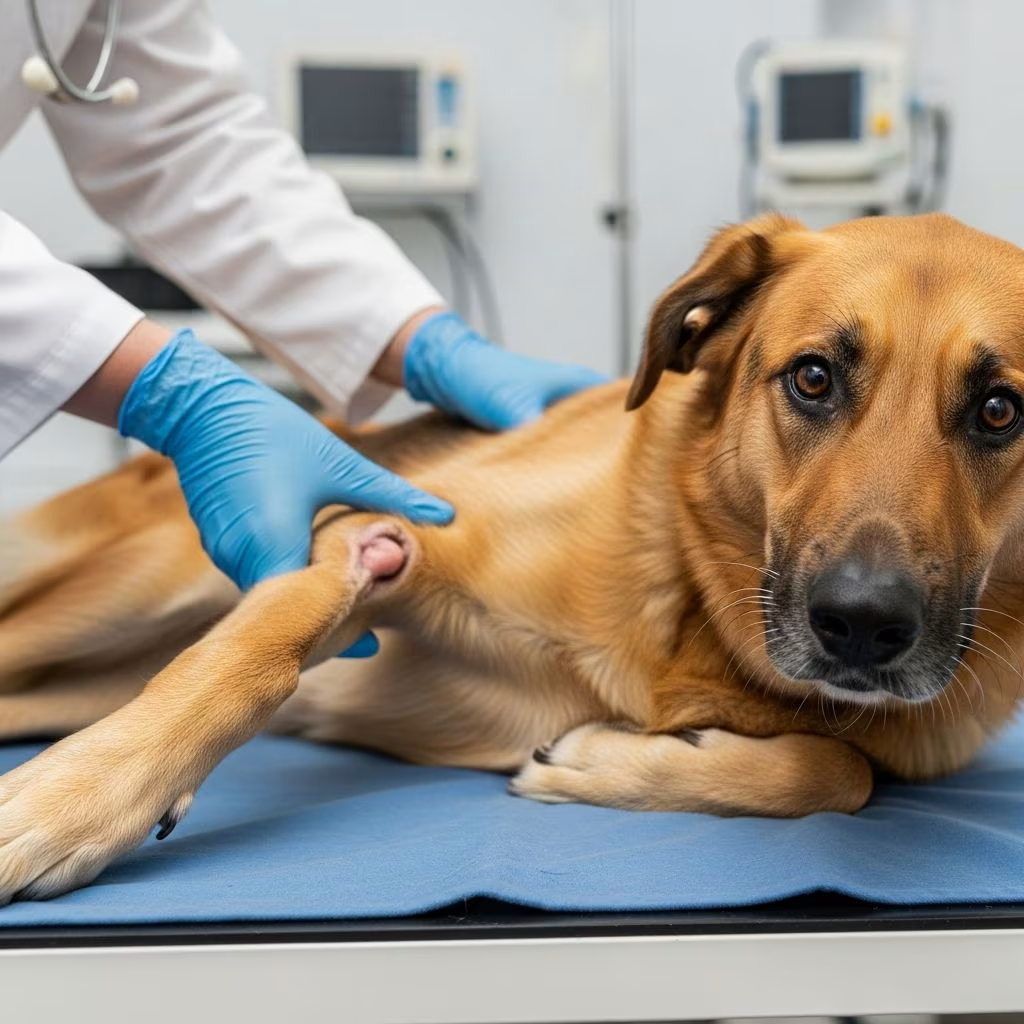
Panosteitis, often called ‘growing pains’ or ‘pano’ by veterinarians, is a common orthopedic condition in young dogs that leads to inflammation within the long bones, causing significant discomfort and mobility issues. This self-resolving disorder primarily impacts rapidly growing large and giant breed puppies, manifesting as shifting lameness and pain that can alarm owners. While not life-threatening, prompt recognition and management are crucial to ensure the puppy’s comfort during flare-ups.
Understanding the Nature of Panosteitis
At its core, panosteitis involves inflammation of the bone marrow and cortex in the diaphysis—the shaft—of long bones such as the humerus, radius, ulna, femur, and tibia. This inflammation disrupts normal bone remodeling during the rapid growth phase, leading to painful episodes that typically begin between 5 and 18 months of age. The condition usually resolves by 24 months as growth plates close, leaving no lasting damage.
Veterinary sources emphasize that panosteitis is not caused by infection, trauma, or nutritional deficiencies but correlates strongly with accelerated skeletal development. Factors like genetics and hormonal influences during puberty contribute, making it a developmental rather than pathological issue.
Breeds and Demographics at Higher Risk
Certain dog breeds face elevated risks due to their size and growth rates. German Shepherds top the list, followed by other large breeds like Labrador Retrievers, Doberman Pinschers, Great Danes, and Saint Bernards. Males are predisposed over females, possibly due to differences in growth hormones.
| Breed | Risk Level | Typical Onset Age |
|---|---|---|
| German Shepherd | High | 5-12 months |
| Labrador Retriever | Moderate-High | 6-14 months |
| Doberman Pinscher | Moderate-High | 7-15 months |
| Great Dane | High | 5-18 months |
| Basset Hound | Moderate | 8-16 months |
This table highlights patterns from clinical observations, underscoring the need for breed-specific vigilance during puppyhood.
Recognizing the Signs: Symptoms to Watch For
The hallmark of panosteitis is acute, shifting lameness that appears suddenly without apparent injury. A puppy might favor one front leg one day, then switch to a hind leg days later, creating a ‘wandering lameness’ pattern. Pain is exquisite upon direct pressure over the affected bone, often eliciting yelps or withdrawal.
- Sudden limping: Mild to severe, often unilateral at first but migratory.
- Localized tenderness: Pain on palpation of long bone shafts, sparing joints.
- Systemic signs: Fever, lethargy, inappetence, or weight loss in severe cases.
- Behavioral changes: Reluctance to play, rise, or bear weight on limbs.
These symptoms can cycle, with pain-free intervals between flare-ups lasting days to weeks. Early detection prevents unnecessary stress and rules out fractures or infections.
Diagnostic Approaches in Veterinary Practice
Diagnosis starts with a thorough history and physical exam. Vets palpate long bones to localize pain, confirming no joint involvement, which differentiates panosteitis from arthritis or ligament injuries. Radiographs are essential, revealing characteristic ‘medullary cavitation’—patchy bone density changes—in affected shafts. These may lag symptoms by up to 10 days, so initial normal X-rays don’t exclude the condition.
Advanced imaging like CT scans is rare but useful for atypical cases. Bloodwork rules out infections or metabolic disorders. Differential diagnoses include osteomyelitis, hypertrophic osteodystrophy, and tumors, emphasizing the need for professional evaluation.
Comprehensive Treatment Strategies
Panosteitis lacks a cure, being self-limiting, but treatment focuses on symptom control to maintain quality of life. Primary interventions include:
- Pharmacotherapy: NSAIDs like carprofen (Rimadyl®), meloxicam (Metacam®), or grapiprant reduce pain and inflammation. Dosage trials may be needed for optimal response. Avoid human OTC meds, which are toxic.
- Strict rest: Crate confinement or leash walks during flare-ups; moderate exercise between episodes to support muscle tone.
- Supportive care: Appetite stimulants, nutritional supplements (e.g., omega-3s, vitamins), and physical therapy for severe cases.
In refractory instances, short-term glucocorticoids like prednisolone may be considered, weighing risks like GI upset. Most dogs improve within weeks, though cycles can persist months.
Lifestyle and Home Management Tips
Owners play a pivotal role in recovery. Provide orthopedic bedding, weight management to lessen bone stress, and environmental modifications like ramps. Monitor for flare triggers like overexertion. Track episodes in a journal for vet discussions.
Nutrition is key: Balanced large-breed puppy formulas prevent excessive growth velocity. Avoid high-protein adult foods; consult vets for caloric needs based on breed and activity.
Prevention Tactics for At-Risk Puppies
While not fully preventable, strategies mitigate risks:
- Controlled growth via age-appropriate diets low in calories but nutrient-dense.
- Gradual exercise ramp-up, shunning high-impact play until maturity.
- Regular vet check-ups during growth spurts for early intervention.
- Genetic screening where available for predisposed lines.
Spaying/neutering timing discussions with vets may influence onset, though evidence is mixed.
Long-Term Prognosis and When to Worry
Prognosis is excellent; nearly all dogs outgrow panosteitis without sequelae. Recurrence drops post-18 months. Seek immediate care for unremitting pain, multiple limb involvement, or systemic illness suggesting complications like tonsillitis.
Frequently Asked Questions (FAQs)
What triggers panosteitis flare-ups?
Flare-ups often follow growth spurts or overactivity, but exact triggers vary.
Can small breeds get panosteitis?
Rarely; it’s tied to rapid long-bone growth in larger dogs.
Is surgery ever needed?
No, as it’s non-structural and resolves spontaneously.
How long do episodes last?
Days to weeks per flare, with full resolution by 2 years.
Does diet alone prevent it?
Not entirely, but balanced feeding reduces severity risks.
Panosteitis tests owners’ patience but yields resilient adults. Vigilance and vet partnership ensure smooth navigation.
References
- Panosteitis in dogs: symptoms, treatment and prevention — Bellfor. Accessed 2026. https://uk.bellfor.info/canine-panosteitis
- Panosteitis in Canines — Compassion Veterinary Center. Accessed 2026. https://www.compassion-vet-center.com/post/panosteitis
- Panosteitis in Dogs — VCA Animal Hospitals. Accessed 2026. https://vcahospitals.com/know-your-pet/panosteitis-in-dogs
- Panosteitis (Growing Pains) in Dogs — Small Door Veterinary. Accessed 2026. https://www.smalldoorvet.com/learning-center/medical/panosteitis-dogs
- Panosteitis and Growth-Based Health Concerns for Puppies — American Kennel Club. Accessed 2026. https://www.akc.org/expert-advice/health/panosteitis-growth-based-health-concerns-puppies/
- Panosteitis In Dogs — CVS Vets. Accessed 2026. https://www.cvsvets.com/health/conditions/panosteitis-in-dogs



