

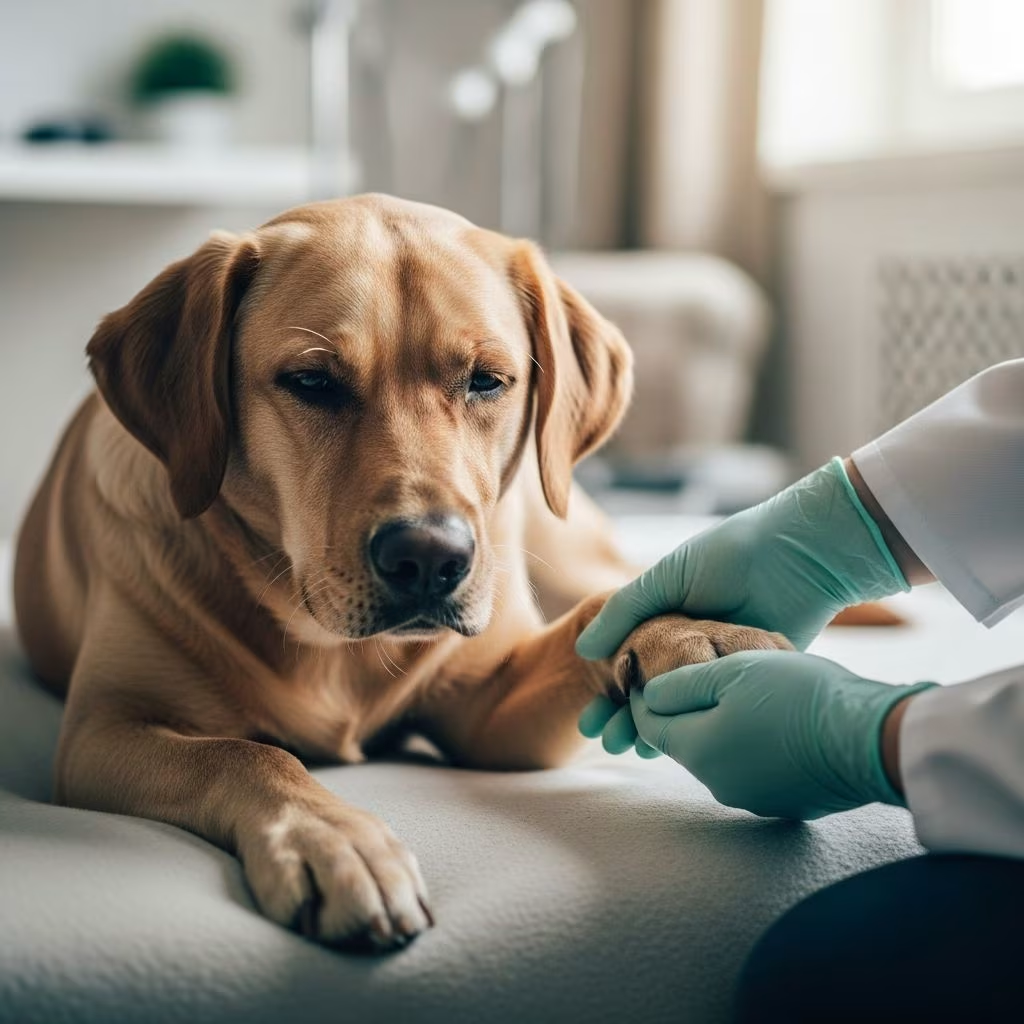
Panosteitis in Dogs: Understanding Growing Pains
Panosteitis, commonly referred to as “growing pains,” is a painful inflammation of the outer surface or shaft of one or more long bones in the legs of young, rapidly growing dogs. This condition primarily affects large and giant breed dogs during their developmental phase, typically between 5 and 18 months of age. While the name “growing pains” might suggest a minor inconvenience, panosteitis can cause significant discomfort and mobility issues for affected dogs, requiring careful management and veterinary care to ensure your pet’s comfort during this challenging growth period. Understanding this condition is essential for dog owners of predisposed breeds to recognize symptoms early and seek appropriate treatment.
What Causes Panosteitis?
The exact underlying cause of panosteitis remains not fully understood by veterinary medicine, though researchers have identified several contributing factors that may work together to trigger this condition. The condition is believed to involve a complex interplay between multiple elements rather than a single causative agent.
Genetic Predisposition
Genetics appears to play a significant role in panosteitis development, particularly in certain breeds. German Shepherds seem especially predisposed to developing this condition, suggesting a breed-specific genetic component that increases vulnerability to panosteitis. Other large breed dogs, including Labrador Retrievers, Golden Retrievers, and Rottweilers, also show increased susceptibility to this painful bone inflammation.
Rapid Growth and Bone Development
Rapid growth during the puppy stage is a significant contributing factor to panosteitis development. As young large-breed dogs grow quickly, their bones experience increased stress and metabolic demands. This accelerated growth places tremendous pressure on developing bone structures, potentially triggering the inflammatory response characteristic of panosteitis. The increased bone remodeling during rapid growth periods creates conditions favorable for the development of this painful condition.
Nutritional Factors
Nutritional components, particularly excessive calcium or high-protein levels in puppy food, may contribute significantly to panosteitis development. Recent research has linked feeding of specific protein-rich, high-calorie commercial dog foods to increased occurrence of panosteitis. Protein-rich diets can cause swelling of the long bones during development, which can exert pressure against blood vessels within the long bones, affecting the bone marrow’s ability to produce new blood cells and resulting in inflammation within the bones.
Other Contributing Factors
Additional factors that may influence panosteitis development include stress, infection, metabolic disorders, hormonal influences, vascular changes within the bone, and possibly even viral factors. The condition may involve complex interactions between these various elements, making it difficult to pinpoint a single cause in individual cases.
Recognizing Symptoms of Panosteitis
Identifying panosteitis early is crucial for managing your dog’s pain effectively. Symptoms of this condition can vary in intensity and presentation, and they often come in episodes rather than being constant.
Primary Symptoms
The main symptom of panosteitis is lameness, which often comes on quickly and can be severe. Other key indicators include:
- Limping or reluctance to put weight on affected limbs
- Pain when the affected limb or bone is touched or squeezed
- Lethargy or decreased activity level
- Loss of appetite during painful episodes
- Fever in some cases (usually mild, ranging from 103-104°F)
- Muscle atrophy in chronically affected limbs
- Behavioral changes such as irritability or reluctance to play
The Wandering Lameness Pattern
A distinctive feature of panosteitis is “wandering lameness,” where the pain and lameness shift between different limbs over time. Your dog might limp on the front leg one week and the back leg the next, as the inflammation affects different bones sequentially. The symptoms typically come in episodes lasting anywhere from a few days to a few weeks, with periods of normalcy between flare-ups. This intermittent pattern sometimes leads pet parents to think the problem has resolved when it’s actually just temporarily inactive.
Pain Severity
It’s important to note that the pain of panosteitis can be quite severe during active episodes, despite minimal external signs. Your dog may yelp when standing up or when certain areas of their legs are touched. If you notice your normally energetic puppy suddenly becoming reluctant to go for walks or play, panosteitis could be the culprit, especially if they’re of a susceptible breed and age.
Diagnosis and Veterinary Evaluation
If you suspect your dog may have panosteitis, a thorough veterinary evaluation is essential for accurate diagnosis. Your veterinarian will typically perform a physical examination to check for pain responses when pressure is applied to the long bones and joints. X-rays are commonly used to confirm the diagnosis, revealing characteristic changes in the bone marrow cavity that are typical of panosteitis. These diagnostic tools help your veterinarian rule out other conditions and develop an appropriate treatment plan tailored to your dog’s specific situation.
Treatment Options for Panosteitis
Although panosteitis is self-limiting and will spontaneously resolve as dogs reach skeletal maturity, the condition is very painful during episodes of lameness, making treatment necessary to keep your dog comfortable. There is no specific treatment that can stop or prevent panosteitis permanently, but several management strategies can significantly improve your dog’s quality of life during affected episodes.
Pain Management with NSAIDs
Non-steroidal anti-inflammatory drugs (NSAIDs) form the cornerstone of panosteitis treatment and are the primary method of pain relief. Veterinarian-prescribed NSAIDs such as meloxicam (brand name Metacam), carprofen (Rimadyl), and deracoxib help reduce inflammation within the bone and provide substantial pain relief. These medications come in both oral and injectable forms, allowing flexibility in administration based on your dog’s needs and your veterinarian’s recommendations.
It is absolutely critical to never give your dog human NSAIDs like ibuprofen or aspirin, as these can be toxic to dogs and cause serious health complications. Always use only prescription medications specifically formulated for canine use. Some dogs respond better to one NSAID over another, so trying a different drug may be helpful if your dog still seems in pain after starting treatment.
Rest and Activity Modification
During active flare-ups, restricting exercise helps minimize pain and allows the inflammation to subside more quickly. Your veterinarian will typically recommend leash walks only, avoiding rough play, jumping, or long hikes until the episode passes. Most bouts of lameness will resolve in 2-3 weeks with appropriate rest and pain management. Maintaining appropriate activity levels during recovery periods is crucial to prevent complications and ensure your dog’s comfort.
Dietary Management
A balanced diet appropriate for your dog’s age and growth stage is important in managing panosteitis. Consult with your veterinarian regarding the best diet for a growing large-breed dog, paying particular attention to calcium and protein levels. Some veterinarians recommend slightly reducing protein and calorie intake during the acute growth phase to minimize stress on developing bones. Weight management is equally important, as maintaining a healthy weight reduces stress on the bones and joints during this vulnerable developmental period.
Supplementary and Complementary Therapies
In some cases, supplements such as omega-3 fatty acids may be suggested for their anti-inflammatory properties. Additionally, some dogs benefit from complementary approaches used in conjunction with conventional treatment, including therapeutic massage, gentle physical therapy to maintain muscle tone, careful acupuncture, or the application of warm compresses to affected areas. These should always be pursued under veterinary guidance and in conjunction with appropriate medical management.
Temperature Therapy
Temperature therapy can provide meaningful relief during flare-ups. Applying a warm (not hot) compress to affected areas for 10-15 minutes can soothe pain and increase blood flow. Always test the temperature on your own skin first, and never leave heating pads unattended with your pet. This simple home care strategy can complement your veterinarian’s prescribed treatment plan.
Environmental and Behavioral Support
Maintaining a consistent routine offers psychological comfort for dogs in pain. Predictable mealtimes, gentle interaction, and rest periods help reduce stress, which can exacerbate pain perception. While adapting activities to your dog’s abilities, try to keep the daily schedule familiar to minimize anxiety during painful episodes.
Prognosis and Long-Term Outlook
The prognosis for dogs with panosteitis is generally excellent. Most dogs experience complete recovery by 18-24 months of age, with the condition typically resolving as they reach skeletal maturity. Since panosteitis is self-limiting, it will spontaneously resolve without permanent damage to the bones or long-term complications in most cases. The key to ensuring the best possible outcome is providing appropriate pain management during acute episodes and maintaining proper nutrition and activity levels throughout the growth phase.
Monitoring Your Dog’s Progress
Regular follow-up with your veterinarian is essential to monitor the condition and make adjustments to the treatment plan as needed. During these visits, your veterinarian can assess your dog’s pain levels, adjust medication doses if necessary, and ensure that the treatment strategy remains effective. Keeping detailed records of flare-ups, their duration, severity, and your dog’s response to treatment can provide valuable information for your veterinarian and help optimize management strategies.
Prevention Strategies
While panosteitis cannot be completely prevented, certain measures may help reduce the risk or severity of the condition. Feeding a high-quality, balanced diet formulated specifically for large-breed puppies helps ensure appropriate calcium and protein levels during critical growth phases. Avoiding excessive supplementation of calcium and maintaining moderate exercise appropriate to your dog’s age can also help minimize stress on developing bones. Consulting with your veterinarian about optimal nutrition and exercise protocols for your specific breed is highly recommended.
Frequently Asked Questions (FAQs)
Q: At what age does panosteitis typically occur in dogs?
A: Panosteitis typically affects young, growing dogs, particularly between 5 and 18 months of age. The condition usually resolves as dogs reach skeletal maturity around 18-24 months of age.
Q: Which dog breeds are most susceptible to panosteitis?
A: Large and giant breed dogs are most commonly affected, with German Shepherds showing particular predisposition. Other susceptible breeds include Labrador Retrievers, Golden Retrievers, Rottweilers, and similar large breeds.
Q: Is panosteitis painful, and how severe is the pain?
A: Yes, panosteitis is quite painful during active episodes. Dogs may yelp when standing up or when affected areas are touched, and the pain can be severe despite minimal external signs of the condition.
Q: Can panosteitis be cured permanently?
A: There is no cure for panosteitis, but the condition is self-limiting and will resolve on its own as your dog reaches skeletal maturity. Treatment focuses on managing symptoms and providing pain relief during flare-ups.
Q: What should I do if my dog shows signs of panosteitis?
A: Contact your veterinarian immediately. They can perform diagnostic tests, confirm the diagnosis, and develop an appropriate treatment plan to manage your dog’s pain and ensure comfort during the condition’s course.
Q: Are there any long-term complications from panosteitis?
A: No, panosteitis typically resolves completely without permanent damage to bones or long-term complications. Most dogs make a full recovery as they reach skeletal maturity.
References
- Panosteitis in Dogs — VCA Animal Hospitals. 2025. https://vcahospitals.com/know-your-pet/panosteitis-in-dogs
- Panosteitis in Dogs: 5 Essential Treatments & Relief Tips — The Pet Vet. 2025. https://thepetvet.com/panosteitis-in-dogs/
- Panosteitis in Dogs (Growing Pains in Dogs) — PetMD. 2025. https://www.petmd.com/dog/conditions/musculoskeletal/c_multi_panosteitis
- Panosteitis In Dogs – Growing Pains In Dogs — Kingsdale Animal Hospital. 2025. https://www.kingsdale.com/panosteitis-in-dogs-growing-pains-in-dogs
- Panosteitis (Growing Pains) in Dogs — Small Door Vet. 2025. https://www.smalldoorvet.com/learning-center/medical/panosteitis-dogs
- Panosteitis and Growth-Based Health Concerns for Puppies — American Kennel Club. 2025. https://www.akc.org/expert-advice/health/panosteitis-growth-based-health-concerns-puppies/



