

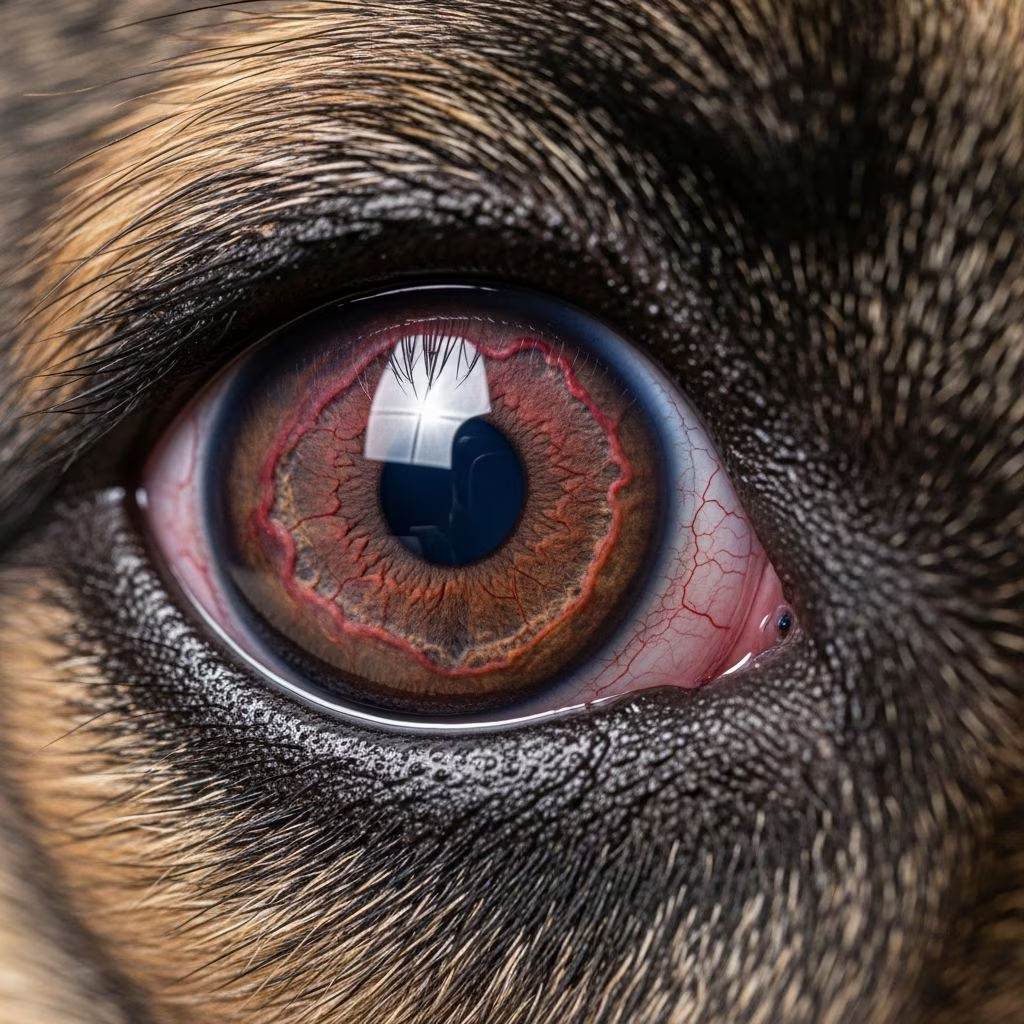
Pannus in Dogs: Chronic Superficial Keratitis
Pannus, medically known as chronic superficial keratitis (CSK), is a progressive inflammatory eye condition that affects dogs of all ages and breeds, though certain breeds show higher predisposition. This immune-mediated disease primarily targets the cornea—the clear, dome-shaped surface at the front of the eye—and can significantly impact your dog’s vision if left untreated. Understanding this condition is essential for dog owners, as early detection and consistent treatment can preserve your pet’s eyesight and quality of life.
What Is Pannus?
Pannus is an immune-mediated inflammatory disease where the body’s immune system inappropriately attacks the corneal tissue. During this process, inflammatory cells and blood vessels gradually infiltrate the cornea, beginning at the outer edges and progressing inward. The condition is characterized by progressive vascularization (the formation of new blood vessels), brown pigment deposition on the corneal surface, and increasing haziness or cloudiness of the cornea. As pannus advances, affected areas may become darker in color and develop visible scars, particularly in chronic cases that have progressed without adequate treatment.
While pannus is not typically considered a painful condition, it is slowly progressive and can ultimately lead to blindness if left untreated. However, with proper medical management and consistent care, most dogs respond well to treatment and can maintain good vision throughout their lives.
What Causes Pannus?
The exact cause of pannus remains incompletely understood, though veterinarians and researchers have identified several contributing factors and predisposing elements. Pannus is thought to be a hereditary condition that develops as pets age, suggesting a strong genetic component in the disease’s development.
Breed Predisposition
Certain breeds demonstrate significantly higher incidence rates of pannus, including German Shepherds, Belgian Shepherds, Border Collies, and Greyhounds. While these breeds are most commonly affected, pannus can potentially develop in any dog breed, regardless of genetics. German Shepherds diagnosed at a young age tend to develop more severe forms of the disease that are often less responsive to treatment compared to cases diagnosed later in life.
Environmental and Contributing Factors
Several environmental and lifestyle factors can contribute to pannus development and exacerbate existing disease:
- Ultraviolet (UV) Light Exposure: One of the most significant contributing factors is chronic exposure to ultraviolet radiation. Dogs living at high altitudes experience increased UV exposure due to thinner atmospheric protection, which can both trigger pannus development and significantly worsen existing disease progression.
- High Altitude Living: Pets residing in elevated geographic regions face increased UV radiation exposure, making them more susceptible to developing pannus and experiencing more severe disease manifestations.
- Prolonged Outdoor Activities: Dogs that spend extended time outdoors, particularly during peak UV hours, face heightened risk of developing or worsening pannus.
- Immune System Factors: An inappropriate immune response where the body’s immune system recognizes corneal tissue as foreign and mounts an attack against it plays a central role in disease development.
- Secondary Complications: Underlying eye conditions, eyelid abnormalities such as entropion (inward-rolling eyelids), and exposure to airborne irritants can all contribute to pannus development or progression.
Symptoms and Signs of Pannus
Recognizing the early signs of pannus is crucial for timely intervention and treatment initiation. The first manifestations of pannus typically appear as non-painful, raised lesions or bumps on the cornea, usually beginning at the outer edges and progressively spreading inward.
Observable Clinical Signs
Dog owners should watch for the following symptoms:
- Red, inflamed appearance of the eyes
- Development of a grayish-pink film, haze, or cloudiness over the corneal surface
- Progressive color changes in the eye, ranging from pink or red to brown or gray pigmentation
- Thickening and inflammation of the third eyelid (nictitating membrane)
- Gradual vision changes or apparent vision loss
- Raised, bumpy lesions visible on the corneal surface
In most cases, both eyes are affected, though one eye may show more severe changes than the other. The condition is not painful, so your dog may not display obvious signs of discomfort, making regular veterinary eye examinations especially important for early detection.
How Is Pannus Treated?
While pannus cannot be cured, it can be effectively managed with appropriate medical treatment. The goal of treatment is to halt disease progression, reverse as many changes as possible, and preserve your dog’s vision. Treatment is a lifelong commitment that must continue for the remainder of your dog’s life to prevent recurrence and progression.
Topical Medications
The primary treatment approach involves topical (eye drop) medications applied directly to the affected eyes:
- Corticosteroids: Medications such as prednisolone or dexamethasone are typically prescribed as first-line treatments. These anti-inflammatory drugs reduce inflammation and provide immunosuppressive effects that help control the immune-mediated attack on the cornea.
- Immunosuppressive Agents: Cyclosporine is a primary immunosuppressive medication that directly suppresses immune system activity. Applied topically, cyclosporine alone or in combination with steroids often provides superior control of pannus compared to steroid use alone.
- Tacrolimus: Another immunosuppressive option that may be used as part of long-term management to minimize medication burden.
These medications are generally applied to the eyes up to four times daily, though frequency may be adjusted based on disease severity and individual response. The goal of long-term management is to use the smallest effective medication dosage needed to keep symptoms controlled, ideally reducing to a single topical medication such as tacrolimus or cyclosporine for maintenance therapy.
Advanced Treatment Options
For more severe cases or those inadequately controlled with topical medications alone, additional treatment modalities may be considered:
- Subconjunctival Steroid Injections: Injections of steroids administered beneath the conjunctiva (the pink tissue surrounding the eye) can provide enhanced treatment for severe pannus cases.
- Long-Acting Cyclosporine Implants: More recent treatment innovations include subconjunctival injection of long-lasting cyclosporine implants that provide extended medication delivery.
- Surgical Intervention: In rare, severe cases where other treatments prove insufficient, surgical procedures may be considered to improve vision or remove severely affected tissue.
- Radiation Therapy: In extreme cases, radiation therapy to the affected cornea may be employed when traditional medical methods are ineffective.
UV Protection
Because ultraviolet light significantly influences pannus development and progression, your veterinarian may recommend protective measures such as dog sunglasses (commercial products like Doggles®) to provide extra UV protection, especially for dogs living in high-altitude areas or spending significant time outdoors.
Management of Secondary Infections
Antibiotics are sometimes required when pannus cases develop secondary bacterial infections, which can complicate the primary condition and require additional therapeutic intervention.
Recovery and Management of Pannus
Understanding the long-term nature of pannus management is essential for dog owners embarking on this treatment journey. While pannus is treatable, it is not curable, and dogs must continue receiving treatment for the remainder of their lives to prevent disease progression.
Prognosis and Response to Treatment
The prognosis for dogs with pannus varies based on several factors. If caught early, most dogs respond well to treatment, though the time frame for improvement varies by individual. Dogs living at lower altitudes generally experience less severe disease and respond more favorably to treatment compared to those in high-altitude regions with increased UV exposure. Most affected dogs show noticeable improvement with prompt treatment initiation.
Long-Term Management Strategy
Successful pannus management requires:
- Consistent, daily administration of prescribed medications exactly as directed by your veterinarian
- Regular follow-up appointments to monitor disease control and adjust treatment protocols as needed
- Close observation for signs of disease recurrence or progression
- Strict adherence to UV protection recommendations
- Immediate reporting of any changes in eye appearance or vision to your veterinarian
Pet owners must understand that treatment failure or disease progression often results from inconsistent medication administration or missed veterinary appointments. Following your veterinarian’s instructions closely and maintaining all scheduled check-ups is crucial for optimal disease control.
Special Considerations for German Shepherds
German Shepherds warrant special mention due to their significantly higher predisposition to pannus and unique treatment characteristics. When German Shepherds are diagnosed at a young age, they typically develop more severe disease that is often less responsive to treatment compared to cases diagnosed in older dogs. This genetic predisposition underscores the importance of regular eye screening for this breed, particularly as preventive health care.
Frequently Asked Questions About Pannus in Dogs
Q: Is pannus a painful condition for dogs?
A: No, pannus is not typically a painful disease. However, if left untreated and progressing to advanced stages affecting vision significantly, dogs may experience behavioral changes related to vision loss rather than pain.
Q: Can pannus be cured?
A: Unfortunately, pannus cannot be cured. However, it can be effectively managed with consistent treatment, and most dogs respond well to medical management when treatment is started early and maintained consistently throughout their lives.
Q: How often will my dog need eye medications?
A: Medication frequency typically starts at up to four times daily but may be adjusted based on disease severity and response to treatment. The goal is to eventually reduce to the smallest effective dosage and frequency needed to maintain disease control, often eventually requiring only one medication.
Q: Why is my dog at higher risk for pannus if living in Colorado or high-altitude areas?
A: Higher elevations experience increased ultraviolet radiation exposure due to thinner atmospheric protection. UV light is a significant factor in both triggering pannus development and exacerbating existing disease, making high-altitude living a notable risk factor.
Q: Can I prevent pannus in my dog?
A: While you cannot prevent a genetically predisposed dog from developing pannus, you can reduce risk factors by minimizing UV exposure, ensuring regular veterinary eye examinations for early detection, and maintaining optimal overall health. For high-risk breeds, early screening is recommended.
Q: What happens if I don’t treat pannus?
A: Untreated pannus is a slowly progressive disease that will eventually lead to blindness. Early and consistent treatment is essential to preserve vision and prevent this progression.
Q: How often should my dog with pannus see a veterinarian?
A: Regular follow-up appointments are essential for monitoring disease control and adjusting treatment as needed. Your veterinarian will recommend an appropriate schedule based on your individual dog’s condition, typically requiring more frequent visits initially and potentially decreasing once disease is well-controlled.
When to Seek Veterinary Care
Contact your veterinarian immediately if you notice any of the following in your dog’s eyes: sudden redness or inflammation, visible lesions or bumps on the cornea, cloudiness or haziness developing over the eye surface, changes in eye pigmentation, or apparent vision changes. Additionally, even without obvious symptoms, dogs at high risk for pannus (particularly German Shepherds and other predisposed breeds) should receive regular eye examinations as part of preventive health care.
Conclusion
Pannus in dogs is a manageable but lifelong condition requiring consistent medical treatment and veterinary care. While it cannot be cured, with early detection and diligent management, most dogs maintain excellent vision and quality of life. Understanding the disease, recognizing early symptoms, following treatment protocols carefully, and maintaining regular veterinary oversight are all essential components of successful pannus management. By working closely with your veterinarian and committing to long-term care, you can help preserve your dog’s eyesight and ensure they continue to enjoy an active, happy life.
References
- Pannus in Dogs (Chronic Superficial Keratitis) — VCA Animal Hospitals. 2024. https://vcahospitals.com/know-your-pet/pannus-in-dogs
- Pannus in Dogs: Symptoms, Causes, and Treatment — PetMD. 2024. https://www.petmd.com/dog/conditions/eyes/pannus-dogs-symptoms-causes-and-treatment
- Pannus – Veterinary Teaching Hospital — Colorado State University College of Veterinary Medicine and Biomedical Sciences. 2024. https://vetmedbiosci.colostate.edu/vth/services/ophthalmology/pannus/
- Pannus – Animal Eye Center — Animal Eye Center. 2024. https://www.animaleyecenter.com/pannus
- Understanding Pannus in Dogs: What It Is and How to Protect Your Pup’s Eyesight — Rex Specs. 2024. https://www.rexspecs.com/blogs/news/understanding-pannus-in-dogs-what-it-is-and-how-to-protect-your-pups-eyesight
- Pannus in Dogs (Chronic Superficial Keratitis) — Memphis Veterinary Specialists. 2023. https://www.memphisveterinaryspecialists.com/site/blog-cordova/2023/11/15/pannus-dogs
- Chronic Superficial Keratoconjunctivitis (Pannus) — Eye Vet Ireland. 2009. https://www.eyevet.ie/wp-content/uploads/2009/01/pannus.pdf



