

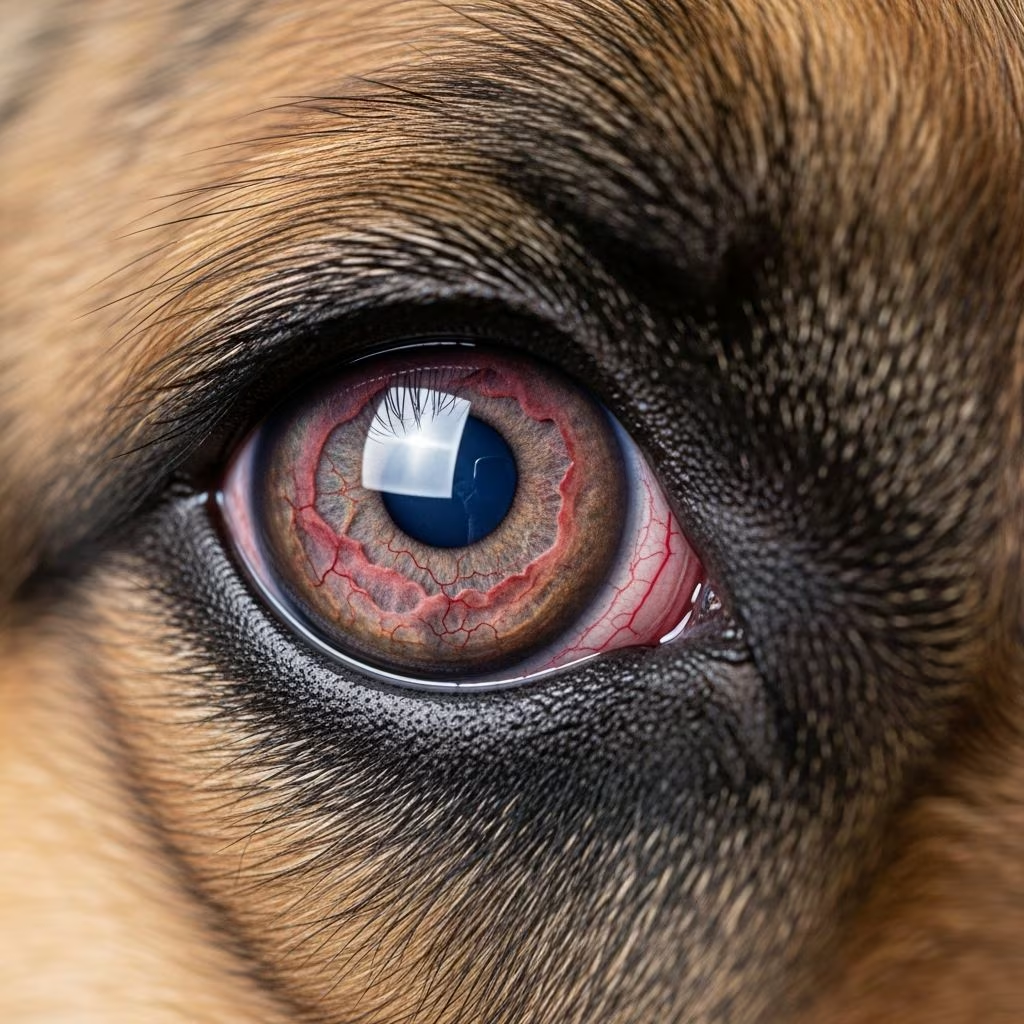
Pannus, medically known as chronic superficial keratitis (CSK), is an immune-mediated eye condition that affects the cornea in dogs. This progressive disease occurs when the immune system attacks the dog’s own corneal tissue, resulting in inflammation, discoloration, and potentially blindness if left untreated. Understanding this condition is essential for dog owners, particularly those with breeds predisposed to the disease.
What Is Pannus?
Pannus is a slowly progressive disease characterized by the infiltration of inflammatory cells onto the cornea. These immune cells form small, raised bumps alongside blood vessels, creating visible changes in the eye’s appearance. The condition typically begins at the edges of the cornea and gradually spreads inward. In advanced cases, the cornea becomes darker in color and develops scarring, which can severely impact a dog’s vision.
The disease is immune-mediated, meaning the dog’s immune system mistakenly recognizes the corneal tissue as foreign and attacks it. This is similar to how the immune system would respond to transplanted tissue. Unlike other eye conditions, pannus is chronic and requires lifelong management rather than a one-time treatment solution.
Who Is at Risk?
While pannus can develop in any dog breed, certain breeds are significantly more susceptible to the condition. German Shepherds, Belgian Shepherds, and Border Collies show the highest incidence rates. German Shepherds diagnosed at a young age typically develop more severe cases that are less responsive to treatment.
Several factors increase the risk of developing pannus:
- Genetic predisposition, particularly in German Shepherds and related breeds
- Age, as the condition develops as dogs mature
- High altitude living, where UV exposure is more intense
- Prolonged outdoor exposure and excessive sunlight
- Increased ultraviolet (UV) light exposure
- Underlying eye conditions such as entropion (inwardly rolled eyelids)
- Exposure to airborne irritants
Environmental factors play a crucial role in pannus development and progression. Dogs living in regions with higher UV radiation or at elevated altitudes face a substantially greater risk. UV light is believed to be the primary environmental trigger that damages the cornea, initiating the immune response that characterizes pannus.
Symptoms and Clinical Signs
Pet owners should watch for specific visual indicators that may suggest pannus development. The symptoms typically appear gradually and may vary in severity:
- Red, inflamed eyes that appear uncomfortable
- Grayish-pink film or haze developing over the cornea
- Pigmentation changes in the eye, appearing as dark spots or discoloration
- Cloudiness or opacity in the corneal area
- Excessive tearing or discharge
- Squinting or light sensitivity
- Vision impairment or difficulty seeing in bright conditions
- Corneal scarring in advanced cases
The severity of symptoms depends on several factors, including the dog’s age and environmental exposure. Younger dogs, especially German Shepherds, may develop more severe symptoms that progress rapidly. Dogs with chronic pannus may develop permanent corneal scarring even with appropriate treatment.
Causes of Pannus in Dogs
Pannus is thought to be a hereditary condition that develops as pets age, though the exact mechanism of inheritance is still being researched. Recent evidence suggests an altered haplotype contributes to the disease’s development in genetically predisposed breeds. The condition represents an immune-mediated response where the dog’s immune system inappropriately attacks corneal tissue.
Several predisposing factors contribute to pannus development and exacerbation:
Genetic Factors: A hereditary component clearly exists, as specific breeds demonstrate significantly higher incidence rates. German Shepherds show the highest prevalence, suggesting breed-specific genetic factors increase susceptibility.
Ultraviolet Light Exposure: UV radiation is considered the most significant environmental trigger. Dogs living in sunny climates, at high altitudes, or spending extended time outdoors face substantially increased risk. UV rays damage the corneal surface, potentially initiating the immune response that characterizes pannus.
Age-Related Factors: Pannus typically develops in middle-aged to older dogs, suggesting age-related immune changes play a role in disease onset.
Environmental Conditions: High altitude living increases UV exposure and correlates with higher pannus incidence. Living in areas with intense sunlight or prolonged outdoor exposure exacerbates the condition.
Secondary Eye Conditions: Underlying conditions such as entropion may increase pannus risk or severity.
How Is Pannus Treated?
While pannus cannot be cured, appropriate treatment effectively controls the condition and halts disease progression. Treatment will not cure the condition but will halt the progression and may reverse some of the changes. The treatment of pannus is for life, requiring consistent, long-term management.
Topical Medications
Topical therapy is the most common treatment approach for pannus cases. These medications are applied directly to the affected eye(s) and are typically administered multiple times daily:
- Corticosteroids such as prednisolone acetate or dexamethasone reduce corneal inflammation
- Immune-modulating drugs like cyclosporine suppress the abnormal immune response
- Tacrolimus in DMSO provides immune suppression with potentially fewer long-term side effects
- Pimecrolimus offers an alternative immune-modulating option
Mild cases may respond well to topical steroids alone, though these medications may cause other corneal problems with long-term use. Most veterinarians recommend combining topical steroids with immune-modulating medications for optimal disease control. The goal is to use the smallest effective dosage to manage symptoms, ideally progressing to a single long-term medication such as tacrolimus or cyclosporine.
Subconjunctival Injections
For more severe cases that don’t respond adequately to topical therapy, subconjunctival steroid injections may be beneficial. These injections deliver medication directly beneath the conjunctiva (the pink tissue surrounding the eye), providing more concentrated and sustained treatment. More recent treatment advances include subconjunctival injection of long-lasting cyclosporine implants, which provide extended medication delivery and require replacement only every 8-12 months.
Surgical and Advanced Interventions
In rare, severe cases where medical management proves insufficient, surgical intervention may be considered. These procedures are typically reserved for dogs with severe vision impairment despite appropriate medical therapy. Radiation therapy has also been used in extreme cases where traditional medical methods provide insufficient disease control.
Protective Measures
Due to the influence of UV lighting on pannus, veterinarians often recommend protective eyewear for affected dogs. Dog sunglasses, commonly known as Doggles®, provide UV protection and may help prevent disease exacerbation. Limiting outdoor exposure during peak UV hours and providing shade when dogs spend time outside are important complementary management strategies.
Secondary Infection Treatment
When secondary bacterial infections develop, antibiotic eye medications may be incorporated into the treatment regimen. Careful monitoring helps identify infections early, allowing prompt treatment before they complicate the underlying pannus condition.
Long-Term Management and Prognosis
Most dogs respond well to treatment with consistent medication administration and close veterinary monitoring. The prognosis depends on several factors, including the dog’s age at diagnosis, disease severity, breed, and environmental UV exposure levels.
Factors Affecting Treatment Response:
- Dogs diagnosed at younger ages, particularly German Shepherds, often have more aggressive disease requiring more intensive treatment
- Dogs in regions with lower UV radiation exposure typically respond better to topical treatment alone
- Dogs living in high-altitude or sunny regions may require more aggressive, ongoing treatment
- Early detection and prompt treatment initiation substantially improve outcomes
Seasonal worsening during summer months is common, requiring temporary treatment intensification. Corneal pigment may improve within weeks of starting therapy or may require several months for visible improvement. Some permanent residual corneal pigment is typical even with successful treatment. Pet parents should expect to follow their veterinarian’s instructions carefully, administering medications consistently as prescribed.
Regular eye examinations are crucial for monitoring disease progression and identifying any reoccurring flare-ups once the initial pannus is controlled. Many dogs eventually require only one topical medication long-term for disease management, though some require continued combination therapy throughout their lives.
Treatment Considerations by Dog Profile
| Dog Profile | Treatment Approach | Expected Response | Long-term Outlook |
|---|---|---|---|
| Middle-aged/older dogs in low-UV areas | Topical therapy alone | Good to excellent | Often manageable with single medication |
| Young German Shepherds | Combination therapy with possible injections | Slow/variable | Requires lifelong combination treatment |
| Dogs in high-altitude/sunny regions | Intensive combination therapy with UV protection | Moderate to good | May require more aggressive management |
| Dogs with secondary infections | Combination therapy plus antibiotics | Good with proper adherence | Requires vigilant monitoring |
Important Owner Responsibilities
Successful pannus management depends heavily on owner commitment to lifelong care. Pet parents must:
- Administer medications exactly as prescribed, typically multiple times daily initially
- Attend all veterinary follow-up appointments for disease monitoring and treatment adjustment
- Watch for signs of medication side effects or disease progression
- Provide UV protection through sunglasses and limiting outdoor exposure during peak UV hours
- Monitor for secondary infections or treatment complications
- Maintain consistent medication schedules without interruption
- Communicate with their veterinarian about any concerns or observed changes
Failure to follow medication instructions carefully can cause the condition to worsen over time, potentially leading to preventable vision loss. Consistency is absolutely crucial, as lapses in treatment often result in disease flare-ups requiring more intensive management.
Frequently Asked Questions About Pannus in Dogs
Q: Can pannus in dogs be cured?
A: No, pannus cannot be cured. However, with appropriate treatment and consistent management, the condition can be controlled, disease progression halted, and some changes may even be reversed. Treatment is required for the remainder of the dog’s life.
Q: Which dog breeds are most susceptible to pannus?
A: German Shepherds, Belgian Shepherds, and Border Collies show the highest incidence of pannus. However, the condition can develop in any dog breed, particularly as they age.
Q: How does UV light contribute to pannus development?
A: Ultraviolet radiation is believed to damage the corneal surface, potentially triggering the immune response that initiates pannus. Dogs living in high-altitude regions or sunny climates face increased risk due to greater UV exposure.
Q: What is the difference between topical steroids and immune-modulating medications?
A: Topical steroids reduce inflammation directly but may cause other corneal problems with long-term use. Immune-modulating medications suppress the immune system’s abnormal attack on the cornea and are often used alongside or instead of steroids for long-term management.
Q: How often do dogs with pannus need veterinary examinations?
A: Dogs typically require frequent initial examinations to monitor disease progression and adjust treatment. Once the condition is controlled, regular follow-up appointments help identify any reoccurring flare-ups or complications requiring treatment adjustment.
Q: Can dog sunglasses really help prevent pannus progression?
A: Yes, UV-protective dog sunglasses can help reduce UV exposure to the eyes and may help prevent disease exacerbation. They’re especially recommended for dogs living in high-altitude or sunny regions.
Q: What should I do if I notice my dog’s pannus symptoms getting worse?
A: Contact your veterinarian immediately if you notice increased redness, discharge, vision impairment, or other changes in your dog’s eyes. These may indicate disease flare-ups or complications requiring treatment adjustment.
Q: Is pannus a painful condition for dogs?
A: Dogs with pannus often experience discomfort from the inflammation and may show signs of eye pain such as excessive tearing, squinting, or light sensitivity. Prompt treatment helps alleviate this discomfort.
Conclusion
Pannus in dogs is a chronic immune-mediated eye condition that requires lifelong management but can be effectively controlled with appropriate treatment. While the condition cannot be cured, most dogs respond well to consistent medication therapy and careful monitoring. Early detection, prompt treatment initiation, and owner adherence to treatment protocols are essential for preserving vision and maintaining quality of life. Dogs with pannus can live full, comfortable lives with proper management and veterinary care, making it crucial for owners to work closely with their veterinarians to develop and maintain effective treatment plans.
References
- Chronic Superficial Keratitis (Pannus) in Dogs — Indiana Animal Eye Clinic. 2024. https://indyanimaleyeclinic.com/veterinary-ophthalmology-publications/chronic-superficial-keratitis-pannus-dogs/
- Pannus in Dogs (Chronic Superficial Keratitis) — VCA Animal Hospitals. 2024. https://vcahospitals.com/know-your-pet/pannus-in-dogs
- Pannus in Dogs: Symptoms, Causes, and Treatment — PetMD. 2024. https://www.petmd.com/dog/conditions/eyes/pannus-dogs-symptoms-causes-and-treatment
- Understanding Pannus in Dogs: What It Is and How to Protect Your Pup’s Eyesight — Rex Specs. 2024. https://www.rexspecs.com/blogs/news/understanding-pannus-in-dogs-what-it-is-and-how-to-protect-your-pup-s-eyesight
- Pannus in Dogs (Chronic Superficial Keratitis) — Memphis Veterinary Specialists. 2023. https://www.memphisveterinaryspecialists.com/site/blog-cordova/2023/11/15/pannus-dogs
- Pannus — Animal Eye Center — Animal Eye Center. 2024. https://www.animaleyecenter.com/pannus



