

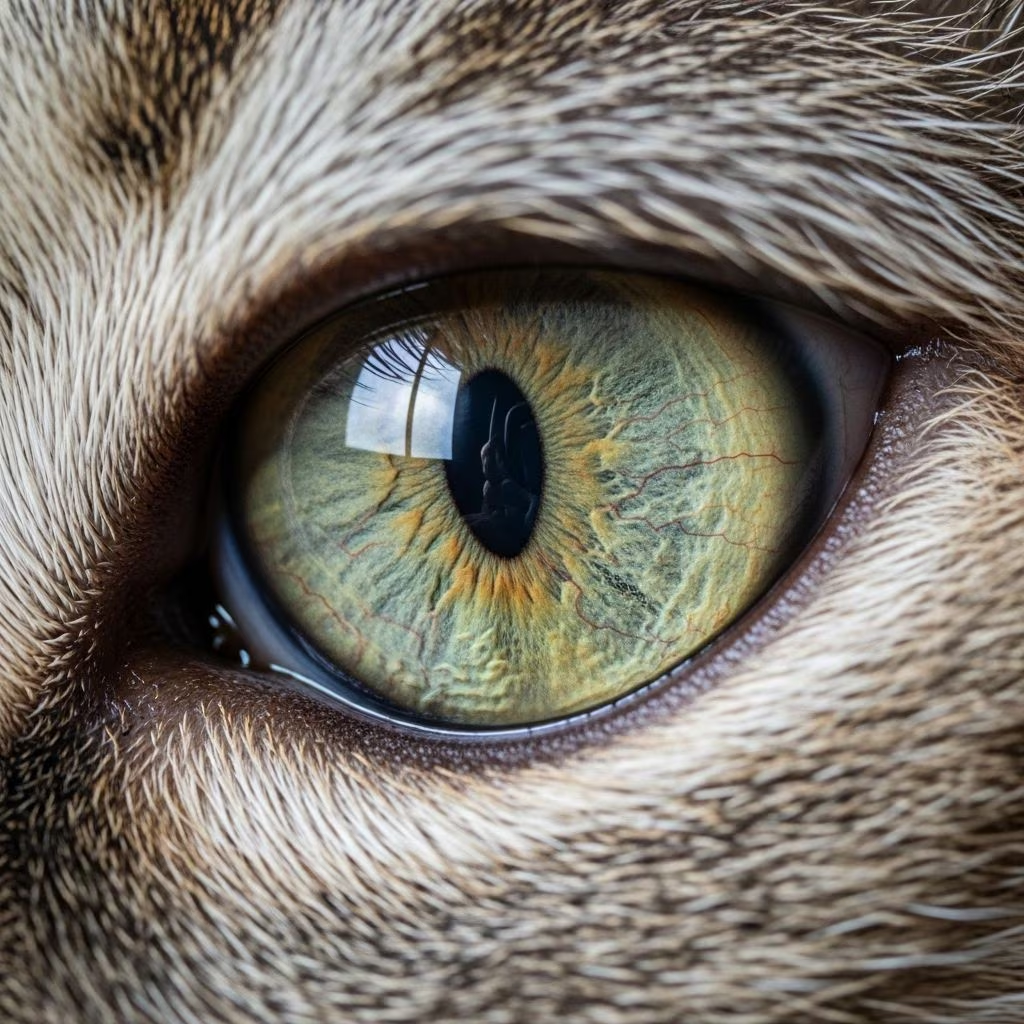
Pannus, also known as chronic superficial keratitis, represents a progressive inflammatory condition affecting the cornea in cats. This immune-mediated disease leads to pigmentation, vascularization, and potential vision loss if unmanaged. Though less common in felines than in certain dog breeds, early detection and consistent treatment can preserve sight effectively.
Defining Pannus: A Corneal Immune Response
The cornea serves as the eye’s clear outer layer, essential for vision clarity. In pannus, the cat’s immune system erroneously targets this tissue, sparking chronic inflammation. This begins in the conjunctiva—the pink membrane around the eye—and spreads to the cornea, forming pinkish tissue that darkens over time. Unlike acute injuries, pannus advances slowly, often bilaterally, with infiltrates of inflammatory cells, new blood vessels, and pigment deposition clouding transparency.
Cats exhibit this condition infrequently, but awareness aids prompt intervention. The disease mirrors patterns seen in dogs, where genetic factors heighten risk, yet feline cases underscore broader susceptibility across species.
Root Causes Behind Feline Pannus
The precise etiology of pannus remains elusive, but evidence points to an interplay of genetic, environmental, and immunological elements. Primarily immune-mediated, the body attacks corneal components as foreign, possibly triggered by external stressors.
- Genetic Vulnerability: Inherited predisposition exists, akin to predisposed canine breeds, though specific feline lineages lack extensive documentation.
- UV Radiation Exposure: Sunlight, particularly ultraviolet rays, exacerbates progression. Cats in sunny climates or high altitudes face amplified risk due to intensified UV penetration.
- Environmental Irritants: Pollutants, smoke, and altitude contribute, intensifying immune responses.
- Other Triggers: Potential links to systemic issues or allergies, though unproven in cats.
High-altitude residences correlate with severity, as thinner atmospheres permit greater UV influx, underscoring protective measures’ importance.
Recognizing Early Warning Signs in Cats
Symptoms emerge gradually, often overlooked until advanced. Vigilant owners note subtle shifts in eye appearance.
| Stage | Symptoms | Progression Impact |
|---|---|---|
| Initial | Redness in sclera (eye white); subtle conjunctival pigmentation | Minimal vision effect |
| Early Corneal | White cellular infiltrates at cornea’s lateral edge; mild vascular ingrowth | Slight haziness |
| Advanced | Pink fleshy growth spreading centrally; darkening to brown scar tissue; third eyelid swelling | Cloudiness impairs sight |
| Severe | Extensive pigmentation covering pupil; corneal opacity | Potential blindness |
Cats remain painless, lacking rubbing or tearing hallmarks of other issues. Bilateral involvement predominates, urging bilateral scrutiny. Prompt veterinary exams distinguish pannus from ulcers or infections.
Diagnostic Approaches for Accurate Identification
Veterinarians rely on clinical exams, as no single test confirms pannus. Key steps include:
- Visual Inspection: Slit-lamp biomicroscopy reveals characteristic lesions starting peripherally.
- Fluorescein Staining: Rules out ulcers by absence of uptake.
- Tear Production Tests: Schirmer test excludes concurrent dry eye, occasionally comorbid.
- Cytology/Culture: Rarely, to exclude infectious mimics.
History of environment (sun exposure, altitude) informs diagnosis. Advanced imaging like corneal ultrasound assesses depth if scarring obscures views.
Treatment Strategies: Halting Progression
No cure exists; management slows advancement lifelong. Multimodal therapy targets inflammation and UV exposure.
Pharmacological Interventions
- Topical Corticosteroids: Drops or ointments (e.g., prednisolone) suppress immunity. Daily initially, tapered to maintenance.
- Immunosuppressants: Cyclosporine ointments for steroid-sparing effects, reducing side effects.
- Subconjunctival Injections: Long-acting steroids for non-compliant cats.
Monitoring prevents complications like cataracts or infections from prolonged steroids.
Supportive and Preventive Measures
- UV Protection: Doggles or shaded enclosures limit sun; indoor living ideal.
- Lubricants: Artificial tears combat dryness.
- Dietary Antioxidants: Supplements with omega-3s may bolster corneal health, per preliminary studies.
Early therapy maintains 80-90% corneal clarity; delayed cases demand aggressive regimens.
Prognosis: Vision Preservation Outlook
With compliance, most cats retain functional vision indefinitely. Untreated, blindness ensues within years. Regular rechecks (every 3-6 months) adjust protocols. Factors worsening prognosis include high UV locales and late diagnosis. Genetic counseling discourages breeding affected lines.
Prevention Tips for Cat Owners
Proactive steps mitigate risk:
- Limit outdoor time in peak sun hours.
- Use UV-blocking window films indoors.
- Annual ophthalmic screenings for at-risk cats (e.g., those in sunny/high-altitude areas).
- Maintain clean environments to minimize irritants.
Breeders should prioritize eye-healthy stock, reducing hereditary incidence.
Common Myths and Facts About Feline Pannus
| Myth | Fact |
|---|---|
| Pannus is painful and causes squinting. | Typically non-painful; discomfort rare unless secondary issues arise. |
| Only dogs get pannus. | Affects cats, though rarer; similar pathophysiology. |
| Treatment cures it completely. | Lifelong management required; no eradication. |
| Home remedies suffice. | Vet-prescribed meds essential; delays worsen outcomes. |
Frequently Asked Questions (FAQs)
Can pannus in cats lead to complete blindness?
Yes, if untreated, progressive scarring obscures vision fully. Consistent therapy prevents this in most cases.
Is pannus contagious to other pets?
No, it’s not infectious; immune and environmental origins.
How often should treated cats be monitored?
Initially monthly, then quarterly; adjust per vet.
Does breed matter for cats?
Less breed-specific than dogs, but long-haired or outdoor breeds may show higher incidence.
Can surgery help advanced pannus?
Rarely; meds primary. Keratotomy experimental and risky.
This guide empowers cat owners to safeguard ocular health. Consult veterinarians for tailored advice, as individual responses vary.
References
- Pannus – Complete Animal Eyecare Center — Complete Animal Eyecare. Accessed 2026. https://completeanimaleyecare.com/eye-diseases/pannus/
- Pannus – Astoria Animal Society — Astoria Animals. Accessed 2026. https://astoriaanimals.com/canine-educational-articles/pannus/
- Pannus In Dogs And Cats: What It Is, And What To Do — PetCareRx. Accessed 2026. https://www.petcarerx.com/article/pannus-in-dogs-and-cats-what-it-is-and-what-to-do/2775
- Pannus Cases Increase with Summer Heat — Animal Vision Center. Accessed 2026. https://animalvisioncenterva.com/pannus-cases-increase-with-summer-heat/
- Learn About Pannus & Dry Eye — Veterinary Vision. Accessed 2026. https://www.veterinaryvision.com/learn-about-pannus-and-dry-eye
- Pet Pannus (Chronic Superficial Keratitis) In Katy, TX — AEMSS Vet. Accessed 2026. https://aemssvet.com/pet-pannus-chronic-superficial-keratitis-katy-tx/



