

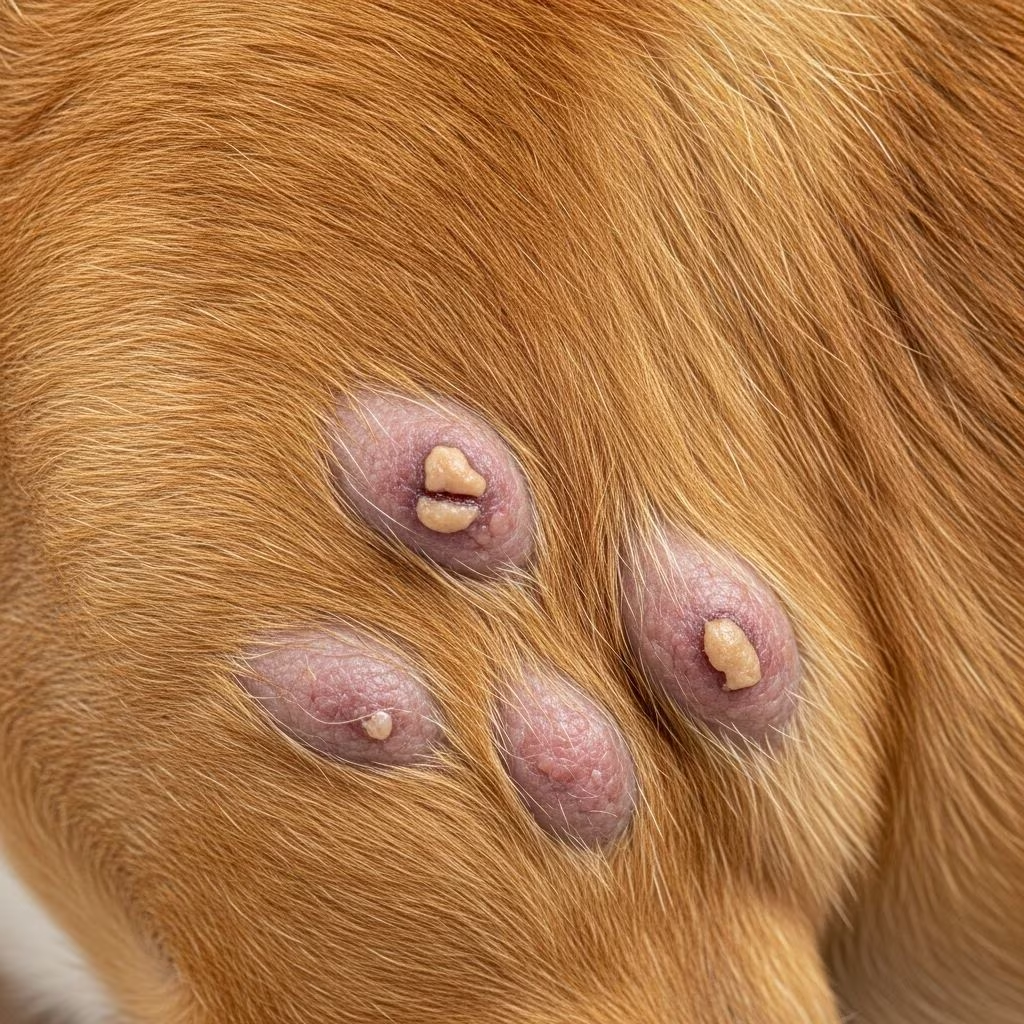
Understanding Panniculitis in Dogs
Panniculitis is an inflammatory condition affecting the panniculus, which is the layer of fatty tissue that lies beneath the skin in dogs. This condition can develop in dogs of any age, breed, or gender, though certain breeds may show predisposition to specific types. The inflammation of the subcutaneous fat layer can lead to various clinical manifestations, ranging from mild to severe, and requires proper veterinary diagnosis and management to prevent complications.
What is the Panniculus?
The panniculus is the deepest layer of the skin, composed primarily of adipose tissue (fat). This fatty layer serves several important functions in dogs, including insulation, energy storage, and protection of underlying muscles and organs. When inflammation occurs within this tissue, it can cause significant discomfort and systemic effects in affected dogs. Understanding the structure and function of the panniculus is essential for comprehending how panniculitis develops and why it requires treatment.
Types of Panniculitis in Dogs
Panniculitis can be classified into several types based on its underlying cause and histological characteristics. The two primary categories are sterile panniculitis and infectious panniculitis. Sterile panniculitis, also known as immune-mediated panniculitis, occurs without bacterial or fungal infection and is typically managed with immunosuppressive therapy. Within sterile panniculitis, several subtypes exist, including nodular panniculitis, lupoid panniculitis, and pancreatic panniculitis, each with distinct characteristics and treatment approaches.
Sterile Nodular Panniculitis (SNP)
Sterile nodular panniculitis is one of the most common forms of immune-mediated panniculitis in dogs. This condition is characterized by the development of firm nodules within the subcutaneous tissue and is typically managed with immunomodulatory or immunosuppressive treatments. SNP has been reported to serve as a cutaneous marker of underlying systemic disease in some cases. Dogs with SNP present with visible dermatological nodules that may or may not have draining tracts, though in typical presentations, all affected dogs have palpable dermatological abnormalities.
Pyogranulomatous Panniculitis
Pyogranulomatous panniculitis represents an atypical presentation of immune-mediated disease in dogs. This form involves septal inflammation with moderate numbers of macrophages and neutrophils, along with fewer eosinophils, mast cells, lymphocytes, and plasma cells within the panniculus. In some cases, dogs with pyogranulomatous panniculitis may present with ionized hypercalcemia and without visible gross dermatological lesions, making diagnosis challenging.
Lupoid Panniculitis
Lupoid panniculitis is another form of sterile panniculitis that shares similar histological features with nodular panniculitis. This type may be associated with systemic lupus erythematosus or other autoimmune conditions and requires careful differential diagnosis.
Pancreatic Panniculitis
Pancreatic panniculitis occurs as part of pancreatitis, pancreatic necrosis, or pancreatic enzyme leakage into subcutaneous tissues. This condition is part of the pancreatitis, panniculitis, and polyarthritis (PPP) syndrome, which is a rare but potentially life-threatening systemic manifestation involving painful nodules on distal extremities and can be associated with severe pancreatic disease.
Causes of Panniculitis
The causes of panniculitis in dogs are diverse and can be categorized into immune-mediated and infectious etiologies. Understanding the underlying cause is crucial for appropriate treatment selection.
Immune-Mediated Causes
Immune-mediated panniculitis represents a significant portion of panniculitis cases in dogs. These cases involve sterile inflammation without infectious agents and are thought to result from abnormal immune responses. Immune-mediated panniculitis should remain a differential diagnosis for hypercalcemia in dogs, as some cases present with elevated serum calcium levels despite absence of infection. Possible immune-mediated triggers include underlying systemic diseases, genetic predisposition, and environmental factors.
Traumatic Causes
Traumatic panniculitis can result from penetrating injuries that introduce foreign material or infectious agents into subcutaneous tissues. In rare cases, sterile traumatic panniculitis may develop without microbial involvement, typically following feather picking injuries in birds or similar trauma in other species.
Infectious Causes
Infectious panniculitis can develop secondary to bacterial, fungal, or other microbial infections of the subcutaneous tissue. These cases typically present with more acute signs and may include systemic symptoms such as fever and lethargy.
Metabolic and Nutritional Causes
Certain metabolic conditions, such as vitamin E deficiency, can predispose dogs to panniculitis development. Additionally, pancreatic enzyme leakage associated with pancreatitis represents another important metabolic cause.
Clinical Signs and Symptoms
Dogs with panniculitis may present with a variety of clinical signs depending on the type and severity of the condition. Common clinical manifestations include:
Cutaneous Lesions: Most commonly, dogs develop firm, painful nodules in the subcutaneous tissue. These nodules may appear over the dorsum, flanks, and cervical region. In some cases, lesions may have draining tracts with purulent or hemorrhagic discharge. However, in atypical presentations, significant dermatological disease may occur without visible skin abnormalities, with disease only detected through advanced imaging such as computed tomography.
Systemic Symptoms: Dogs may exhibit systemic signs including fever, lethargy, anorexia, and weight loss. Lymph node enlargement may be palpable in some cases.
Associated Findings: Some dogs with immune-mediated panniculitis may present with hypercalcemia, elevated inflammatory markers, or hematological abnormalities such as lymphopenia and non-regenerative anemia.
Pain and Discomfort: Affected dogs may show signs of pain upon palpation of affected areas, though in some cases, lesions may not elicit pain responses.
Diagnosis of Panniculitis
Accurate diagnosis of panniculitis requires a combination of clinical assessment, laboratory testing, imaging studies, and histopathological examination.
Physical Examination
A thorough physical examination should include careful palpation of the skin and subcutaneous tissues to identify any nodules, swelling, or draining tracts. The location, size, and characteristics of lesions should be documented.
Laboratory Testing
Laboratory evaluation typically includes a complete blood count, serum biochemistry profile, and urinalysis. Specific testing may reveal lymphopenia, anemia, hypercalcemia, elevated inflammatory markers such as C-reactive protein, or other abnormalities suggesting systemic involvement.
Imaging Studies
Contrast-enhanced computed tomography (CECT) is valuable for detecting panniculitis, particularly in cases where gross dermatological lesions are not evident. CECT reveals diffuse, multifocal, hyperattenuating patchy areas in the subcutaneous tissue throughout the trunk, facilitating diagnosis of panniculitis that might otherwise be missed.
Histopathological Examination
Definitive diagnosis of panniculitis requires histopathological examination of full-thickness skin biopsies. Multiple punch biopsies should be obtained from affected areas to provide adequate tissue samples. Histological examination reveals the type of inflammatory infiltrate and helps differentiate between sterile and infectious panniculitis. Special stains such as periodic acid-Schiff (PAS), Ziehl-Neelsen (ZN), and Fite-Faraco (FF) stains should be performed to exclude fungal and bacterial infections.
Treatment Approaches
The treatment of panniculitis depends on the underlying cause and type of panniculitis identified.
Immunosuppressive Therapy
For immune-mediated panniculitis, immunosuppressive medications form the cornerstone of treatment. Prednisolone is commonly used as the primary immunosuppressive agent, administered initially at higher doses followed by gradual tapering. Complete clinical and biochemical remissions can be observed after starting appropriate immunosuppressive therapy, supporting immune-mediated etiology. Dosage and duration depend on individual case response and severity.
Supportive Care
Dogs presenting with severe systemic signs may require hospitalization and supportive care. Intravenous fluid therapy with sodium chloride solution may be necessary for dogs with electrolyte abnormalities or hypercalcemia. Additional medications such as antiemetics may be administered to manage associated symptoms.
Infectious Agent Management
If bacterial or fungal infection is identified, appropriate antimicrobial therapy should be initiated based on culture and sensitivity results.
Long-term Monitoring
Follow-up examinations are essential to monitor treatment response and assess for potential complications. Repeat laboratory testing and imaging may be performed to confirm clinical and biochemical remission. Some dogs may develop calcinosis cutis during or after immunosuppressive therapy, which typically resolves following discontinuation of prednisolone and achievement of long-term remission.
Prognosis and Long-term Outcomes
The prognosis for panniculitis varies depending on the underlying cause and type of panniculitis. Dogs with sterile, immune-mediated panniculitis that respond to immunosuppressive therapy generally have a favorable prognosis, with long-term follow-up studies confirming sustained clinical and biochemical remission in many cases. However, some dogs may require prolonged or periodic immunosuppressive therapy to maintain remission.
Frequently Asked Questions
Q: Can panniculitis be cured in dogs?
A: With appropriate treatment, many dogs with immune-mediated panniculitis achieve complete remission and sustained clinical recovery. However, some cases may require long-term management or periodic therapy to maintain remission.
Q: Is panniculitis contagious?
A: No, immune-mediated panniculitis is not contagious. It is an inflammatory condition related to the dog’s immune system, not infectious agents. Infectious panniculitis may occasionally be transmissible depending on the causative organism, but sterile forms are never contagious.
Q: How long does treatment typically last?
A: Treatment duration varies depending on individual response. Initial immunosuppressive doses are typically continued for several weeks, then tapered gradually over months. Some dogs may require treatment for several months to achieve remission.
Q: What is the cost of diagnosing and treating panniculitis?
A: Costs vary widely depending on diagnostic procedures performed and treatments required. Imaging studies like CT scans and histopathological examinations can be expensive. Long-term immunosuppressive therapy adds to overall treatment costs.
Q: Can panniculitis recur after treatment?
A: Yes, panniculitis can potentially recur in some dogs. Close monitoring and follow-up care are important to detect any signs of recurrence early and adjust treatment accordingly.
References
- Immune-mediated pyogranulomatous panniculitis with hypercalcemia in a dog — National Institutes of Health, National Center for Biotechnology Information. 2024-06-15. https://pmc.ncbi.nlm.nih.gov/articles/PMC11195500/
- Sterile traumatic panniculitis in a captive Brent goose — National Institutes of Health, National Center for Biotechnology Information. 2020-03-31. https://pmc.ncbi.nlm.nih.gov/articles/PMC7081512/
- Canine sterile nodular panniculitis: a retrospective study of 39 dogs — Veterinary Dermatology, Wiley Online Library. 2015-08-18. https://onlinelibrary.wiley.com/doi/abs/10.1111/vde.12247
- Pancreatitis, panniculitis, and polyarthritis syndrome in a dog — SAGE Journals. 2024-09-10. https://journals.sagepub.com/doi/10.1177/10406387241267870



