

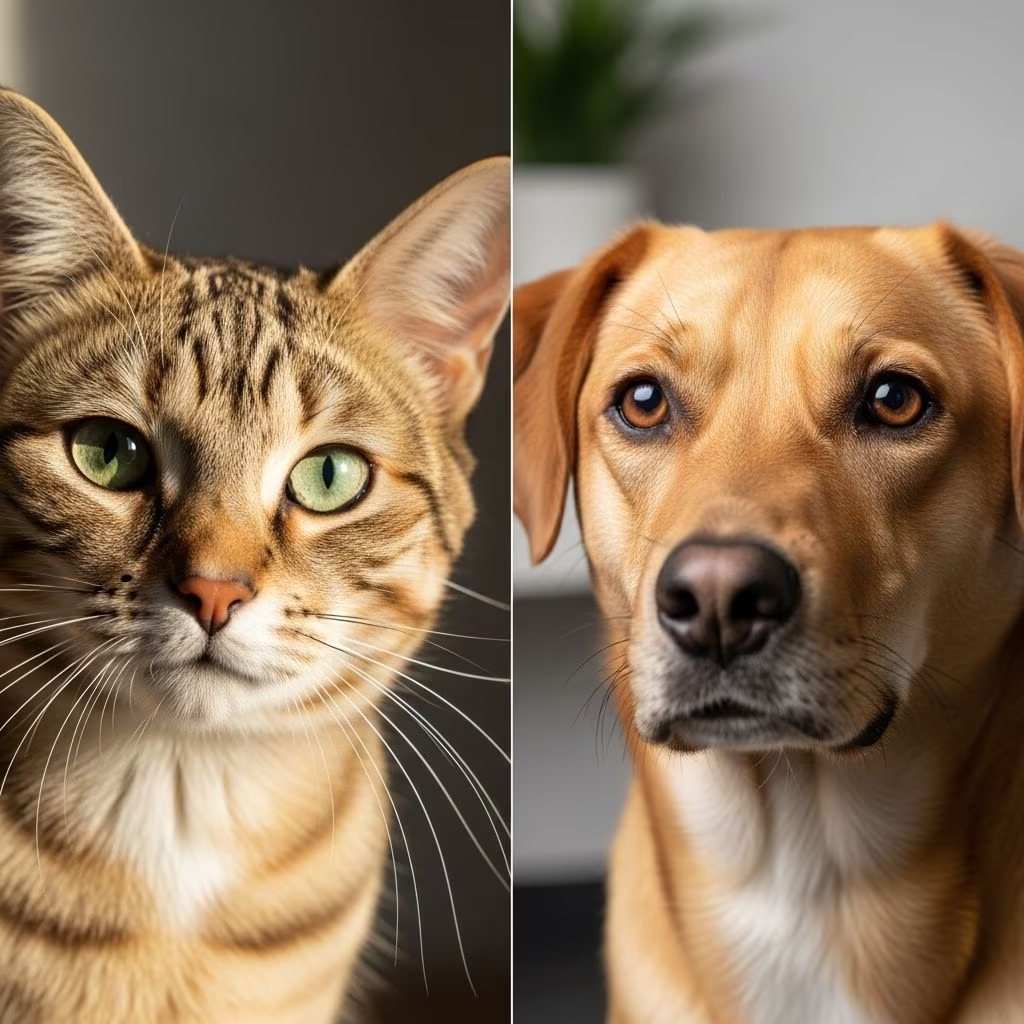
Pancreatitis occurs when the pancreas becomes inflamed, disrupting its vital role in digestion and blood sugar regulation. This condition affects both dogs and cats, ranging from mild cases with subtle symptoms to severe episodes that threaten life. Early recognition and intervention are key to recovery, as supportive therapies can significantly improve prognosis.
Understanding the Pancreas and Its Functions
The pancreas is a dual-purpose organ located near the stomach and small intestine. Its exocrine component produces digestive enzymes that break down fats, proteins, and carbohydrates, while the endocrine part secretes hormones like insulin and glucagon to manage glucose levels. Inflammation, or pancreatitis, can impair these functions, leading to poor nutrient absorption, pain, and metabolic imbalances.
In dogs, the pancreas is particularly susceptible to acute flares triggered by dietary excesses, whereas cats often experience a more chronic, insidious form intertwined with other gastrointestinal issues. Veterinary sources emphasize that while the exact mechanisms vary, premature activation of digestive enzymes within the pancreas itself initiates a destructive cycle of autodigestion.
Risk Factors and Common Triggers
Several factors predispose pets to pancreatitis. In dogs, high-fat meals, such as table scraps or garbage scavenging, are frequent culprits, causing enzyme overload. Breeds like Miniature Schnauzers, Yorkshire Terriers, and Poodles show higher incidence due to genetic tendencies toward hyperlipidemia—elevated blood fats.
Cats face risks from concurrent conditions like inflammatory bowel disease, liver issues, or diabetes. Obesity, certain medications (e.g., corticosteroids), trauma, and infections also contribute across species. Hypercalcemia (high blood calcium) and endocrine disorders like hypothyroidism in dogs further elevate susceptibility. Preventive measures include maintaining ideal body weight and avoiding fatty foods.
Recognizing Symptoms: Acute vs. Chronic Forms
Symptoms depend on severity and type. Acute pancreatitis presents dramatically with intense abdominal pain, evident as a hunched posture, reluctance to move, or vocalizing when touched. Common signs include:
- Repeated vomiting
- Lethargy and weakness
- Loss of appetite (anorexia)
- Diarrhea, often greasy
- Dehydration signs like sunken eyes and dry gums
- Fever or hypothermia in severe cases
In cats, symptoms are subtler: prolonged inappetence, weight loss, dehydration, and occasional jaundice (yellowing of skin/eyes). Chronic pancreatitis manifests as recurring mild episodes with vague signs like intermittent diarrhea, poor coat quality, or diabetes-like polyuria/polydipsia.
| Species | Acute Signs | Chronic Signs |
|---|---|---|
| Dogs | Vomiting, severe pain, shock | Recurrent GI upset, weight loss |
| Cats | Lethargy, anorexia, dehydration | Weight loss, vague malaise |
Diagnostic Approaches in Veterinary Practice
Diagnosis integrates history, physical exam, and targeted tests, as no single marker is definitive. Bloodwork reveals elevated pancreatic enzymes: lipase immunoreactivity (fPLI or Spec cPL for dogs; Spec fPL for cats) offers high specificity. Amylase and lipase may rise but are less reliable due to non-pancreatic influences.
Imaging is crucial: abdominal ultrasound detects pancreatic enlargement, edema, or fluid accumulation, while radiographs rule out obstructions. In ambiguous cases, advanced tests like CT scans or exploratory surgery may be needed. Concurrent issues like hypertriglyceridemia require lipid panels.
Immediate Treatment Strategies
Treatment prioritizes stabilization through supportive care. The core pillars are:
- Fluid Therapy: IV fluids correct dehydration, restore electrolytes, and support organ perfusion. Calculate deficits (e.g., 5-10% body weight loss) and add maintenance plus ongoing losses.
- Pain Control: Analgesics like opioids (fentanyl, buprenorphine) or gabapentin manage excruciating discomfort. Multimodal approaches enhance efficacy.
- Antiemetics: Maropitant (Cerenia), ondansetron prevent vomiting and nausea, improving appetite.
- Nutrition: Withhold food initially (12-48 hours), then introduce low-fat diets for dogs (<20g fat/1000kcal) or highly digestible ones for cats. Feeding tubes bypass GI rest if prolonged anorexia occurs.
Hospitalization lasts 2-4 days for monitoring in moderate cases; severe ones demand ICU-level intervention.
Targeted Therapies and New Developments
For dogs, fuzapladib sodium (Panoquell-CA1) represents a breakthrough: this LFA-1 antagonist (0.4 mg/kg IV daily for 3 days) curbs inflammation and has FDA conditional approval. It’s administered post-diagnosis to halt enzyme leakage and multi-organ damage.
“Fuzapladib sodium has received conditional approval by the FDA for the treatment of clinical signs of acute pancreatitis in dogs.”
Antibiotics are reserved for confirmed infections; immunosuppressants like cyclosporine aid refractory chronic cases.
Nutritional Management for Long-Term Recovery
Diet is pivotal. Dogs thrive on prescription low-fat formulas post-discharge, trialed for 4-6 weeks. Cats benefit from moderate fat restriction and stress-reduction feeding strategies. Appetite stimulants—capromorelin (3 mg/kg dogs, 2 mg/kg cats) or mirtazapine (cats)—encourage eating. Home monitoring includes tracking stool quality and weight.
Prognosis and Potential Complications
Mild cases boast 80-90% recovery with prompt care; severe ones carry 20-50% mortality from shock, disseminated intravascular coagulation (DIC), or acute respiratory distress. Chronic forms risk exocrine pancreatic insufficiency (EPI, requiring enzyme supplements) or diabetes mellitus. Regular vet check-ups mitigate recurrence.
Prevention Tips for Pet Owners
- Feed balanced, species-appropriate diets; avoid human foods.
- Maintain healthy weight via portion control and exercise.
- Screen for breed predispositions with annual bloodwork.
- Manage comorbidities like hyperlipidemia medically.
Frequently Asked Questions (FAQs)
What triggers pancreatitis in my dog?
High-fat meals, obesity, genetics, and certain drugs are primary triggers.
Can cats have pancreatitis without vomiting?
Yes, many present only with lethargy and appetite loss.
Is surgery ever needed?
Rarely, only for abscesses or necrosis unresponsive to medical therapy.
How long does recovery take?
Mild cases: days to weeks; severe: weeks to months with diet changes.
Can pancreatitis recur?
Yes, up to 30% in dogs; lifelong management reduces risk.
References
- Pancreatitis in Cats: Symptoms & Treatment — VCA Animal Hospitals. 2023. https://vcahospitals.com/know-your-pet/pancreatitis-in-cats
- Pancreatitis in Dogs and Cats — VetSpecialists.com. 2020-04-09. https://www.vetspecialists.com/vet-blog-landing/animal-health-articles/2020/04/09/pancreatitis-in-dogs-and-cats
- Pancreatitis in Dogs and Cats – Digestive System — MSD Veterinary Manual. 2023. https://www.msdvetmanual.com/digestive-system/the-exocrine-pancreas/pancreatitis-in-dogs-and-cats
- Pancreatitis in Dogs: How to Spot It and Get It Treated — WebMD Pets. 2023. https://www.webmd.com/pets/dogs/dog-pancreatitis-symptoms-and-treatment
- Feline Pancreatitis — Cornell University College of Veterinary Medicine. 2023. https://www.vet.cornell.edu/departments-centers-and-institutes/cornell-feline-health-center/health-information/feline-health-topics/feline-pancreatitis



