

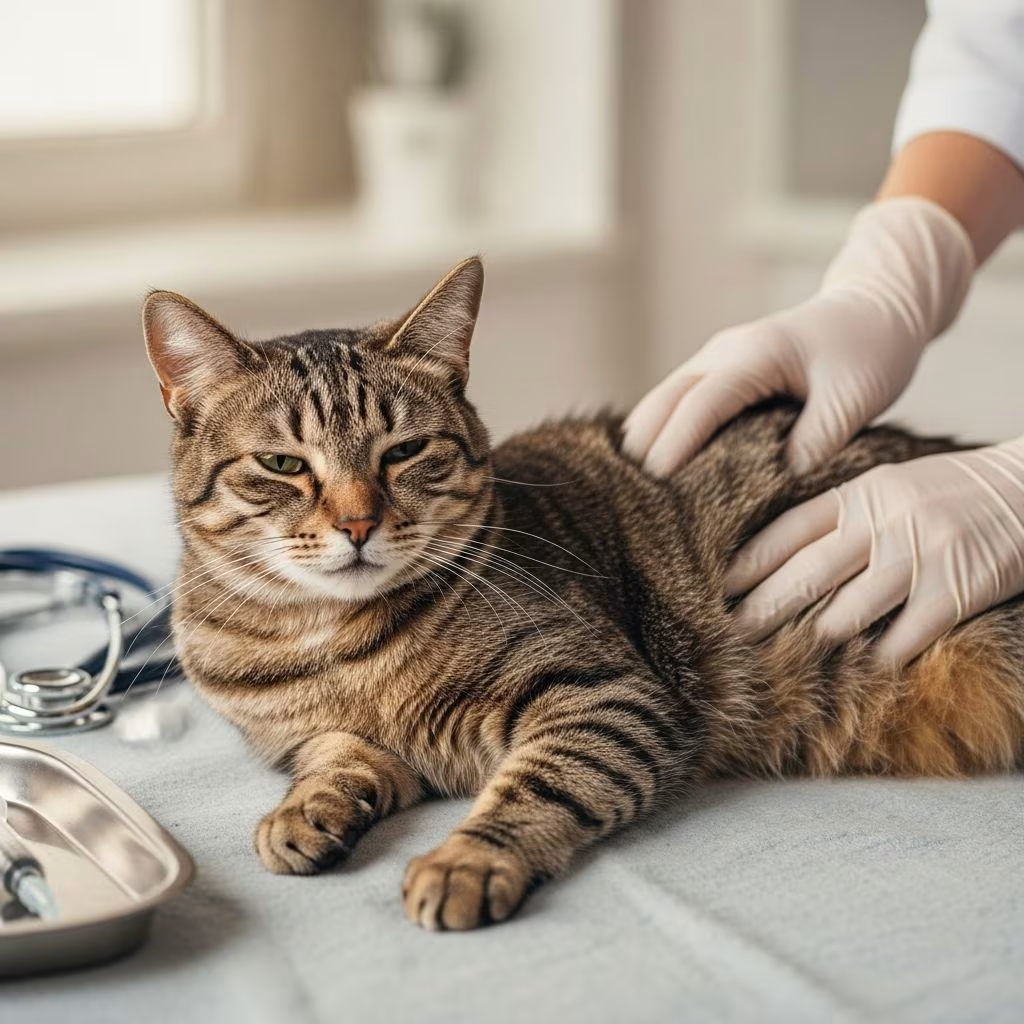
Pancreatitis in cats is an inflammation of the pancreas, a vital organ near the stomach and intestines that produces digestive enzymes and hormones like insulin. This condition can be acute or chronic, often presenting with nonspecific symptoms that challenge early detection. Cats frequently suffer silently, making owner vigilance crucial for timely intervention. Unlike in dogs, feline pancreatitis is insidious, sometimes linked to concurrent diseases like inflammatory bowel disease (IBD) or cholangitis, forming a ‘triaditis’ complex.
What Is the Pancreas?
The pancreas plays a dual role in feline health: its exocrine function releases digestive enzymes to break down fats, proteins, and carbohydrates in the small intestine, while its endocrine function secretes insulin and glucagon to regulate blood sugar. Located alongside the duodenum and near the liver, any inflammation disrupts these processes, leading to pain, digestion issues, and potential systemic complications. In cats, the pancreas is diffusely embedded, complicating surgical access and diagnosis.
Symptoms of Pancreatitis in Cats
Pancreatitis symptoms in cats are often vague and nonspecific, varying by severity. Acute cases show more obvious signs, while chronic forms wax and wane, delaying recognition. Common symptoms include:
- Lethargy and weakness: Cats appear tired, hiding more or moving less.
- Anorexia (loss of appetite): Refusal to eat for 24+ hours is a red flag.
- Vomiting and nausea: Intermittent or persistent, sometimes with dehydration.
- Abdominal pain: Subtle signs like hunched posture, tense belly, or reluctance to jump.
- Weight loss and dehydration: Especially in chronic cases.
- Diarrhea or soft stools: Due to poor digestion.
- Fever, hypothermia, or icterus (jaundice): Indicating severity or concurrent issues.
Owners should contact a vet if vomiting exceeds twice daily or anorexia persists beyond 24 hours. Physical exam may reveal dehydration or pain on palpation.
Causes of Pancreatitis in Cats
The exact causes of feline pancreatitis remain elusive in many cases, classified as idiopathic. Known triggers include:
- High-fat meals: Though less common than in dogs.
- Trauma or surgery: Abdominal injury can inflame the pancreas.
- Infections: Bacterial, viral, or parasitic.
- Medications or toxins: Certain drugs like organophosphates.
- Concurrent diseases: Triaditis (pancreatitis + IBD + liver disease) affects up to 50% of cases.
- Hyperlipidemia or diabetes: Metabolic links.
Chronic pancreatitis may stem from repeated acute episodes, leading to fibrosis. Risk factors include middle-aged to older cats, Siamese breed predisposition, and obesity.
Diagnosis of Pancreatitis in Cats
Diagnosing pancreatitis is challenging due to nonspecific signs mimicking other illnesses. Vets integrate history, exam, and tests.
Diagnostic Tests
| Test | Purpose | Details |
|---|---|---|
| Physical Exam | Assess pain, dehydration | Palpation for abdominal tenderness |
| Blood Tests (CBC, Chemistry, fPLI) | Detect inflammation, lipase elevation | SPEC-fPLI >5.3 µg/L suggestive; also checks liver/kidney function |
| Ultrasound | Visualize pancreas | Shows enlargement, hypoechoic areas; gold standard |
| X-rays | Rule out differentials | Less specific for pancreas |
| Biopsy | Confirm histology | Rare, via surgery or endoscopy |
Mild cases may rely on suspicion if tests are inconclusive. Concurrent diseases require expanded testing.
Treatment for Pancreatitis in Cats
No specific cure exists; treatment is supportive, targeting symptoms and causes. Goals: hydration, pain/nausea control, nutrition.
- IV Fluids: Correct dehydration/electrolytes; hospitalization for severe cases.
- Anti-nausea (Antiemetics): Maropitant (Cerenia) reduces vomiting, aids appetite.
- Pain Management: Buprenorphine or opioids.
- Nutrition: Appetite stimulants, feeding tubes if needed; low-fat diet post-recovery.
- Anti-inflammatories: Corticosteroids for chronic cases or triaditis.
- Antibiotics: If infection suspected.
Mild cases manage outpatient; severe require 3-7 days hospitalization. Early treatment improves prognosis.
Recovery and Management
Recovery varies: mild cases resolve in days; chronic needs lifelong management. Monitor appetite, provide quiet rest, small frequent low-fat meals. Recheck bloodwork in 7-14 days. Chronic cats may need probiotics or microbiome testing for gut support. Complications like diabetes or exocrine insufficiency require ongoing care.
Prognosis for Cats with Pancreatitis
Prognosis is good for mild-moderate cases with prompt care (80-90% recovery). Severe acute or chronic forms have guarded outlook due to complications. Factors: early detection, concurrent diseases. Most cats improve with supportive therapy.
Prevention of Pancreatitis in Cats
Prevention focuses on risk reduction:
- Maintain ideal weight, avoid fatty scraps.
- Regular vet check-ups for early detection.
- Manage concurrent conditions like diabetes.
- Balanced diet, hydration encouragement.
No guaranteed prevention, but healthy lifestyle minimizes risks.
Frequently Asked Questions (FAQs)
What are the first signs of pancreatitis in cats?
Lethargy, anorexia, vomiting, and abdominal pain are common early signs.
Can cats recover from pancreatitis?
Yes, most recover with supportive care, especially if treated early.
Is pancreatitis in cats fatal?
Not typically; mild cases have excellent prognosis, severe ones riskier.
How is pancreatitis diagnosed in cats?
Via blood tests (fPLI), ultrasound, and clinical signs.
What diet is best for cats with pancreatitis?
Low-fat, highly digestible under vet guidance.
References
- Pancreatitis in cats — International Cat Care. 2023. https://icatcare.org/articles/pancreatitis-in-cats
- Pancreatitis in Cats: A Silent Killer — Animal Biome. 2024. https://www.animalbiome.com/blogs/pet-health/pancreatitis-in-cats-a-silent-killer
- Pancreatitis in Cats — Timberline Veterinary Emergency and Specialty. 2024. https://tves.vet/blog/pancreatitis-in-cats/
- Pancreatitis in Cats — PetMD. 2025-01-10. https://www.petmd.com/cat/conditions/endocrine/c_ct_pancreatitis
- Pancreatitis in Dogs and Cats — Merck Veterinary Manual. 2024. https://www.merckvetmanual.com/digestive-system/the-exocrine-pancreas/pancreatitis-in-dogs-and-cats
- Feline Pancreatitis — Cornell University College of Veterinary Medicine. 2023. https://www.vet.cornell.edu/departments-centers-and-institutes/cornell-feline-health-center/health-information/feline-health-topics/feline-pancreatitis
- ACVIM consensus statement on pancreatitis in cats — PMC (PubMed Central). 2021-03-26. https://pmc.ncbi.nlm.nih.gov/articles/PMC7995362/



