

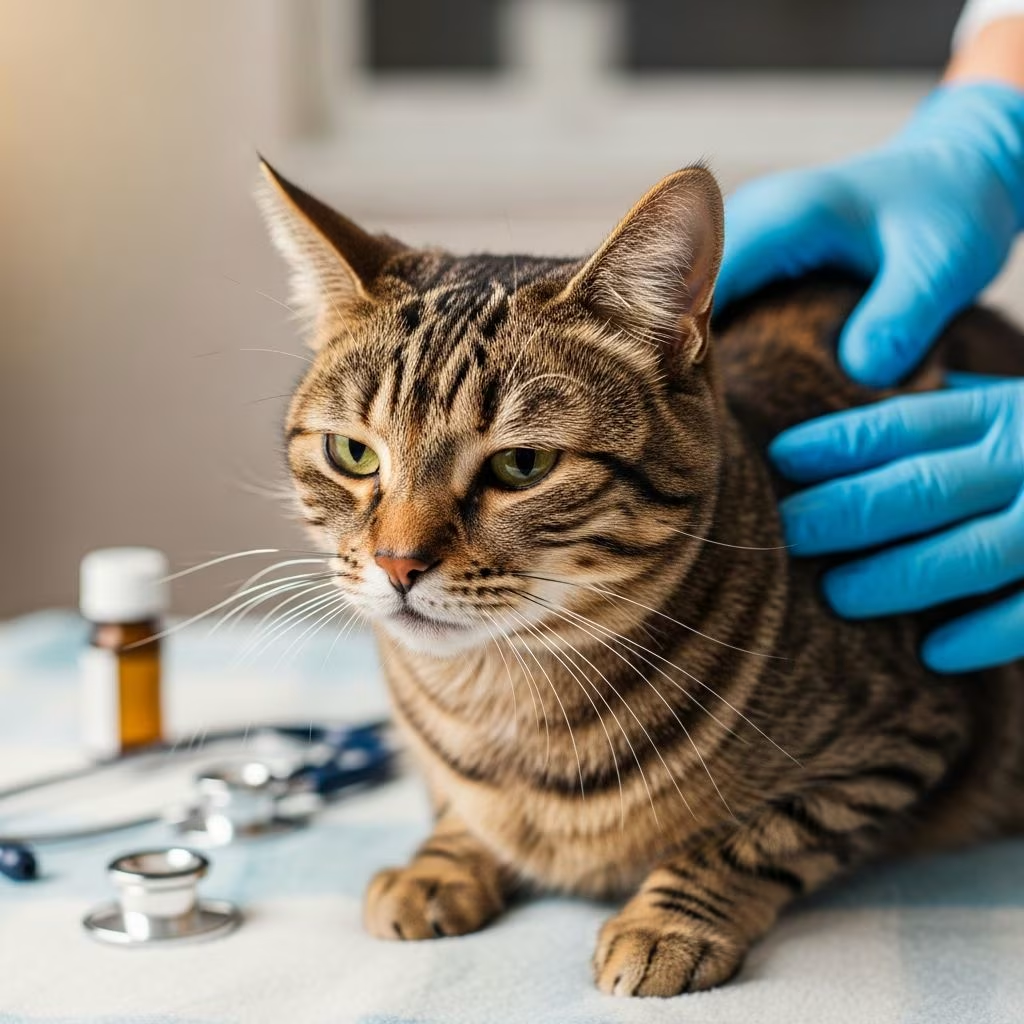
Pancreatitis occurs when the pancreas, a vital organ behind the stomach responsible for producing digestive enzymes and hormones like insulin, becomes inflamed in cats. This condition can range from mild to life-threatening, often presenting subtle signs that cat owners might overlook. Understanding its impact is crucial for timely intervention and better outcomes.
Recognizing the Signs of Pancreatic Inflammation
Cats with pancreatitis typically show nonspecific symptoms that mimic other gastrointestinal issues. Common indicators include persistent vomiting, which may contain food, bile, or foam, and profound lethargy where the cat appears weak or uninterested in usual activities. Loss of appetite is nearly universal, leading to rapid weight loss if prolonged.
- Abdominal discomfort: Cats may hunch their back, adopt a praying position with front legs extended and rear end elevated, or resist being touched around the belly.
- Dehydration signs: Sunken eyes, dry gums, and reduced skin elasticity signal fluid loss from vomiting and poor intake.
- Fever or hypothermia: Body temperature fluctuations occur as inflammation affects regulation.
- Diarrhea: Loose stools or oily feces may appear due to impaired fat digestion.
- Behavioral changes: Increased hiding, vocalizing in pain, or reluctance to jump indicate distress.
These symptoms can escalate quickly, especially in acute cases, making veterinary attention essential upon noticing clusters of signs.
Unraveling the Causes Behind Feline Pancreatitis
Pinpointing the exact trigger for pancreatitis in cats remains challenging, as many cases are idiopathic. However, several risk factors consistently emerge from veterinary research. Concurrent conditions like inflammatory bowel disease (IBD) frequently coincide with pancreatic issues, suggesting shared inflammatory pathways.
| Risk Factor | Description | Impact |
|---|---|---|
| Inflammatory Bowel Disease (IBD) | Chronic gut inflammation often parallels pancreatic flares. | Heightens susceptibility; common in triaditis. |
| Diabetes Mellitus | Altered metabolism stresses the pancreas. | Increases episode frequency. |
| Liver Disease | Cholangitis or hepatitis links to pancreatic inflammation. | Part of inflammatory triad. |
| High-Fat Diets/Trauma | Table scraps, sudden diet shifts, or physical injury. | Triggers acute attacks. |
| Infections/Genetics | Bacterial/viral agents or breed predispositions like Siamese. | Contributes to chronic forms. |
Triaditis, involving simultaneous inflammation of the pancreas, intestines, and liver, affects up to 30-50% of cases, complicating diagnosis and management. Nutritional indiscretions, such as scavenging fatty human foods, remain a preventable culprit.
Diagnostic Approaches for Accurate Identification
Diagnosis starts with a thorough history and physical exam, focusing on symptoms and risk factors. Blood tests reveal elevated enzymes like lipase and amylase, though feline-specific assays (fPLI) offer higher specificity for pancreatic origin. Ultrasound imaging detects pancreatic swelling, edema, or structural changes, while ruling out other abdominal issues.
Advanced tools like CT scans or biopsies provide definitive confirmation in ambiguous cases. Chronic pancreatitis may show subtler changes, often linked to triaditis, requiring comprehensive panels for liver and intestinal function. Early detection hinges on owners reporting vague signs promptly.
Comprehensive Treatment Strategies
Treatment prioritizes stabilization through supportive care, tailored to severity. Mild cases may manage outpatient with medications, while severe ones demand hospitalization.
Fluid Therapy and Hydration
Intravenous (IV) or subcutaneous fluids correct dehydration, restore electrolytes, and support organ perfusion. This foundational step often yields rapid improvement within hours.
Pain Control and Anti-Nausea Measures
Pancreatic pain is intense; analgesics like buprenorphine alleviate it, enabling eating. Anti-emetics such as maropitant (Cerenia) curb vomiting and nausea, even prophylactically, boosting appetite.
Nutritional Interventions
Early feeding prevents hepatic lipidosis. Appetite stimulants (mirtazapine) encourage voluntary intake; otherwise, syringe feeding or esophagostomy tubes deliver bland, low-fat diets. Prescription gastrointestinal foods minimize pancreatic strain.
- Anti-inflammatories or corticosteroids for IBD/triaditis components.
- Antibiotics if infection suspected, like abscesses.
- Monitoring for complications like shock in hemorrhagic forms.
Hospital stays last 2-4 days typically, with home care following.
Long-Term Management and Prognosis
Acute pancreatitis responds well with prompt care, recovery in days. Chronic forms require ongoing vigilance, diet control, and periodic vet checks. Exocrine pancreatic insufficiency (EPI) from enzyme loss needs lifelong supplements; insulin-dependent diabetes may arise if beta cells are damaged.
Prognosis improves with early intervention; secondary cases (e.g., to IBD) carry guarded outlooks. Gut microbiome assessment and fecal transplants aid refractory chronic cases.
Preventive Measures for Cat Owners
Avoid high-fat treats and abrupt diet changes; opt for consistent, quality nutrition. Monitor at-risk cats (IBD, diabetic) closely. Annual wellness exams with bloodwork catch subclinical issues.
Maintain ideal weight, provide parasite control, and limit toxin exposure. Vigilance for early signs empowers owners to act decisively.
Frequently Asked Questions (FAQs)
What triggers pancreatitis in my cat?
Common triggers include IBD, high-fat meals, diabetes, trauma, and infections, though many cases lack a clear cause.
How is pancreatitis diagnosed in cats?
Via blood tests (fPLI), ultrasound, and ruling out differentials; biopsies for confirmation.
Can cats recover fully from pancreatitis?
Yes, most acute cases do with supportive care; chronic management varies.
Is a special diet needed post-pancreatitis?
Low-fat, highly digestible prescription diets reduce recurrence risk.
When should I rush my cat to the vet?
Immediately for vomiting, lethargy, appetite loss, or abdominal pain clusters.
References
- Understanding Feline Pancreatitis: Symptoms and Care — WesVet. 2023. https://wesvet.com/understanding-feline-pancreatitis-symptoms-and-care/
- What Is Pancreatitis in Cats? What Are the Signs? — Chewy. 2024. https://www.chewy.com/education/cat/health-and-wellness/pancreatitis-in-cats
- Pancreatitis in Cats: Symptoms & Treatment — VCA Animal Hospitals. 2023. https://vcahospitals.com/know-your-pet/pancreatitis-in-cats
- Pancreatitis in Cats: A Silent Killer — AnimalBiome. 2024. https://www.animalbiome.com/blogs/pet-health/pancreatitis-in-cats-a-silent-killer
- Pancreatitis in Cats — Cornell University College of Veterinary Medicine. 2023. https://www.vet.cornell.edu/departments-centers-and-institutes/cornell-feline-health-center/health-information/feline-health-topics/feline-pancreatitis
- Review of Feline Pancreatitis Part Two: Clinical Signs, Diagnosis — PMC (NCBI). 2024-01-15. https://pmc.ncbi.nlm.nih.gov/articles/PMC10845375/



