

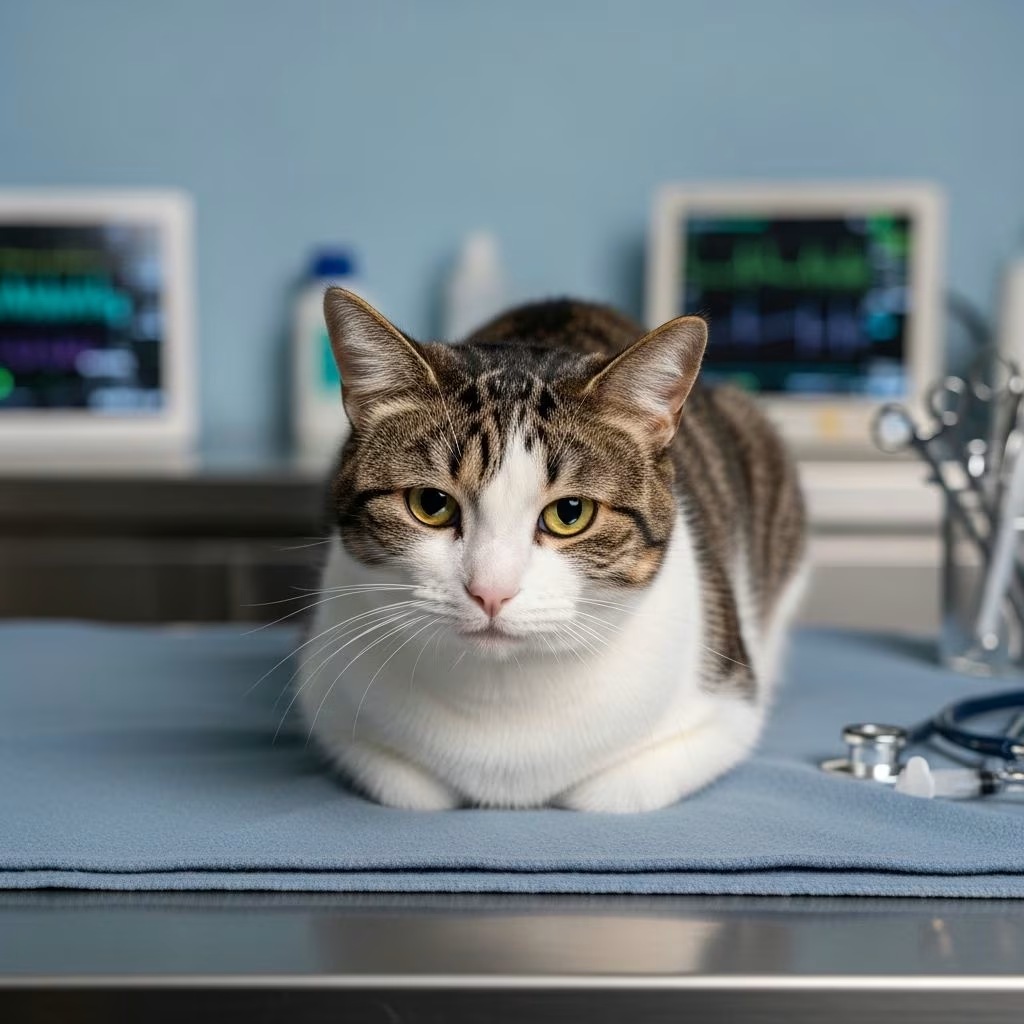
Understanding Pancreatitis in Cats
Pancreatitis is an inflammatory condition of the pancreas that affects cats of all ages and breeds. The pancreas is a vital organ responsible for producing digestive enzymes and regulating blood sugar through insulin production. When the pancreas becomes inflamed, these digestive enzymes can leak into surrounding tissues, causing significant pain and potentially leading to widespread tissue damage. Understanding this condition is crucial for cat owners, as early recognition and treatment can significantly improve outcomes.
Pancreatitis in cats differs notably from the condition in dogs. Cats tend to have subtle symptoms that can be difficult to detect, making feline pancreatitis often harder to diagnose. Chronic pancreatitis is more common in cats than acute cases, and the condition frequently occurs alongside triaditis, where the pancreas, liver, and intestines become inflamed simultaneously.
Recognizing Symptoms of Feline Pancreatitis
The clinical presentation of pancreatitis in cats can be deceptively subtle, which is why many cases go undiagnosed or are detected late. Pet owners should be alert to the following warning signs:
- Loss of appetite or decreased food intake
- Lethargy and lack of energy
- Vomiting or regurgitation
- Yellow discoloration of the skin and eyes (jaundice)
- Fever or hypothermia
- Abdominal pain or tenderness
- Weight loss
- Dehydration
- Diarrhea (less common in cats than dogs)
Many cats with pancreatitis present with nonspecific clinical signs, including anorexia, lethargy, and weight loss. The subtlety of these symptoms means that some cats may not show obvious signs of illness until the condition becomes severe. If your cat displays any combination of these symptoms, particularly persistent loss of appetite or lethargy, veterinary evaluation is essential.
Causes and Risk Factors
While the exact cause of pancreatitis in cats remains unknown in most cases, veterinarians have identified numerous potential triggers and risk factors that may contribute to the development of this condition.
Dietary Factors
Diet plays a significant role in pancreatic health. High-fat diets and obesity are considered contributing factors to feline pancreatitis. While many cases remain idiopathic (without a clear identifiable cause), cats with poor nutritional profiles appear to be at higher risk for developing pancreatic inflammation.
Underlying Medical Conditions
Several pre-existing health conditions can increase a cat’s susceptibility to pancreatitis:
- Diabetes mellitus
- Inflammatory bowel disease (IBD)
- Liver disease
- Inflammation of the bile ducts
- Feline infectious peritonitis (FIP)
- Hypercalcemia (high calcium levels in blood)
Environmental and Infectious Triggers
External factors can also trigger pancreatic inflammation in susceptible cats. Ingestion of toxic materials such as insecticides, exposure to certain medications, parasitic infections, and bacterial contamination from intestines are all documented causes. Feline distemper and toxoplasmosis have also been associated with pancreatitis development.
Trauma and Medication
Physical trauma to the abdominal area, surgical procedures involving the abdomen, and severe reactions to certain medications—including corticosteroids and chemotherapy treatments—can precipitate pancreatitis in cats. These factors highlight the importance of careful monitoring following abdominal surgery or when starting new medications.
Diagnosis of Feline Pancreatitis
Diagnosing pancreatitis in cats requires a comprehensive veterinary evaluation. Your veterinarian will begin with a thorough physical examination and review of your cat’s medical history and symptoms. Given the subtle nature of feline pancreatitis, diagnostic imaging and laboratory tests are typically necessary to confirm the diagnosis.
Blood tests can reveal elevated pancreatic enzymes and other abnormalities indicative of pancreatic inflammation. Imaging studies such as ultrasound may show changes consistent with pancreatitis. In some cases, additional testing may be required to rule out other conditions or identify underlying causes contributing to the pancreatic inflammation. Early and accurate diagnosis is critical, as prompt treatment significantly improves the prognosis for recovery.
Treatment Approaches for Feline Pancreatitis
Treatment for pancreatitis in cats focuses on managing symptoms and supporting the pancreas while it heals, as there is no specific cure for the condition itself. The therapeutic approach depends on the severity of the disease and the individual cat’s response to initial therapy.
Fluid Therapy and Electrolyte Management
One of the cornerstone treatments for pancreatitis is intravenous fluid therapy. For severe or acute cases, cats are typically hospitalized and placed on IV fluids to “rest” the pancreas by withholding oral food and fluids. These intravenous fluids serve multiple purposes: they maintain proper hydration, preserve normal electrolyte balance, correct potassium abnormalities, regulate blood sugar levels, and help flush toxins from the body.
This type of intensive fluid therapy cannot be administered at home, which is why hospitalization is often necessary for moderate to severe cases. For mild cases, outpatient management may be possible with careful veterinary monitoring.
Pain Management
Cats with pancreatitis experience significant abdominal pain, and effective pain relief is essential for their comfort and recovery. Veterinarians typically prescribe opioid pain medications such as buprenorphine or hydromorphone to manage acute pain. During hospitalization, pain medication is administered intravenously, with oral pain relievers prescribed for continued home management following discharge.
Anti-Nausea and Appetite Management
Nausea and loss of appetite are hallmark symptoms of feline pancreatitis. Anti-nausea medications are recommended even in cases where vomiting is not observed, as reduced appetite is often related to underlying nausea. Commonly prescribed anti-nausea medications include maropitant (Cerenia), which also provides pain relief, and other antiemetics.
If nausea management alone doesn’t restore appetite, appetite stimulants such as mirtazapine may be used. Mirtazapine is available as both oral tablets and as a transdermal preparation applied to the inner ear, providing flexibility in administration. Early nutritional support is critical—studies demonstrate that cats returning to eating sooner have significantly better recovery outcomes.
In severe cases where cats remain reluctant to eat despite medication, veterinarians may place feeding tubes to ensure adequate nutritional support during recovery. Cats should never be forced to eat, as this can negatively impact their appetite and overall recovery.
Nutritional Support
Proper nutrition is fundamental to managing pancreatitis. A bland, low-fat diet is the standard recommendation, allowing the pancreas time to heal without additional stress. Specialized prescription diets formulated for pancreatic health are often used for long-term management to prevent recurrence. Your veterinarian will provide specific dietary recommendations based on your cat’s individual needs and condition severity.
Supplementation
Vitamin B12 deficiency is common in cats with pancreatitis and gastrointestinal diseases. Supplementation through regular B12 injections is often recommended to address this deficiency. Additionally, cats with chronic pancreatitis that develop diabetes mellitus will require insulin therapy to manage blood sugar levels appropriately.
Medication for Secondary Complications
Depending on the individual cat’s presentation, additional medications may be prescribed. Antibiotics may be administered to prevent or treat secondary bacterial infections. Anti-inflammatory medications are sometimes used in chronic cases to manage ongoing inflammation. If diarrhea develops—though less common in cats than dogs—medications to reduce this symptom may be prescribed.
Managing Chronic Pancreatitis
Some cats develop chronic pancreatitis, which requires long-term management strategies. Chronic cases may result in fibrosis and scarring of the pancreas, leading to recurrent or persistent abdominal pain. Management involves dietary modifications, sustained pain management, immunosuppressive agents in some cases, and regular veterinary monitoring.
One significant complication of chronic pancreatitis is the potential development of diabetes mellitus if many insulin-producing cells are damaged. This condition typically requires lifelong insulin therapy and careful blood sugar monitoring. Close collaboration with your veterinarian is essential for adjusting treatment protocols as your cat’s condition evolves.
Prognosis and Recovery
The prognosis for feline pancreatitis varies depending on several factors. Mild to moderate cases often resolve completely with appropriate treatment, particularly when diagnosed early and managed aggressively. However, prognosis depends significantly on disease severity and the individual cat’s response to initial therapy.
Early intervention and treatment substantially improve outcomes. Cats that receive prompt veterinary care and begin eating early in their recovery trajectory have better long-term prognoses than those with delayed treatment. Even after recovery from mild pancreatitis, many cats require permanent dietary modifications, including low-fat meals and treats, to prevent recurrence.
Home Care and Prevention
While pancreatitis cannot always be prevented, certain measures may reduce risk. Maintaining your cat at a healthy weight through proper nutrition and exercise helps protect pancreatic health. Providing high-quality, appropriately balanced food rather than high-fat table scraps reduces digestive stress. Regular veterinary check-ups allow for early detection of underlying conditions like diabetes or inflammatory bowel disease that increase pancreatitis risk.
Following recovery, adhering to your veterinarian’s dietary recommendations is crucial. Never attempt to treat pancreatitis at home, as the condition requires professional veterinary care including intravenous fluid therapy that cannot be safely administered outside a medical setting.
Frequently Asked Questions About Feline Pancreatitis
Q: Can pancreatitis in cats be cured?
A: Sometimes, yes. Mild to moderate cases of pancreatitis often resolve completely with appropriate treatment. However, some cats develop chronic pancreatitis that requires ongoing management. The prognosis depends on disease severity and individual response to therapy.
Q: Is pancreatitis in cats contagious?
A: No, pancreatitis is not contagious between cats. However, some infectious diseases that can trigger pancreatitis, such as feline infectious peritonitis, may be transmissible. Your veterinarian can advise on specific precautions based on your cat’s condition.
Q: Can I treat my cat’s pancreatitis at home?
A: No, pancreatitis is a serious condition requiring professional veterinary care. A common treatment approach involves withholding oral food and fluids while administering intravenous fluids—a treatment that cannot be safely provided at home.
Q: What is the difference between acute and chronic pancreatitis in cats?
A: Acute pancreatitis develops suddenly with severe symptoms, while chronic pancreatitis develops gradually over time with milder, persistent symptoms. Chronic pancreatitis is more common in cats.
Q: How long does recovery from pancreatitis take?
A: Recovery timeline varies depending on disease severity. Mild cases may resolve within days to weeks with proper treatment, while severe cases may require weeks of hospitalization and ongoing care. Chronic cases require indefinite management.
Q: Will my cat need special food after pancreatitis?
A: Many cats require permanent dietary modifications following pancreatitis, including low-fat meals and specialized prescription diets to prevent recurrence and support pancreatic health.
Q: What is triaditis and how does it relate to pancreatitis?
A: Triaditis is a condition where the pancreas, liver, and intestines become inflamed simultaneously. This commonly occurs in cats with pancreatitis and complicates diagnosis and treatment due to the interconnected nature of these organs.
References
- Pancreatitis in Cats — Small Door Veterinary. 2024. https://www.smalldoorvet.com/learning-center/medical/pancreatitis-in-cats
- Feline Pancreatitis — Cornell University College of Veterinary Medicine. 2024. https://www.vet.cornell.edu/departments-centers-and-institutes/cornell-feline-health-center/health-information/feline-health-topics/feline-pancreatitis
- Pancreatitis in Dogs and Cats: Symptoms, Treatment, and Prevention — Paws and Claws Veterinary Clinic. 2025-03-09. https://pawsnclawsvet.sg/2025/03/09/pancreatitis-dogs-cats-symptoms-treatment-prevention/
- Pancreatitis in Dogs and Cats – Digestive System — MSD Veterinary Manual. 2024. https://www.msdvetmanual.com/digestive-system/the-exocrine-pancreas/pancreatitis-in-dogs-and-cats
- Pancreatitis In Cats: Signs, Causes And Treatment — Hill’s Pet Nutrition. 2024. https://www.hillspet.co.za/cat-care/healthcare/pancreatitis-in-cats-symptoms-treatment
- Pancreatitis in Cats and Dogs: Signs, Diagnosis, and Treatment — MedVet. 2024. https://www.medvet.com/pancreatitis-in-pets/



