

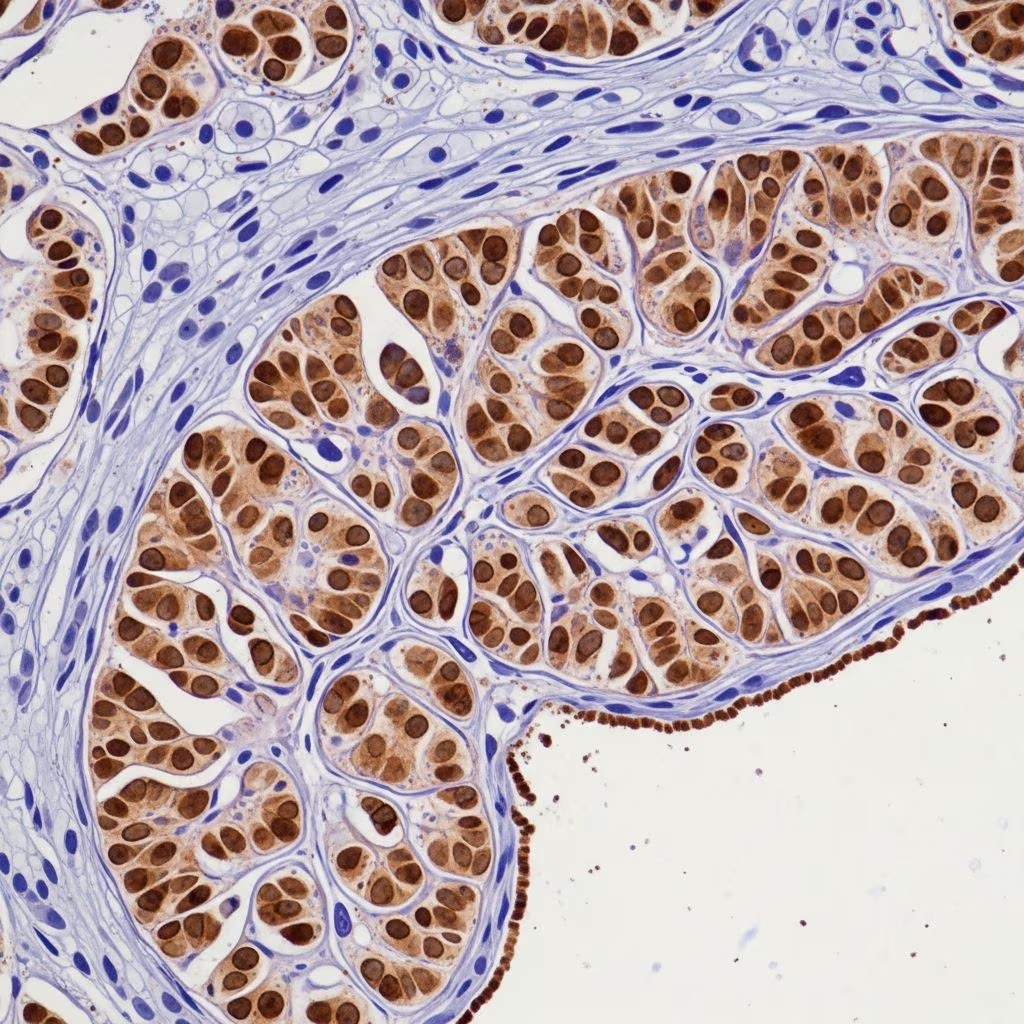
Understanding Pancreatic Lipase Immunoreactivity in Dogs
Pancreatic lipase immunoreactivity (PLI) is a specialized blood test that has revolutionized the way veterinarians diagnose pancreatitis in dogs. Unlike traditional lipase measurements that can be produced by multiple organs including the pancreas, stomach, and intestines, PLI specifically measures lipase from the pancreas alone. This targeted approach provides veterinarians with a more accurate and reliable diagnostic tool for identifying pancreatic inflammation in canine patients. Understanding this test and its results is essential for dog owners seeking to protect their pets’ health.
What Is Pancreatic Lipase Immunoreactivity?
Pancreatic lipase immunoreactivity, commonly referred to as cPLI (canine pancreatic lipase immunoreactivity), is a diagnostic marker that identifies lipase enzymes produced exclusively by the pancreas. The pancreas is a vital organ responsible for producing digestive enzymes and regulating blood sugar through insulin production. When the pancreas becomes inflamed—a condition known as pancreatitis—it releases excessive amounts of lipase into the bloodstream.
Traditional lipase testing measures total lipase levels from all sources in the body, which can lead to false positives since lipase is also produced by adipose tissue, gastric mucosa, and duodenal tissue. PLI testing eliminates this confusion by using immunoassay technology to detect only pancreatic-specific lipase, providing a clearer picture of pancreatic health.
The Advantages of PLI Testing Over Traditional Methods
Before the development of pancreatic lipase immunoreactivity assays, veterinarians relied on general lipase measurements and other less specific tests to diagnose pancreatitis. These traditional methods often produced inconclusive or misleading results. The introduction of PLI testing marked a significant advancement in veterinary diagnostics.
PLI testing offers superior sensitivity and specificity for pancreatitis compared to traditional serum tests. Multiple research studies have demonstrated that cPLI and its counterpart fPLI for cats are now considered the serum tests of choice for evaluating dogs and cats suspected of having pancreatitis. This improved accuracy helps veterinarians make confident treatment decisions and avoid unnecessary medications or procedures.
Available PLI Test Formats
Veterinarians have several options when ordering pancreatic lipase immunoreactivity tests for their canine patients. Understanding these formats helps dog owners know what to expect during their pet’s diagnostic workup.
Spec cPL is a reference laboratory test that provides detailed quantitative measurements of pancreatic lipase immunoreactivity. This test is highly accurate and is often used as the gold standard for PLI measurement. Results are typically available within several business days.
SNAP cPL is an in-clinic rapid test that provides results within minutes. This format is particularly valuable for acutely ill dogs where quick decision-making is necessary. While slightly less sensitive than Spec cPL in some cases, SNAP cPL provides reliable results that allow veterinarians to initiate early treatment protocols.
Interpreting Pancreatic Lipase Immunoreactivity Results
Proper interpretation of PLI results is crucial for accurate diagnosis. Veterinarians use standardized reference intervals to guide their clinical decisions. The results fall into three distinct categories based on the concentration measured in micrograms per liter (μg/L).
| PLI Result Range | Clinical Interpretation | Recommended Action |
|---|---|---|
| ≤ 200 μg/L | Within normal reference interval | Pancreatitis is unlikely; investigate other differential diagnoses |
| 201-399 μg/L | Questionable range | Pancreatitis is possible; retest in 2-3 weeks or pursue additional diagnostics |
| ≥ 400 μg/L | Consistent with pancreatitis | Initiate treatment; monitor with repeated testing |
Normal Results (≤ 200 μg/L)
When PLI results fall within or below the reference interval of 200 μg/L, pancreatitis is considered unlikely. In these cases, veterinarians should investigate other potential causes of the patient’s clinical signs, such as gastroenteritis, food allergies, or other gastrointestinal or systemic disorders.
Questionable Range (201-399 μg/L)
Results falling in the questionable range require careful clinical judgment. The dog may have mild or early-stage pancreatitis, or the elevation may represent a false positive. Veterinarians typically recommend repeating the test in 2-3 weeks to clarify the diagnosis. During this interval, the patient should be monitored for clinical improvement or deterioration, and other differential diagnoses should be evaluated.
Elevated Results (≥ 400 μg/L)
When PLI concentrations reach or exceed 400 μg/L, results are consistent with pancreatitis, and treatment should be initiated promptly. These patients typically benefit from supportive care including fluid therapy, pain management, and dietary modifications. Serial PLI measurements help monitor treatment response and guide therapeutic adjustments.
Clinical Presentation and Diagnosis
Dogs with pancreatitis typically present with nonspecific clinical signs that can resemble several other conditions. Common symptoms include inappetence, vomiting, abdominal pain, lethargy, and diarrhea. Some dogs may exhibit fever or signs of systemic illness. Because these signs overlap with many other diseases, PLI testing plays a critical role in narrowing the diagnostic possibilities.
The diagnostic approach to suspected pancreatitis combines multiple assessment methods. A thorough history and physical examination, combined with specific laboratory testing including PLI measurement and basic bloodwork, provides essential information. Abdominal ultrasonography offers additional diagnostic value by revealing structural changes within the pancreas and surrounding tissues, such as pancreatic enlargement, hyperechoic mesentery, or fluid accumulation.
The Progression of PLI in Acute Pancreatitis
Research has demonstrated important patterns in how PLI levels change during acute pancreatitis and treatment. Studies tracking hospitalized dogs with acute pancreatitis show that lipase activity and PLI levels decrease rapidly with appropriate treatment, often returning to normal or near-normal ranges within two days of initiating therapy in the majority of patients. Median PLI values on admission typically range from 1,111 μg/L, but by day two of treatment, approximately 46% of dogs show PLI levels within the reference interval.
This rapid normalization has important clinical implications. It suggests that PLI levels closely track disease severity and treatment response. Additionally, research shows a strong correlation between traditional lipase activity measurements and PLI—both assays yield virtually identical results when compared. This consistency reinforces the reliability of PLI testing for clinical decision-making.
Limitations and Considerations
While pancreatic lipase immunoreactivity testing is highly valuable, recognizing its limitations is important. False-positive and false-negative results can occasionally occur. Some dogs with mild or early-stage pancreatitis may have PLI levels in the questionable range, making diagnosis uncertain. Conversely, in rare cases, dogs may have clinical pancreatitis with normal or minimally elevated PLI values.
PLI elevation has also been documented in dogs with conditions other than pancreatitis, including inflammatory bowel disease, where elevated cPLI concentration has been associated with negative clinical outcomes. This underscores the importance of integrating PLI results with clinical signs, physical examination findings, and imaging studies rather than relying on any single test alone.
Because there is currently no true gold standard for antemortem diagnosis of pancreatitis in dogs, the combination of a complete history and physical examination, measurement of pancreatic lipase immunoreactivity, and ultrasonographic examination remains the best approach for accurate noninvasive diagnosis.
Risk Factors for Canine Pancreatitis
Certain factors increase a dog’s risk of developing pancreatitis. High-fat diets and dietary indiscretions—particularly consumption of fatty human foods—are common triggers for acute pancreatitis. Certain breeds appear predisposed to pancreatitis, and concurrent diseases such as obesity, diabetes, hyperlipidemia, and certain inflammatory conditions increase risk. Some medications may also trigger pancreatic inflammation in susceptible individuals.
Monitoring and Follow-Up Testing
For dogs diagnosed with acute pancreatitis based on elevated PLI results, serial monitoring provides valuable information about treatment response and disease progression. Repeat PLI measurements taken at 24-48 hour intervals during hospitalization help guide therapeutic decisions and confirm that treatment is effectively reducing pancreatic inflammation.
Dogs with chronic or recurrent pancreatitis may benefit from periodic PLI monitoring to detect early signs of disease flare-ups, allowing for preventive intervention before clinical signs develop. This proactive approach can improve long-term outcomes and quality of life.
Frequently Asked Questions
Q: What does a normal PLI result mean?
A: A normal PLI result (≤ 200 μg/L) indicates that pancreatitis is unlikely. However, if your dog is showing clinical signs consistent with pancreatic disease, your veterinarian may recommend additional testing or imaging to identify alternative diagnoses.
Q: Can PLI be elevated without pancreatitis?
A: Yes, false-positive results can occur. PLI elevation has been documented in some dogs with other conditions such as inflammatory bowel disease. This is why veterinarians integrate PLI results with clinical signs, physical examination findings, and imaging studies to reach an accurate diagnosis.
Q: How quickly does PLI return to normal with treatment?
A: In most dogs with acute pancreatitis, PLI levels decrease rapidly with appropriate treatment and often return to normal or near-normal ranges within two days of starting therapy. However, individual variation exists, and some dogs may require longer treatment periods.
Q: Should PLI testing be repeated after diagnosis?
A: Yes, serial PLI measurements help monitor treatment response and guide therapeutic adjustments. Your veterinarian may recommend repeat testing at 24-48 hour intervals during hospitalization for acute pancreatitis. Dogs with chronic or recurrent pancreatitis may benefit from periodic monitoring to detect early disease flare-ups.
Q: What is the difference between PLI and traditional lipase testing?
A: Traditional lipase testing measures total lipase from all sources including the pancreas, stomach, intestines, and fatty tissue. PLI testing uses immunoassay technology to measure only pancreatic-specific lipase, providing greater specificity and accuracy for diagnosing pancreatitis.
Q: Can a dog have pancreatitis with a normal PLI result?
A: While uncommon, it is possible for dogs with mild or very early-stage pancreatitis to have normal PLI values. This is why your veterinarian considers the complete clinical picture, including symptoms, physical examination findings, and imaging studies, rather than relying on PLI results alone.
References
- Progression of lipase activity and pancreatic lipase immunoreactivity in dogs hospitalized for acute pancreatitis and correlation with clinical features — Cueni C, Hofer-Inteeworn N, Kümmerle-Fraune C, Müller C, Kook PH. Journal of Veterinary Internal Medicine. 2023-01-01. https://doi.org/10.1111/jvim.16591
- Canine and feline pancreatic lipase immunoreactivity — American Society of Veterinary Clinical Pathology. PubMed. 2012-01-01. https://pubmed.ncbi.nlm.nih.gov/22861648/
- Pancreatic Lipase Immunoreactivity (PLI) Test Reference Intervals — Gastrointestinal Laboratory, College of Veterinary Medicine and Biomedical Sciences, Texas A&M University. 2025-01-01. https://vetmed.tamu.edu/gilab/service/assays/pli/
- Elevated canine pancreatic lipase immunoreactivity concentration in dogs with inflammatory bowel disease is associated with a negative outcome — Kathrani A, Steiner JM, Suchodolski J, Eastwood J, Syme H, Garden OA, Allenspach K. Journal of Small Animal Practice. 2009-03-01. https://doi.org/10.1111/j.1748-5827.2009.00715.x
- Serial monitoring of pancreatic lipase immunoreactivity, C-reactive protein, and other inflammatory markers in dogs with acute pancreatitis — Journal of Veterinary Internal Medicine. Wiley Online Library. 2024-01-01. https://doi.org/10.1111/jvim.17020



