
Pancreatic Issues In Cats: 8 Early Symptoms & Treatment Guide
Explore the causes, signs, diagnosis, and care strategies for pancreatic conditions affecting cats to ensure timely intervention and recovery.
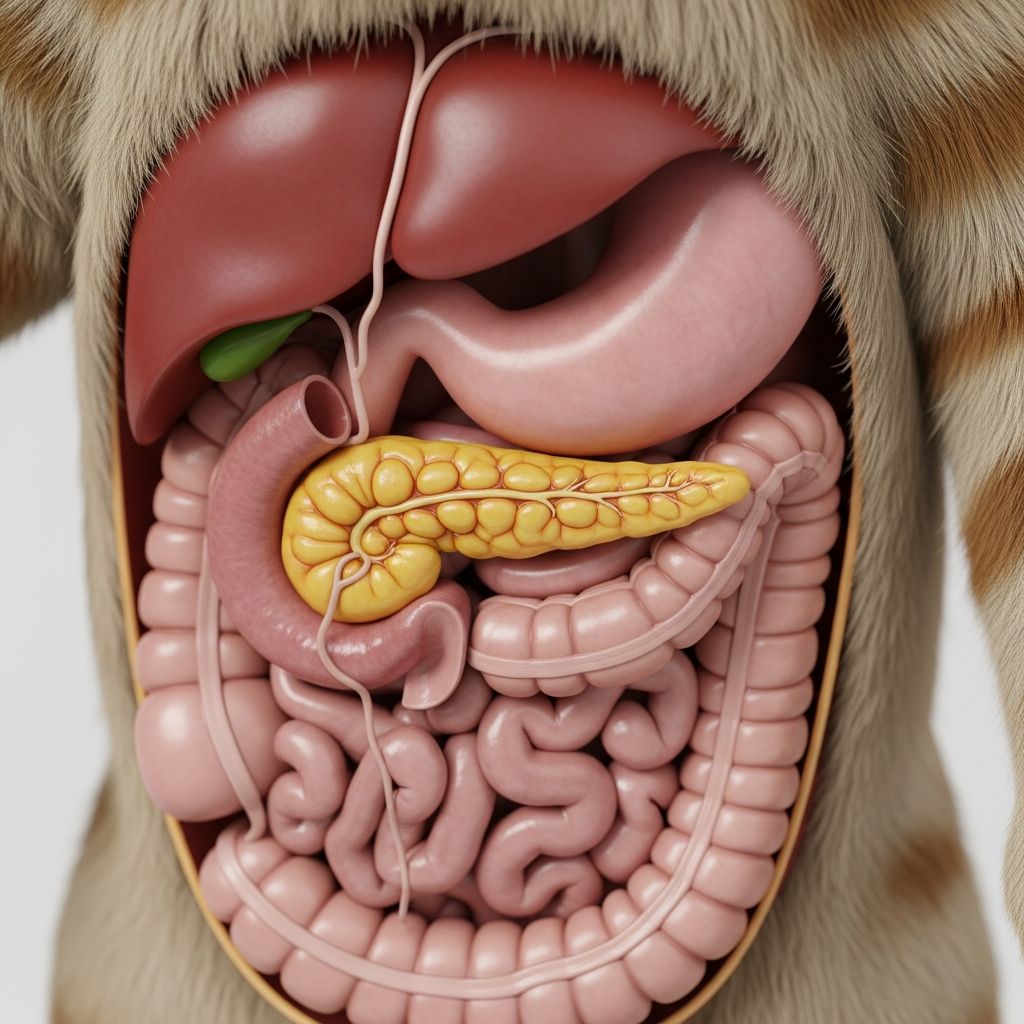
The pancreas plays a vital role in a cat’s digestive and metabolic systems, producing enzymes for food breakdown and hormones like insulin for blood sugar regulation. When this organ malfunctions, it can lead to serious health challenges. Pancreatic disorders in cats often present subtly, making early detection crucial for effective management.
Understanding the Feline Pancreas
The pancreas has two main functions: exocrine, which involves secreting digestive enzymes into the small intestine, and endocrine, which releases hormones directly into the bloodstream. Disruptions in either can cause significant issues. Inflammation, known as pancreatitis, affects the exocrine portion primarily, while exocrine pancreatic insufficiency (EPI) occurs when enzyme production fails. These conditions can overlap with other diseases like diabetes or inflammatory bowel disease (IBD).
Types of Pancreatic Disorders
Pancreatic problems in cats fall into acute and chronic categories, each with distinct characteristics.
- Acute Pancreatitis: Sudden onset with severe inflammation, often requiring immediate veterinary attention.
- Chronic Pancreatitis: Ongoing low-grade inflammation leading to gradual organ damage and recurring episodes.
- Exocrine Pancreatic Insufficiency (EPI): A condition where the pancreas cannot produce sufficient enzymes, resulting in poor nutrient absorption.
Recognizing Symptoms Early
Symptoms of pancreatic issues can be vague, mimicking other gastrointestinal problems. Common signs include:
- Lethargy and weakness.
- Loss of appetite or complete refusal to eat.
- Vomiting, sometimes with bile.
- Diarrhea, often greasy or voluminous.
- Abdominal tenderness when touched.
- Dehydration signs like sunken eyes or dry gums.
- Weight loss, especially in chronic cases.
- Jaundice (yellowing of gums, eyes, or skin) in severe instances.
In chronic pancreatitis, cats may show intermittent signs, while EPI leads to malnutrition despite normal eating habits. Owners should monitor for changes in litter box habits or coat quality.
Factors Contributing to Pancreatic Problems
The exact causes remain elusive in many cases, but several risk factors are identified:
- High-fat meals or dietary indiscretion, like scavenging fatty foods.
- Concurrent conditions such as IBD, liver disease, or diabetes mellitus.
- Trauma or surgery involving the abdomen.
- Infections, including bacterial or parasitic.
- Medications or toxins affecting pancreatic function.
- Genetic predispositions in certain breeds, though not well-defined in cats.
Unlike dogs, obesity is less commonly linked in felines, but middle-aged or older cats are more susceptible.
Diagnostic Approaches
Veterinarians use a combination of history, physical exams, and tests for accurate diagnosis. Key methods include:
| Test | Purpose | Notes |
|---|---|---|
| Ultrasound | Visualize pancreatic swelling or changes | Highly sensitive for acute cases |
| Blood Tests (fPLI) | Measure specific pancreatic lipase | Gold standard for pancreatitis confirmation |
| Trypsin-like Immunoreactivity (TLI) | Assess enzyme levels for EPI | Fasting sample required |
| Complete Blood Count/Chemistry | Check for dehydration, organ function | Rules out secondary issues |
| Abdominal Radiographs | Identify masses or fluid | Less specific for pancreas |
Diagnosis can be challenging due to overlapping symptoms with other diseases, often requiring a multimodal approach.
Treatment Strategies for Pancreatitis
Treatment focuses on supportive care to rest the pancreas, manage symptoms, and prevent complications. Hospitalization is common for acute cases.
- Fluid Therapy: Intravenous (IV) fluids correct dehydration and electrolyte imbalances, crucial for recovery.
- Pain Control: Opioids like buprenorphine alleviate discomfort.
- Anti-Nausea Medications: Drugs such as maropitant (Cerenia) reduce vomiting and improve appetite.
- Nutritional Management: Early feeding with low-fat, highly digestible diets; appetite stimulants like mirtazapine if needed.
- Anti-Inflammatories: Corticosteroids for chronic cases.
For mild cases, outpatient care with subcutaneous fluids and oral meds may suffice.
Managing Exocrine Pancreatic Insufficiency
EPI treatment revolves around enzyme replacement. Powdered or fresh pancreatic enzymes are mixed with food to aid digestion.
- Start with vet-recommended doses, adjusting based on response.
- Low-fiber, highly palatable diets support absorption.
- Monitor for side effects like mouth irritation, reducing dose if necessary.
- Supplements like vitamin B12 may be required for deficiencies.
With consistent therapy, most cats achieve normal weight and stool quality.
Home Care and Monitoring
Once stabilized, home care is essential:
- Administer medications as prescribed.
- Provide small, frequent low-fat meals.
- Subcutaneous fluids if taught by the vet.
- Track weight, appetite, and stool daily.
- Avoid table scraps or fatty treats.
Regular vet follow-ups ensure ongoing management, especially for chronic conditions.
Potential Complications and Prognosis
Untreated pancreatitis can lead to sepsis, organ failure, or diabetes. Chronic cases may cause fibrosis, worsening enzyme production. Prognosis is excellent for mild acute cases with prompt care—over 80% recover fully. Severe or chronic forms carry guarded outlooks, requiring lifelong management.
EPI responds well to enzyme therapy, with most cats living normal lifespans.
Preventive Measures for Cat Owners
While not all cases are preventable, strategies include:
- Maintaining a consistent, balanced diet avoiding high-fat foods.
- Regular wellness exams for early detection.
- Weight control to reduce disease risk.
- Prompt treatment of concurrent illnesses like IBD.
- Vigilance for toxin exposure or trauma.
FAQs on Feline Pancreatic Health
What triggers pancreatitis in my cat?
Common triggers include dietary fats, infections, or other diseases, but many cases are idiopathic.
Can my cat recover from pancreatitis at home?
Mild cases yes, with vet guidance on fluids and meds; severe ones need hospitalization.
How do I know if my cat has EPI?
Persistent weight loss, loose stools despite good appetite; confirm with TLI test.
Is surgery ever needed for pancreatic issues?
Rarely, only for abscesses, pseudocysts, or cancer.
What diet is best post-pancreatitis?
Low-fat, prescription gastrointestinal diets promote pancreatic rest.
Long-Term Outlook and Support
Cats with managed pancreatic disorders can enjoy good quality of life. Owners play a key role through adherence to therapy and lifestyle adjustments. Consult specialists like internal medicine vets for complex cases. Emerging research on microbiome restoration shows promise for chronic inflammation.
References
- Pancreatitis in Cats: Diagnosis, Treatment, & Recovery — Bond Vet. 2023. https://bondvet.com/blog/pancreatitis-in-cats
- Pancreatitis in Cats: A Silent Killer — Animal Biome. 2023. https://www.animalbiome.com/blogs/pet-health/pancreatitis-in-cats-a-silent-killer
- Disorders of the Pancreas in Cats — Merck Veterinary Manual. 2023. https://www.merckvetmanual.com/cat-owners/digestive-disorders-of-cats/disorders-of-the-pancreas-in-cats
- Pancreatitis in Cats — PetMD. 2023. https://www.petmd.com/cat/conditions/endocrine/c_ct_pancreatitis
- Feline Pancreatitis — Cornell University College of Veterinary Medicine. 2023. https://www.vet.cornell.edu/departments-centers-and-institutes/cornell-feline-health-center/health-information/feline-health-topics/feline-pancreatitis
- Pancreatitis in Cats — Timberline Vet Emergency and Specialty. 2023. https://tves.vet/blog/pancreatitis-in-cats/
- ACVIM consensus statement on pancreatitis in cats — PMC – NIH. 2021-03-24. https://pmc.ncbi.nlm.nih.gov/articles/PMC7995362/
Similar Articles








Read full bio of medha deb




