

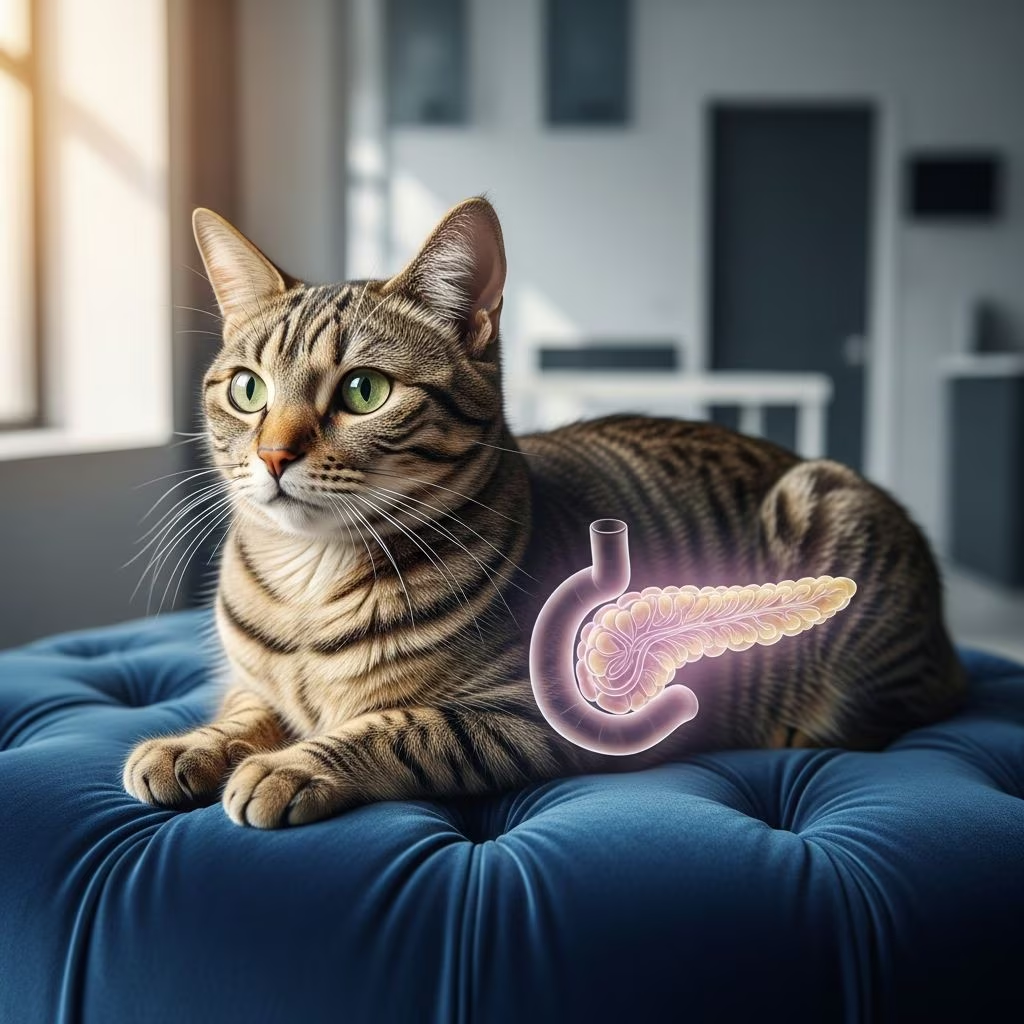
The pancreas plays a crucial role in a cat’s digestive and metabolic health, producing enzymes for food breakdown and hormones like insulin to regulate blood sugar. When this organ malfunctions, it can lead to serious conditions such as diabetes mellitus and pancreatitis, which are among the most common endocrine and inflammatory disorders in felines. These issues often present with overlapping symptoms, making early veterinary intervention essential for improving outcomes.
The Dual Functions of the Feline Pancreas
In cats, the pancreas has exocrine and endocrine components. The exocrine part secretes digestive enzymes into the small intestine to aid in protein, fat, and carbohydrate digestion. The endocrine section releases hormones, primarily insulin and glucagon, which maintain stable blood glucose levels. Disruptions in either function can cascade into broader health problems, affecting appetite, energy, and organ function.
Cats are particularly prone to pancreatic disorders due to their unique physiology, including a high-protein, low-carbohydrate natural diet. Factors like obesity, genetics, and concurrent diseases exacerbate risks, with middle-aged to older cats being most susceptible.
Diabetes Mellitus: A Metabolic Crisis
**Diabetes mellitus** in cats occurs when the pancreas fails to produce sufficient insulin or the body becomes resistant to it, leading to hyperglycemia. There are two primary types: insulin-deficient (similar to type 1 in humans) and insulin-resistant (like type 2), with the latter being more common in cats.
Recognizing the Signs of Feline Diabetes
Owners often notice increased thirst (polydipsia) and urination (polyuria), weight loss despite a ravenous appetite (polyphagia), and lethargy. In advanced cases, cats may develop weakness in the hind legs from diabetic neuropathy, where nerves are damaged by prolonged high blood sugar. Untreated, it can lead to ketoacidosis, a life-threatening emergency characterized by vomiting, dehydration, and rapid breathing.
- Excessive water intake and litter box use
- Unexplained weight loss
- Persistent hunger
- Weakness or plantigrade stance (walking on hocks)
- Recurrent urinary tract infections
Diagnostic Approaches for Diabetes
Veterinarians confirm diabetes through blood tests showing elevated glucose levels (typically above 200 mg/dL) and urine analysis revealing glucosuria. A fructosamine test provides a longer-term view of blood sugar control, while measuring serum ketones rules out ketoacidosis. Ultrasonography or radiographs may assess for concurrent pancreatitis.
Managing and Treating Cat Diabetes
Treatment revolves around insulin therapy, administered via subcutaneous injections once or twice daily, alongside dietary modifications emphasizing low-carbohydrate, high-protein foods to mimic a cat’s natural diet. Regular blood glucose monitoring at home or via continuous glucose systems helps adjust doses and prevent hypoglycemia. Weight management and exercise are key for insulin-resistant cases.
| Aspect | Recommendations |
|---|---|
| Insulin Type | Glargine or detemir for long-acting coverage |
| Diet | Low-carb prescription formulas |
| Monitoring | Home curves or vet check-ups every 2-4 weeks initially |
| Prognosis | Good with compliance; 80-90% remission in early type 2 cases |
With diligent management, many cats achieve remission, especially if caught early.
Pancreatitis: Inflammation of the Pancreas
**Pancreatitis** involves inflammation of the pancreas, which can be acute (sudden and severe) or chronic (recurring or persistent). In cats, it is often insidious, with nonspecific symptoms complicating diagnosis. Concurrent conditions like inflammatory bowel disease (IBD), cholangitis (liver inflammation), and diabetes form the “triad of inflammation,” affecting up to 30-50% of cases.
Common Clinical Manifestations
Symptoms include lethargy, reduced appetite, vomiting, dehydration, and abdominal discomfort, though cats rarely vocalize pain. Chronic forms lead to weight loss and intermittent diarrhea. Jaundice may appear if bile ducts are involved.
- Lethargy and hiding
- Vomiting or nausea
- Appetite loss
- Dehydration signs (tacky gums, sunken eyes)
- Weight loss in chronic cases
How Pancreatitis is Diagnosed
No single test confirms feline pancreatitis. Veterinarians use a combination: elevated pancreatic enzymes (though often normal in cats), abdominal ultrasound showing pancreatic thickening or hypoechoic areas, and fPLI (feline pancreatic lipase immunoreactivity) test, which is highly specific. Blood work reveals leukocytosis, hyperglycemia, and liver enzyme elevations.
Comprehensive Treatment Strategies
Treatment is supportive, focusing on four pillars: fluid resuscitation, pain control, antiemetic therapy, and nutrition. Hospitalization is standard for acute cases.
- Hydration: IV or subcutaneous fluids to correct dehydration and support organ perfusion
- Pain Relief: Opioids like buprenorphine; avoid NSAIDs due to kidney risks
- Antinausea: Maropitant (Cerenia) to curb vomiting and improve appetite
- Nutrition: Early enteral feeding via syringe, esophagostomy tube, or stimulants like mirtazapine to prevent hepatic lipidosis
For chronic pancreatitis, outpatient management includes anti-inflammatories, probiotics for gut health, and dietary trials with novel proteins.
Interconnections Between Conditions
Pancreatitis and diabetes frequently coexist; pancreatic inflammation can impair insulin production, while hyperglycemia worsens pancreatitis. The inflammatory triad (pancreatitis, IBD, cholangitis) requires holistic treatment, often with immunosuppressants.
Long-Term Care and Prognosis
Prognosis varies: mild pancreatitis has over 80% recovery with prompt care, while severe cases carry 10-50% mortality. Diabetic cats thrive with owner commitment. Regular vet visits, weight monitoring, and prompt symptom reporting are vital.
Prevention Tips for Cat Owners
Maintain ideal body weight, feed species-appropriate diets, avoid high-fat treats, and manage concurrent diseases. Annual blood work screens for early issues.
Frequently Asked Questions (FAQs)
Can pancreatitis in cats be cured?
Acute cases often resolve with treatment, but chronic forms require lifelong management.
Is insulin therapy painful for cats?
Most cats tolerate injections well after initial acclimation; use fine needles.
What diet is best for pancreatic issues?
Low-fat, highly digestible, low-carb foods; consult your vet for prescriptions.
How do I know if my cat has pancreatitis at home?
Look for appetite changes and lethargy; seek vet care immediately.
Can stress trigger these conditions?
Yes, stress can exacerbate pancreatitis in susceptible cats.
Emerging Research and Future Directions
Recent studies emphasize microbiome modulation via fecal transplants for chronic cases and advanced imaging for precise diagnosis. Consensus guidelines stress multimodal therapy.
References
- Feline Pancreatitis | Cornell University College of Veterinary Medicine — Cornell University. 2023. https://www.vet.cornell.edu/departments-centers-and-institutes/cornell-feline-health-center/health-information/feline-health-topics/feline-pancreatitis
- Pancreatitis in Cats – PetMD — PetMD. 2024. https://www.petmd.com/cat/conditions/endocrine/c_ct_pancreatitis
- Pancreatitis in cats – International Cat Care — International Cat Care. 2023. https://icatcare.org/articles/pancreatitis-in-cats
- ACVIM consensus statement on pancreatitis in cats – PMC – NIH — National Institutes of Health. 2021-03-01. https://pmc.ncbi.nlm.nih.gov/articles/PMC7995362/
- Pancreatitis in Cats: Symptoms & Treatment – Hill’s Pet Nutrition — Hill’s Pet Nutrition. 2024. https://www.hillspet.com/cat-care/healthcare/pancreatitis-in-cats-symptoms-treatment
- Understanding Feline Pancreatitis: Symptoms and Care — Twin Maples Vet Hospital. 2023. https://twinmaplesvethospital.com/understanding-feline-pancreatitis-symptoms-and-care/



