
Pancreatic Hormone-Secreting Tumors in Animals
Understanding insulinomas and gastrin-producing neoplasms in companion animals
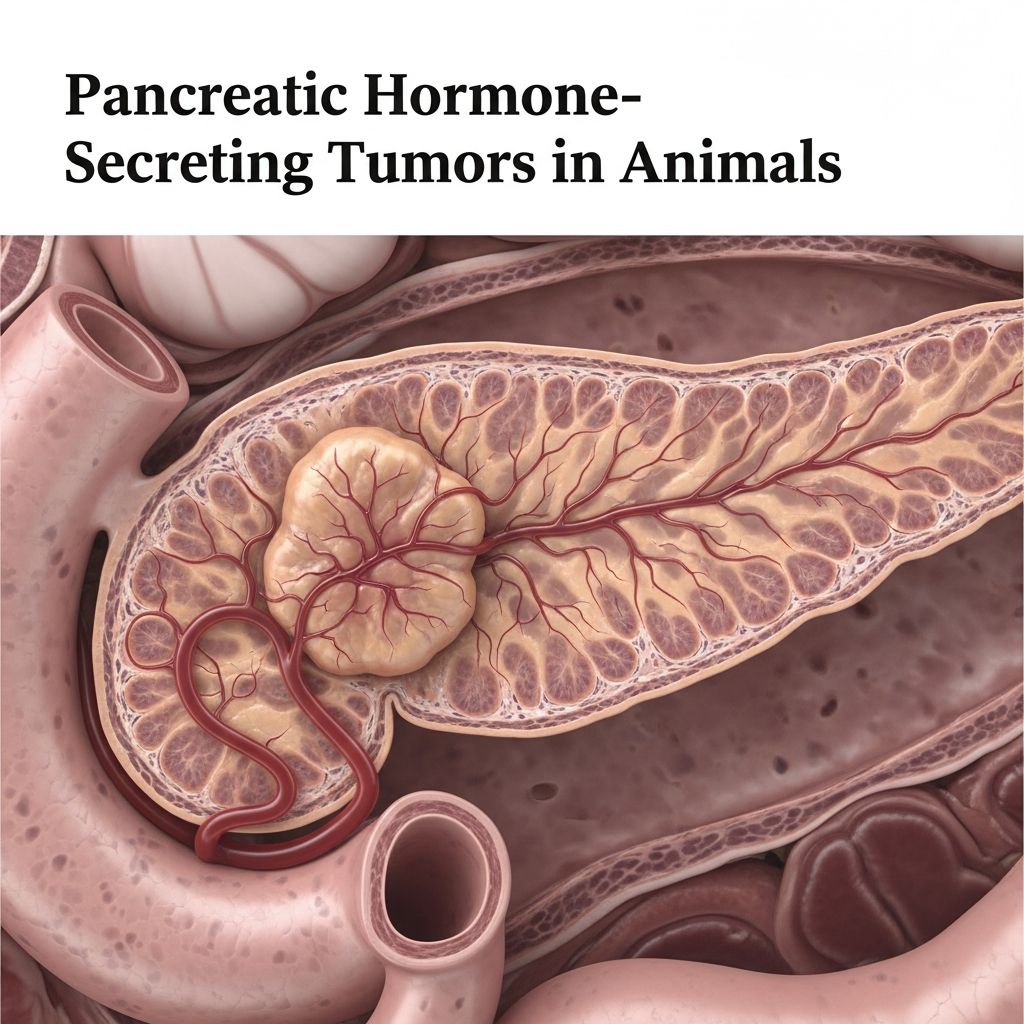
Pancreatic neuroendocrine tumors represent a specialized category of neoplastic disorders that originate from hormone-producing cells within the endocrine pancreas. These tumors, which include insulinomas and gastrin-secreting neoplasms, are characterized by their ability to produce excessive quantities of specific hormones that dysregulate normal metabolic processes in affected animals. While considered relatively uncommon in veterinary medicine, these conditions warrant significant clinical attention due to their potential to cause severe systemic complications and their impact on quality of life.
Understanding Pancreatic Neuroendocrine Neoplasms
The pancreas contains specialized neuroendocrine cells distributed throughout both the exocrine and endocrine tissues. Unlike exocrine pancreatic cancers that originate from cells producing digestive enzymes, neuroendocrine tumors develop from the hormone-secreting cells of the islets of Langerhans. These neoplasms may be either functional, meaning they actively produce hormones and cause clinical signs, or non-functional, where hormone production either occurs at subclinical levels or the tumor produces substances that do not provoke obvious clinical manifestations.
The biological behavior of these tumors varies considerably. Some neuroendocrine neoplasms progress slowly with indolent clinical courses, while others demonstrate aggressive behavior with rapid proliferation and early metastatic spread. This heterogeneity necessitates individualized diagnostic and therapeutic approaches for each affected animal.
Insulinomas: Excessive Insulin Production and Hypoglycemia
Insulinomas represent the most frequently encountered functional pancreatic neuroendocrine tumor in dogs, though they remain relatively rare overall. These neoplasms originate from the beta cells of the pancreatic islets and continuously secrete insulin independent of normal physiological feedback mechanisms. The consequence is profound and recurrent hypoglycemia, where blood glucose concentrations fall below the threshold necessary for normal neurological function.
Clinical Manifestations of Insulinomas
Animals with insulinomas present with symptoms directly attributable to periods of severe hypoglycemia. The clinical presentation typically includes episodic neuroglycopenic signs that may appear to occur spontaneously or become exacerbated during periods of fasting or increased physical activity. Affected animals frequently demonstrate behavioral changes, seizure activity, loss of consciousness, and in severe cases, permanent neurological damage or death if the hypoglycemic episodes remain untreated.
- Tremors and muscle weakness progressing to collapse
- Disorientation, confusion, or apparent drunkenness
- Seizures ranging from mild focal episodes to generalized convulsions
- Loss of consciousness or coma during severe hypoglycemic events
- Behavioral abnormalities including aggression or anxiety
- Syncope or sudden episodes of unconsciousness
- Excessive salivation or urinary incontinence during episodes
The frequency and severity of these episodes correlate with tumor burden and the degree of insulin oversecretion. Some animals experience multiple episodes daily, while others may have longer intervals between events.
Gastrinomas: Acid Hypersecretion and Gastrointestinal Complications
Gastrin-secreting neuroendocrine tumors, known as gastrinomas, produce excessive quantities of gastrin hormone, leading to profound gastric acid hypersecretion. Unlike insulinomas, gastrinomas occur less frequently in companion animals, but when present, they create a distinct syndrome characterized by severe gastrointestinal pathology. The excessive acid production overwhelms the stomach’s protective mechanisms and damages the mucosal lining throughout the gastrointestinal tract.
Gastrointestinal Manifestations
The clinical consequences of gastric acid hypersecretion include severe erosive gastritis, peptic ulceration, and gastrointestinal bleeding. Animals affected by gastrinomas typically present with chronic vomiting, often containing blood or presenting with melena (dark, tarry stools indicative of upper gastrointestinal hemorrhage). The severity of gastrointestinal signs tends to be more consistent than the episodic presentation seen with insulinomas, as the hormonal stimulus for acid production persists continuously.
- Chronic vomiting, sometimes blood-tinged (hematemesis)
- Dark or tarry stools indicating gastrointestinal bleeding
- Abdominal pain and discomfort
- Severe weight loss and anorexia
- Diarrhea and malabsorption syndromes
- Signs of gastrointestinal perforation in severe cases
- Secondary anemia from chronic blood loss
The erosive nature of gastric acid hypersecretion can result in life-threatening complications including gastric perforation, severe hemorrhage, and septic peritonitis if the condition remains untreated.
Diagnostic Approaches and Identification Strategies
The diagnosis of pancreatic neuroendocrine tumors represents a multifaceted challenge, as clinical signs alone cannot definitively establish the diagnosis. The variable presentation of symptoms, their overlap with more common diseases, and the rarity of these conditions mean they are frequently overlooked in initial diagnostic evaluations.
Laboratory and Biochemical Evaluation
For insulinomas, the cornerstone of diagnosis involves demonstrating simultaneous hypoglycemia and detectable or elevated insulin concentrations. During periods when blood glucose falls below 60 mg/dL, serum insulin levels should be suppressed to near zero in healthy animals. However, in insulinomas, insulin levels remain inappropriately elevated despite profound hypoglycemia. This inappropriate insulin secretion in the face of hypoglycemia constitutes the pathognomonic finding for insulinoma diagnosis. Additional calculations such as the amended insulin-to-glucose ratio or the fasting glucose-to-insulin ratio may provide further diagnostic support.
For gastrinomas, diagnosis relies on demonstrating elevated fasting serum gastrin concentrations. In normal animals, fasting gastrin levels remain suppressed. Gastrinomas produce sustained gastrin elevation, often accompanied by markedly elevated gastric acid output and a low gastric pH. The secretin stimulation test, where intravenous secretin is administered followed by measurement of gastrin response, may be employed in challenging diagnostic cases.
Imaging and Localization Techniques
Once biochemical evidence supports a diagnosis of neuroendocrine neoplasia, imaging studies become essential for tumor localization and assessment of metastatic disease. Multiple imaging modalities may be required, as some tumors are small and difficult to visualize.
| Imaging Modality | Advantages | Limitations |
|---|---|---|
| Abdominal Ultrasound | Non-invasive, widely available, no radiation | Limited sensitivity for small tumors, operator-dependent |
| Computed Tomography (CT) | Excellent soft tissue differentiation, detects metastases | Requires anesthesia, moderate cost, radiation exposure |
| Magnetic Resonance Imaging (MRI) | Superior soft tissue characterization, no radiation | High cost, prolonged anesthesia, limited availability |
| Radiography | Initial screening, assesses secondary changes | Poor soft tissue differentiation, misses small tumors |
Histopathological Confirmation
Definitive diagnosis requires histopathological examination of tumor tissue obtained through surgical biopsy or complete tumor resection. Veterinary pathologists examine tissue samples microscopically to confirm neuroendocrine differentiation. Immunohistochemical staining using markers such as chromogranin A, synaptophysin, and neuron-specific enolase assists in confirming the neuroendocrine nature of the neoplasm. The degree of cellular differentiation, mitotic rate, and vascularity assessed during histopathology provide prognostic information and help guide treatment decisions.
Treatment Strategies and Management Approaches
The management of pancreatic neuroendocrine tumors encompasses multiple therapeutic modalities tailored to the individual animal’s condition, tumor characteristics, and owner preferences.
Surgical Intervention
Surgery represents the most definitive treatment when complete tumor resection is feasible. For insulinomas, successful surgical removal can result in permanent resolution of hypoglycemic episodes if the entire neoplastic tissue is excised and metastatic disease is absent. However, approximately 5-10% of insulinomas are malignant with hepatic or other metastases at the time of diagnosis, potentially limiting surgical efficacy.
Preoperative stabilization becomes essential before anesthesia and surgery, particularly for animals with insulinomas experiencing hypoglycemic episodes. Intravenous dextrose administration during the perioperative period prevents life-threatening hypoglycemia during anesthesia when oral glucose intake is precluded. Careful monitoring of blood glucose throughout anesthesia and the immediate postoperative period is critical.
Medical Management
When surgery is not feasible, contraindicated, or unsuccessful in controlling clinical signs, medical management becomes the primary treatment approach. For insulinomas, diazoxide, a benzothiadiazide derivative, inhibits insulin secretion by beta cells and increases hepatic glucose output. Somatostatin analogs such as octreotide suppress insulin secretion by binding to somatostatin receptors on neuroendocrine cells, providing another pharmacological option.
For gastrinomas, the acid hypersecretion may be controlled using proton pump inhibitors such as omeprazole or famotidine, which dramatically reduce gastric acid production. While these medications do not address the underlying tumor, they effectively prevent the devastating gastrointestinal complications associated with acid hypersecretion.
Chemotherapy Considerations
Chemotherapy may be considered for animals with metastatic disease or tumors not amenable to surgical resection. Streptozocin, an alkylating agent with relative specificity for pancreatic beta cells, has been employed in veterinary oncology for insulinomas, though response rates vary. Combination chemotherapy protocols may offer improved outcomes compared to single-agent therapy in selected cases.
Prognosis and Long-Term Outcomes
The prognosis for animals with pancreatic neuroendocrine tumors depends heavily on several factors including tumor stage at diagnosis, degree of malignancy, presence of metastatic disease, and whether complete surgical resection is achieved. Animals with small, well-differentiated insulinomas without evidence of metastasis and successfully treated surgically may enjoy prolonged survival, sometimes exceeding several years. Conversely, animals with high-grade, metastatic neoplasms demonstrate more aggressive clinical courses with shorter survival intervals.
The heterogeneous nature of these tumors means that prognosis cannot be reliably predicted based on histological appearance alone. Some well-differentiated tumors behave aggressively, while certain poorly differentiated neoplasms may progress slowly. This biological unpredictability emphasizes the importance of close clinical monitoring and individualized treatment planning.
Frequently Asked Questions
Are pancreatic neuroendocrine tumors common in dogs and cats?
These tumors are considered rare in companion animals, though insulinomas represent the most frequently encountered functional pancreatic neuroendocrine neoplasm in dogs. The exact prevalence remains uncertain because many cases may go undiagnosed.
Can insulinomas be cured?
Complete surgical removal of the tumor offers the best opportunity for cure. However, cure is only possible if the entire neoplastic tissue is removed and no metastatic disease exists. Medical management controls symptoms but does not cure the underlying disease.
What should I feed my dog with an insulinoma?
Frequent small meals with high protein and moderate fat content, while minimizing simple carbohydrates, may help maintain more stable blood glucose levels between meals. Avoid prolonged fasting periods. Dietary consultation with a veterinary nutritionist can optimize nutritional management.
Is there a hereditary component to these tumors?
While specific hereditary patterns have not been well-established in veterinary literature, certain dog breeds may have increased predisposition. Genetic factors may play a role, though environmental and acquired factors also contribute to tumor development.
How often should blood glucose be monitored after treatment?
Monitoring frequency depends on the treatment approach. Immediately after surgery, frequent monitoring ensures adequate glucose recovery. During medical management, periodic fasting glucose measurements help assess treatment efficacy and guide medication dosing adjustments.
References
- Neuroendocrine Carcinomas of the Canine Mammary Gland — Frontiers in Veterinary Science. 2020-12-18. https://www.frontiersin.org/journals/veterinary-science/articles/10.3389/fvets.2020.621714/full
- A Neuroendocrine Carcinoma of Undetermined Origin in a Dog — PubMed Central. 2011. https://pmc.ncbi.nlm.nih.gov/articles/PMC3234613/
- Neuroendocrine Tumors in Dogs: Diagnosis and Care Alternatives — Bark and Whiskers. 2015-08-16. https://www.barkandwhiskers.com/2015-08-16-nl-neuroendocrine-tumor/
- Neuroendocrine Tumors Medullary Thyroid Carcinomas and Pheochromocytoma — VCA Hospitals. https://vcahospitals.com/know-your-pet/neuroendocrine-tumors-medullary-thyroid-carcinomas-and-pheochromocytoma
- Neuroendocrine Tissue Tumors in Dogs — Merck Veterinary Manual. https://www.merckvetmanual.com/dog-owners/hormonal-disorders-of-dogs/neuroendocrine-tissue-tumors-in-dogs
Similar Articles








Read full bio of medha deb


