Pancreas Problems In Dogs: Symptoms, Diagnosis, Treatment
Essential guide for dog owners on recognizing, treating, and preventing pancreatic disorders to ensure your pet's long-term well-being.
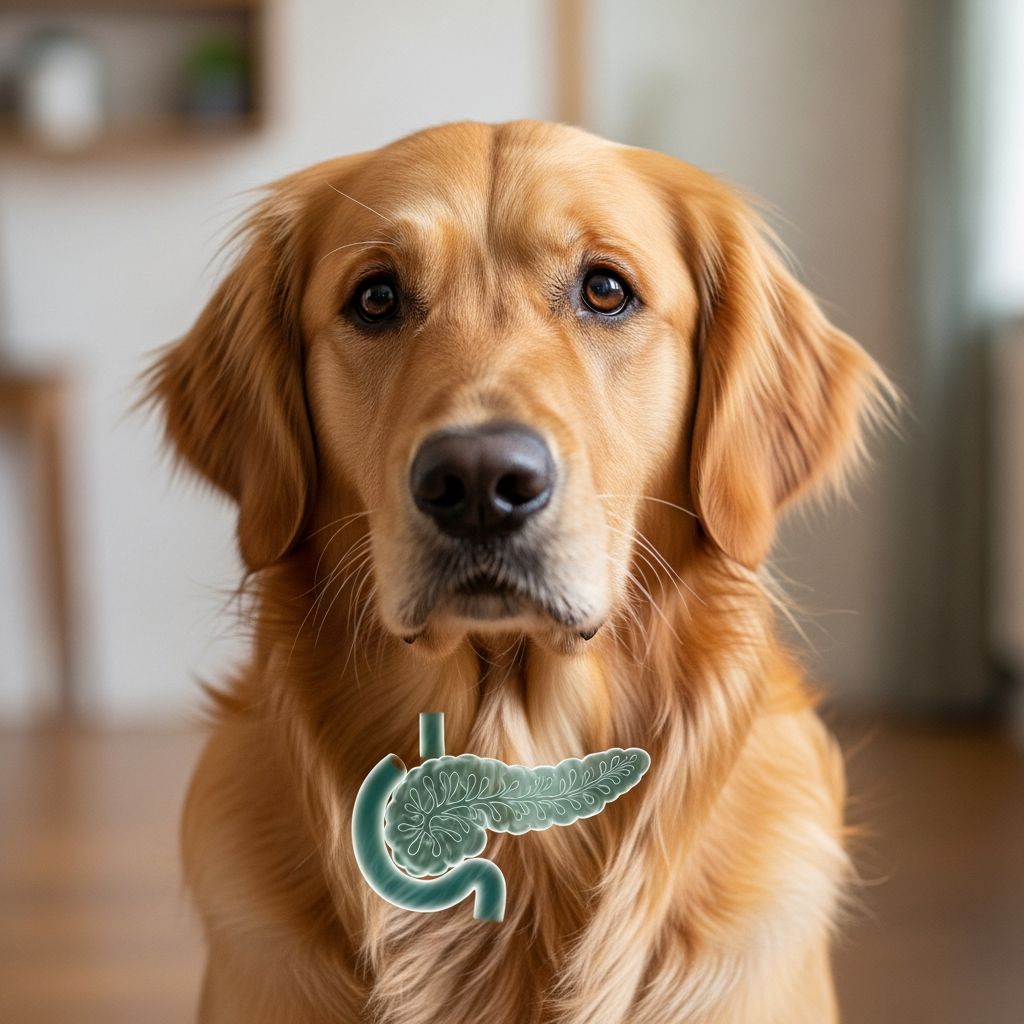
The pancreas plays a vital role in a dog’s digestive and metabolic health, producing enzymes for food breakdown and hormones like insulin for blood sugar control. When this organ malfunctions, it can lead to serious conditions affecting appetite, digestion, and overall vitality. Dog owners must understand these disorders to act swiftly and improve outcomes.
Recognizing Pancreatic Inflammation: Pancreatitis Explained
Pancreatitis occurs when the pancreas becomes inflamed, disrupting its normal function. This condition tops the list of exocrine pancreatic issues in dogs, manifesting as acute episodes or persistent chronic forms. Acute cases involve sudden swelling or bleeding within the organ, while chronic ones stem from repeated damage.
Risk factors include dietary indiscretions like consuming fatty scraps or garbage, trauma from accidents or surgery, certain medications, elevated blood triglycerides, or conditions like hyperadrenocorticism. In many instances, no clear trigger is found, making prevention challenging.
Key Symptoms of Pancreatitis
- Persistent vomiting and nausea
- Abdominal discomfort, often shown by a hunched posture or reluctance to move
- Lethargy and weakness
- Diarrhea, sometimes foul-smelling
- Loss of appetite and dehydration
- In severe cases, fever, shock, or a ‘praying’ position with rear elevated
Mild symptoms might mimic other gut issues, delaying diagnosis, while severe ones demand emergency care to prevent organ failure or systemic inflammation.
Diagnostic Approaches for Pancreatic Issues
Veterinarians use a combination of history, physical exams, and tests to confirm pancreatic problems. Blood work reveals elevated pancreatic enzymes like lipase, while imaging such as ultrasound detects inflammation, swelling, or masses. Specific tests like canine pancreatic lipase immunoreactivity (cPLI) offer high accuracy for pancreatitis.
For broader evaluation:
| Test Type | Purpose | Key Findings |
|---|---|---|
| Blood Chemistry & CBC | Assess organ function and inflammation | High lipase/amylase, dehydration markers |
| Abdominal Ultrasound | Visualize pancreas structure | Enlargement, fluid, or necrosis |
| cPLI Test | Specific pancreatitis detection | Levels >200 mcg/L confirm disease |
| X-rays | Rule out obstructions | Gas patterns or masses |
Early detection is crucial, as delays can escalate mild cases to life-threatening ones.
Effective Treatment Strategies for Pancreatitis
Treatment focuses on supportive care: intravenous fluids combat dehydration, pain relievers ease discomfort, and anti-nausea drugs control vomiting. Nutritional management shifts to low-fat, highly digestible diets fed in small, frequent meals to minimize pancreatic stress. Hospitalization is common for severe cases, with monitoring for complications like disseminated intravascular coagulation or acute respiratory distress.
Recent advancements encourage early feeding over traditional ‘pancreatic rest,’ promoting faster recovery. In refractory cases, medications like fuzapladib may reduce inflammation. Prognosis varies: mild cases often resolve fully, but severe ones carry higher mortality risks.
Exocrine Pancreatic Insufficiency: When Digestion Fails
Exocrine pancreatic insufficiency (EPI) arises from inadequate enzyme production, leading to maldigestion. Breeds like German Shepherds, Rough Collies, and Eurasiers are genetically prone, developing it young, while other dogs acquire it from chronic pancreatitis or tumors.
Signs and Daily Impacts
- Ravenous hunger despite weight loss
- Copious, pale, greasy, foul stools
- Flatulence and occasional vomiting
- Nutrient deficiencies causing poor coat and vitality
Without enzymes, fats and proteins pass undigested, causing diarrhea and malnutrition. Concurrent diabetes may occur if endocrine cells are also lost.
Diagnosis involves trypsin-like immunoreactivity (TLI) blood tests showing low levels post-meal, confirming reduced function.
Management and Long-Term Care
Daily enzyme supplements sprinkled on meals restore digestion, often leading to rapid weight gain and normalized stools. Pair with moderate-fat, low-fiber diets if needed, avoiding abrupt changes. Most dogs thrive lifelong with this regimen, though it’s rarely curative.
Pancreatic Tumors: A Serious Threat
Adenocarcinoma dominates canine pancreatic cancers, typically affecting older dogs without early signs. Progression leads to enzyme or hormone disruptions, jaundice from bile duct blockage, or metastasis causing lameness and breathing issues.
Diagnosis relies on ultrasound or biopsy, but treatment options are limited. Surgery aims for removal if localized, though most cases are advanced. Chemotherapy offers palliation, but prognosis remains guarded with survival often under a year.
Pancreatic Abscesses and Other Complications
Abscesses form as pancreatitis sequelae, pooling pus near the pancreas. Symptoms overlap with pancreatitis: fever, pain, and anorexia. Drainage surgery may be necessary if infection spreads, weighing risks against benefits.
Chronic pancreatitis risks include recurrent bouts, adhesions scarring organs, or progression to EPI/diabetes.
Breed Vulnerabilities and Prevention Tips
Miniature Schnauzers, Yorkshire Terriers, and overweight females face higher pancreatitis risks. Genetic EPI hits herding breeds hard.
Preventive measures:
- Maintain ideal weight with balanced diets
- Avoid fatty treats or human food
- Manage hyperlipidemia or endocrine diseases
- Regular vet check-ups for at-risk breeds
FAQs on Canine Pancreatic Health
What triggers pancreatitis in dogs?
High-fat meals, trauma, medications, or idiopathic factors commonly initiate inflammation.
Can dogs recover fully from pancreatitis?
Yes, most mild cases do, but severe or recurrent ones may cause lasting damage like EPI.
How is EPI treated at home?
Enzyme powders on food, plus vet-monitored diets ensure effective management.
Is surgery ever needed for pancreatic issues?
Yes, for abscess drainage, tumor excision, or duct obstructions.
What diet suits dogs with pancreatic disorders?
Low-fat, digestible formulas reduce workload and aid recovery.
Monitoring and When to Seek Help
Watch for subtle changes like appetite shifts or stool inconsistencies. Prompt vet visits prevent escalation. Routine bloodwork for breeds prone to EPI catches issues early.
With vigilant care, many dogs manage these conditions well, enjoying active lives.
References
- Pancreatitis and Other Disorders of the Pancreas in Dogs — Merck Veterinary Manual. 2023. https://www.merckvetmanual.com/dog-owners/digestive-disorders-of-dogs/pancreatitis-and-other-disorders-of-the-pancreas-in-dogs
- Canine Pancreatitis: A Complete Guide — Clinician’s Brief. 2013-10-01. https://www.cliniciansbrief.com/article/canine-pancreatitis-complete-guide
- Pancreatitis in Dogs — VCA Animal Hospitals. 2023. https://vcahospitals.com/know-your-pet/pancreatitis-in-dogs
- Comprehensive Guide to Understanding and Managing Pancreatitis in Pets — Adamson Veterinary Services. 2023. https://adamsonveterinaryservices.com/comprehensive-guide-to-understanding-and-managing-pancreatitis-in-pets/
- A Guide to Pancreatitis in Dogs and Cats — Mount Pleasant Animal Hospital. 2023. https://mountpleasantanimalhospital.com/a-guide-to-pancreatitis-in-dogs-and-cats/
Similar Articles








Read full bio of Sneha Tete