

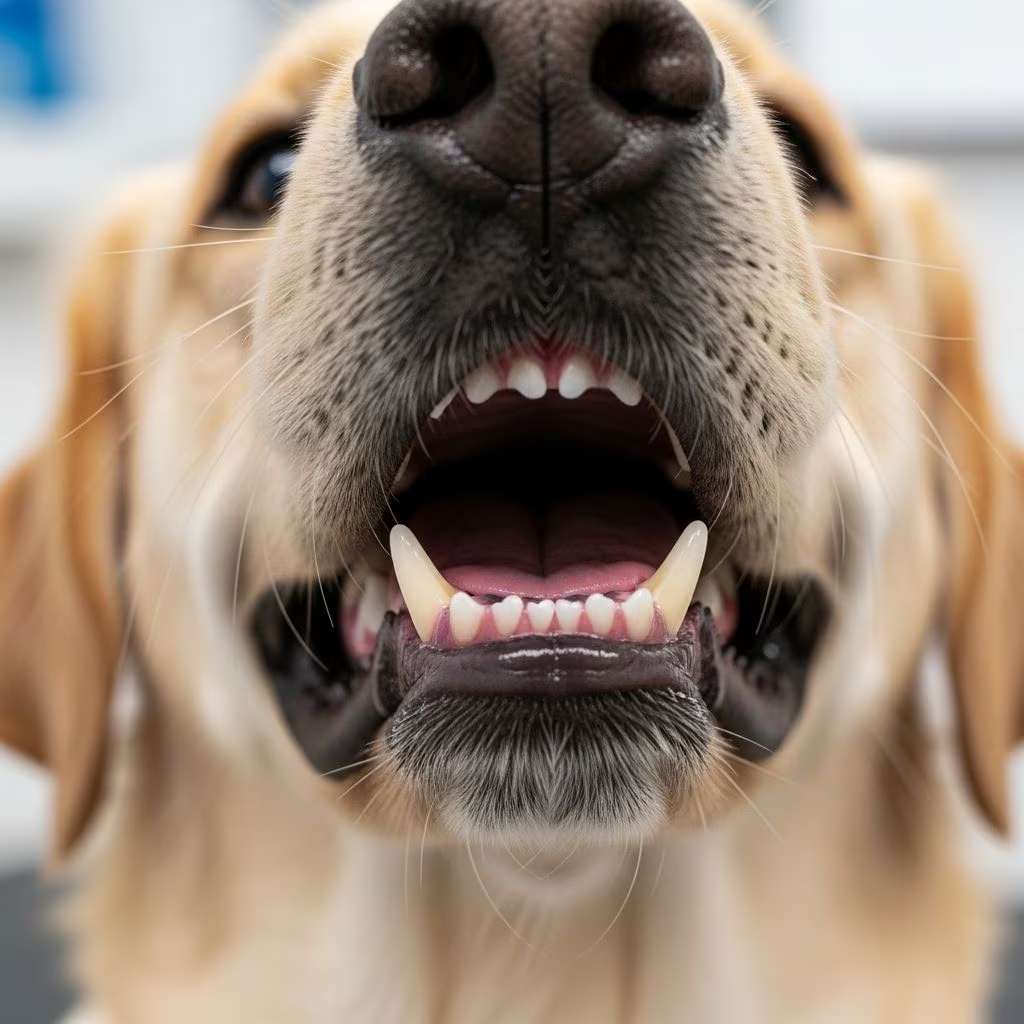
Pale gums in dogs are a critical warning sign of reduced oxygen delivery to tissues, often stemming from anemia, blood loss, dehydration, or circulatory shock. This visible change from healthy pink gums demands immediate veterinary evaluation to identify and address underlying causes before complications escalate.
Understanding Normal vs. Abnormal Gum Appearance
Healthy dog gums should appear uniformly pink, moist, and smooth, resembling the inside of a human lip. Pressing gently on the gum with a finger should cause blanching that refills pink within 1-2 seconds, indicating proper circulation. Pale, white, or greyish gums suggest poor blood flow or low red blood cell counts, while accompanying tackiness points to dehydration.
Dogs with naturally black or pigmented gums, common in breeds like Labs or Chows, require checking non-pigmented areas such as the inner lip or vulva for color assessment. Any deviation warrants concern, especially if paired with lethargy, weakness, or rapid breathing.
Primary Causes of Pale Gums
Several conditions can cause pale gums by impairing oxygen transport or circulation. Recognizing patterns helps prioritize urgency.
Anemia: The Leading Culprit
Anemia occurs when red blood cell counts drop, starving tissues of oxygen and paling gums. Causes include chronic blood loss from parasites like hookworms or fleas, nutritional shortfalls in iron or B vitamins, or immune-mediated destruction of red cells.
- Blood loss anemia from trauma, ulcers, or tumors leads to sudden pallor.
- Chronic anemia from kidney or liver disease builds gradually with symptoms like appetite loss.
- Parasitic anemia causes ongoing depletion, often with weight loss and diarrhea.
Untreated, anemia progresses to heart strain and organ failure.
Dehydration and Heat-Related Issues
Dehydration reduces blood volume, concentrating it away from gums and causing pallor. Common triggers include vomiting, diarrhea, kidney dysfunction, or insufficient water intake during hot weather or exercise.
Heatstroke exacerbates this by diverting blood from skin to core organs, yielding pale, dry gums alongside panting and collapse. Sunken eyes and skin tenting confirm severity.
Circulatory and Heart Compromises
Heart failure or shock from trauma, sepsis, or allergic reactions impairs blood distribution, paling gums rapidly. Dogs may show weak pulses, cold extremities, and collapse.
Gastrointestinal Emergencies Like Bloat
Gastric dilatation-volvulus (GDV or bloat) twists the stomach, slashing abdominal blood return and shocking the system. Pale gums appear with distended belly, retching, and restlessness—a surgical emergency with high mortality if delayed.
Other Contributors: Toxins, Infections, and Organ Failure
Rat poisons induce bleeding, while infections or cancers suppress marrow. Liver issues hinder blood cell processing, adding jaundice.
How to Check Your Dog’s Gums at Home
Perform daily gum checks during routines like feeding or walks.
- Lift the lip: Expose upper gums gently.
- Assess color: Pink is ideal; pale/white signals trouble.
- Test moisture: Gums should feel wet, not sticky.
- Capillary refill time (CRT): Press gum until white, release—color returns in <2 seconds normally; longer indicates poor perfusion.
- Check temperature: Warm is healthy; cool suggests shock.
Monitor for holistic signs: Combine gum checks with breathing rate (10-30/min at rest), pulse strength, and behavior.
Emergency Symptoms Requiring Immediate Vet Care
| Symptom | Possible Cause | Urgency Level |
|---|---|---|
| Pale gums + collapse | Shock, bloat, severe anemia | Immediate ER |
| Pale gums + rapid breathing >40/min | Heart failure, anemia | Emergency |
| Pale gums + vomiting/diarrhea | Dehydration, toxins, GDV | Urgent (within hours) |
| Pale gums + lethargy/appetite loss | Anemia, chronic disease | Same-day vet |
| Pale gums alone, persistent | Early anemia/dehydration | Next-day check |
Act faster in brachycephalic breeds or seniors prone to complications.
Diagnostic Approaches at the Vet
Vets start with physical exams, then bloodwork (PCV for anemia, chemistries for organ function), imaging (X-rays for bloat/tumors, ultrasound for fluid), and fecal tests for parasites. Coagulation panels rule out bleeding disorders.
Treatment Strategies by Cause
Tailored interventions restore circulation and target roots.
- Anemia: Transfusions for acute cases; iron supplements, deworming, or immunosuppressants for chronic.
- Dehydration: IV fluids; address vomiting with antiemetics.
- Bloat/GDV: Emergency surgery to untwist and gastropexy.
- Shock: Fluids, oxygen, vasopressors.
- Infections/Toxins: Antibiotics, antidotes, supportive care.
Hospitalization monitors progress with serial gum checks and bloodwork.
Preventive Measures for Vibrant Gum Health
Proactive care minimizes risks.
- Provide constant fresh water; use fountains for appeal.
- Feed balanced, AAFCO-approved diets rich in iron and protein.
- Maintain monthly parasite preventives year-round.
- Limit exercise in heat; watch for overexertion.
- Annual bloodwork screens for early organ issues.
- Vaccinate against tick diseases like Ehrlichia.
Breed-specific watches: Deep-chested giants (Great Danes) for bloat; flea-prone for anemia.
FAQs on Pale Gums in Dogs
What do healthy dog gums look like?
Pink, moist, and with quick capillary refill (under 2 seconds).
Can stress cause pale gums?
Temporarily yes, via vasoconstriction, but persistent pallor needs vet ruling out disease.
How quickly does anemia develop pale gums?
Sudden from blood loss; gradual from chronic causes.
Is pale gums always an emergency?
Not solo, but with lethargy, collapse, or distension—yes.
Can diet alone fix pale gums?
Only mild nutritional cases; severe requires vet intervention.
Long-Term Monitoring After Treatment
Post-recovery, recheck gums weekly, track weight/appetite, and follow-up with blood tests every 1-3 months. Adjust preventives and diet per vet advice to sustain health.
References
- Here’s Why Your Dog’s Gums Are Pale? — Bulverde Animal Hospital. 2023. https://bulverdeanimalhospital.com/blog/pale-dog-gums/
- Understanding Pale Gums in Dogs — Veazie Veterinary Clinic. 2023. https://veazievet.com/blog/pale-gums-in-dogs/
- Pale Gums in Dogs: What You Need to Know — The Ridge Veterinary Clinic. 2023. https://theridgevet.com/articles/pale-gums-in-dogs
- Pale Gums in Dogs — Cottner Creek Pet Clinic. 2023. https://cottnercreekpetclinic.com/articles/pale-gums-in-dogs
- My Dog’s Gums are Pale: Is This Normal? — Dyer Animal Clinic. 2023. https://dyeranimalclinic.com/blog/dogs-gums-are-pale/
- Pale gums in dogs: Use our dog gum colour chart — Vets Now. 2023. https://www.vets-now.com/pet-care-advice/pale-gums-in-dogs/



