

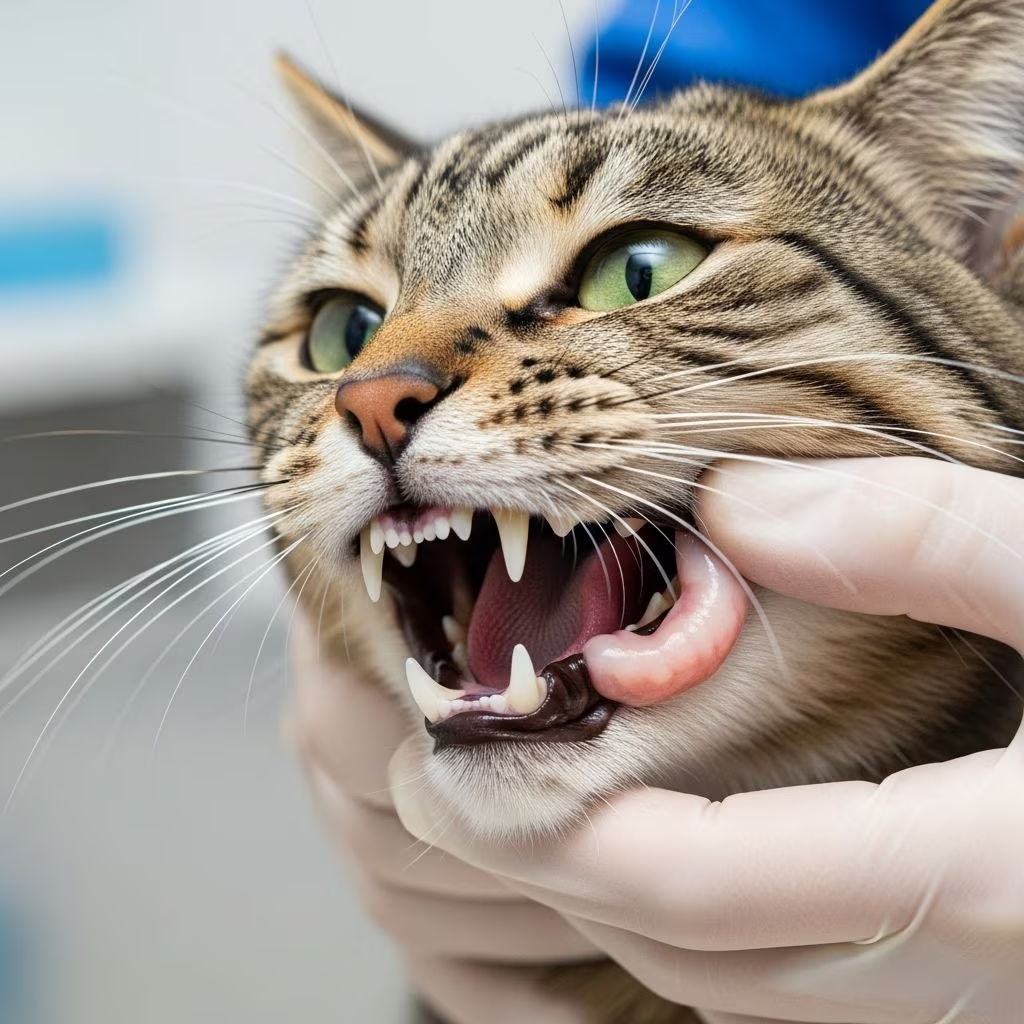
What Do Pale Gums in Cats Mean? Should I Be Worried?
Pale or white gums in cats represent a significant medical concern that should never be ignored. This seemingly minor alteration in gum color could signify a range of health-related concerns, from dehydration to more serious conditions like anemia, heart disease, or shock. A cat’s gum color serves as a quick indicator of blood circulation and oxygen delivery to tissues throughout the body. When gums appear pale instead of their normal healthy pink color, it indicates that something is interfering with the blood flow of healthy red blood cells to the cat’s gums. Understanding what this sign means and recognizing when it constitutes an emergency can be lifesaving for your feline companion.
Pink gums are an indication of good oxygen levels and blood flow in your cat’s body. The normal pink coloration comes from the rich blood supply flowing through the delicate tissues of the gums. When you notice a change to pale or white gums, it suggests that either the blood flow is diminished or the oxygen-carrying capacity of the blood has decreased. Because adequate blood flow and oxygenation are so vital to your cat’s survival, problems with these can cause your cat to feel very unwell and are often life-threatening if not addressed promptly.
Understanding the Causes of Pale Gums
Pale gums in cats can stem from various underlying conditions, all of which require professional veterinary evaluation. The primary mechanisms involve either poor circulation or a reduction in red blood cells, conditions collectively known as anemia. Understanding these causes helps cat owners recognize when their pet needs immediate veterinary attention.
Anemia and Blood Loss
Anemia is the most common cause of pale or white gums in cats because it means there are fewer red blood cells present to carry oxygen to the body’s tissues. Blood loss can occur due to trauma, organ damage, internal bleeding, or parasitic infections. When a cat loses blood, whether from an obvious injury or through internal bleeding, the body cannot immediately replace the lost red blood cells. This reduction in circulating red blood cells directly impacts oxygen delivery to tissues, resulting in the characteristic pale gum appearance. A lesser-known but still common cause of blood loss is parasitic infection, such as an overwhelming infestation of fleas or ticks that drain significant amounts of blood from your cat.
Shock
Shock is another common reason for pale gums in cats and represents a true emergency. Cats go into shock when they aren’t receiving enough oxygen to their brain, which can occur due to trauma, allergic reactions, or toxin ingestion. During shock, blood flow is severely compromised as the body attempts to protect vital organs. This redistribution of blood away from peripheral tissues like the gums causes them to appear pale or white. One of the most visible signs of shock in cats is pale or white gums, which indicates the blood isn’t circulating in their bodies as it should. Cats experiencing shock may also become confused and disoriented, lethargic, hypothermic, or even lose consciousness. Shock can develop from decreased blood volume due to blood loss, decreased circulation from heart damage, or a dangerous drop in blood pressure.
Heart Disease
Certain heart diseases can cause a lack of oxygen in the blood, leading to pale or white gums. When the heart fails to pump blood effectively throughout the body, oxygen delivery to tissues becomes compromised. This can occur with various cardiac conditions, from congenital heart defects to acquired diseases. The reduced circulation associated with heart disease directly impacts the appearance of the gums, making them appear pale rather than their healthy pink color.
Kidney Disease
The kidneys play a significant role in blood production by producing erythropoietin, a hormone that stimulates red blood cell formation. In middle-aged and older cats, pale gums can be a warning sign of kidney disease. When kidneys are not functioning properly, red blood cell production decreases, leading to anemia and subsequently pale gums. This is one reason why regular veterinary checkups become increasingly important as cats age.
Liver Disease and Jaundice
Jaundice can result from liver disease, hemolytic anemia, or bile duct obstruction. While jaundice typically causes yellowing of the gums rather than pure paleness, it indicates a serious underlying condition affecting blood composition. Liver disease impairs the body’s ability to process various substances and can affect red blood cell health and longevity.
Infections and Viral Diseases
Many diseases and infections can cause pale gums in cats due to anemia. Some diseases can lead to anemia because they destroy red blood cells more quickly than the cat’s body can replace them. Many of the diseases that cause anemia are spread by fleas and ticks, making flea and tick prevention important, even for indoor cats. Feline leukemia is one common illness that can cause pale gums in cats, affecting up to 3% of cats in the United States. This retrovirus is passed from cat to cat through saliva, nursing, urine, and feces. Feline leukemia symptoms include appetite loss, weakness, fever, weight loss, gingivitis, and pale gums. Other infections that may cause pale gums include feline immunodeficiency virus and various bacterial infections.
Toxin Exposure
Exposure to certain toxins can cause pale gums through various mechanisms. Some toxins directly affect red blood cells, while others damage organs responsible for blood production or circulation. Common household toxins that can affect cats include acetaminophen, certain medications, and other chemical substances.
Recognizing Additional Symptoms
While pale gums are the primary indicator, cats with underlying conditions causing pale gums may display additional symptoms. However, some cats that are anemic or in shock may not show any other obvious signs of illness. Your cat may even continue playing or engaging in their favorite activities instead of exhibiting symptoms associated with the illness causing the pale gums. This makes regular gum checks particularly valuable for early detection.
Additional signs to watch for include:
- Lethargy and decreased activity levels
- Loss of appetite or decreased food intake
- Weakness or difficulty moving
- Rapid or difficulty breathing
- Confusion or disorientation
- Vomiting or blood in vomit
- Bloody nose or blood in urine or stool
- Fever or abnormal body temperature
- Weight loss
- Difficulty maintaining consciousness
Diagnostic Approaches
Pale gums are an emergency, and affected cats often must be stabilized before undergoing diagnostics to identify the underlying condition. Stabilizing treatments include supplemental oxygen, warming of the animal, intravenous fluids, and blood transfusions as needed. Once the patient is stable, veterinarians will pursue diagnostics to identify the underlying condition.
Diagnostic Testing Methods
Diagnosing the underlying cause of pale gums involves multiple approaches:
- Physical examination: Your veterinarian will perform a thorough examination, checking vital signs, listening to the heart and lungs, and palpating the abdomen for abnormalities.
- Blood work: Complete blood counts and biochemical panels help identify anemia, infections, organ dysfunction, and other blood abnormalities.
- Diagnostic imaging: X-rays or ultrasound may be performed to visualize internal organs and identify bleeding, organ damage, or other structural problems.
- Urinalysis: This test provides information about kidney function and can reveal signs of disease.
- Fecal examination: This helps identify parasitic infections that may be causing blood loss.
Treatment Options
Treatment and prognosis for pale gums depend entirely on the underlying condition identified through diagnostic testing. Treatment varies widely depending on the specific diagnosis, and your veterinarian will develop an individualized treatment plan for your cat.
Common Treatment Modalities
Blood Transfusion: If your cat is severely anemic or has lost a lot of blood, they may need a blood transfusion to replace the lost blood and restore oxygen-carrying capacity.
Medications: In some cases, medication may be prescribed to treat an underlying condition causing pale gums. For example, if your cat has a heart or respiratory condition, medications may be prescribed to improve blood flow and oxygenation. Cats with parasitic infections receive antiparasitic medications to eliminate the parasites and their larvae.
Surgery: If your cat has internal bleeding or organ damage, surgery may be required to repair the damage and stop blood loss.
Nutritional Supplements: If your cat is anemic due to a nutritional deficiency, such as a lack of iron or vitamin B12, nutritional supplements may be prescribed to support red blood cell production.
Supportive Care: Intravenous fluids help maintain hydration and support kidney function during recovery.
At-Home Care Considerations
At-home treatments are dependent on the underlying condition, which usually requires veterinary intervention. Your veterinarian will provide specific instructions for caring for your cat during recovery, which may include medication administration, dietary modifications, activity restrictions, and monitoring for changes in condition. Follow your veterinarian’s recommendations closely to ensure the best outcome for your cat.
Monitoring Your Cat’s Gum Color
Assessing cat gum color is a quick and simple way to gain important information about your cat’s health. Learning to check your cat’s gums regularly allows you to establish what is normal for your individual pet and recognize changes early. Try checking your cat’s gums anywhere from once a week to once a month during routine petting sessions. Gently lift your cat’s lip to visualize the gum tissue, and note the color. Healthy gums should be bright pink with good color throughout.
Beyond pale gums, understanding other gum color changes can help you identify other health concerns. Yellow or jaundiced gums may indicate liver disease or hemolytic anemia. Blue or purple gums indicate a lack of oxygen in the blood, which could be due to respiratory distress, heart disease, or other serious conditions requiring immediate veterinary care. Black or dark spots on gums can be a harmless condition in some cats but may indicate melanoma in others.
When to Seek Immediate Veterinary Care
Pale gums in cats always warrant immediate veterinary attention. This is not a condition that should be monitored at home or managed with over-the-counter treatments. If you notice your cat’s gums have become pale or white, contact your veterinarian immediately or seek emergency veterinary care if your regular veterinarian is unavailable. Time is critical when dealing with conditions that cause pale gums, as these often lead to organ failure and death without prompt professional intervention.
Combine pale gums with other concerning signs like difficulty breathing, weakness, confusion, or unresponsiveness, and emergency care becomes even more urgent. Do not delay seeking help if you suspect your cat is experiencing a medical emergency.
Frequently Asked Questions
Q: Can pale gums in cats be treated at home?
A: No, pale gums always require professional veterinary evaluation and treatment. While you cannot treat the condition itself at home, your veterinarian may recommend specific at-home care to support your cat’s recovery once the underlying cause has been identified and treatment has begun.
Q: How often should I check my cat’s gum color?
A: It’s recommended to check your cat’s gum color anywhere from once a week to once a month. Regular checks help you become familiar with what is normal for your cat and allow you to notice changes early.
Q: What is the difference between pale gums and white gums in cats?
A: Pale gums retain some pink coloration but appear lighter than normal healthy pink gums. White gums are completely devoid of pink coloration and indicate a more severe reduction in blood flow or red blood cells. Both require immediate veterinary attention.
Q: Can indoor cats get the diseases that cause pale gums?
A: Yes, even indoor cats can develop conditions causing pale gums. Feline leukemia, kidney disease, heart disease, and other conditions can affect indoor cats. Additionally, indoor cats can have parasitic infections through fleas or ticks brought in on clothing or other items.
Q: What is the prognosis for cats with pale gums?
A: The prognosis depends entirely on the underlying cause and how quickly treatment is initiated. Some conditions are very treatable when caught early, while others may have more guarded prognoses. Your veterinarian can discuss the specific prognosis for your cat’s condition.
Q: How can I prevent pale gums in my cat?
A: While not all causes of pale gums can be prevented, you can reduce risk by maintaining regular veterinary checkups, keeping your cat current on flea and tick prevention, preventing injuries through safe indoor housing, and ensuring your cat has a nutritious diet supporting good health.
References
- Anemia in Cats — VCA Animal Hospitals. 2024. https://vcahospitals.com/know-your-pet/anemia-in-cats
- Pale Gums in Cats – Causes, Treatment and Associated Symptoms — Vetster. 2024. https://vetster.com/en/symptoms/cat/pale-gums
- Gum Colour and Your Cat’s Health — Vetwest Veterinary Clinics. 2024. https://www.vetwest.com.au/pet-library/gum-colour-and-your-cats-health/
- Pale Gums in Cats: Causes & Treatments — Dutch. 2024. https://www.dutch.com/blogs/cats/pale-gums-in-cats
- Sudden Pale Gums in Cats: Urgent Signs & Next Steps — Golden State Veterinary Services. 2024. https://gsvs.org/blog/sudden-pale-gums-cats-emergency/
- Pale Gums in Cats: 8 Reasons It Might Be Happening — Great Pet Care. 2024. https://www.greatpetcare.com/cat-health/pale-gums-in-cats/



