

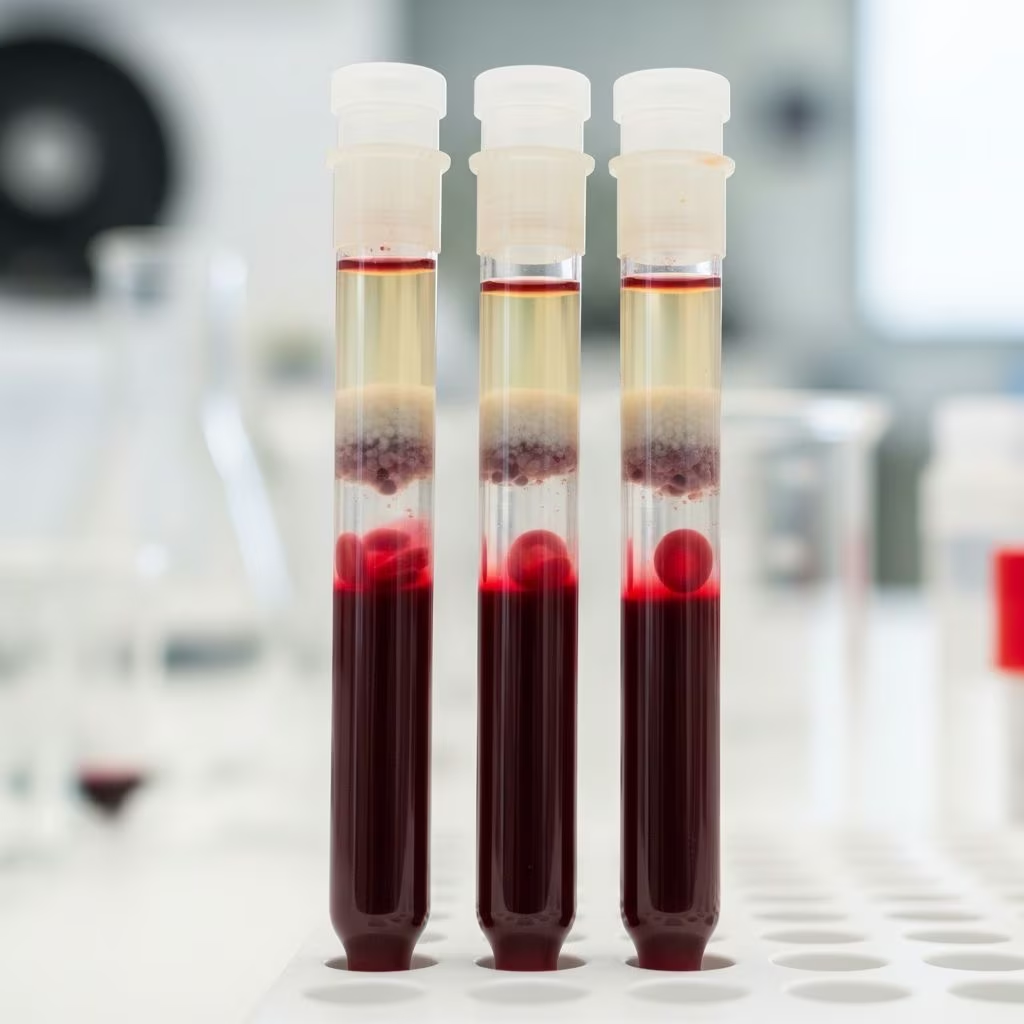
The packed cell volume (PCV), also known as hematocrit, quantifies the percentage of blood volume occupied by red blood cells, serving as a fundamental indicator of oxygen-carrying capacity and overall blood health.
Understanding the Fundamentals of PCV
Red blood cells, or erythrocytes, are essential for transporting oxygen from the lungs to tissues throughout the body. The PCV measures their volumetric proportion in whole blood, typically expressed as a percentage. For instance, a PCV of 45% means that 45% of the blood sample consists of these cells.
This test differs from direct red blood cell counts or hemoglobin measurements, which require advanced lab equipment. PCV provides a quick, reliable snapshot, especially useful in clinical settings where immediate assessment is critical.
How PCV is Precisely Measured
The gold standard for PCV determination involves a straightforward centrifugation process. A small blood sample, often just a drop, is drawn into a microhematocrit capillary tube, which is sealed at one end with clay. The tube is then spun in a microhematocrit centrifuge at high speed—typically around 10,000 RPM for five minutes.
Centrifugal force compacts the red blood cells to the bottom, forming distinct layers: the packed red cell column at the base, a thin buffy coat of white cells and platelets in the middle, and clear plasma on top. The PCV is calculated by measuring the length of the red cell column relative to the total blood column length, multiplied by 100.
In contrast, modern automated analyzers calculate hematocrit (HCT) indirectly using the formula: HCT = (mean cell volume × red blood cell count) ÷ 10. This method can introduce errors from factors like cell swelling during storage or hemolysis, whereas direct PCV remains more accurate.
Normal Ranges and Species Variations
Normal PCV values vary by species, age, and health status. In dogs and cats, typical ranges are 35-50% for adults. Humans generally fall between 38-50% for males and 36-44% for females.
| Species/Group | Normal PCV Range (%) | Notes |
|---|---|---|
| Dogs (adult) | 35-50 | May vary by breed; higher in sight hounds. |
| Cats (adult) | 35-50 | Neonates higher at birth. |
| Humans (males) | 38-50 | Altitude affects values. |
| Humans (females) | 36-44 | Pregnancy lowers values. |
Deviations outside these ranges signal potential issues, but interpretation requires context like hydration status.
Clinical Significance of Elevated PCV
A high PCV, or polycythemia, indicates increased red blood cell mass. Causes include absolute polycythemia from bone marrow overproduction (e.g., due to chronic hypoxia or tumors) or relative polycythemia from dehydration, where plasma volume shrinks.
In veterinary practice, dehydrated pets often show PCV elevations alongside concentrated plasma proteins. This prompts fluid therapy before addressing underlying conditions.
Low PCV: Indicators of Anemia and Beyond
Reduced PCV points to anemia, defined as decreased red blood cell mass. Types include regenerative (bone marrow responding with reticulocytes) and non-regenerative (marrow failure). Common causes: blood loss, hemolysis, or nutritional deficiencies.
- Acute blood loss: PCV drops after plasma volume restores.
- Hemolytic anemia: Immune-mediated destruction; buffy coat may thicken.
- Chronic disease: Suppresses marrow production.
Monitoring serial PCVs tracks response to treatments like transfusions.
Beyond Red Cells: Insights from the Full Tube
The centrifuged tube reveals more than just PCV. The buffy coat reflects white blood cell and platelet volume—thicker layers suggest infection, inflammation, or leukemia.
Plasma appearance is telling: clear and straw-colored in health; yellow (icterus) signals liver issues or hemolysis; milky indicates lipemia. Total plasma protein, measured via refractometry on snapped plasma, assesses hydration (high in dehydration) or loss (low in malnutrition or protein-losing diseases).
Everyday Applications in Veterinary and Human Medicine
PCV’s speed and minimal sample requirement (½ teaspoon) make it indispensable. In emergency rooms, it’s routine for trauma, vomiting, or lethargy cases to check anemia, dehydration, or hemorrhage.
Preoperative screening ensures surgical safety. Intraoperatively, it monitors blood loss. In chronic cases like kidney disease or cancer, trends guide therapy.
For humans, it’s part of complete blood counts, aiding diagnosis of polycythemia vera or monitoring chemotherapy.
Potential Pitfalls and Accurate Interpretation
PCV isn’t infallible. Trapped plasma between cells slightly overestimates true volume compared to calculated HCT. Sample handling errors—like IV fluid dilution or hemolysis—skew results.
Always correlate with hemoglobin, RBC indices, and clinical signs. For example, high PCV with normal hemoglobin may indicate plasma loss alone.
Advances and Future Directions
Point-of-care analyzers now integrate PCV with full hematology, enhancing speed. Research explores PCV in predicting outcomes for conditions like heart failure or sepsis.
In veterinary field work, portable centrifuges enable rapid triage in remote areas.
Frequently Asked Questions (FAQs)
What does a low PCV mean in my pet?
A low PCV suggests anemia, potentially from parasites, toxins, or chronic illness. Consult a vet for targeted tests.
Can dehydration affect PCV results?
Yes, it falsely elevates PCV by reducing plasma volume. Rehydration normalizes it if no primary erythrocytosis.
How often should PCV be checked?
Depends on condition: daily in critical care, monthly for monitoring chronic anemia.
Is PCV the same as hematocrit?
PCV is directly measured; hematocrit is often calculated. They correlate closely but PCV is more precise manually.
Does altitude impact normal PCV ranges?
Yes, higher altitudes stimulate erythropoiesis, raising PCV physiologically.
This comprehensive overview equips pet owners, clinicians, and health enthusiasts with knowledge on PCV’s role in diagnostics. Regular screening empowers early intervention for optimal health outcomes.
References
- Hematocrit/packed cell volume – eClinpath — eClinpath. Accessed 2026. https://eclinpath.com/hematology/tests/hematocrit/
- Packed cell volume (PCV) – WVS Academy — WVS Academy. Accessed 2026. https://wvs.academy/learn/companion-animals/practical-pathology/haematology/pcv-ts/packed-cell-volume/
- Everyday Medicine: Packed Cell Volume – The Animal Medical Center — Animal Medical Center. 2018-01-17. https://www.amcny.org/blog/2018/01/17/everyday-medicine-packed-cell-volume/
- Hematocrit – Wikipedia — Wikipedia. Accessed 2026. https://en.wikipedia.org/wiki/Hematocrit
- What is PCV Test and its Uses, Test Results, and Normal Range? — Yashoda Hospitals. Accessed 2026. https://www.yashodahospitals.com/diagnostics/pcv-test/
- Hematocrit test – Mayo Clinic — Mayo Clinic. Accessed 2026. https://www.mayoclinic.org/tests-procedures/hematocrit/about/pac-20384728



