

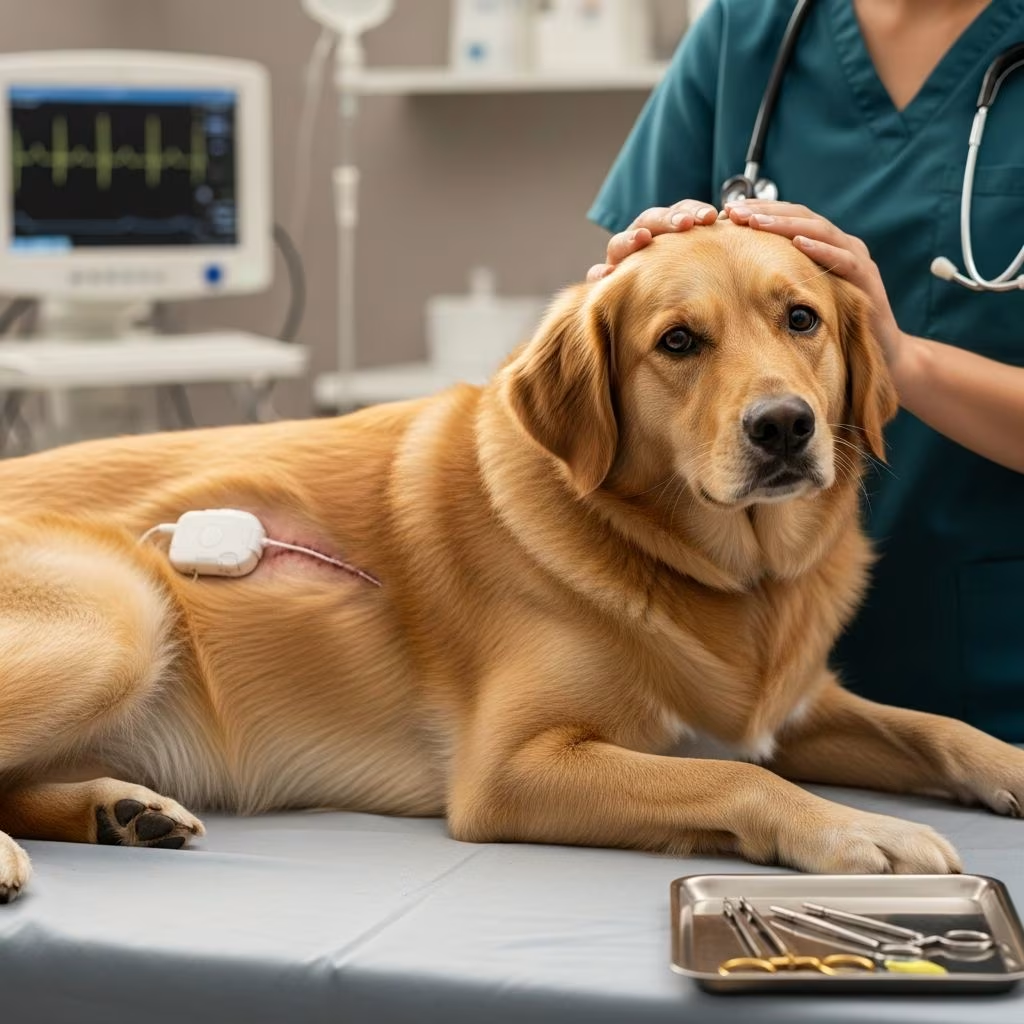
Modern veterinary cardiology offers life-changing solutions for dogs experiencing dangerously slow heart rates, known as bradyarrhythmias. Pacemaker implantation has emerged as a highly effective treatment, particularly for conditions like third-degree atrioventricular (AV) block and sick sinus syndrome (SSS), enabling many pets to lead active, healthy lives.
Understanding Bradyarrhythmias in Canines
Bradyarrhythmias occur when a dog’s heart beats too slowly, often below 40-60 beats per minute at rest, leading to reduced blood flow, weakness, fainting (syncope), exercise intolerance, and even sudden collapse. These disorders disrupt the heart’s natural electrical system, which normally originates in the sinoatrial node and conducts through the atrioventricular node to trigger ventricular contractions.
The most common culprits include:
- Third-Degree AV Block: Complete failure of electrical signals from atria to ventricles, resulting in independent, slow ventricular rhythms.
- Sick Sinus Syndrome (SSS): Dysfunction of the sinoatrial node causing alternating slow and fast rates or pauses.
- Other Forms: Such as high-grade second-degree AV block or sinus node dysfunction, often seen in breeds like Miniature Schnauzers, West Highland White Terriers, and older mixed breeds.
Symptoms typically appear in geriatric dogs, though some younger ones are affected due to congenital issues. Early detection through routine check-ups can prevent life-threatening episodes.
Diagnosing the Need for a Pacemaker
Veterinarians suspect bradyarrhythmias based on clinical signs and confirm via electrocardiography (ECG/EKG). A standard six-lead ECG captures abnormal rhythms, while ambulatory 24-hour Holter monitoring provides comprehensive data over time.
Comprehensive pre-implantation evaluation is crucial, especially since most candidates are senior dogs with potential comorbidities:
| Test | Purpose |
|---|---|
| Complete Blood Work & Urinalysis | Assess organ function, anemia, infections |
| Blood Pressure Measurement | Detect hypertension or hypotension |
| Chest & Abdominal Radiographs | Evaluate heart size, lung health, tumors |
| Echocardiogram | Check structural heart disease, valve function |
| Abdominal Ultrasound (if needed) | Screen for masses or organ abnormalities |
| Tick Serology | Rule out infectious causes like Lyme disease |
Ideal candidates have minimal structural heart disease; those with severe cardiomyopathy, tumors, or terminal illnesses may not benefit long-term. Board-certified veterinary cardiologists guide this assessment to ensure surgery offers meaningful improvement.
The Transvenous Pacemaker Implantation Procedure
The gold standard for dogs is transvenous pacemaker implantation, a minimally invasive technique performed under general anesthesia in a specialized facility equipped with fluoroscopy (real-time X-ray).
Step-by-Step Process:
- A small incision (2-4 cm) is made laterally in the neck to access the jugular vein.
- Using fluoroscopy, a lead wire (electrode) is threaded through the jugular vein into the right ventricular apex, where it contacts the endocardium to deliver electrical pulses.
- The lead is secured, and the generator—a compact battery-powered device—is implanted in a subcutaneous pocket under neck/shoulder musculature.
- Intraoperative programming sets the pacing rate (e.g., 60-120 bpm based on activity), mode (demand pacing fires only when needed), and sensitivity.
- Post-placement chest X-rays verify lead position before closure.
The entire procedure lasts 1-2 hours, with quick recovery allowing most dogs home the next day. Abdominal placement is rare in dogs, reserved for neck infections or tiny breeds, unlike cats where epicardial (external heart surface) leads are standard.
Immediate Post-Operative Care and Recovery
Hospitalization involves overnight ECG monitoring to confirm stable rhythms and no arrhythmias. Discharge includes:
- Medications: Pain relief, antibiotics for 7-10 days; rarely lifelong cardiac drugs unless concurrent issues exist.
- Wound Care: Keep incision clean/dry; monitor for swelling, redness, or discharge.
- Activity Restriction: Strict for 4-6 weeks—no running, jumping, playing—to prevent lead dislodgement (most common early complication).
- Equipment Changes: Use harnesses only; avoid collars pulling on the neck.
Sutures (if external) remove at 10-14 days. Gradual return to normalcy follows, with most dogs showing dramatic symptom resolution within days.
Potential Risks and Complication Management
Success exceeds 90% for AV block and SSS cases, with full clinical improvement. Complications are infrequent but include:
- Lead Dislodgement: Prevented by rest; may require repositioning.
- Infection/Seroma: Treated with antibiotics; prophylactic doses before dental/surgeries.
- Pneumothorax or Bleeding: Rare, managed surgically.
- Battery Failure: Lasts 5-10 years; monitored via interrogation.
Regular follow-ups (1-3 months initially, then every 6-12 months) use ECG, X-rays, and programmer checks. Signs of malfunction—lethargy, collapse—warrant immediate vet visit.
Long-Term Management and Lifestyle Adjustments
Pacemaker dogs thrive without major restrictions post-healing:
- Daily Life: Microwaves, airport security safe; avoid strong magnets.
- Venipuncture: Skip right jugular; use alternate sites.
- Exercise: Full activity resumes; many compete in agility.
- Euthanasia Note: Device doesn’t interfere; can remain in place.
No special diet unless comorbidities dictate. Lifelong meds uncommon, enhancing appeal over medications alone.
Benefits and Prognosis
Pacemakers dramatically boost quality and quantity of life, normalizing heart rates and eliminating syncope in responsive cases. Dogs like a Chihuahua-cross with heart block underwent same-day implantation, recovering swiftly. Breeds prone to SSS see particular gains.
Cost and access vary; specialist centers ensure best outcomes. Consult a veterinary cardiologist early for at-risk pets.
Frequently Asked Questions (FAQs)
Is pacemaker surgery safe for older dogs?
Yes, with thorough pre-op screening; most tolerate it well despite age.
How long does a dog pacemaker battery last?
Typically 5-10 years, checked during rechecks.
Can all dogs get a neck pacemaker?
Most yes; abdominal for specific cases like infections.
What if my dog has other heart issues?
Viability assessed individually; minimal structural disease ideal.
Will my dog need daily meds after?
Rarely; most don’t.
References
- Canine Permanent Pacemaker Implantation FAQ — Care Center Vets. 2017-10. https://carecentervets.com/wp-content/uploads/2017/10/IR-2-Pacemaker-Implantation-FAQ.pdf
- Pacemaker Implantation in Dogs and Cats — LeadER Veterinary. N/A. https://leadervet.com/articles-papers/pacemaker-implantation-in-dogs-and-cats/
- Transvenous Pacemaker Implantation — Vet Specialty. 2022-10. https://www.vetspecialty.com/wp-content/uploads/2022/10/Transvenious-Pacemaker-Implantation.pdf
- Pacemaker Implantation Flyer — Iowa State University Vet Med. N/A. https://vetmed.iastate.edu/vmc/wp-content/uploads/18_259220LVMC20Cardiology20Pacemaker20Flyer_2.pdf
- Alfie Pacemaker Surgery Video — Veterinary Specialists of Sydney. 2021-11-23. https://www.youtube.com/watch?v=JPBlg4Qt-3I



