

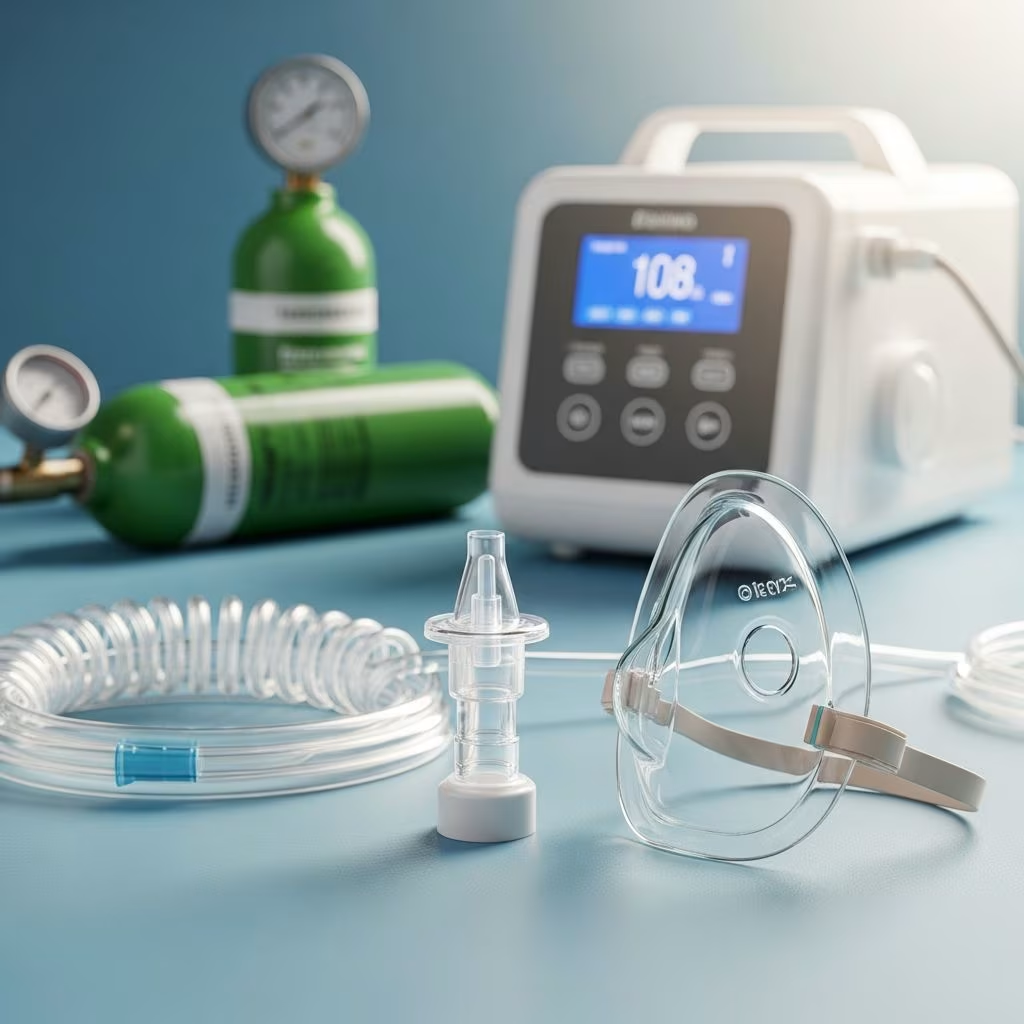
Oxygen therapy delivers supplemental oxygen to individuals with low blood oxygen levels, helping to alleviate symptoms, support organ function, and improve quality of life. It encompasses both normobaric methods at normal pressure and hyperbaric oxygen therapy (HBOT) under increased pressure for specific conditions.
Understanding Hypoxemia and the Need for Oxygen Support
Hypoxemia occurs when blood oxygen saturation drops below normal levels, often due to lung or heart conditions, leading to fatigue, shortness of breath, and organ strain. Oxygen therapy restores adequate levels, targeting 92-98% saturation in healthy patients or 88-92% in those with chronic hypercapnia.
Common triggers include impaired lung function where air movement is restricted, preventing sufficient oxygen absorption into the bloodstream. Without intervention, prolonged hypoxemia risks organ damage or failure.
Primary Conditions Benefiting from Oxygen Therapy
Several respiratory and cardiac issues necessitate oxygen support. Here’s a breakdown:
- Chronic Obstructive Pulmonary Disease (COPD): This progressive lung disease hinders airflow, causing low oxygen. Therapy eases breathlessness, boosts energy, and cuts complication risks.
- Emphysema and Pulmonary Fibrosis: Tissue damage and scarring limit oxygen transfer; supplemental oxygen reduces fatigue and enables activity.
- Cystic Fibrosis and Chronic Bronchitis: Mucus buildup and inflammation impair breathing, where oxygen aids daily function.
- Severe Asthma, Pneumonia, or Sleep Apnea: Acute attacks or nighttime breathing pauses benefit from temporary or ongoing use.
- Heart Failure: Reduced cardiac output affects oxygenation; therapy supports heart and brain function.
For vulnerable groups like older adults, pregnant women, and infants, oxygen is crucial during illnesses such as pneumonia or COVID-19.
How Oxygen Therapy Works in the Body
Normal air holds 21% oxygen, but therapy provides higher concentrations via devices. Normobaric oxygen therapy (NBOT) uses standard pressure, while HBOT pressurizes to 2-3 atmospheres, dissolving more oxygen into plasma for hyperoxemia.
This enhances cellular energy production, reduces inflammation, and promotes tissue repair. In NBOT, oxygen binds to hemoglobin; in HBOT, it permeates directly, bypassing limitations.
Types of Oxygen Delivery Systems
Oxygen is administered through various methods tailored to patient needs and mobility:
| Method | Description | Best For |
|---|---|---|
| Nasal Cannula | Lightweight tubes under the nose delivering 1-6 L/min | Mild hypoxemia, home use |
| Face Mask | Covers nose and mouth for 5-10 L/min | Moderate needs, short-term |
| Non-Rebreather Mask | Reservoir bag for up to 15 L/min high concentration | Emergencies |
| Venturi Mask | Precise FiO2 delivery | Controlled settings like COPD |
| Hyperbaric Chamber | Pressurized room or tube with 100% oxygen | Wound healing, decompression |
Portable concentrators generate oxygen on-site, ideal for active lifestyles.
Key Benefits Across Health Applications
Oxygen therapy offers multifaceted advantages:
- Respiratory Relief: Lessens shortness of breath, fatigue, and improves sleep and alertness.
- Wound Healing: Stimulates angiogenesis, collagen production, and fights infection in chronic wounds like diabetic ulcers.
- Neurological Support: Reduces brain inflammation post-injury or stroke, enhancing cognition and memory.
- Athletic Recovery: Cuts muscle fatigue, boosts endurance, and speeds post-exercise repair.
- Diving and Acute Injuries: Dissolves nitrogen bubbles in decompression sickness.
- Chronic Illness Management: Eases fibromyalgia, MS symptoms by improving cellular function.
Users with pulmonary fibrosis report active lifestyles like jogging with doctor approval.
Hyperbaric Oxygen Therapy: Advanced Applications
HBOT, FDA-approved for wounds, burns, embolisms, and carbon monoxide poisoning, floods tissues with oxygen under pressure. It excels in non-healing wounds by promoting vessel growth and antimicrobial effects.
Beyond approvals, some centers explore unproven uses like autism or Lyme disease, but FDA warns of risks without clearance. Always consult providers.
Safety Considerations and Potential Risks
While life-saving, oxygen requires prescription and monitoring. Common issues include dry nasal passages causing nosebleeds.
Oxygen toxicity from excess intake slows breathing and heart rate, potentially fatal. Fire hazards arise as oxygen fuels flames—keep away from smoking or open flames.
Titrate to target saturations; chronic users need tailored plans to avoid suppressing natural breathing drive.
Practical Tips for Daily Oxygen Use
- Follow prescriptions precisely; regular check-ups adjust flow rates.
- Clean equipment daily to prevent infections.
- Use humidifiers for comfort during prolonged sessions.
- Travel with portable units and airline approvals.
- Monitor saturation with pulse oximeters at home.
Recent Advances and Global Access
Oxygen remains essential for surgery, trauma, and pandemics like COVID-19. WHO emphasizes production via GMP or concentrators for safe delivery, especially to vulnerable populations.
Technological strides include lighter portables and precise monitors, expanding home therapy.
Frequently Asked Questions (FAQs)
What is the difference between supplemental oxygen and HBOT?
Supplemental oxygen at normal pressure treats hypoxemia; HBOT uses pressure for deeper tissue saturation in specific cases like wounds.
Can oxygen therapy cure lung diseases?
No, it manages symptoms and prevents complications but doesn’t cure underlying conditions.
Is oxygen therapy safe for long-term use?
Yes, when prescribed and monitored; risks like toxicity are minimized with proper dosing.
Who should avoid oxygen therapy?
Those with untreated pneumothorax or certain COPD types need caution; consult doctors.
How does oxygen help during pneumonia?
It boosts blood levels, reduces lung/heart strain, and eases symptoms without treating infection.
Integrating Oxygen Therapy into Lifestyle
Beyond medical settings, therapy empowers independence. Patients with COPD or fibrosis engage in exercise, work, and travel. Combining with pulmonary rehab maximizes gains.
Education on device maintenance and emergency protocols ensures safety. Families learn recognition of worsening hypoxemia signs like cyanosis or confusion.
References
- 5 Benefits of Hyperbaric Oxygen Therapy — Independence.Health. 2023-03. https://www.independence.health/newsroom/2023/march/5-benefits-of-hyperbaric-oxygen-therapy/
- A Guide to Supplemental Oxygen Therapy — National Council on Aging (NCOA). Accessed 2026. https://www.ncoa.org/article/supplemental-oxygen-therapy-types-uses-and-when-to-use-it/
- Supplemental Oxygen — Pulmonary Fibrosis Foundation. Accessed 2026. https://www.pulmonaryfibrosis.org/understanding-pff/treatment-options/supplemental-oxygen
- Hyperbaric Oxygen Therapy — MedlinePlus (U.S. National Library of Medicine). Accessed 2026. https://medlineplus.gov/oxygentherapy.html
- Supplemental Oxygen Therapy: Types, Benefits & Risks — Cleveland Clinic. Accessed 2026. https://my.clevelandclinic.org/health/treatments/23194-oxygen-therapy
- Oxygen Therapy — American Lung Association. Accessed 2026. https://www.lung.org/lung-health-diseases/lung-procedures-and-tests/oxygen-therapy
- Oxygen Administration — StatPearls, NCBI Bookshelf (National Center for Biotechnology Information). 2023. https://www.ncbi.nlm.nih.gov/books/NBK551617/
- Oxygen — World Health Organization (WHO). Accessed 2026. https://www.who.int/health-topics/oxygen



